Aproveitando simulações de Monte Carlo
Simulações de Monte Carlo em Python

Izzy Weber
Curriculum Manager, DataCamp
Previsão de preço de ações
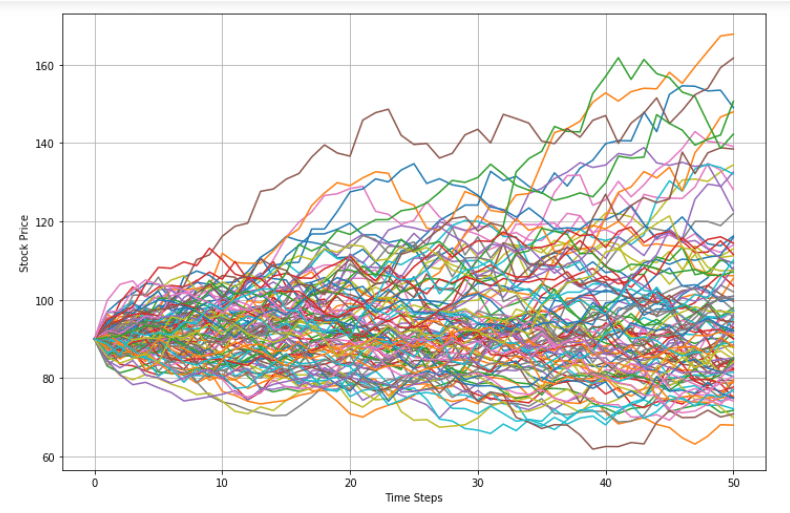
1 https://marketxls.com/monte-carlo-simulation-excel
Gestão de risco
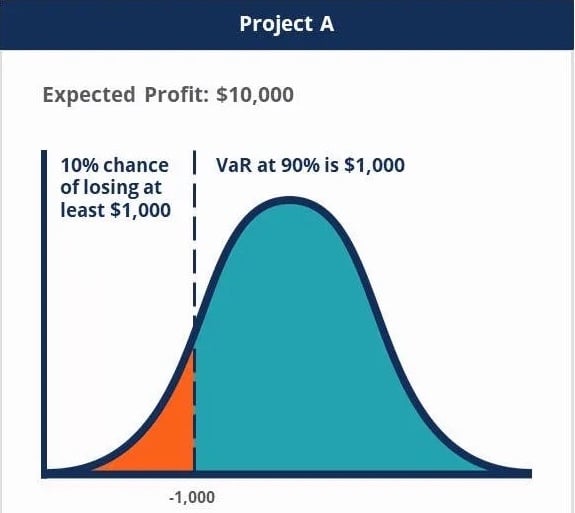
1 https://www.investopedia.com/articles/04/092904.asp https://corporatefinanceinstitute.com/course/modeling-risk-monte-carlo-simulation/
Identificação de sítios de ligação

1 https://pubs.rsc.org/en/content/articlelanding/2020/ra/d0ra01127d
Análise de confiabilidade em engenharia
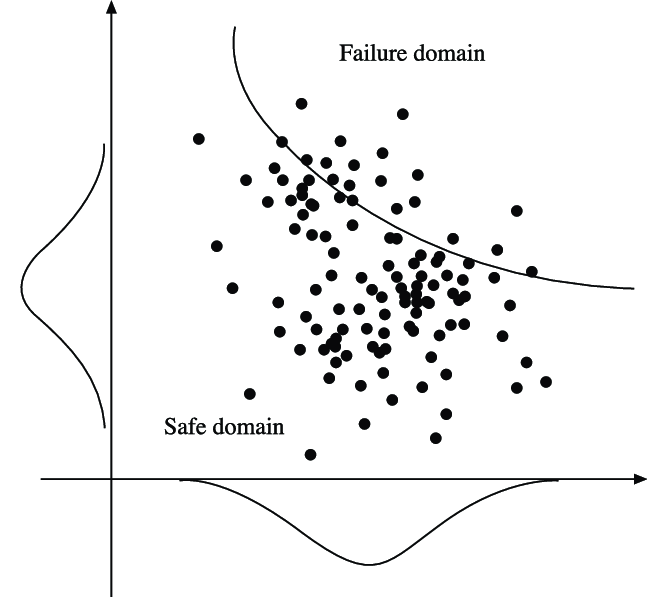
1 www.researchgate.net/publication/228814883_Probabilistic_Transformation_Method_in_Reliability_Analysis
Benefícios das simulações de Monte Carlo

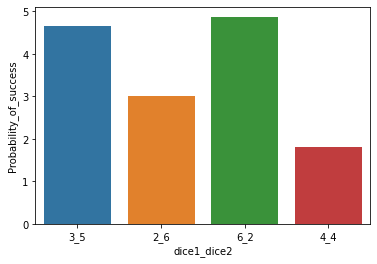
Resultados dos dados viciados
bag1 = [[1, 2, 3, 6, 6, 6], [1, 2, 3, 4, 4, 6], [1, 2, 3, 3, 3, 5]]
bag2 = [[2, 2, 3, 4, 5, 6], [3, 3, 3, 4, 4, 5], [1, 1, 2, 4, 5, 5]]
Resultados da simulação com 10.000 execuções:
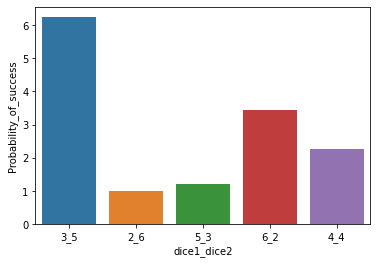
Resultados dos dados viciados
bag1 = [[2, 2, 3, 4, 6, 6], [1, 2, 2, 4, 6, 6], [1, 2, 3, 3, 3, 3]]
bag2 = [[1, 2, 3, 4, 5, 6], [1, 3, 3, 4, 4, 6], [2, 2, 2, 3, 5, 5]]
Resultados da simulação com 10.000 execuções: