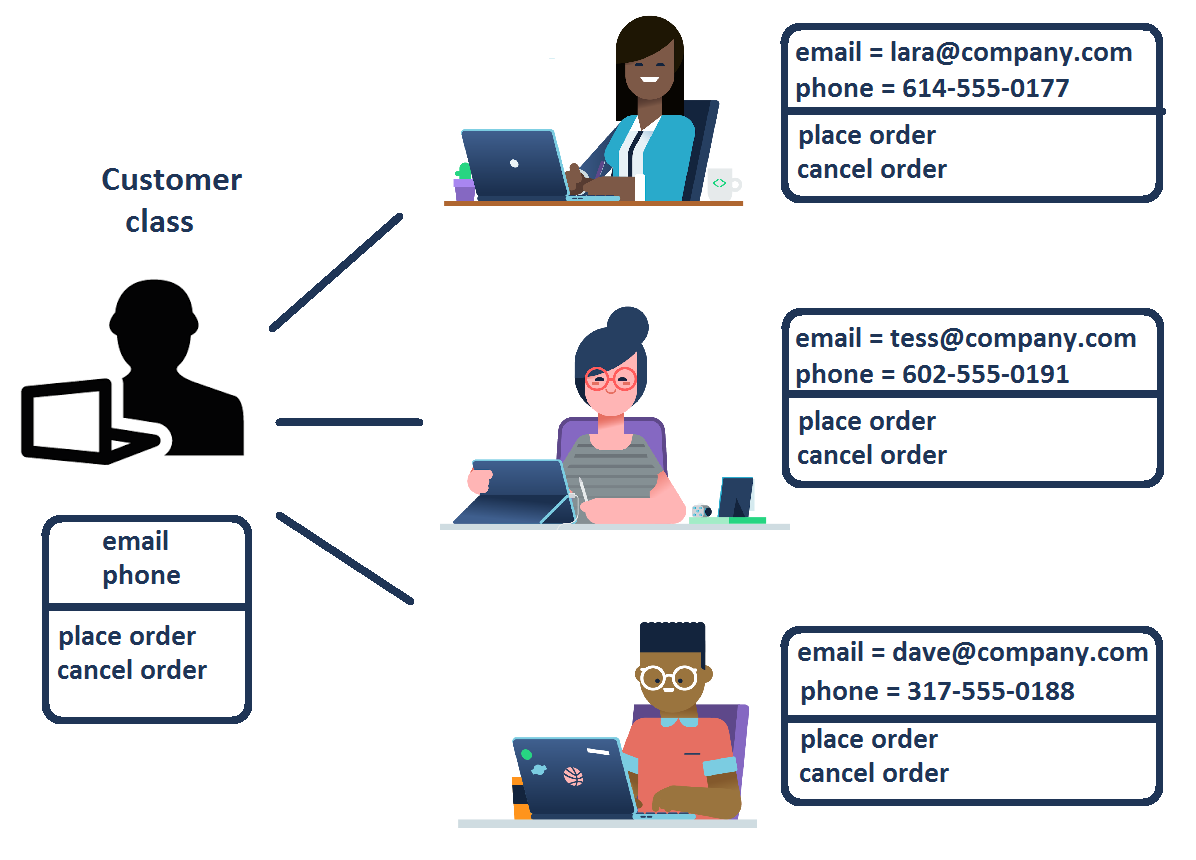
Was ist OOP?
Objektorientierte Programmierung in Python

Alex Yarosh
Content Quality Analyst @ DataCamp
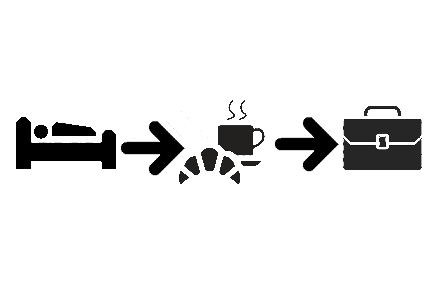
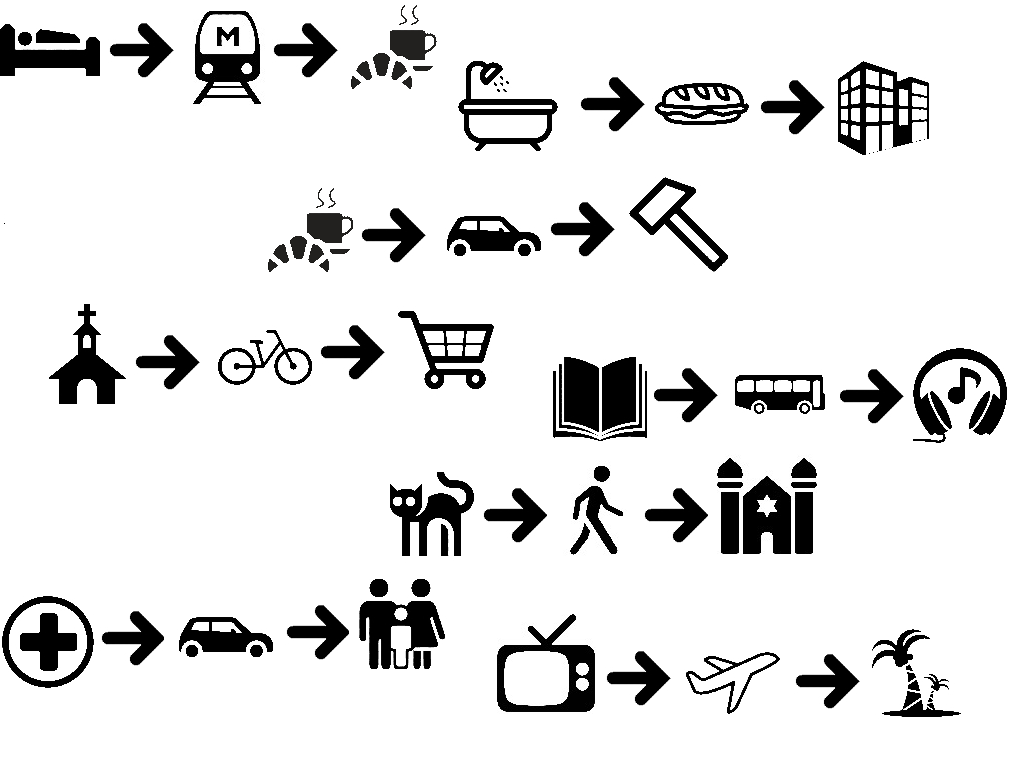
Denken in Sequenzen
Objekte als Datenstrukturen
$$\Large{\text{Objekt = Zustand + Verhalten}}$$

$$\text{\textbf{Kapselung} - Daten mit dem Code bündeln, der darauf arbeitet}$$
Klassen als Vorlagen
- Klasse: Vorlage für Objekte mit möglichen Zuständen und Verhaltensweisen
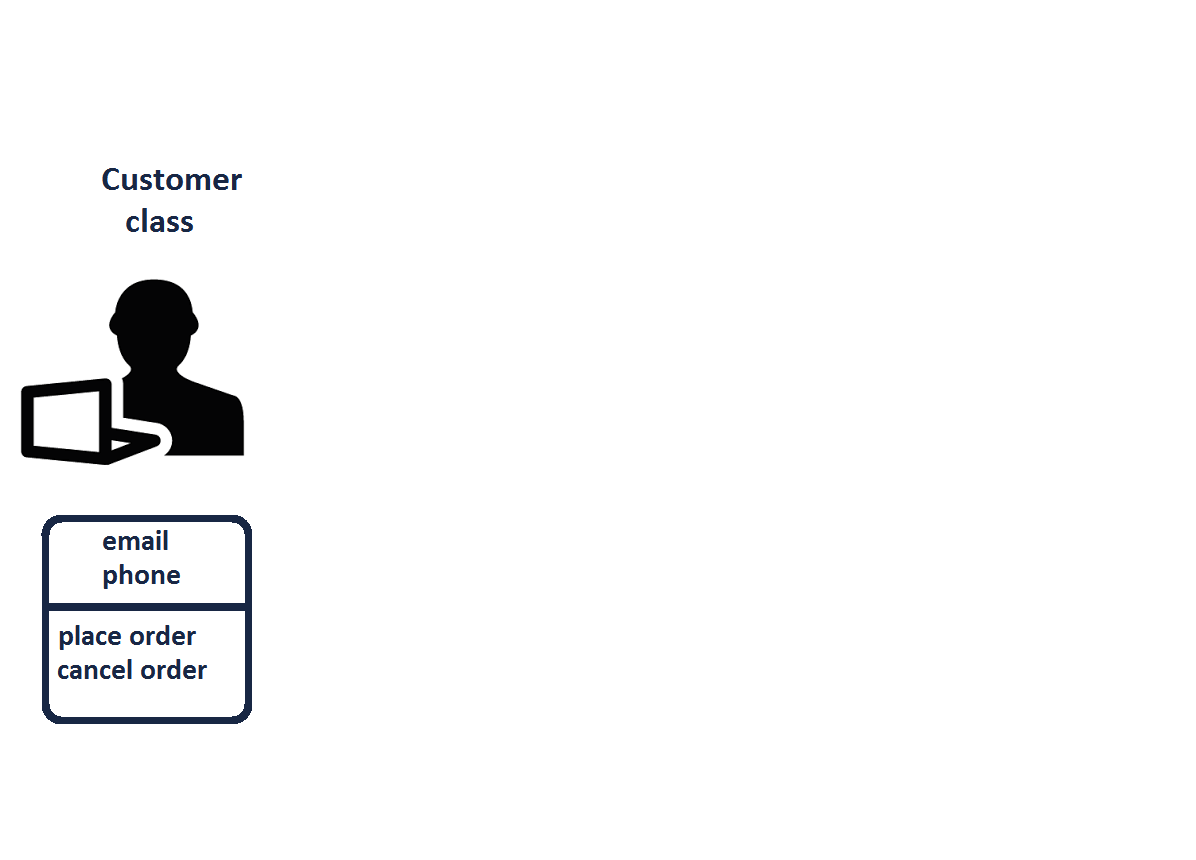
Klassen als Vorlagen
- Klasse: Vorlage für Objekte mit möglichen Zuständen und Verhaltensweisen