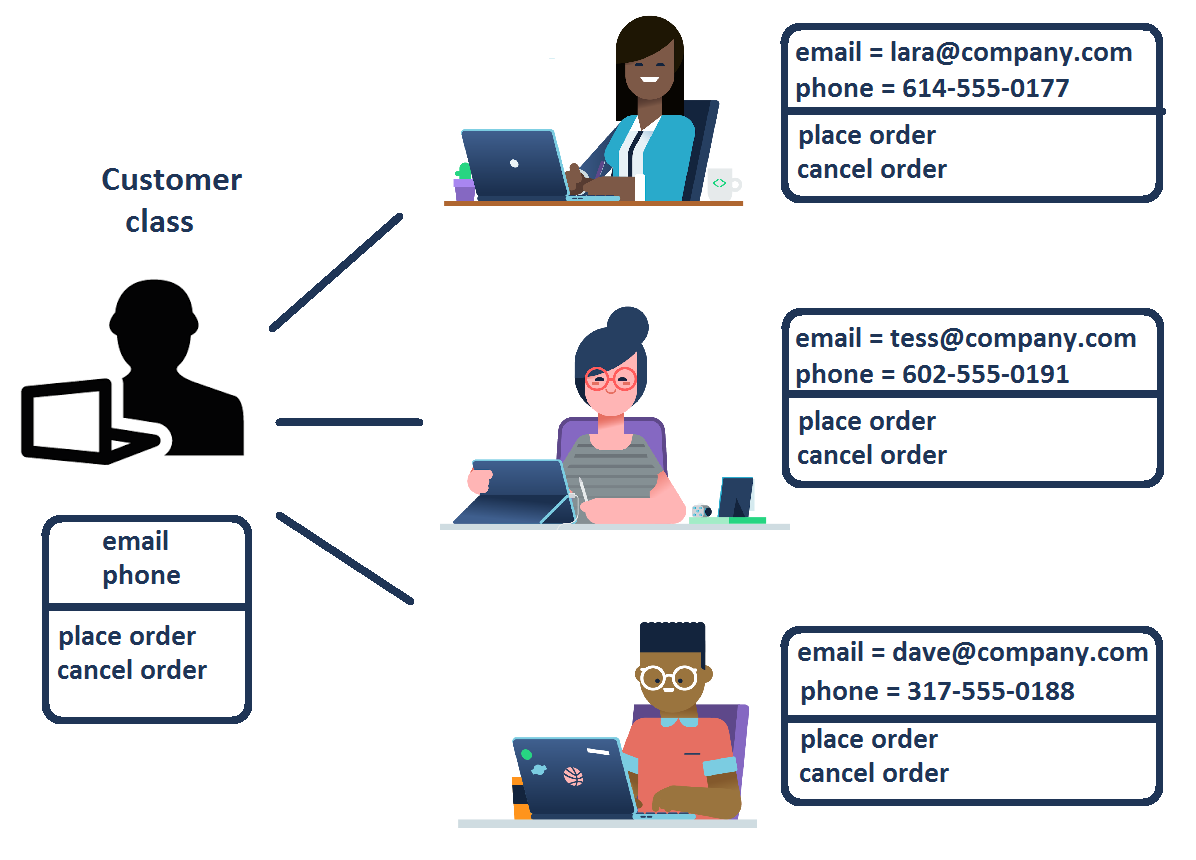
Qu'est-ce que la POO ?
Programmation orientée objet en Python

Alex Yarosh
Content Quality Analyst @ DataCamp
Penser en séquences
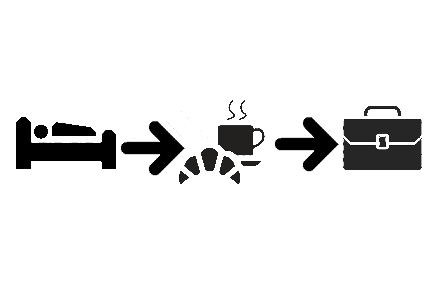
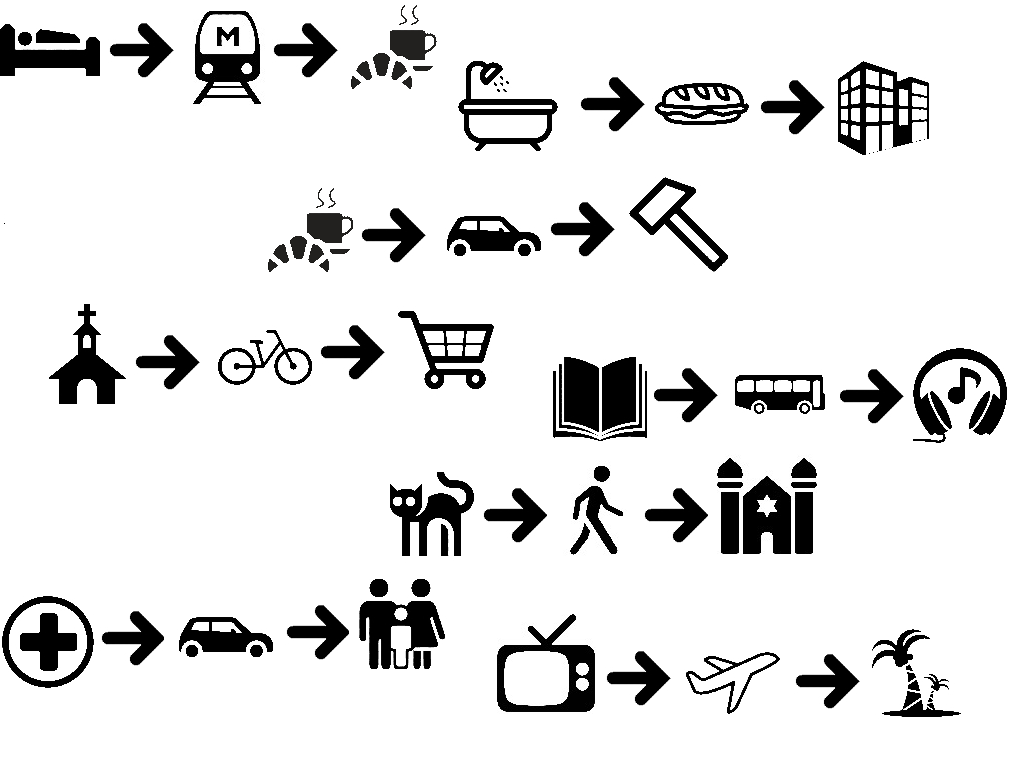
Objets comme structures de données
$$\Large{\text{Objet = état + comportement}}$$

$$\text{\textbf{Encapsulation} - regrouper les données avec le code qui les utilise}$$
Classes comme modèles
- Classe : modèle pour les objets définissant états et comportements possibles
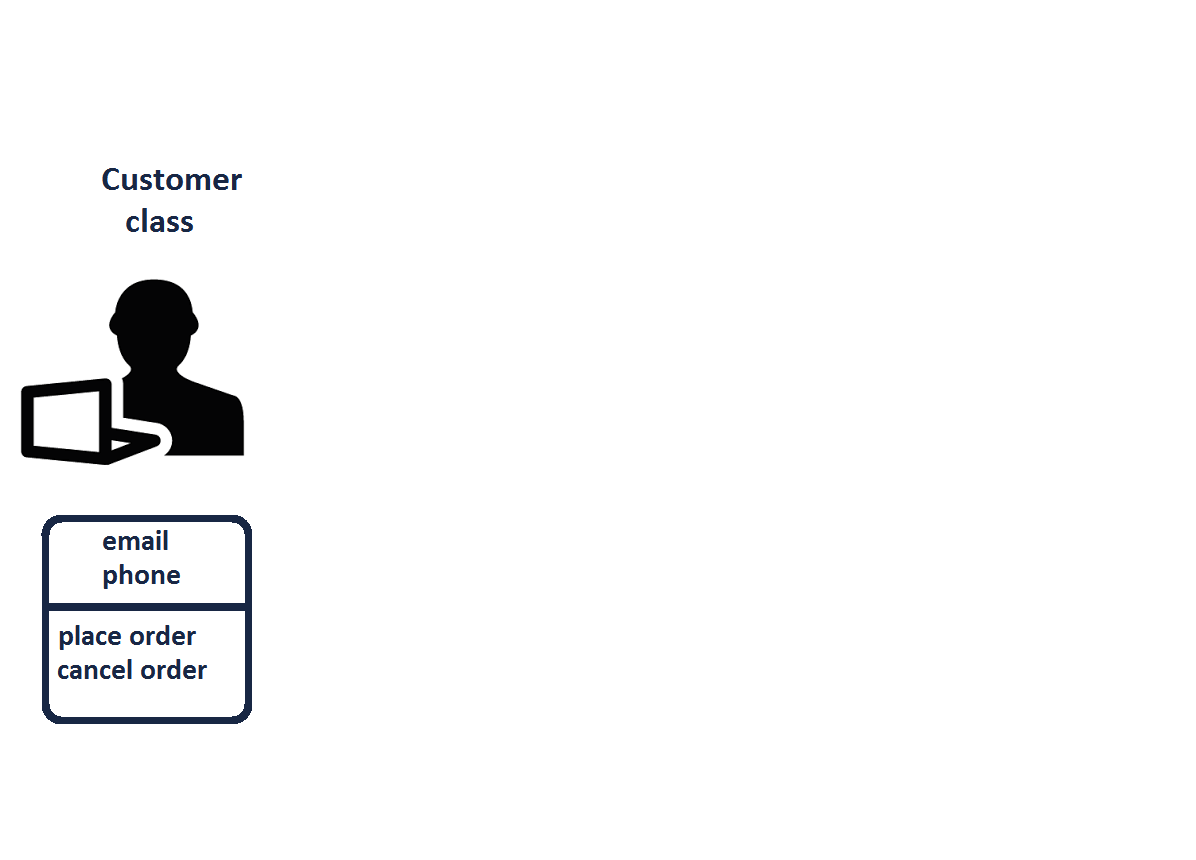
Classes comme modèles
- Classe : modèle pour les objets définissant états et comportements possibles