Introduction à NumPy
Izzy Weber
Core Curriculum Manager, DataCamp
Exemples de types Python :
intfloat
Exemples de types NumPy :
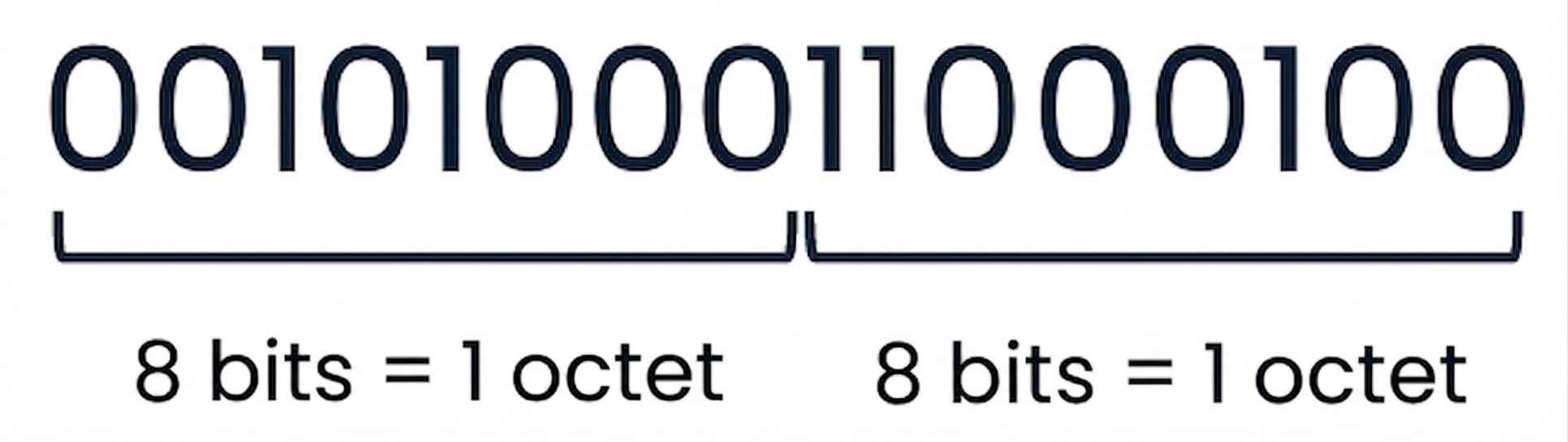
np.int64np.int32np.float64np.float32Le nombre 10436 en binaire :
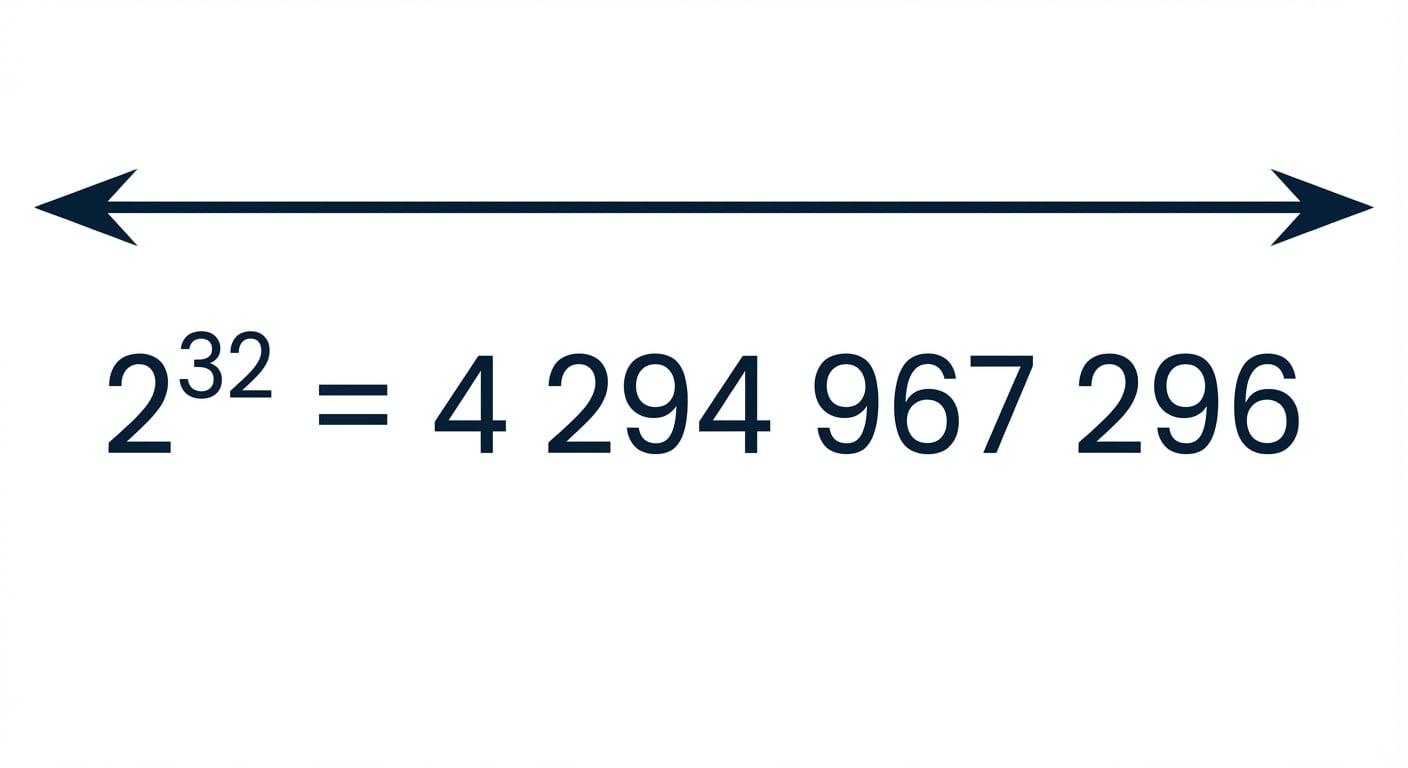
np.int32 peut stocker 4 294 967 296 entiers :
Le nombre 10436 en binaire :
np.int32 peut stocker 4 294 967 296 entiers :

np.array([1.32, 5.78, 175.55]).dtype
dtype('float64')
int_array = np.array([[1, 2, 3], [4, 5, 6]])
int_array.dtype
dtype('int64')
np.array(["Introduction", "to", "NumPy"]).dtype
dtype('<U12')
float32_array = np.array([1.32, 5.78, 175.55], dtype=np.float32)
float32_array.dtype
dtype('float32')
boolean_array = np.array([[True, False], [False, False]], dtype=np.bool_)
boolean_array.astype(np.int32)
array([[1, 0],
[0, 0]], dtype=int32)
np.array([True, "Boop", 42, 42.42])
array(['True', 'Boop', '42', '42.42'], dtype='<U5')
Ajouter un float à un tableau d’entiers convertit tous les entiers en floats :
np.array([0, 42, 42.42]).dtype
dtype('float64')
Ajouter un entier à un tableau de booléens convertit tous les booléens en entiers :
np.array([True, False, 42]).dtype
dtype('int64')
Introduction à NumPy