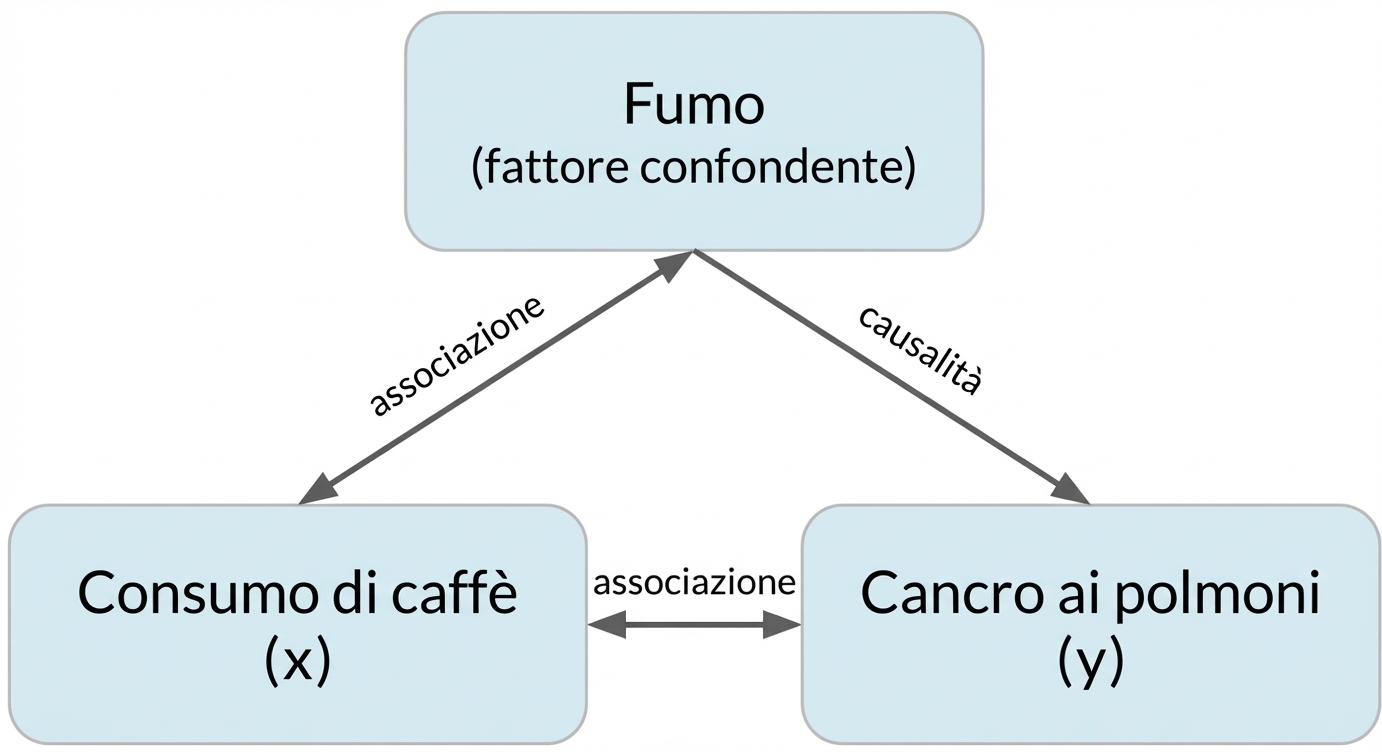
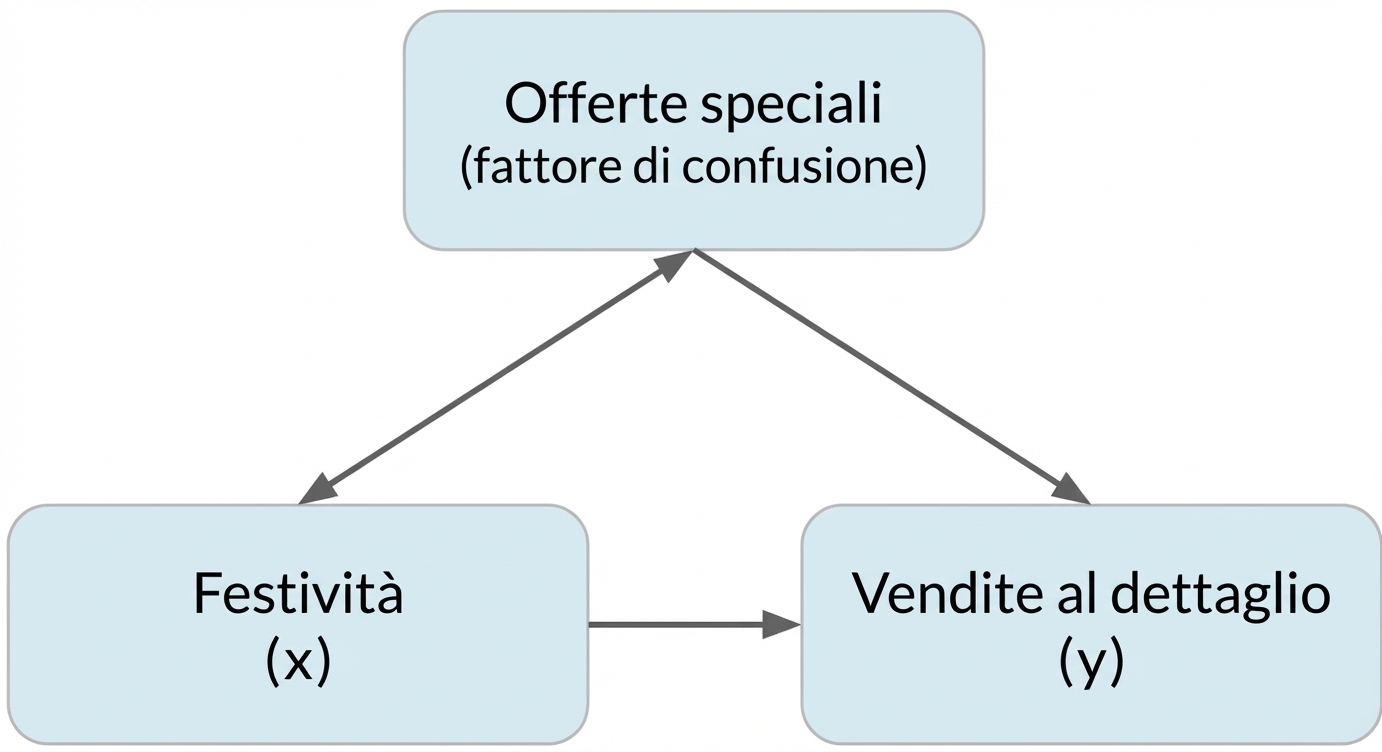
Attenzione alla correlazione
Introduzione alla statistica in R

Maggie Matsui
Content Developer, DataCamp
Relazioni non lineari
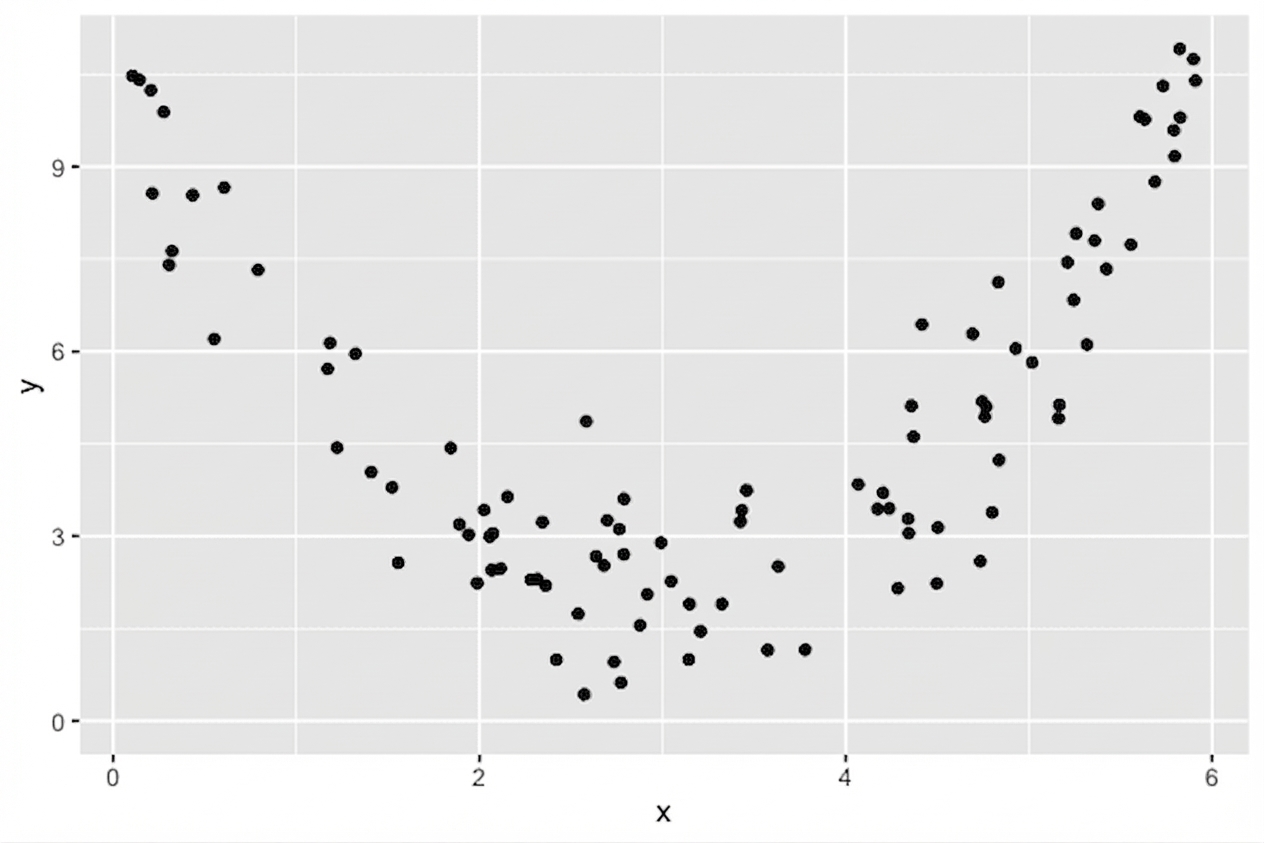
$$r = 0.18$$
Relazioni non lineari
Cosa vediamo:
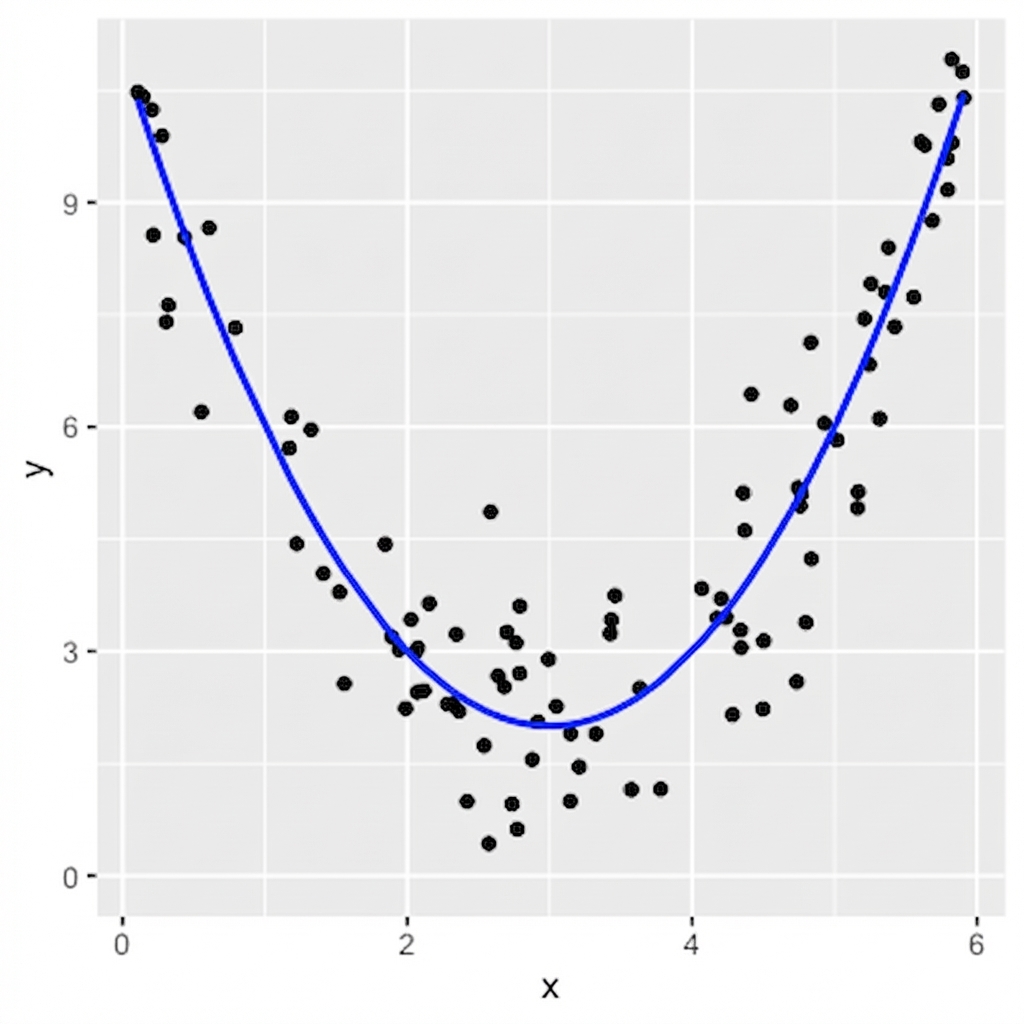
Cosa vede il coefficiente di correlazione:
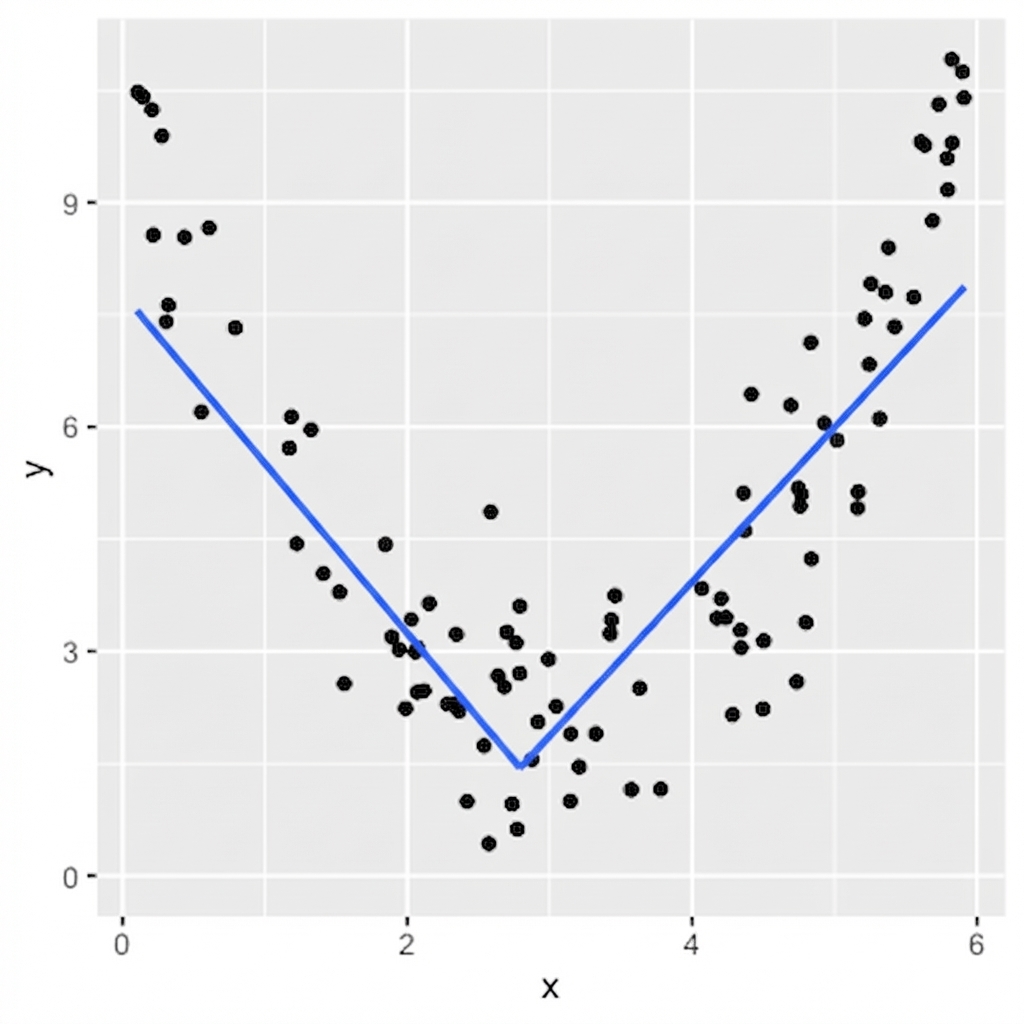
La correlazione coglie solo relazioni lineari
Visualizza sempre i dati
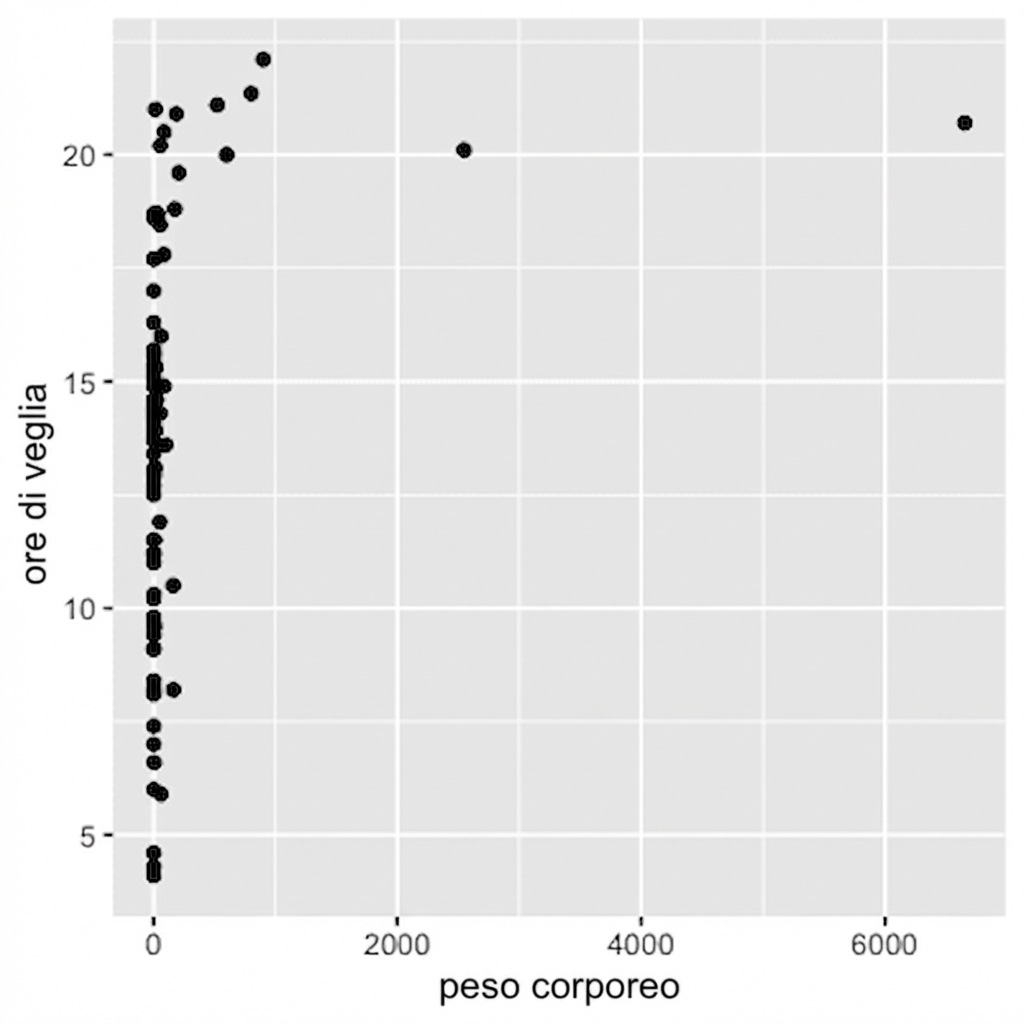
Peso corporeo vs tempo da svegli
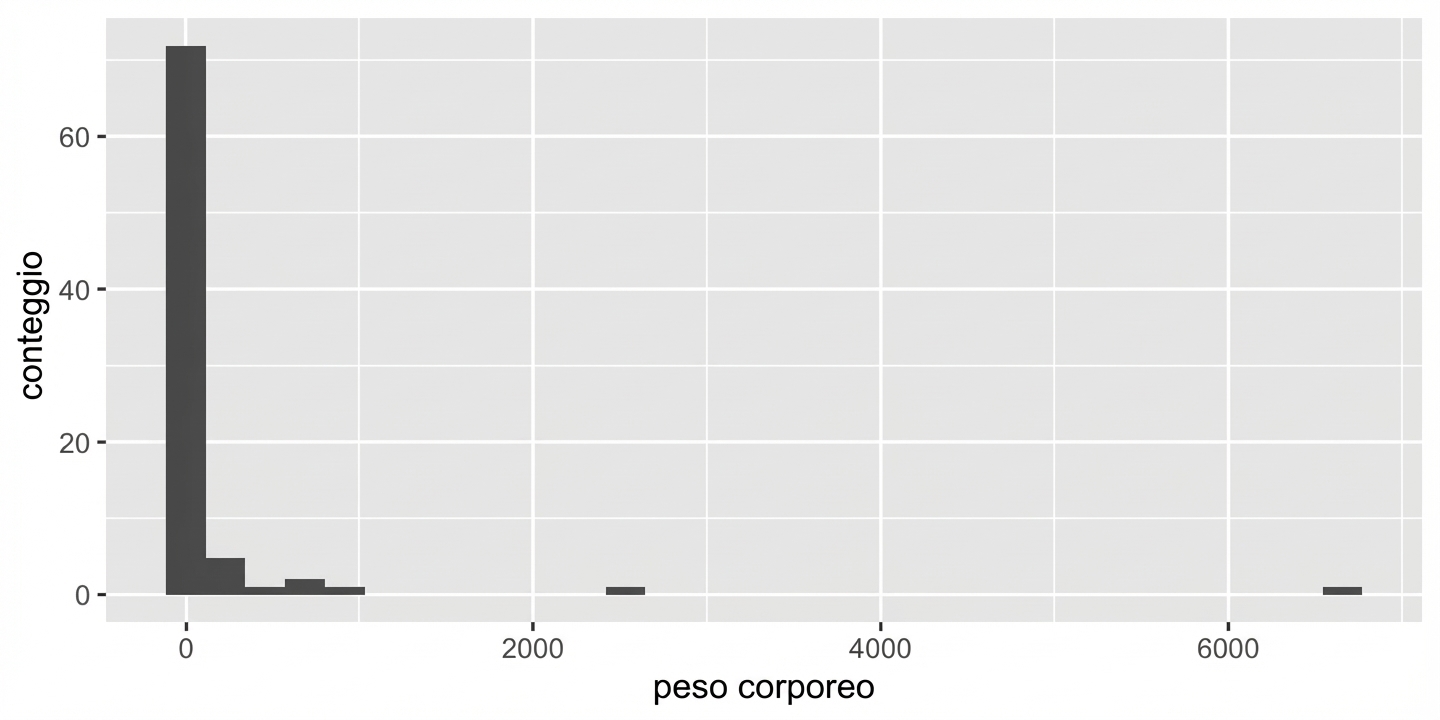
Distribuzione del peso corporeo
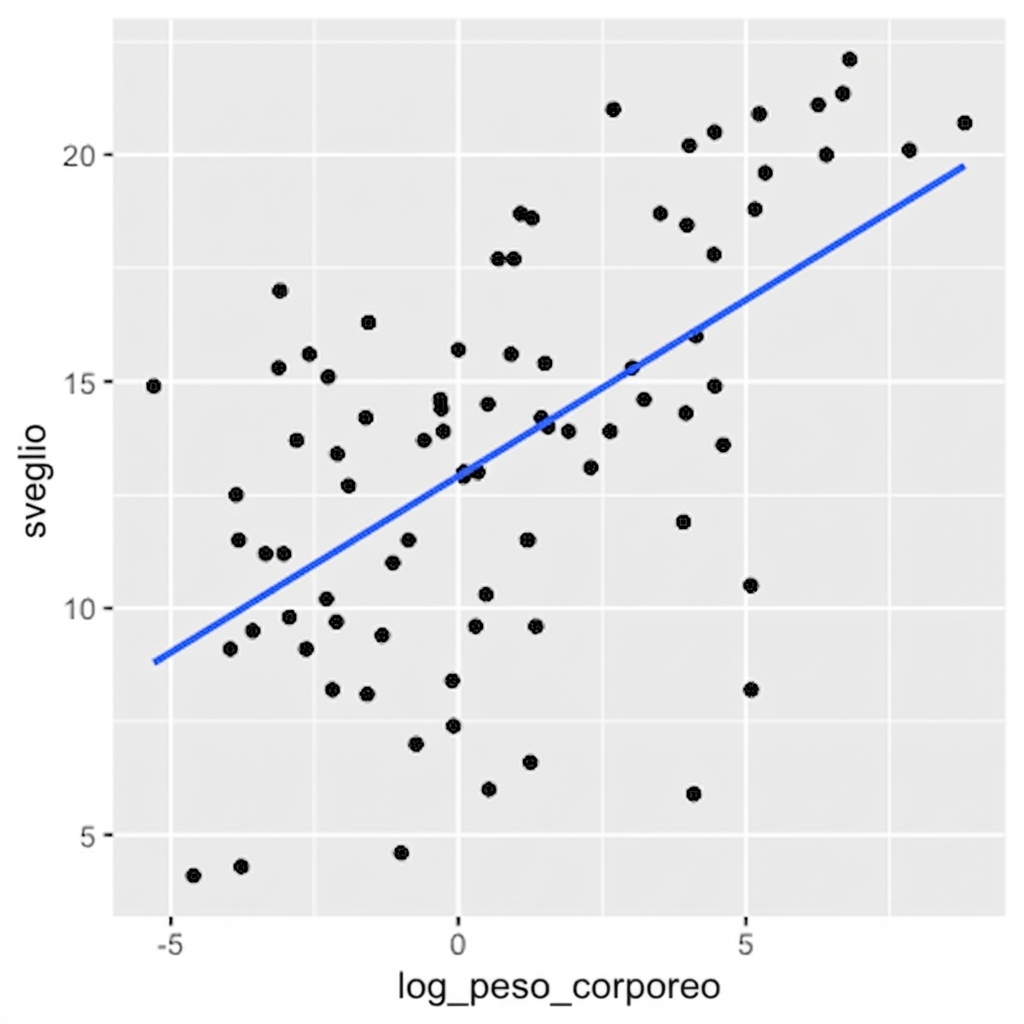
Trasformazione log
La correlazione non implica causalità
x è correlata a y non significa x causa y
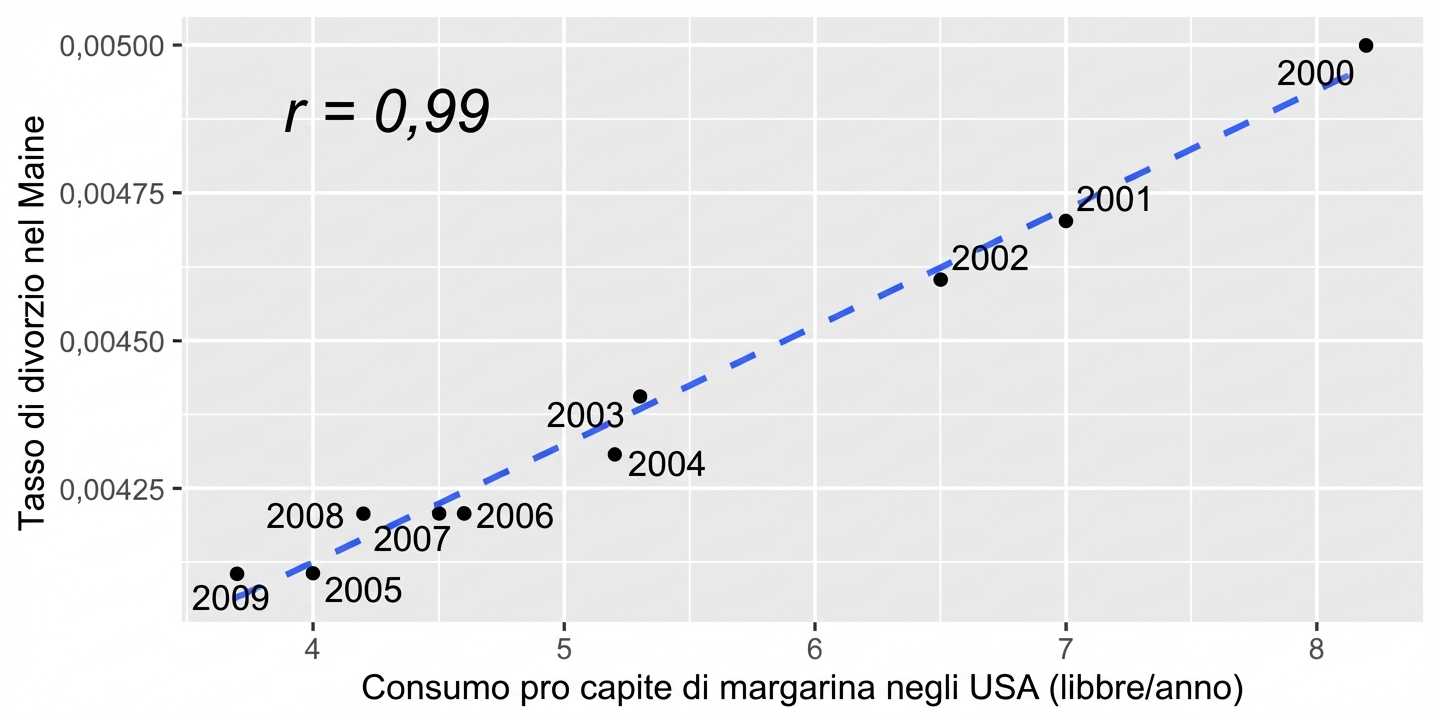
Confondimento
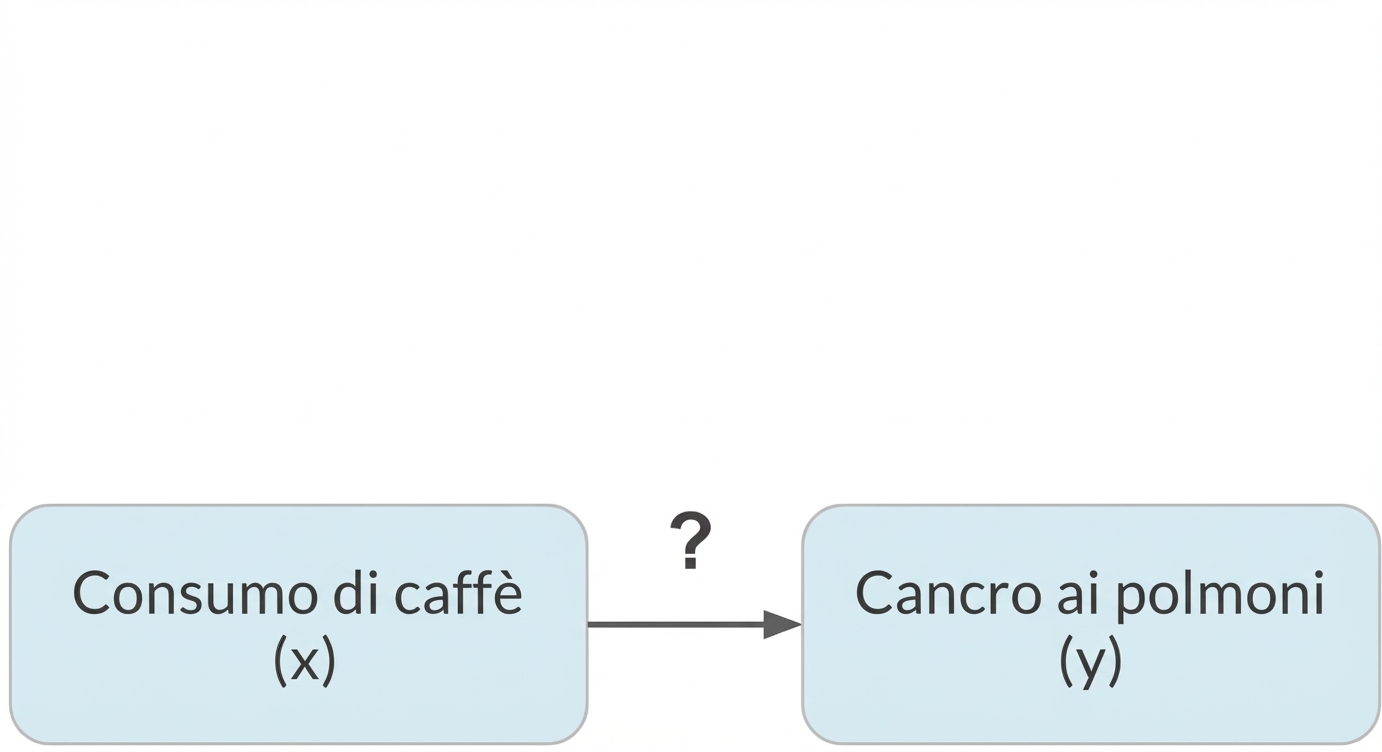
Confondimento
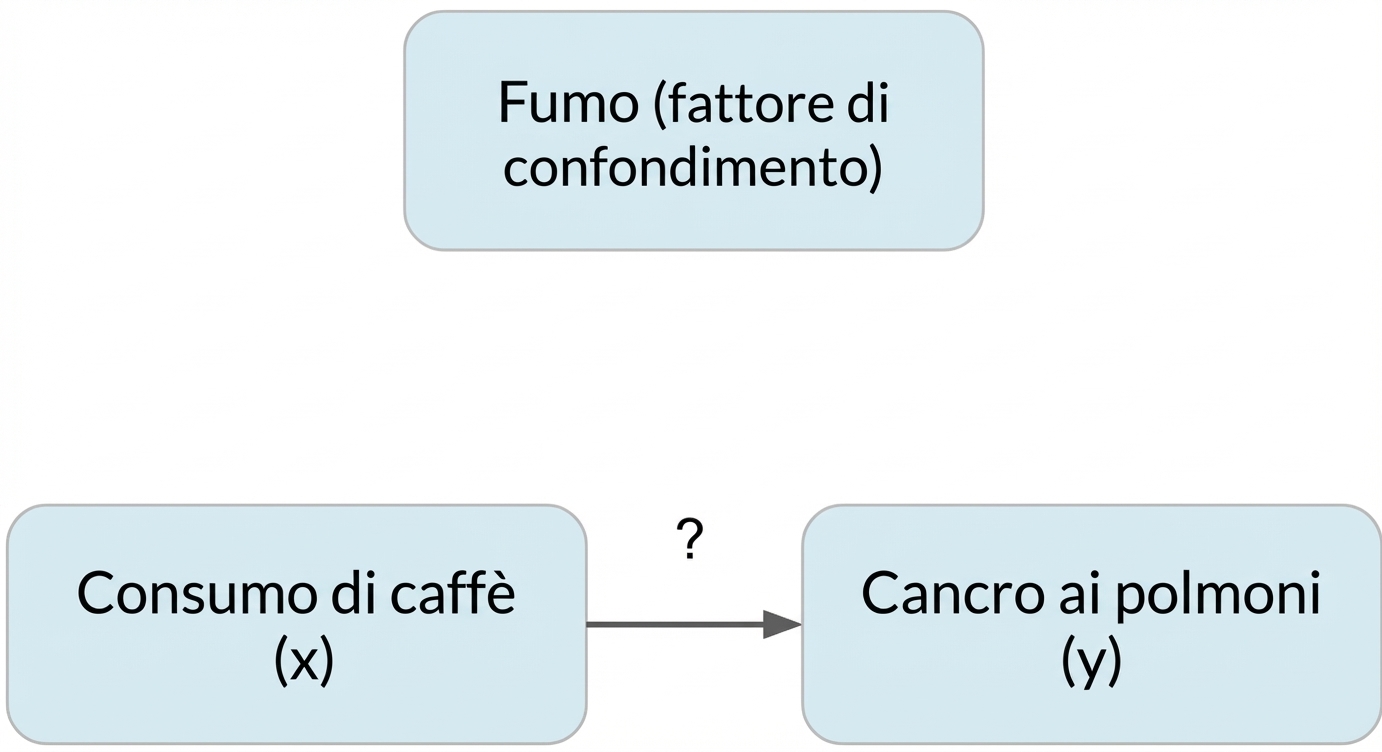
Confondimento
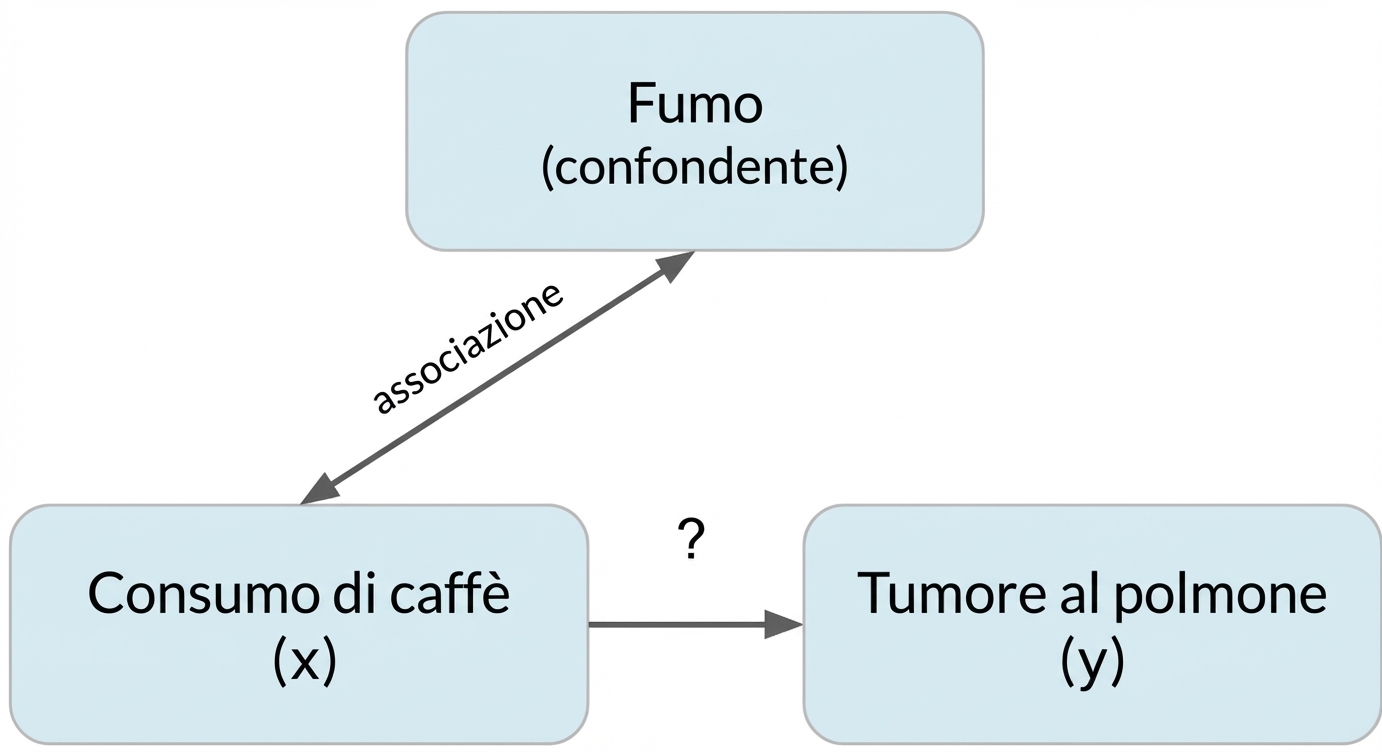
Confondimento
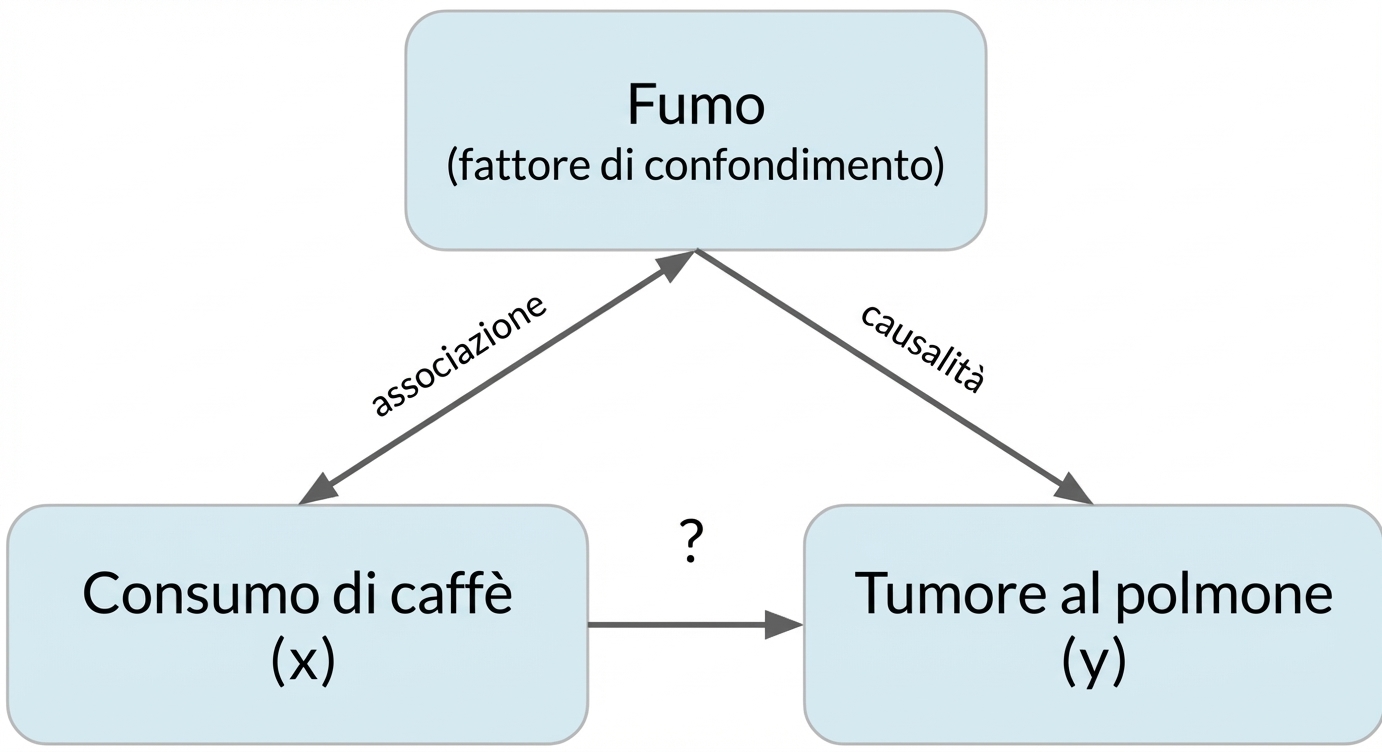
Confondimento