Propagation vers l'avant

Introduction au Deep Learning en Python

Dan Becker

Data Scientist and contributor to Keras and TensorFlow libraries

Exemple de transactions bancaires

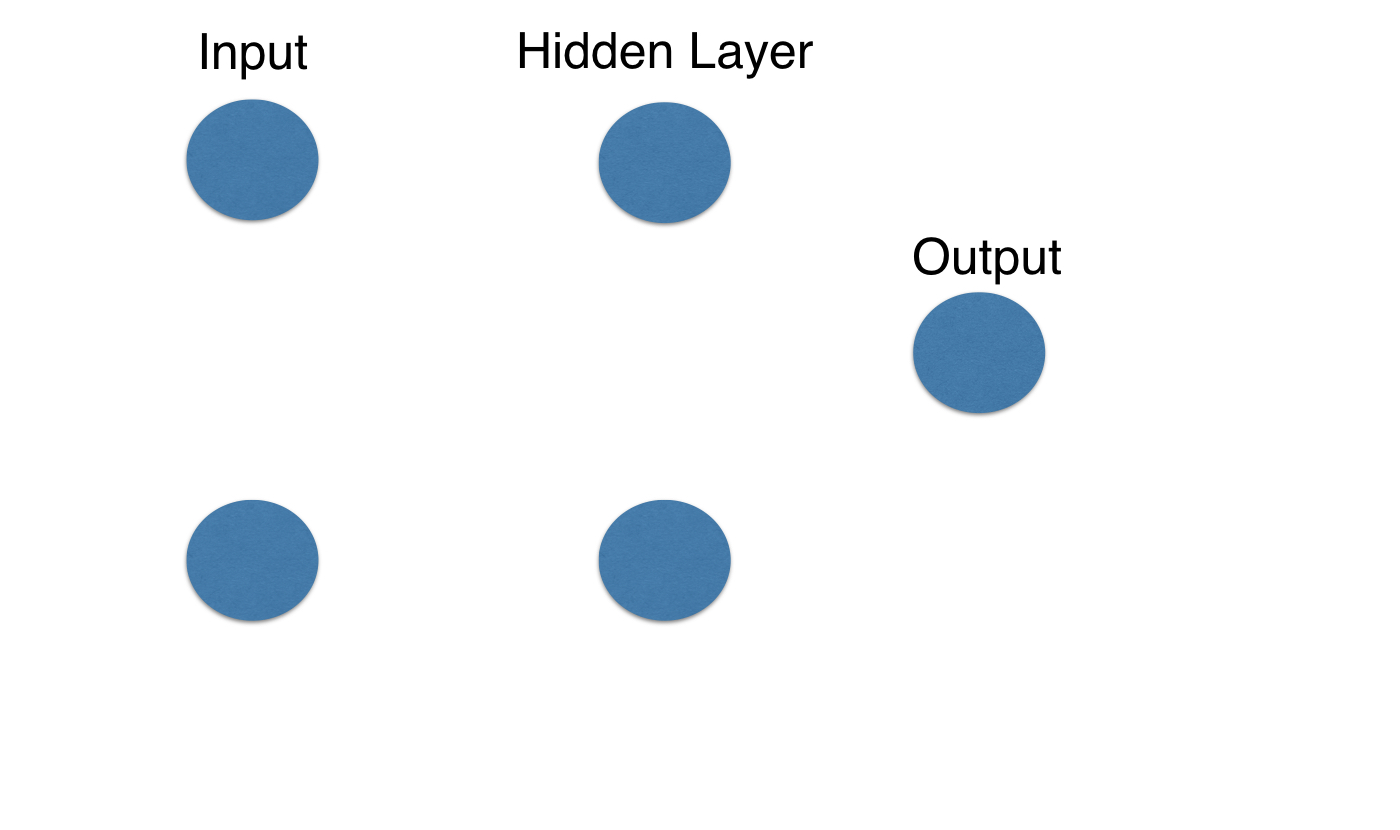
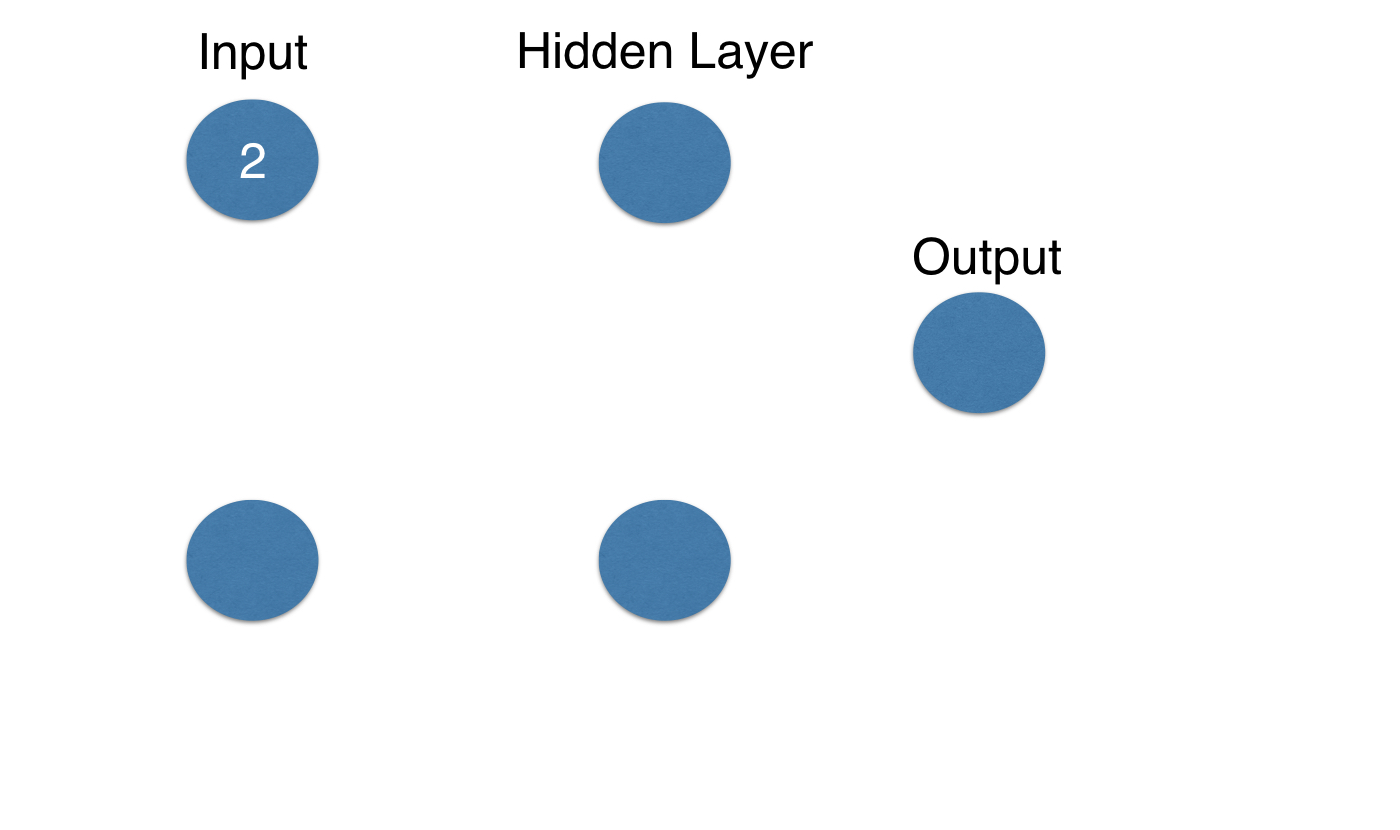
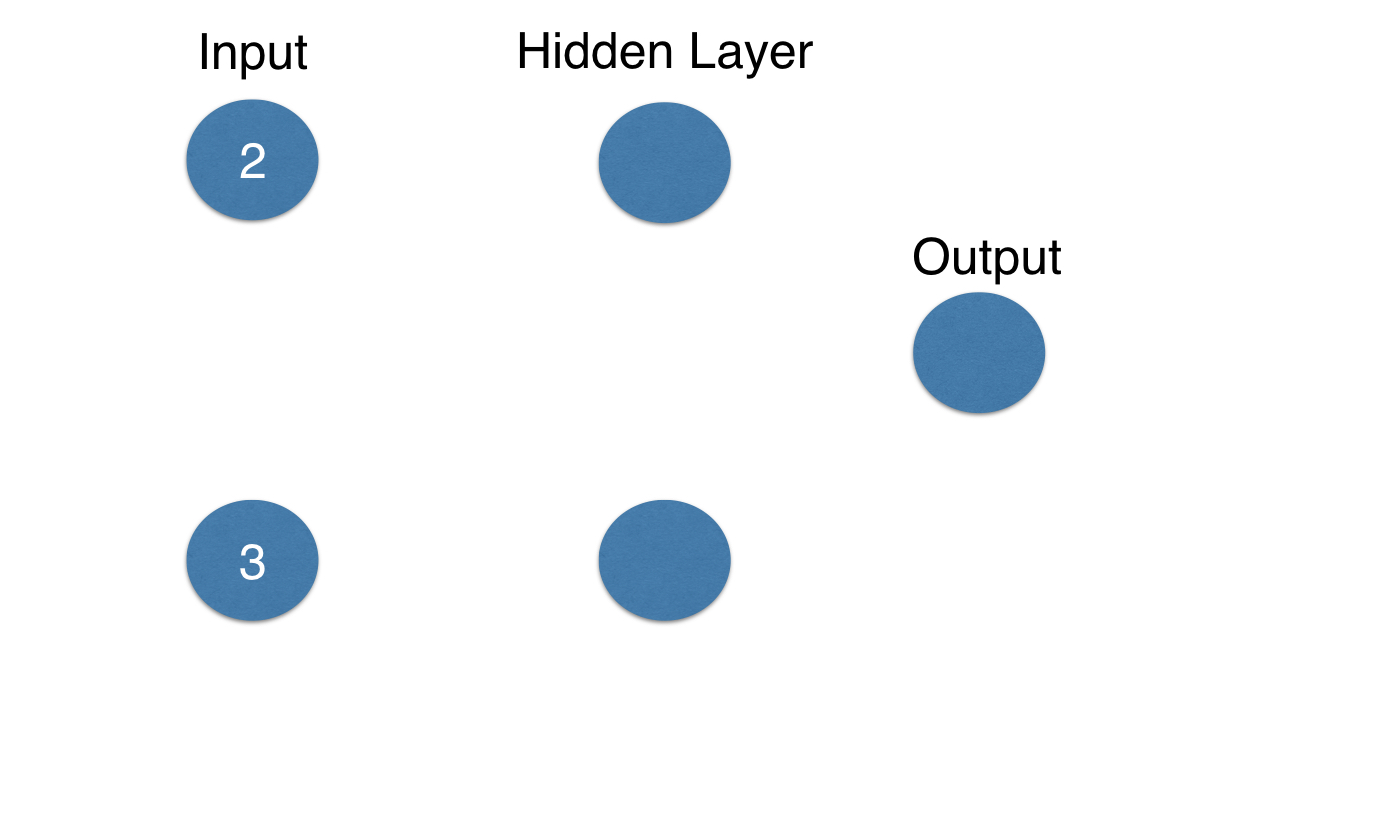
  • Faites des prévisions en vous basant sur :
    • Nombre d'enfants
    • Nombre de comptes existants
Introduction au Deep Learning en Python

Propagation vers l'avant

ch1_2.007.png

Introduction au Deep Learning en Python

Propagation vers l'avant

ch1_2.008.png

Introduction au Deep Learning en Python

Propagation vers l'avant

ch1_2.009.png

Introduction au Deep Learning en Python

Propagation vers l'avant

ch1_2.010.png

Introduction au Deep Learning en Python

Propagation vers l'avant

ch1_2.011.png

Introduction au Deep Learning en Python

Propagation vers l'avant

ch1_2.012.png

Introduction au Deep Learning en Python

Propagation vers l'avant

ch1_2.013.png

Introduction au Deep Learning en Python

Propagation vers l'avant

ch1_2.014.png

Introduction au Deep Learning en Python

Propagation vers l'avant

ch1_2.015.png

Introduction au Deep Learning en Python

Propagation vers l'avant

ch1_2.016.png

Introduction au Deep Learning en Python

Propagation vers l'avant

ch1_2.017.png

Introduction au Deep Learning en Python

Propagation vers l'avant

ch1_2.018.png

Introduction au Deep Learning en Python

Propagation vers l'avant

ch1_2.019.png

Introduction au Deep Learning en Python

Propagation vers l'avant

ch1_2.020.png

Introduction au Deep Learning en Python

Propagation vers l'avant

ch1_2.021.png

Introduction au Deep Learning en Python

Propagation vers l'avant

ch1_2.022.png

Introduction au Deep Learning en Python

Propagation vers l'avant

ch1_2.023.png

Introduction au Deep Learning en Python

Propagation vers l'avant

ch1_2.024.png

Introduction au Deep Learning en Python

Propagation vers l'avant

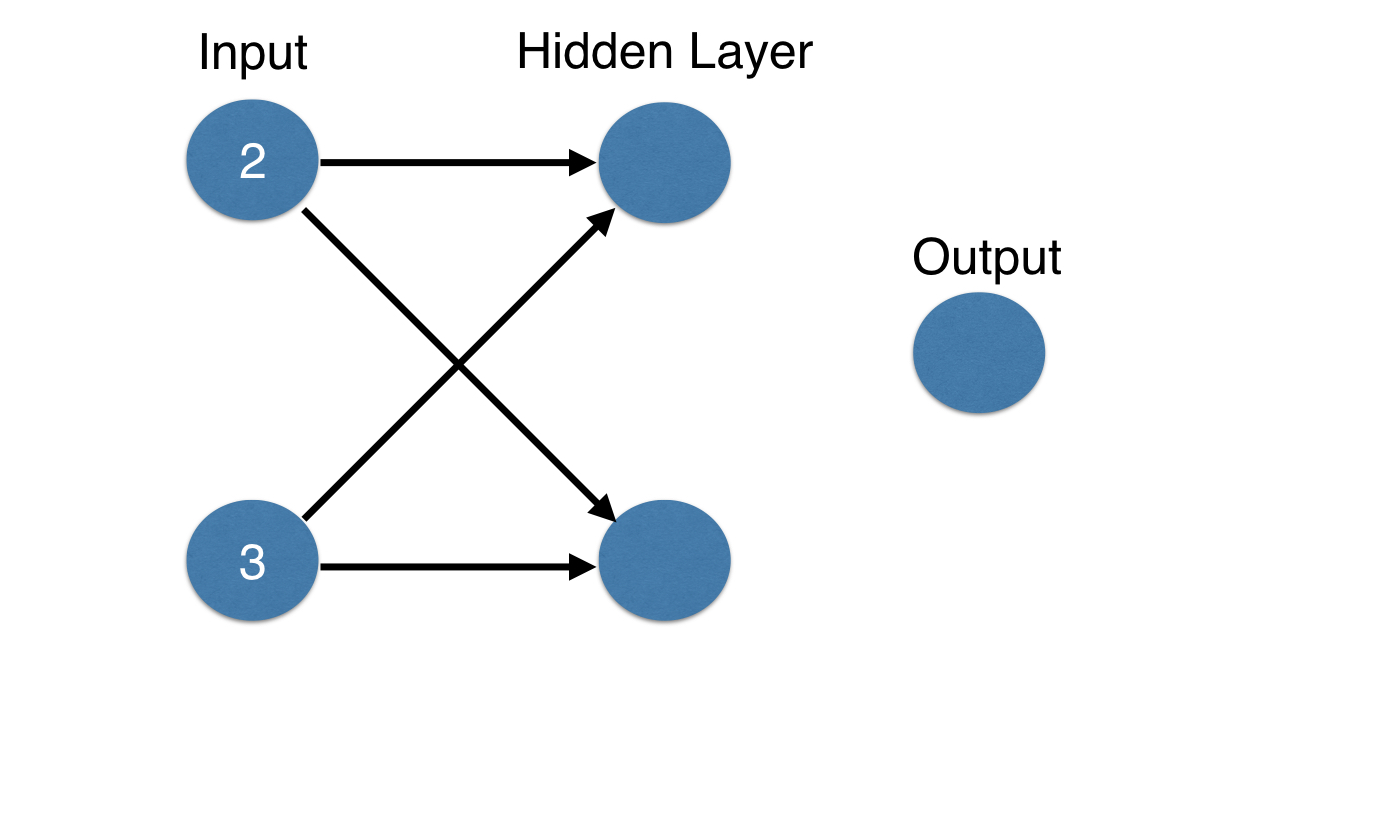
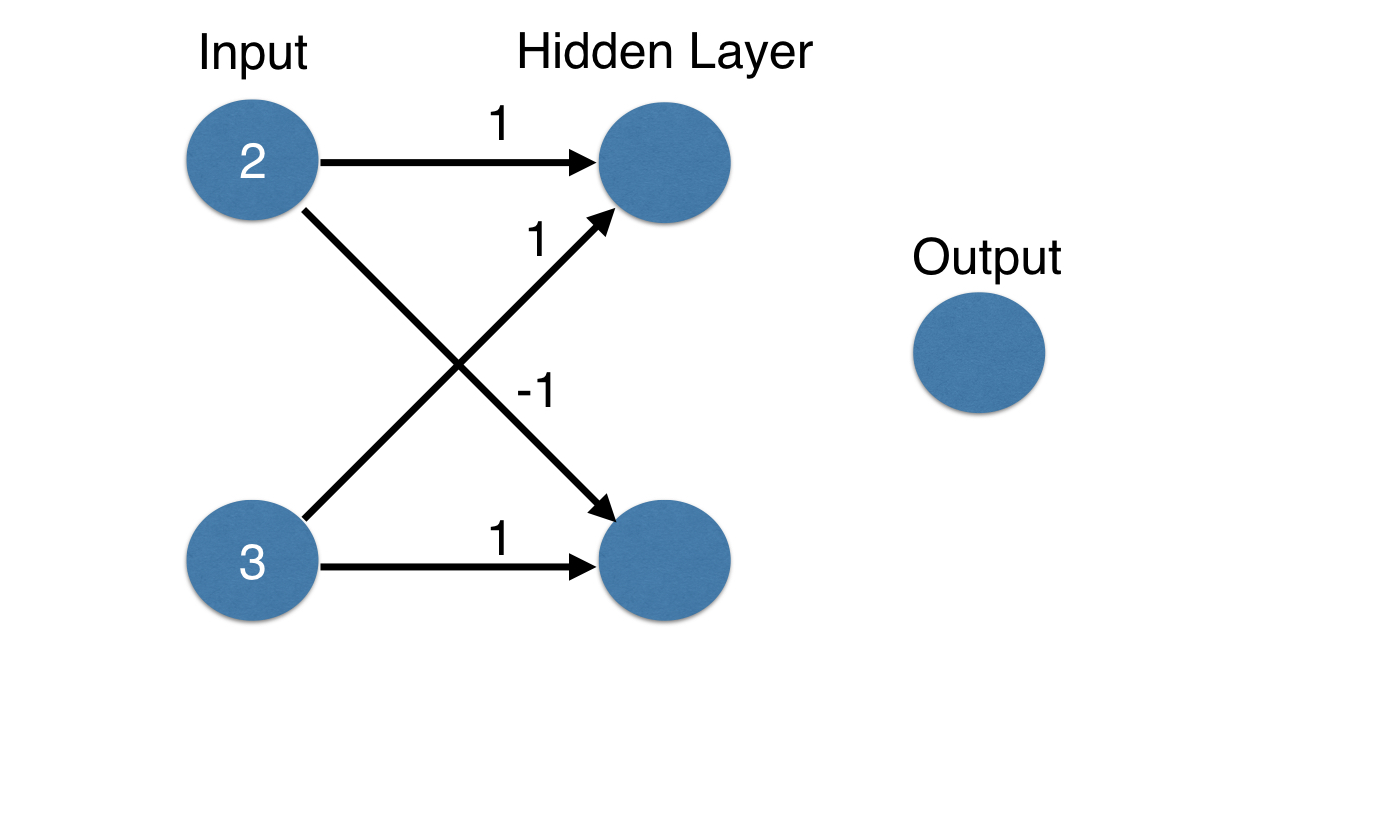
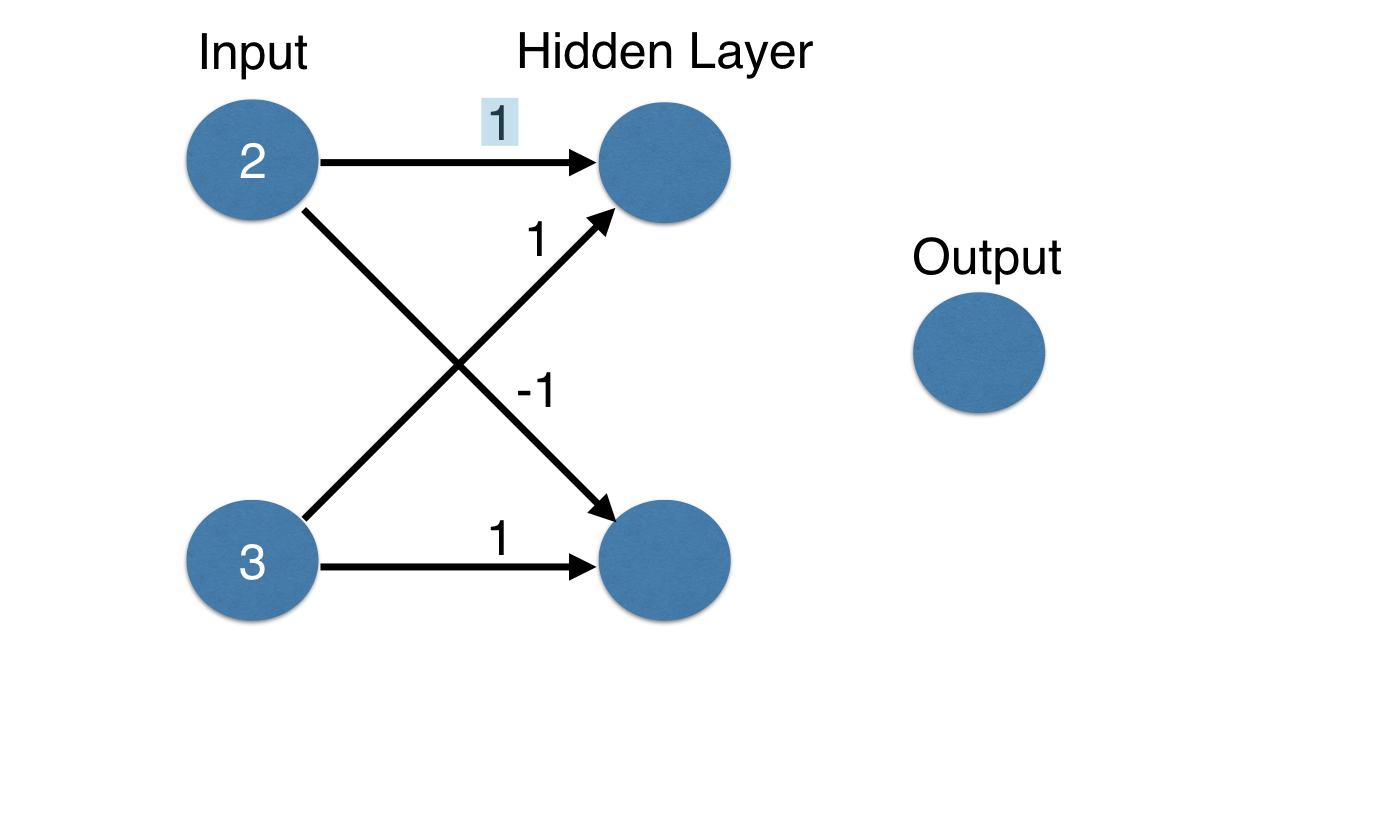
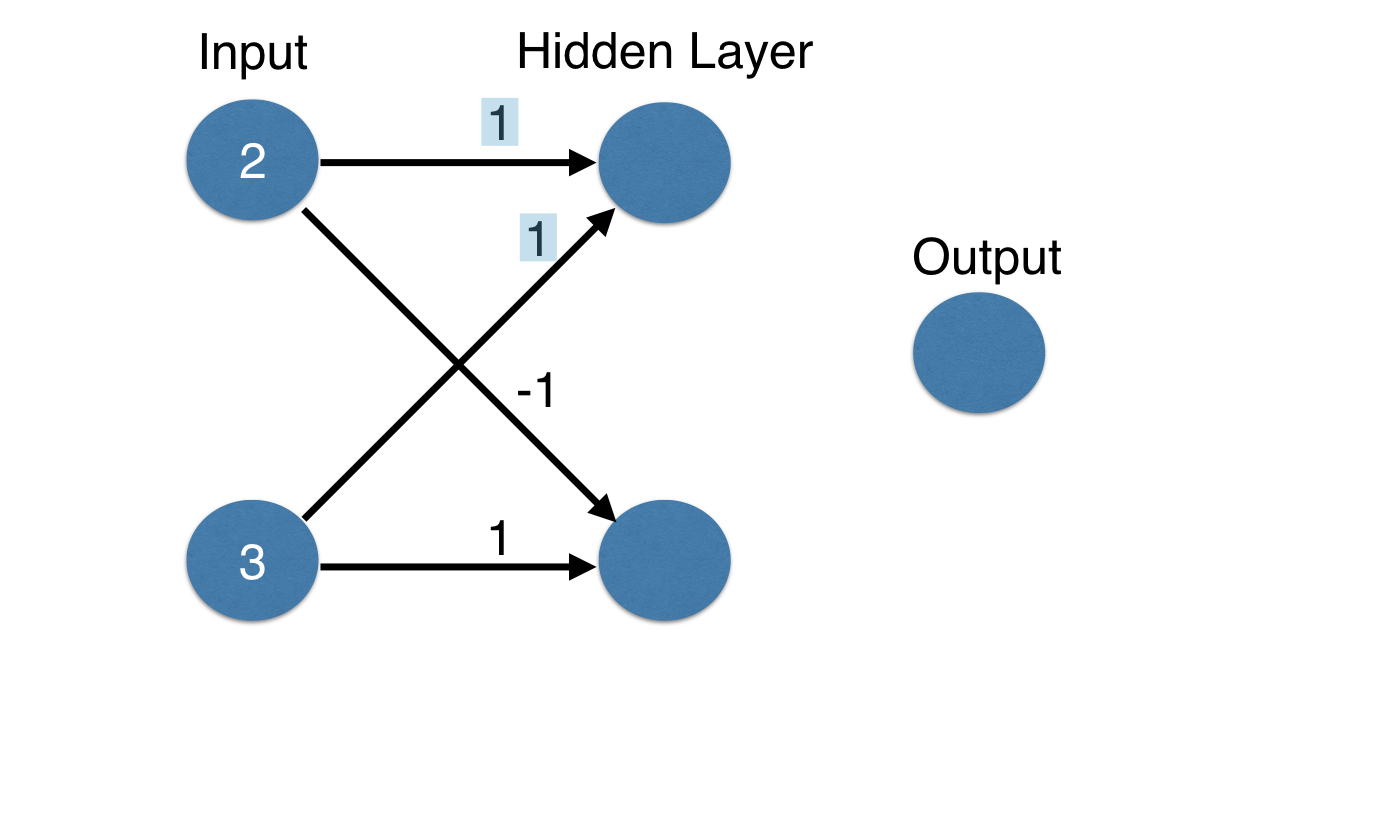
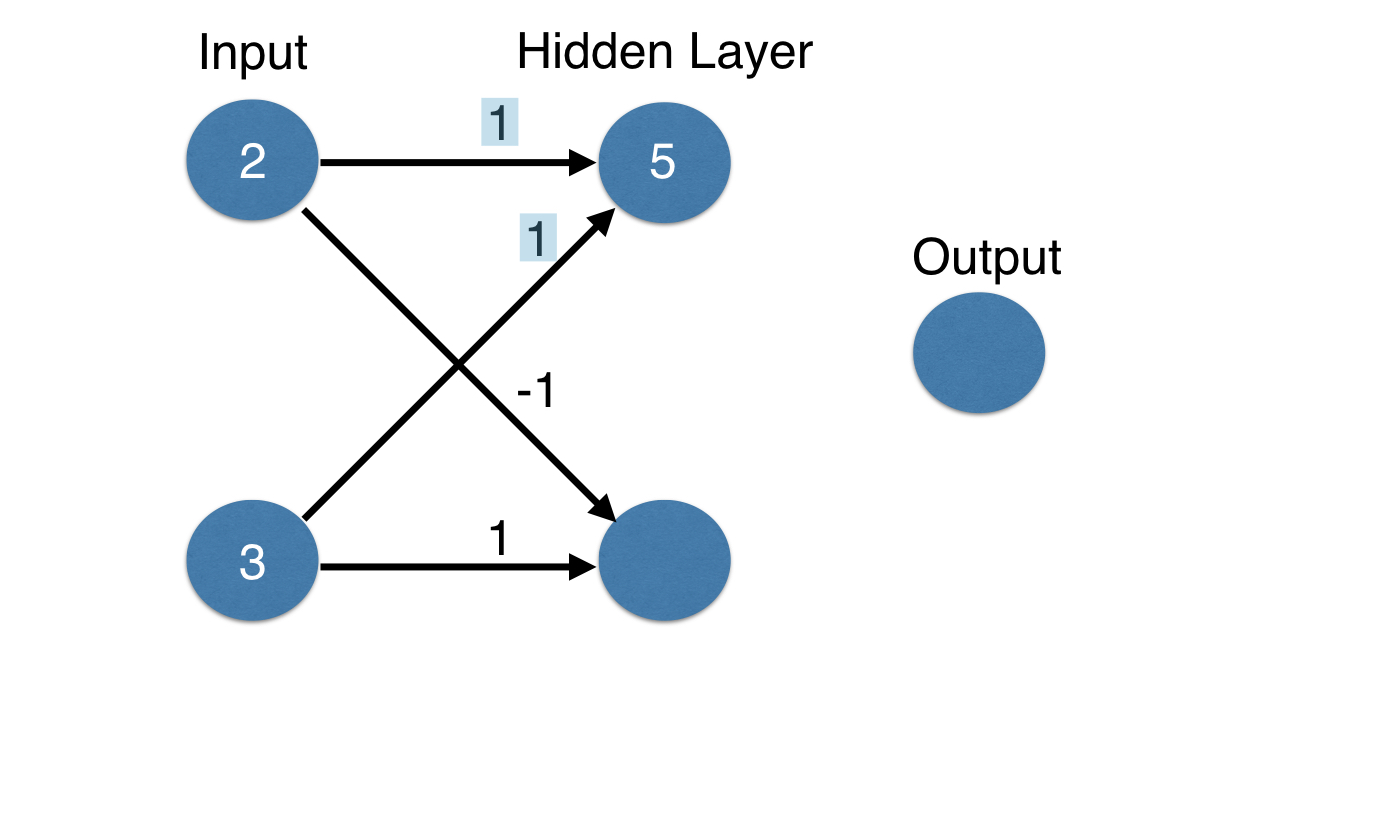
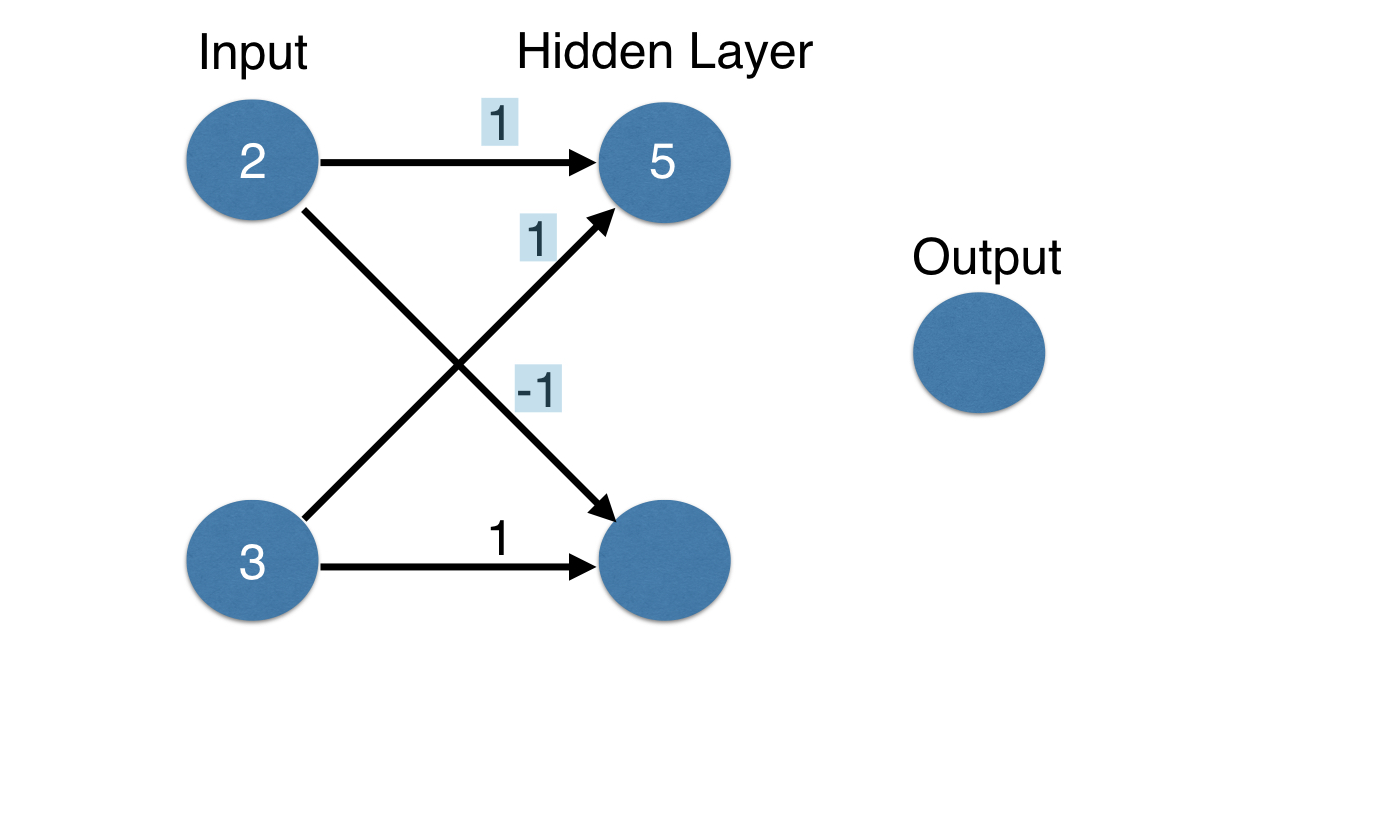
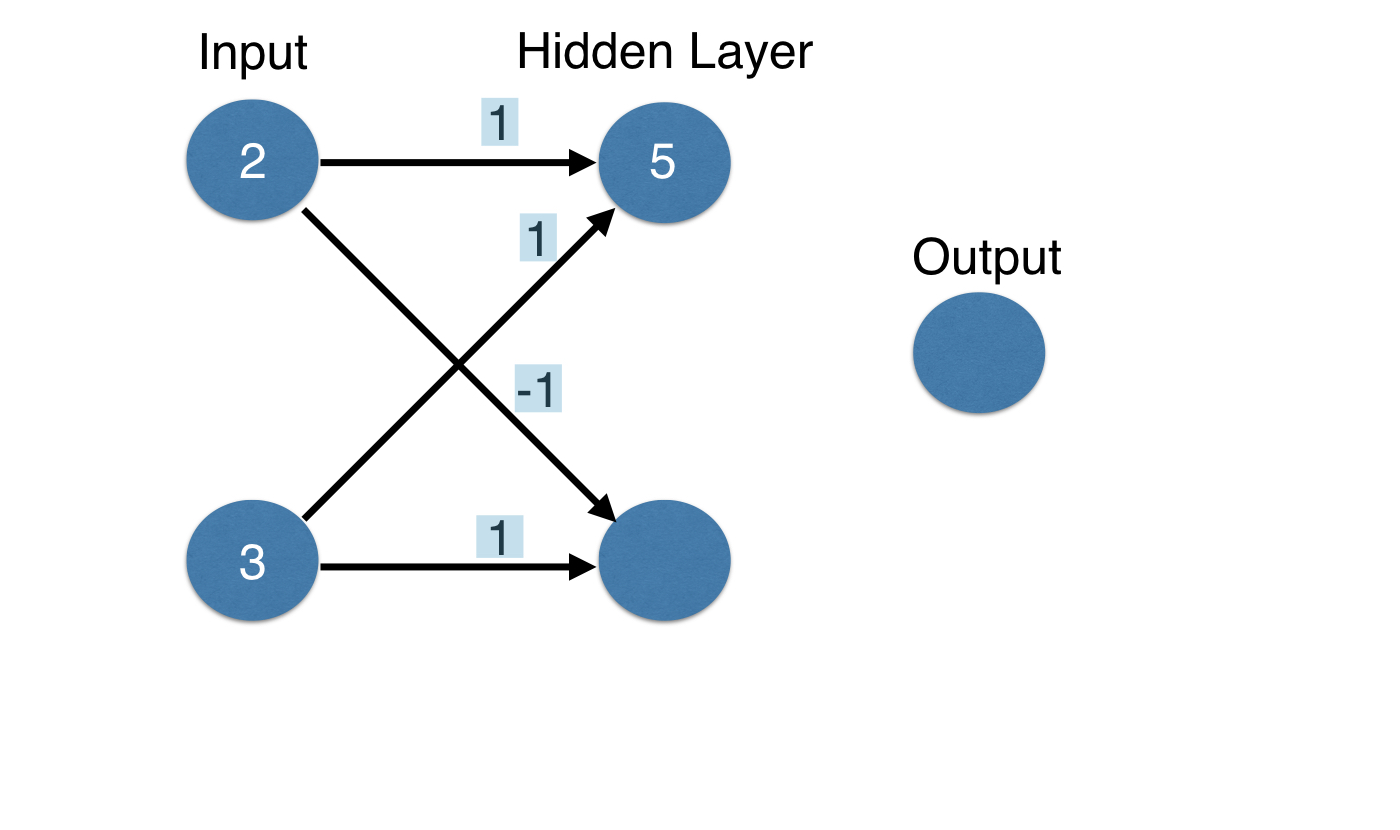
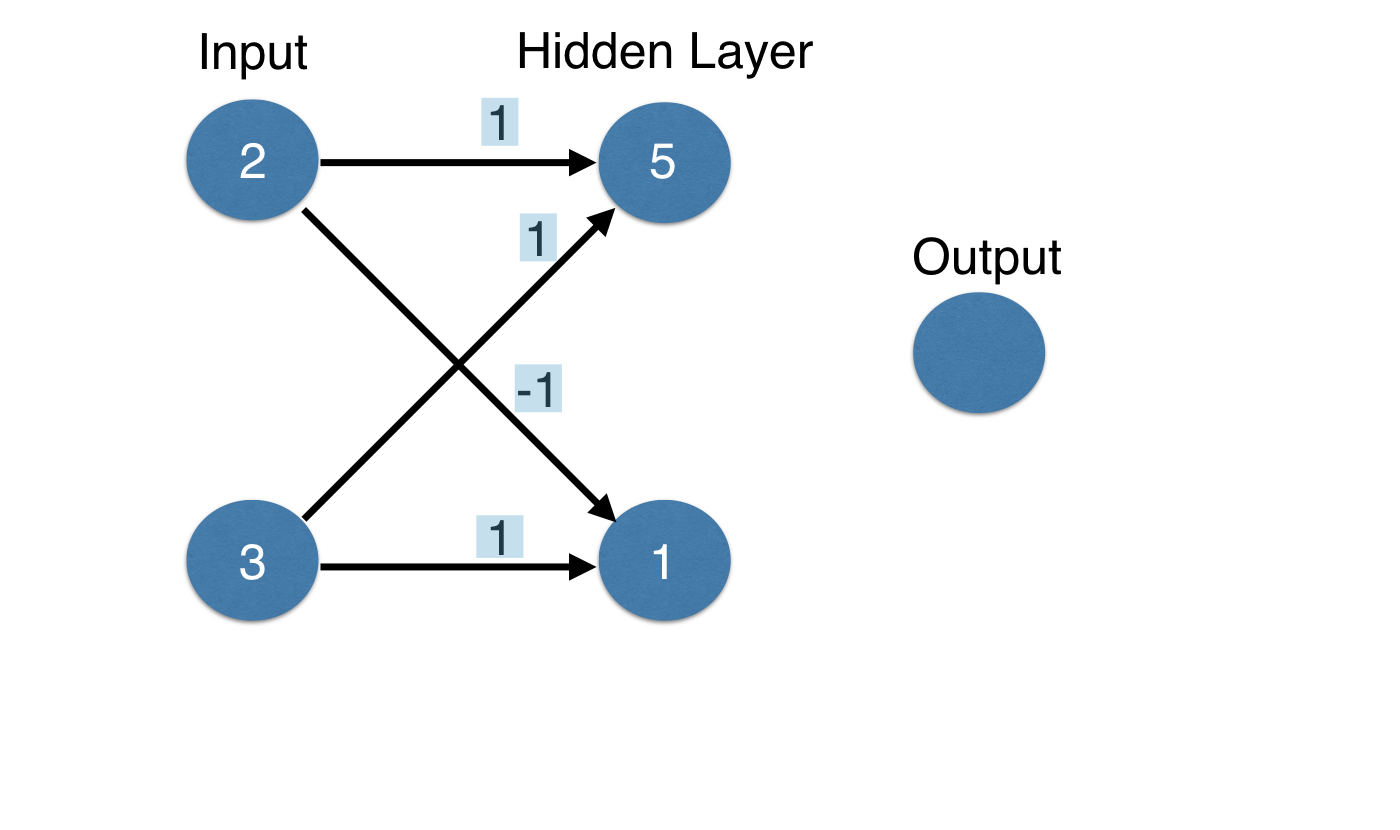
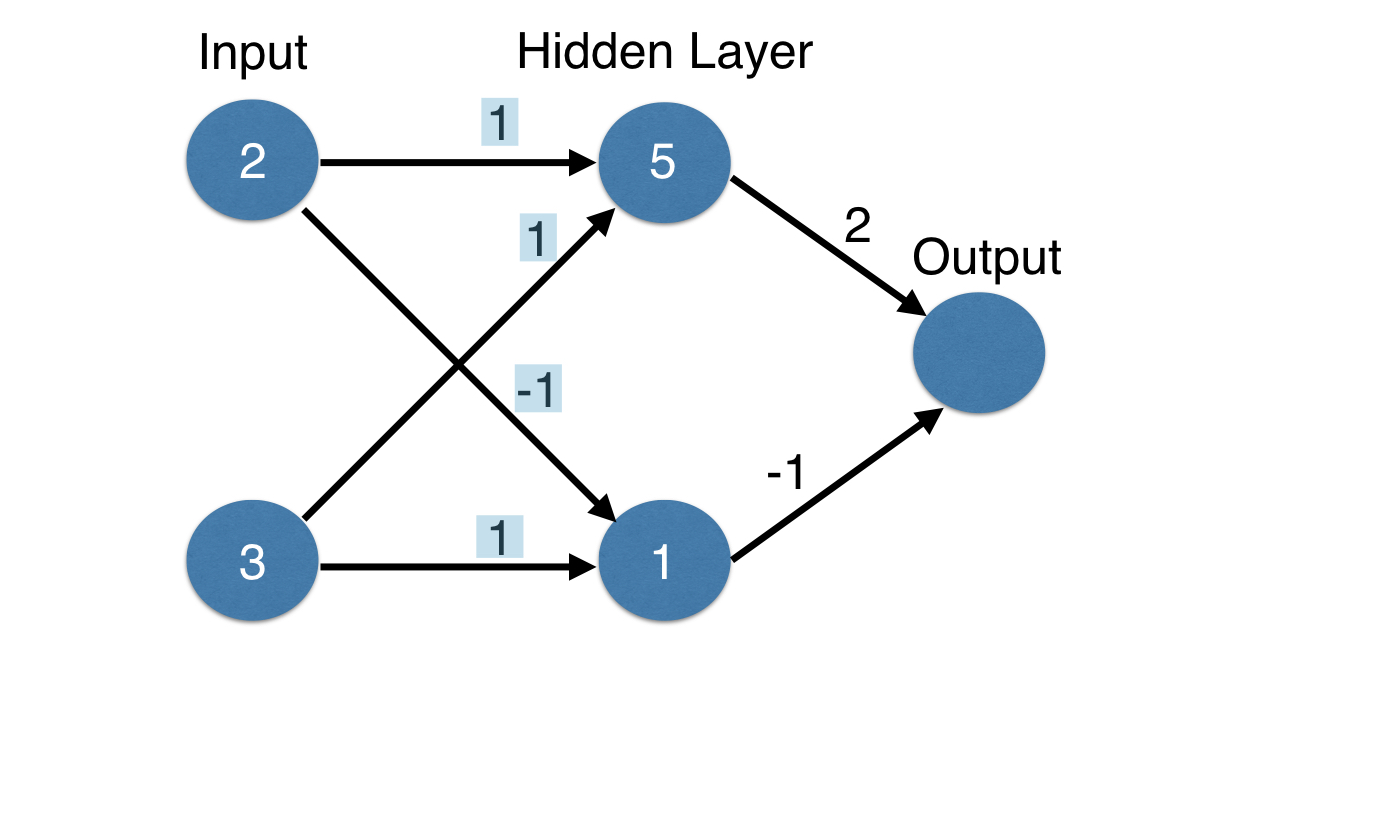
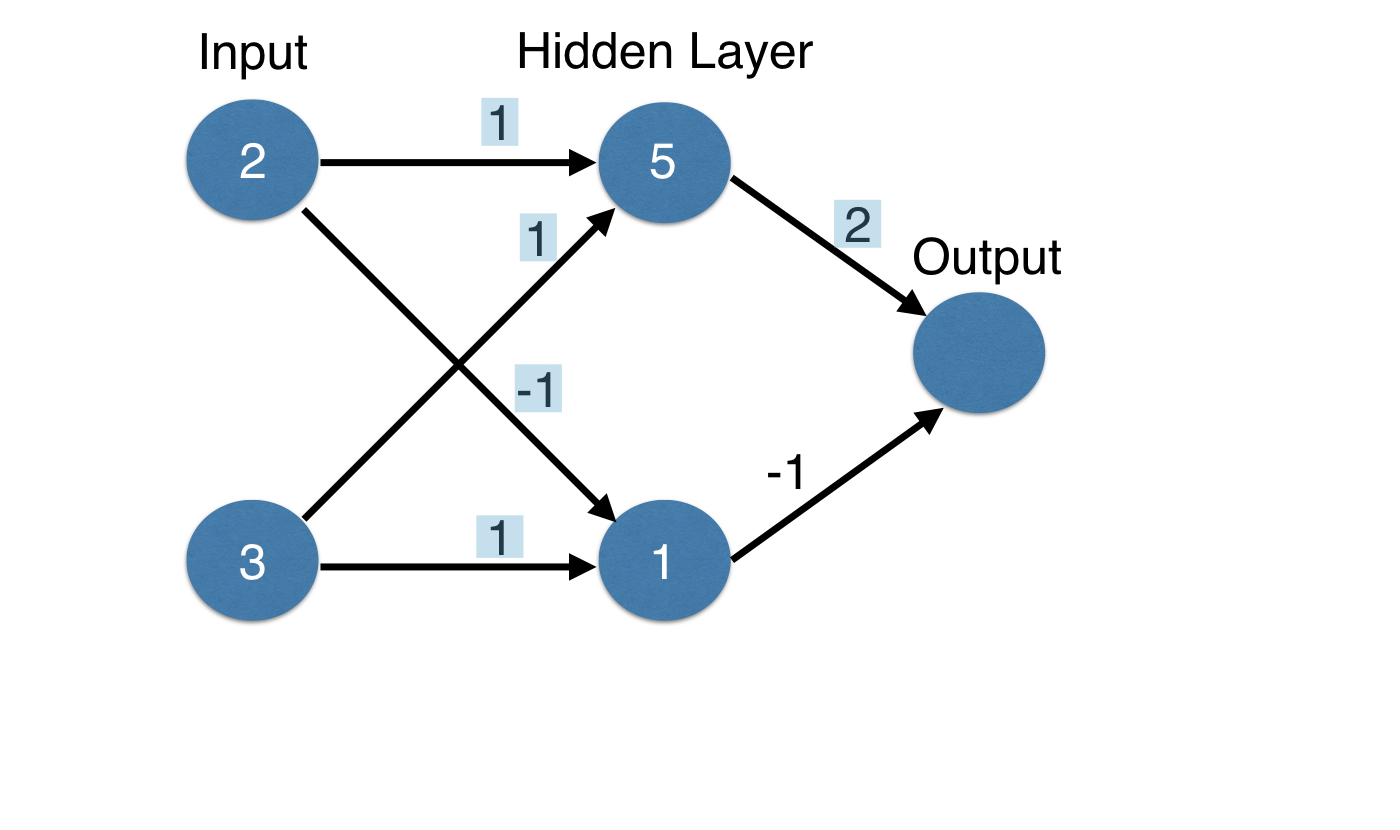
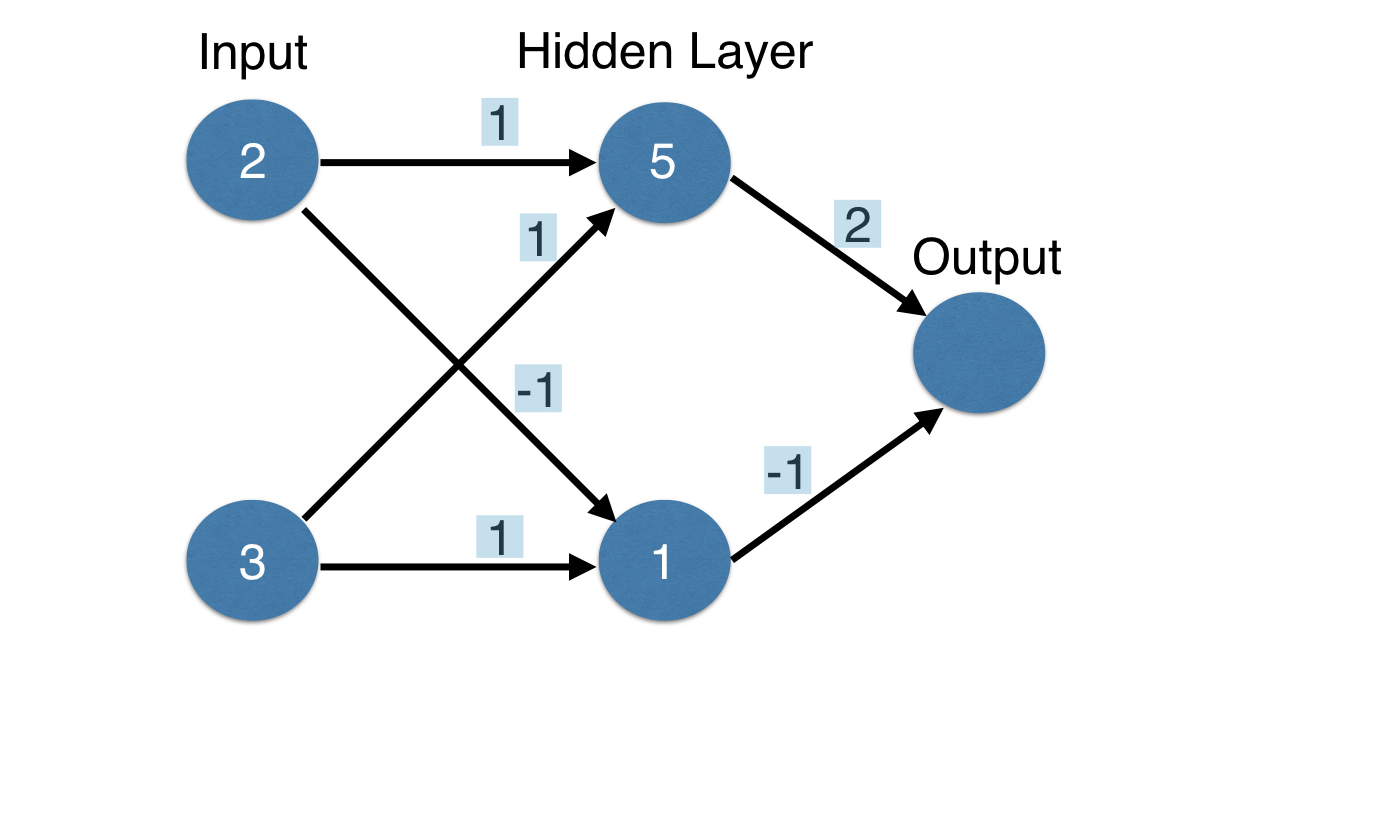
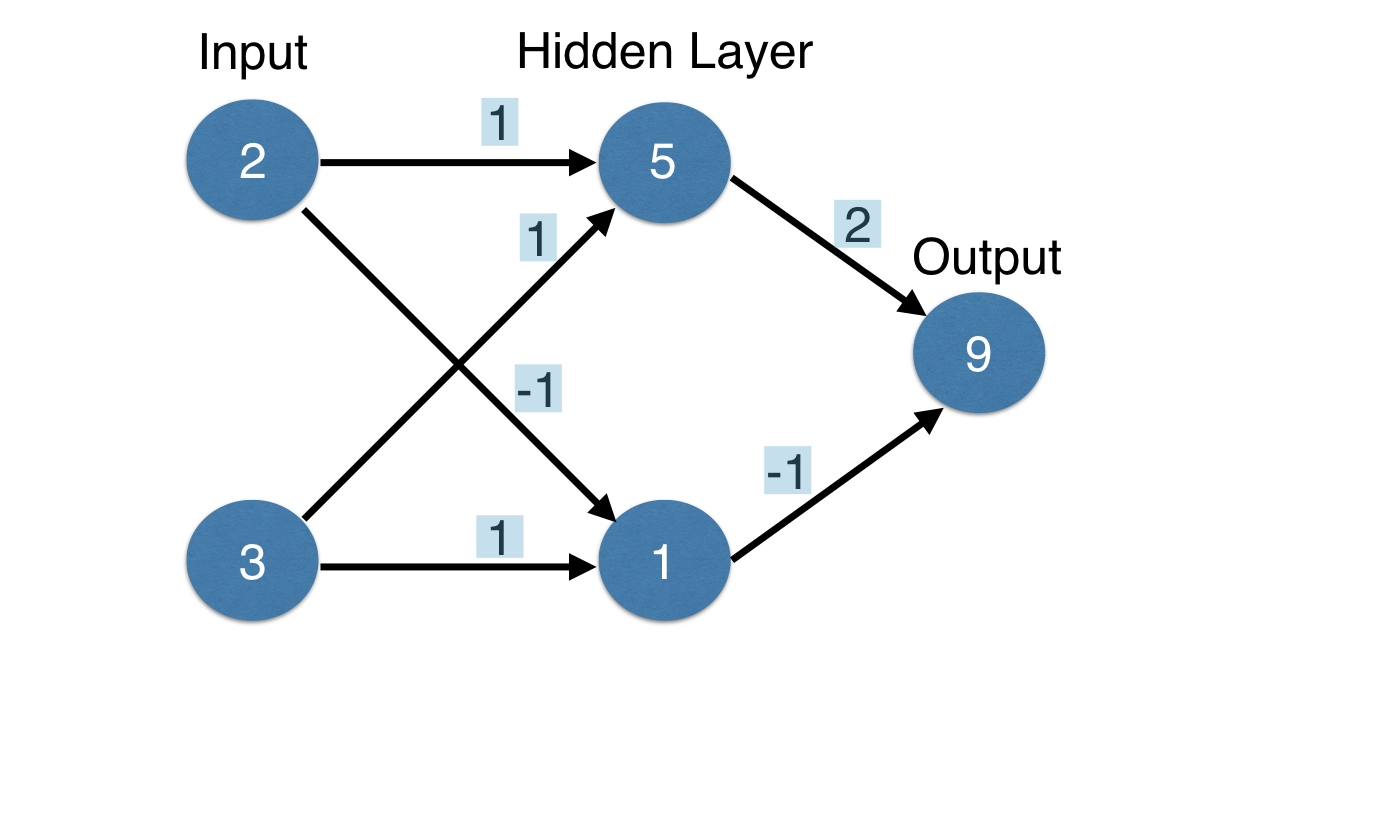
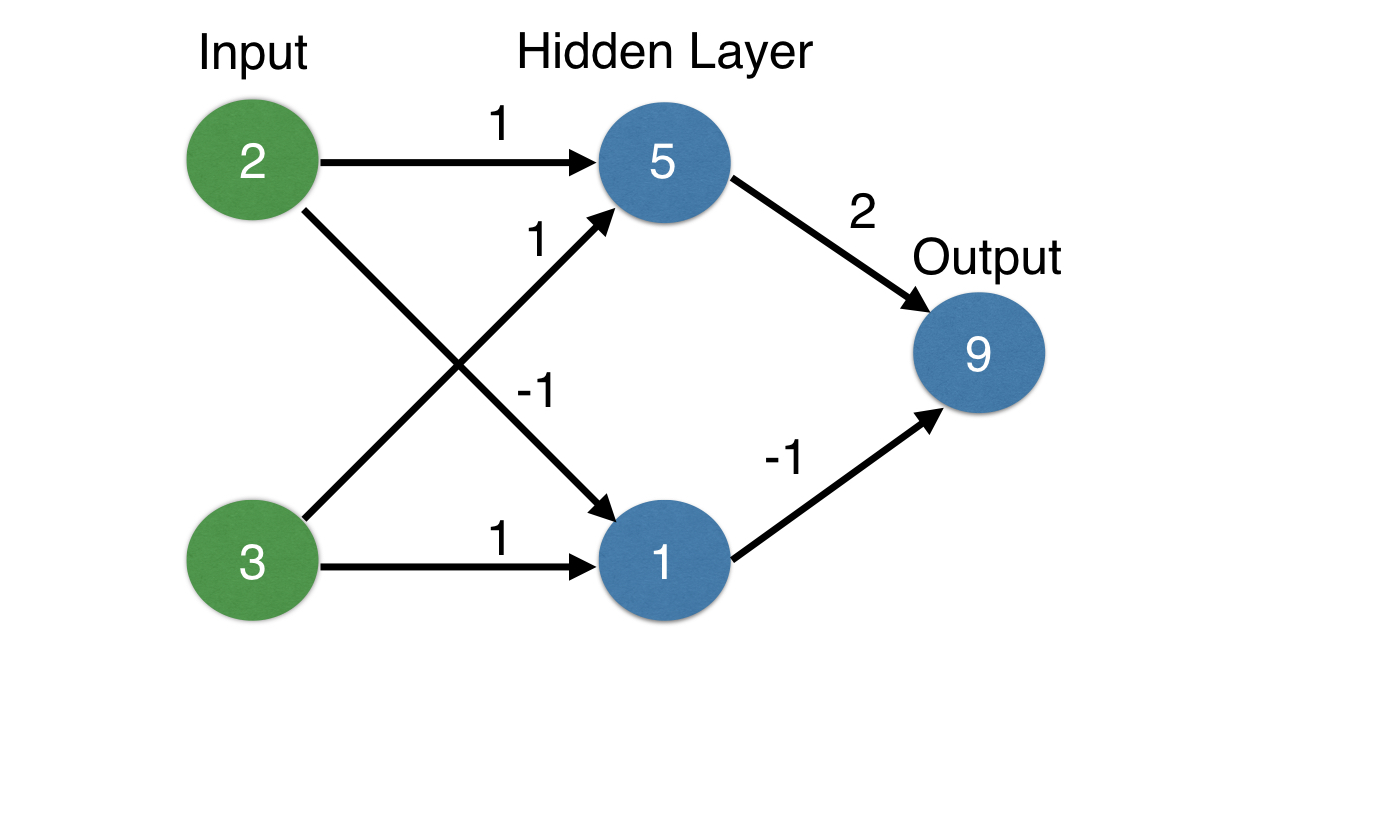
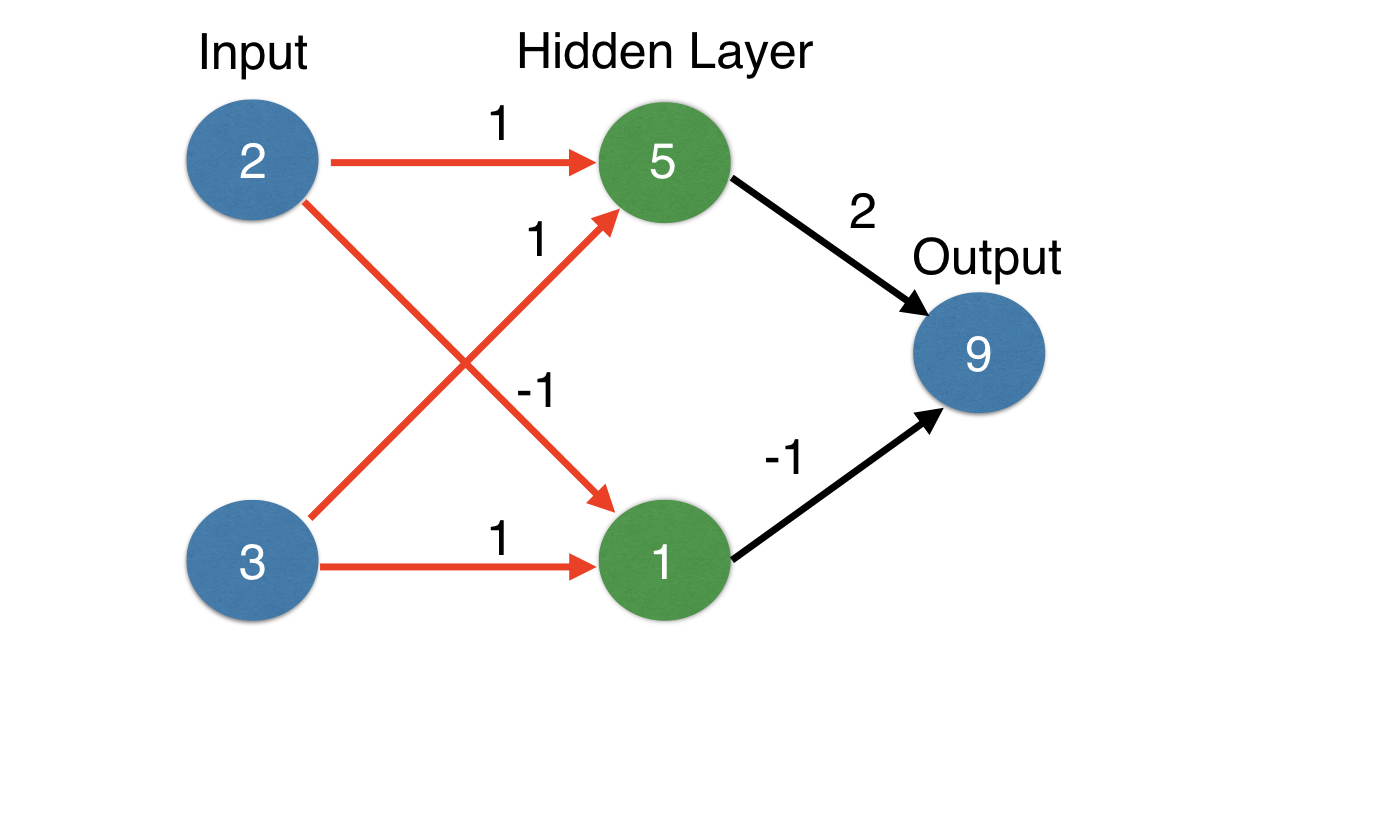
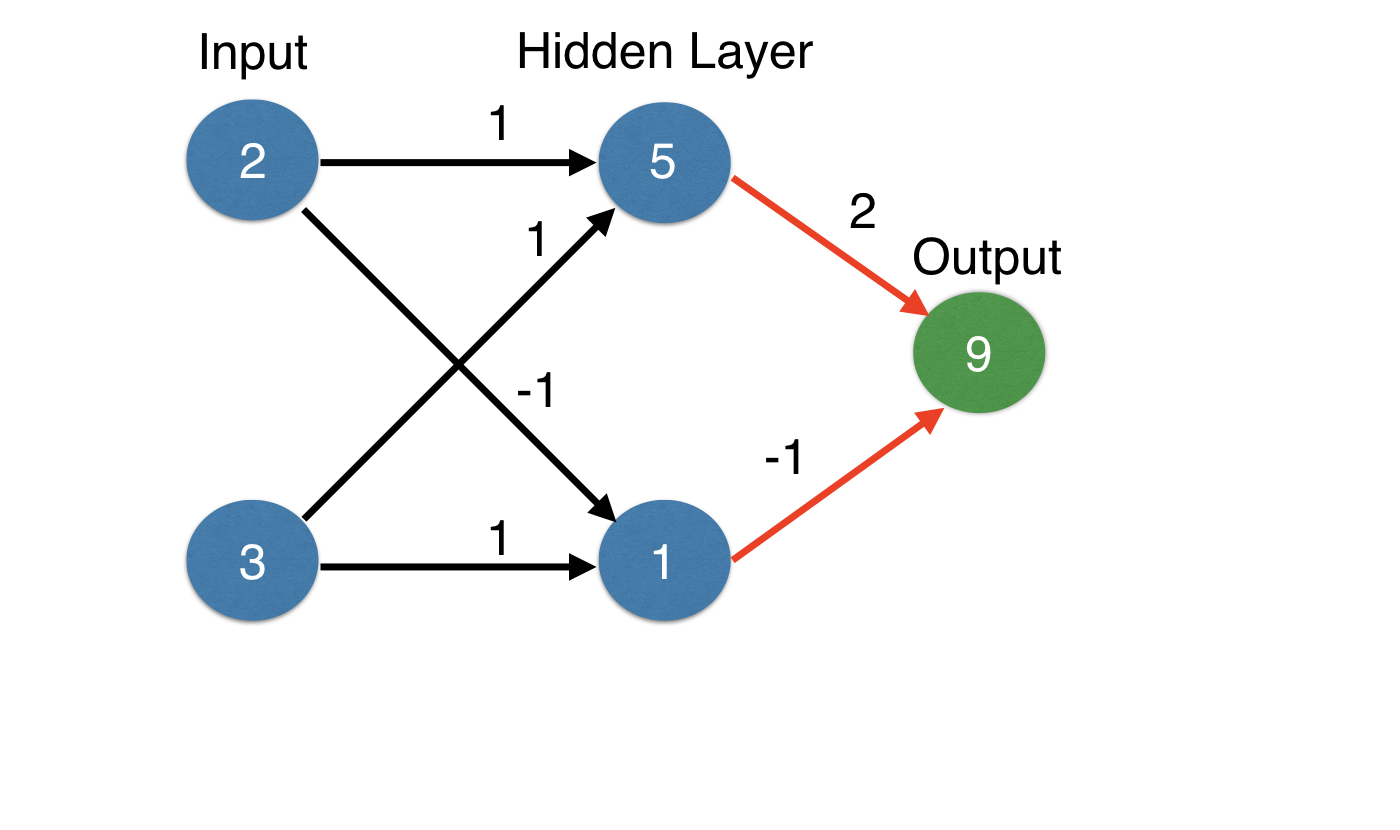
  • Processus de multiplication et d'addition
  • Produit scalaire
  • Propagation vers l'avant pour un point de données à la fois
  • La sortie correspond à la prédiction pour ce point de données
Introduction au Deep Learning en Python

Code de propagation vers l'avant

import numpy as np
input_data = np.array([2, 3])
weights = {'node_0': np.array([1, 1]),
           'node_1': np.array([-1, 1]),
           'output': np.array([2, -1])}
node_0_value = (input_data * weights['node_0']).sum()
node_1_value = (input_data * weights['node_1']).sum()
Introduction au Deep Learning en Python

Code de propagation vers l'avant

hidden_layer_values = np.array([node_0_value, node_1_value])

print(hidden_layer_values)
[5, 1]
output = (hidden_layer_values * weights['output']).sum()

print(output)
9
Introduction au Deep Learning en Python

Passons à la pratique !

Introduction au Deep Learning en Python

Preparing Video For Download...