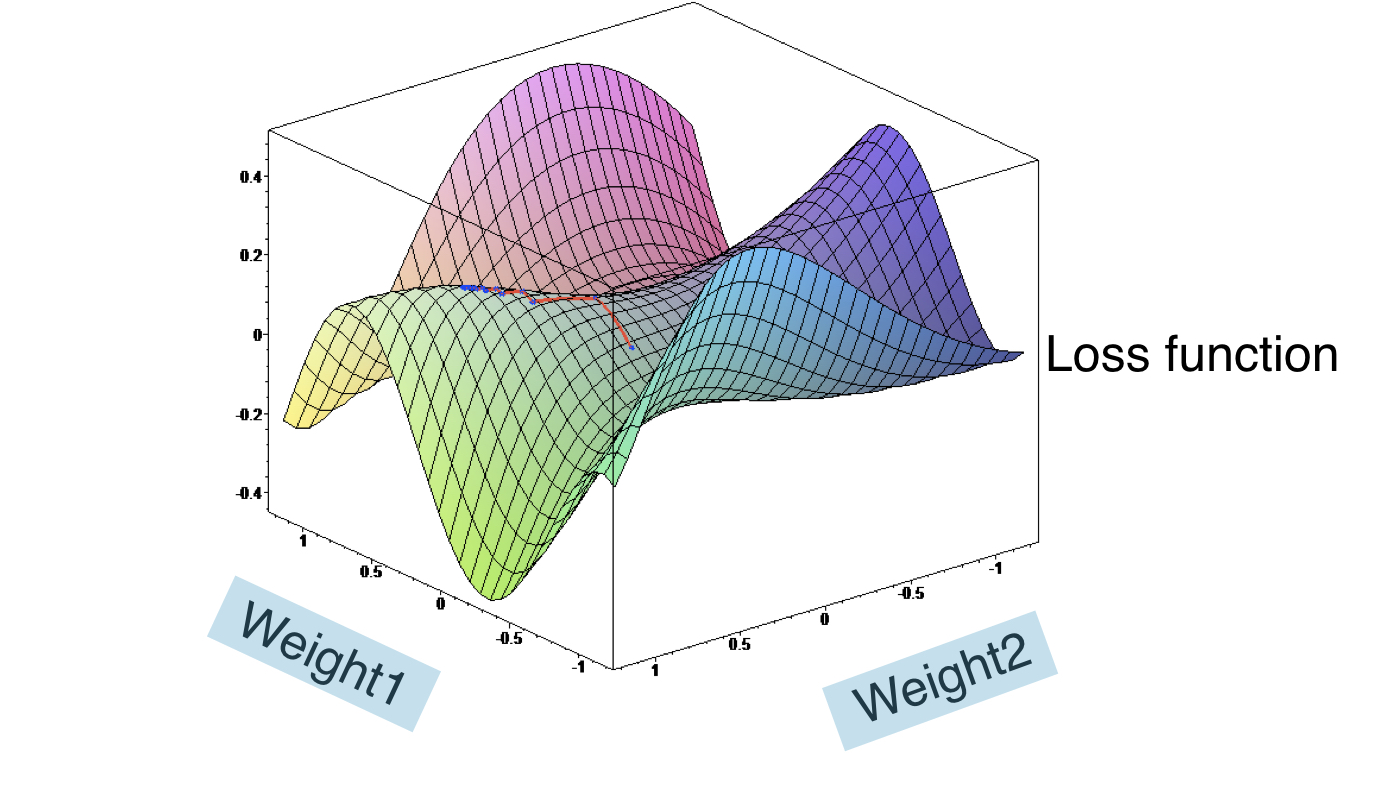
La nécessité d'une optimisation

Introduction au Deep Learning en Python

Dan Becker

Data Scientist and contributor to Keras and TensorFlow libraries

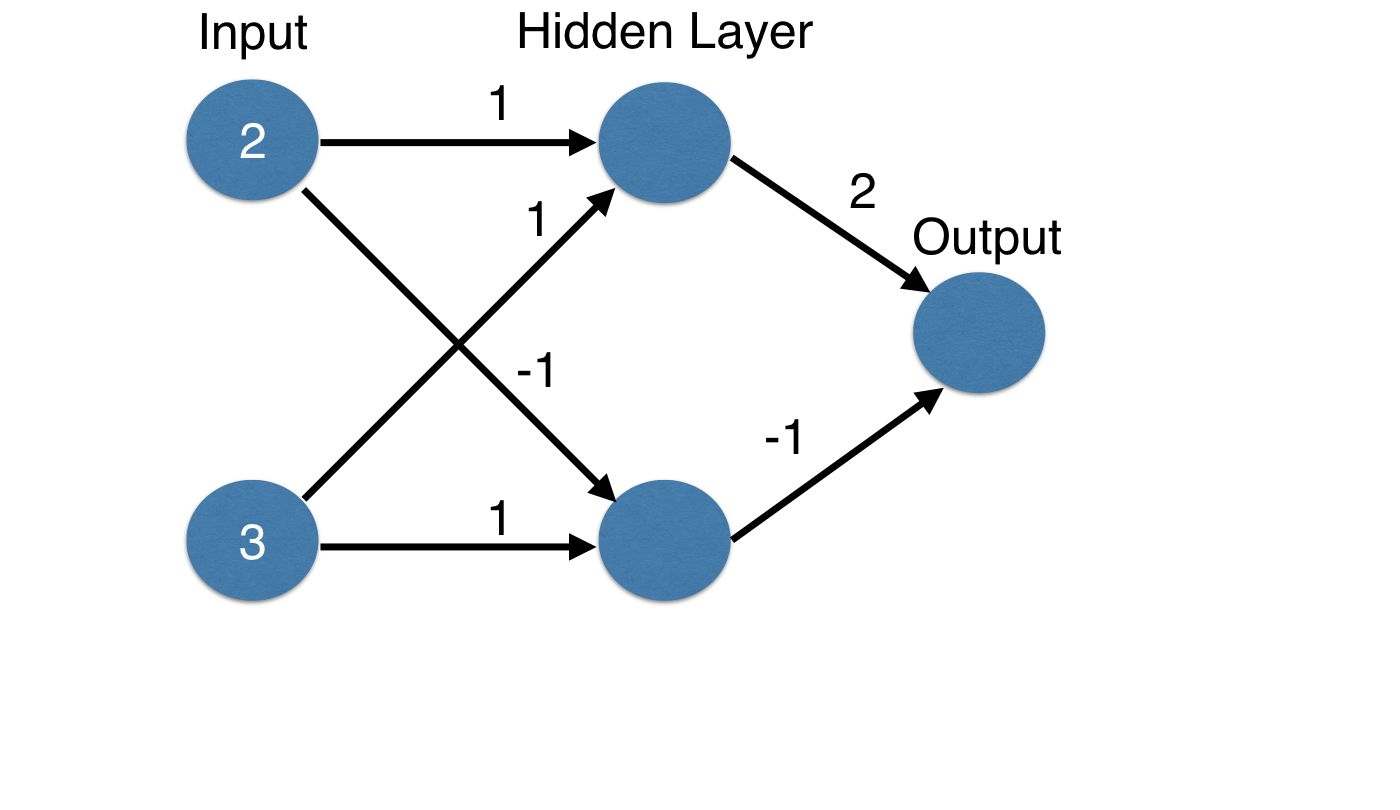
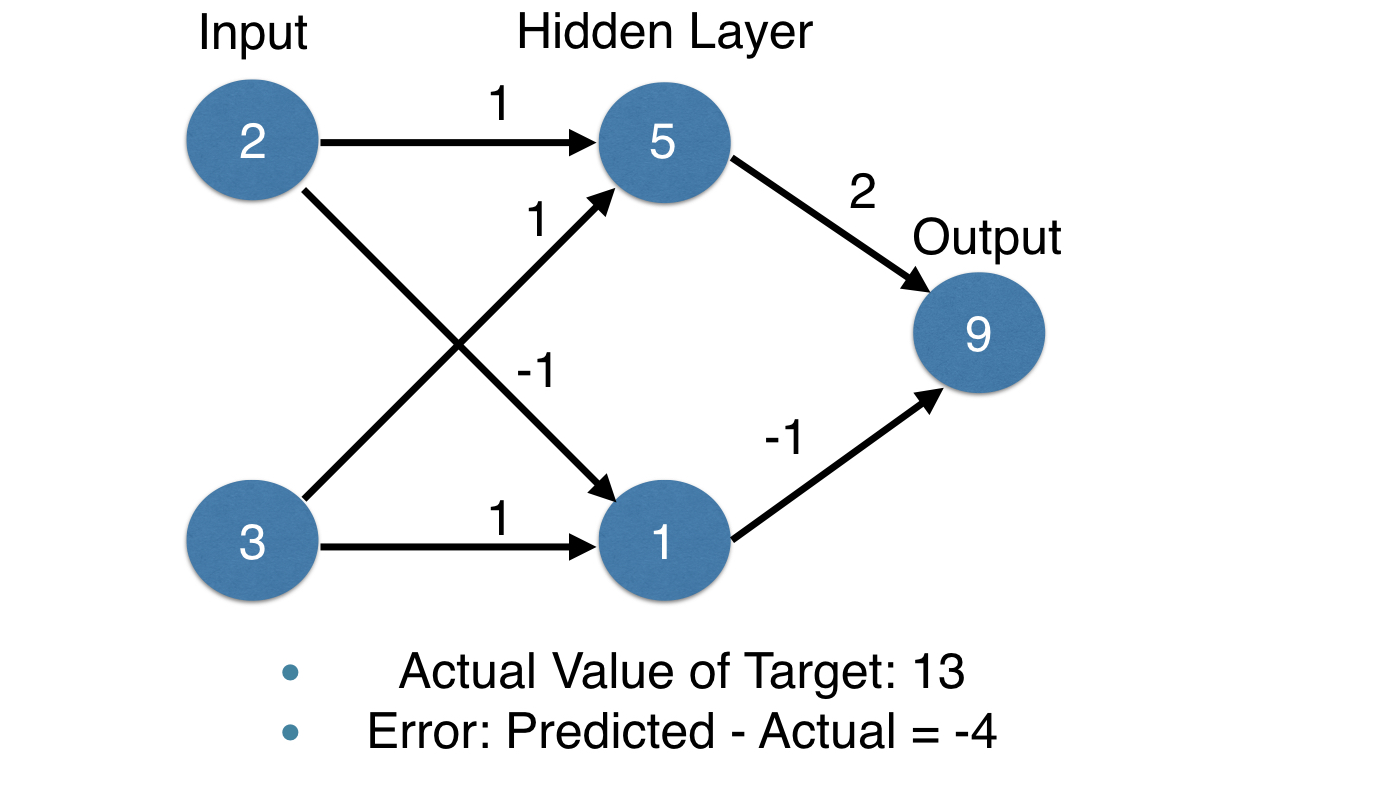
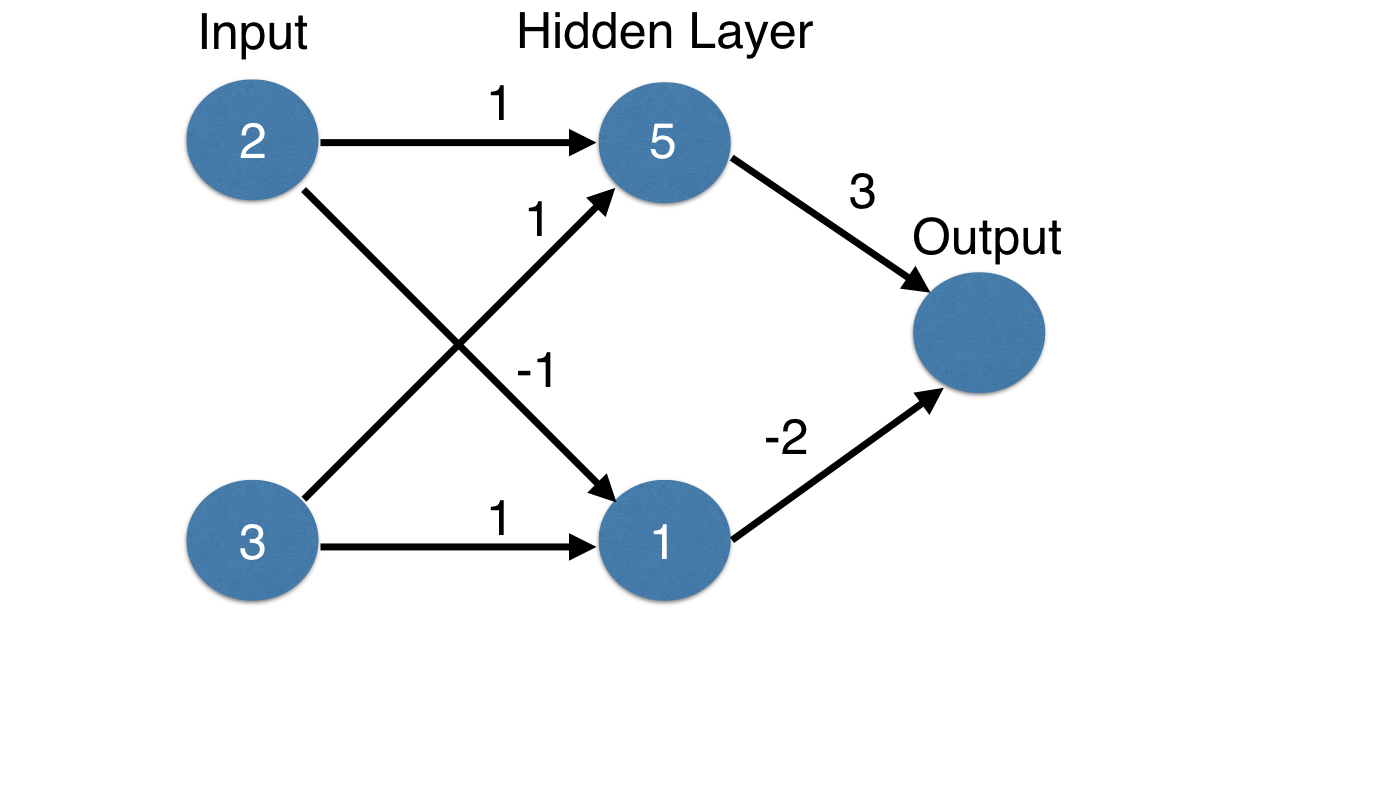
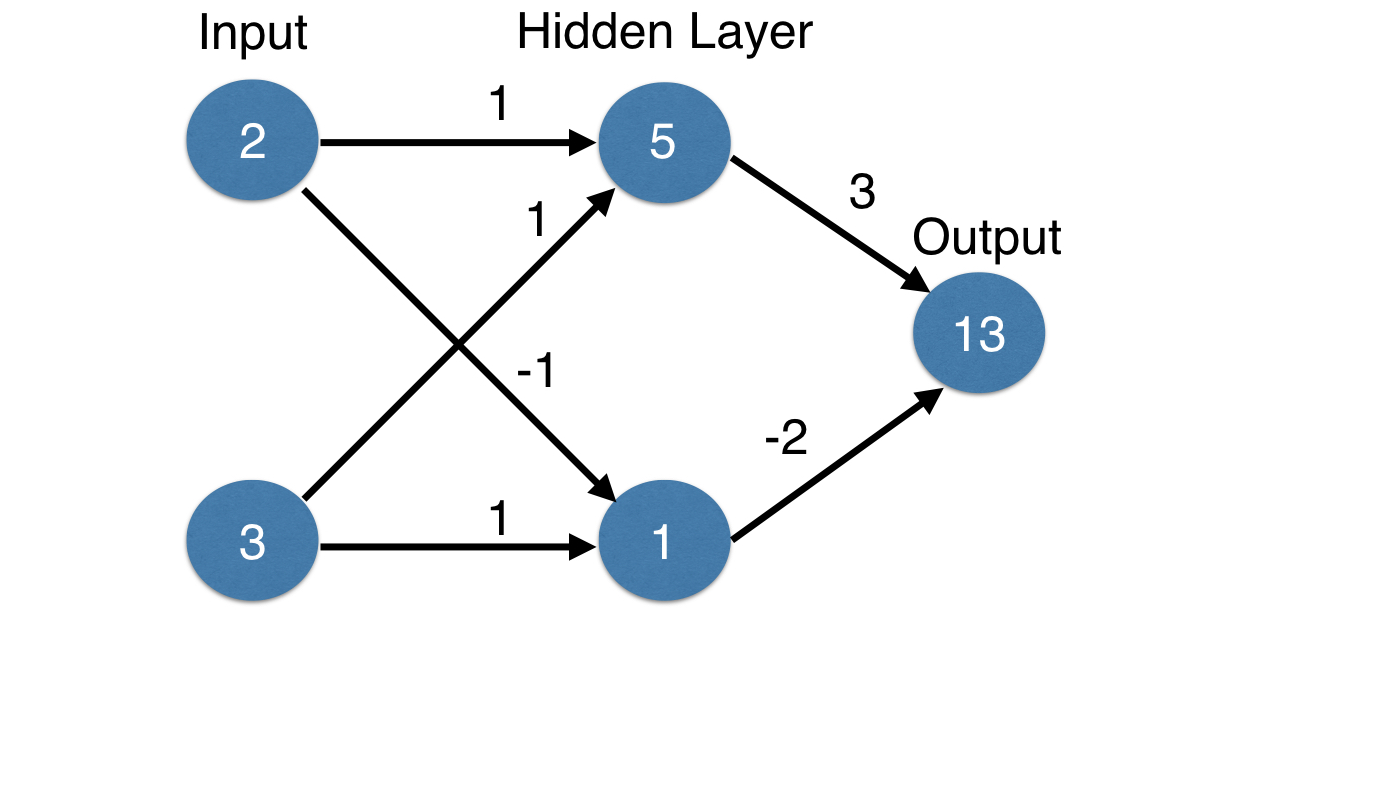
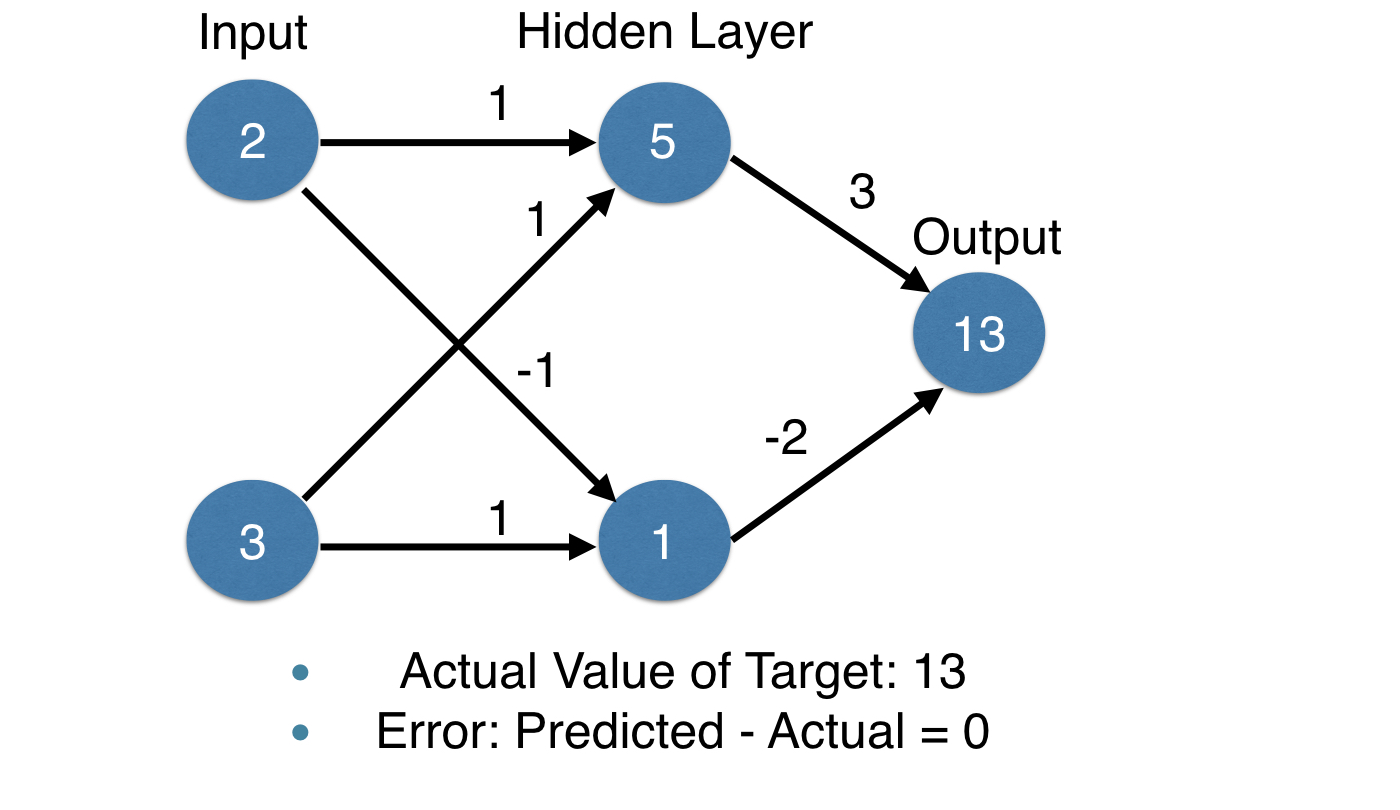
Un réseau neuronal de référence
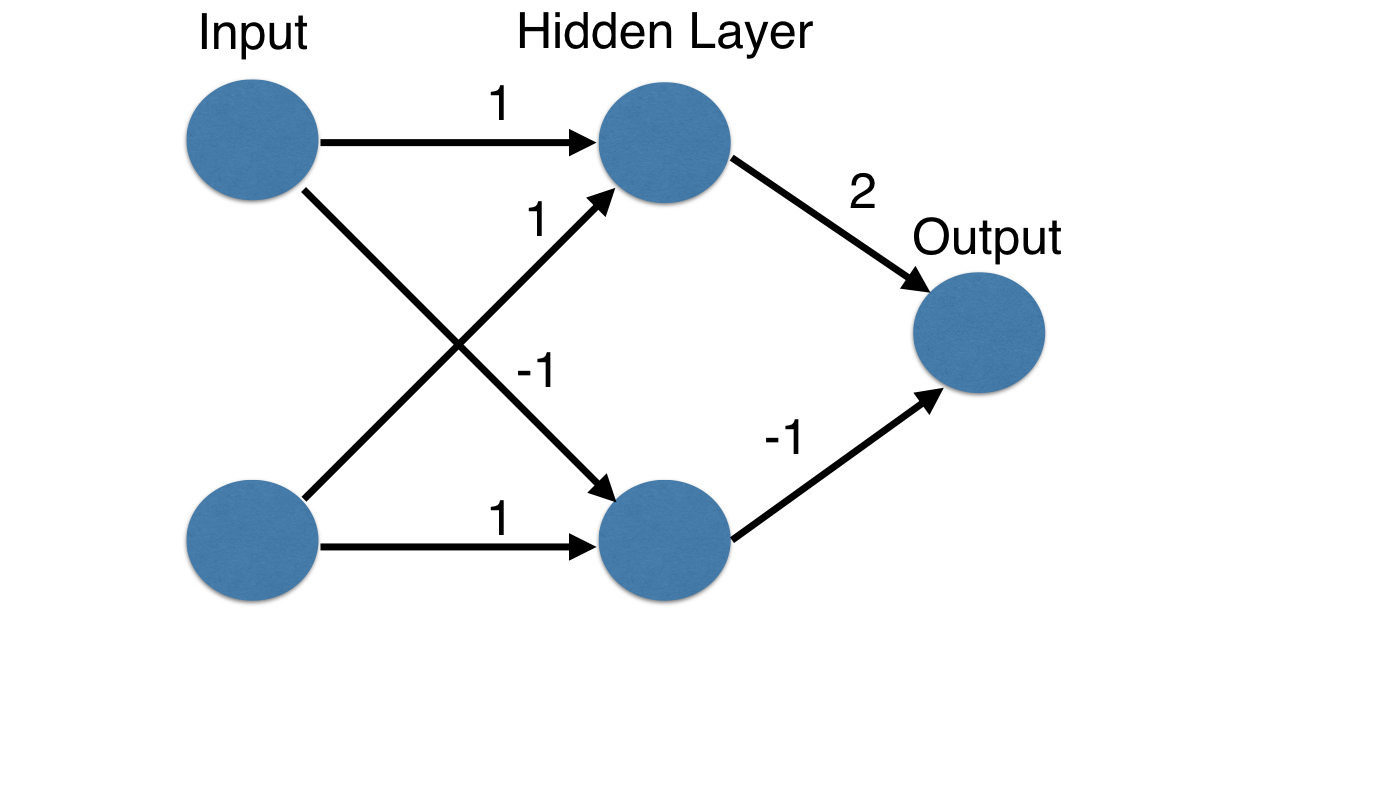
ch2_1_v3.002.png

Introduction au Deep Learning en Python

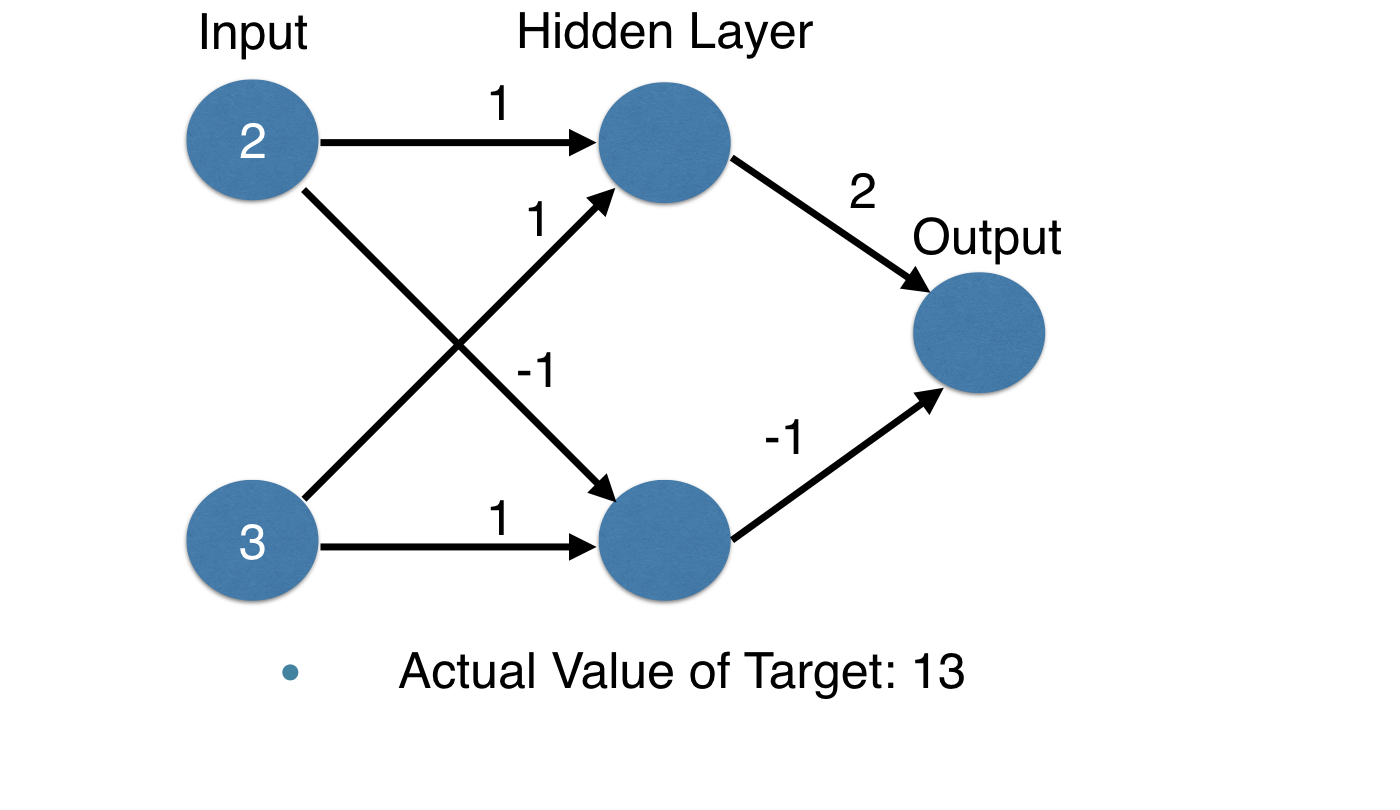
Un réseau neuronal de référence

ch2_1_v3.003.png

Introduction au Deep Learning en Python

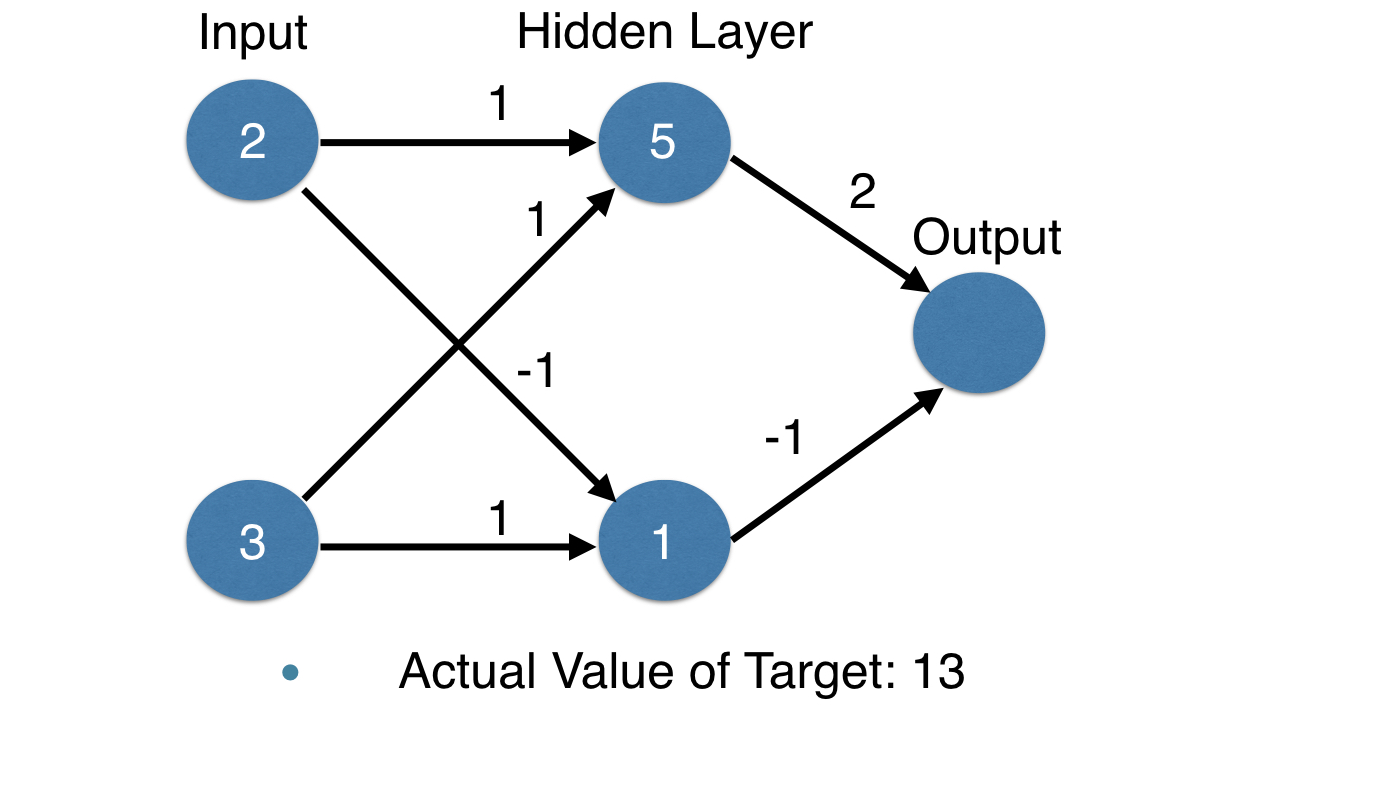
Un réseau neuronal de référence

ch2_1_v3.004.png

Introduction au Deep Learning en Python

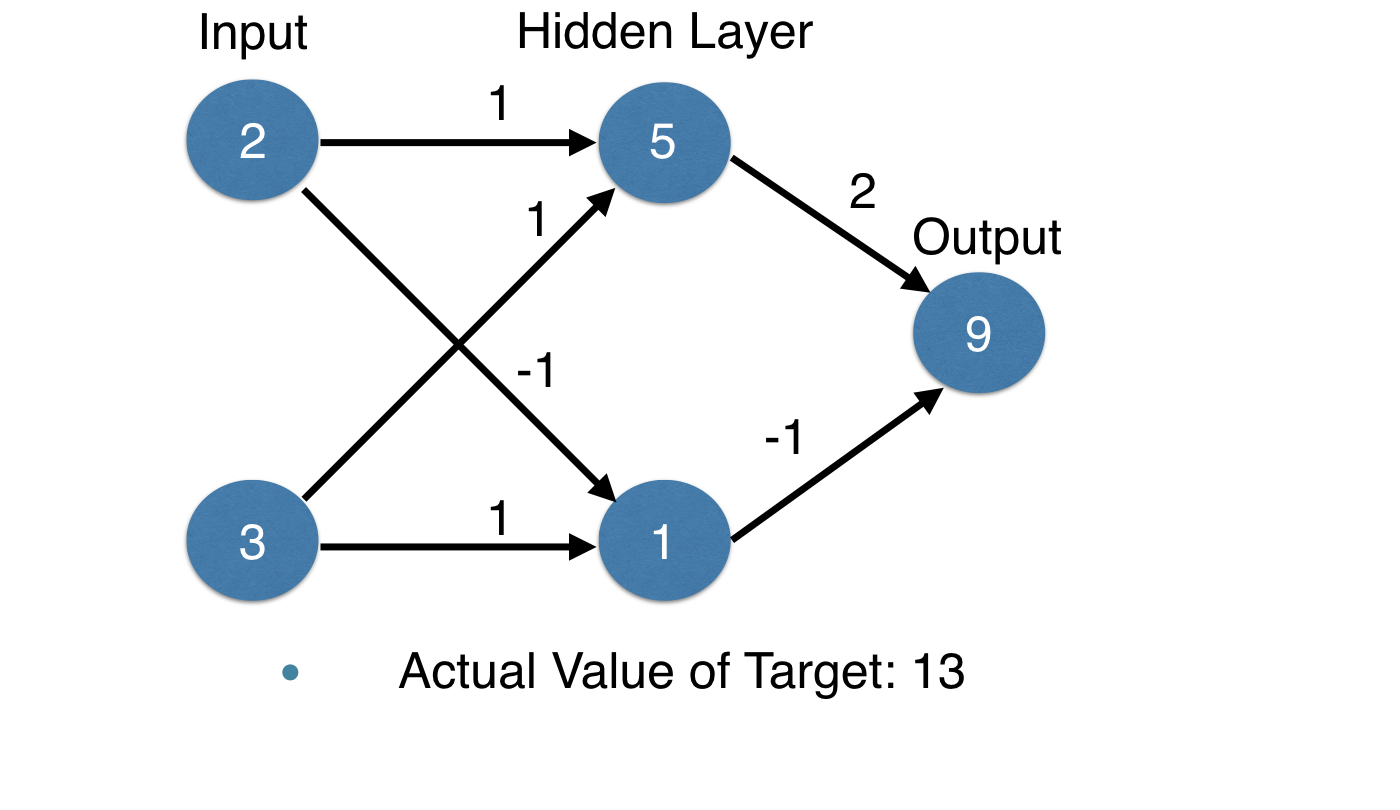
Un réseau neuronal de référence

ch2_1_v3.005.png

Introduction au Deep Learning en Python

Un réseau neuronal de référence

ch2_1_v3.006.png

Introduction au Deep Learning en Python

Un réseau neuronal de référence

ch2_1_v3.007.png

Introduction au Deep Learning en Python

Un réseau neuronal de référence

ch2_1_v3.008.png

Introduction au Deep Learning en Python

Un réseau neuronal de référence

ch2_1_v3.009.png

Introduction au Deep Learning en Python

Un réseau neuronal de référence

ch2_1_v3.010.png

Introduction au Deep Learning en Python

Prévisions avec plusieurs points

  • Il devient plus difficile de faire des prévisions précises lorsque le nombre de points augmente
  • Pour chaque ensemble de poids, il existe de nombreuses valeurs d'erreur
  • … correspondant aux nombreux points pour lesquels nous formulons des prévisions
Introduction au Deep Learning en Python

Fonction de perte

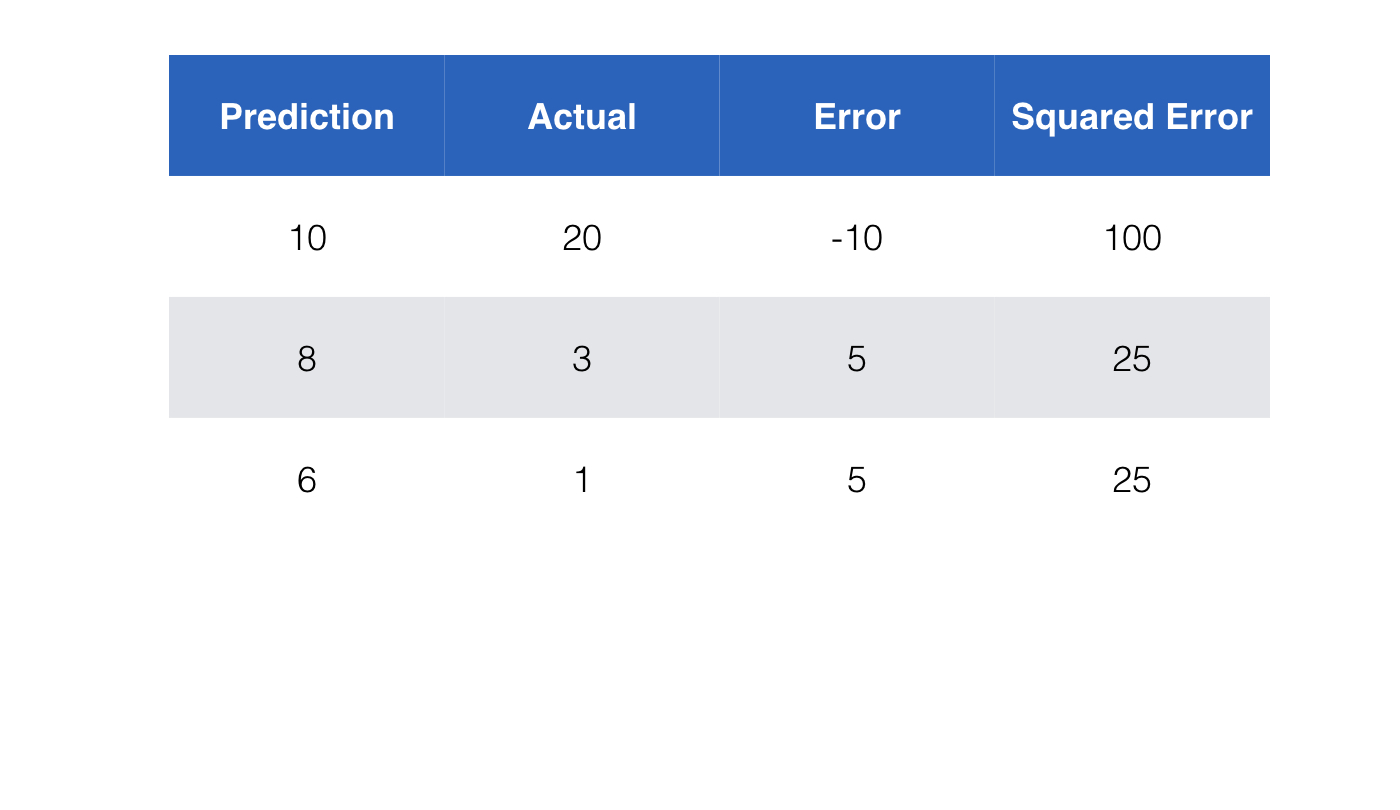
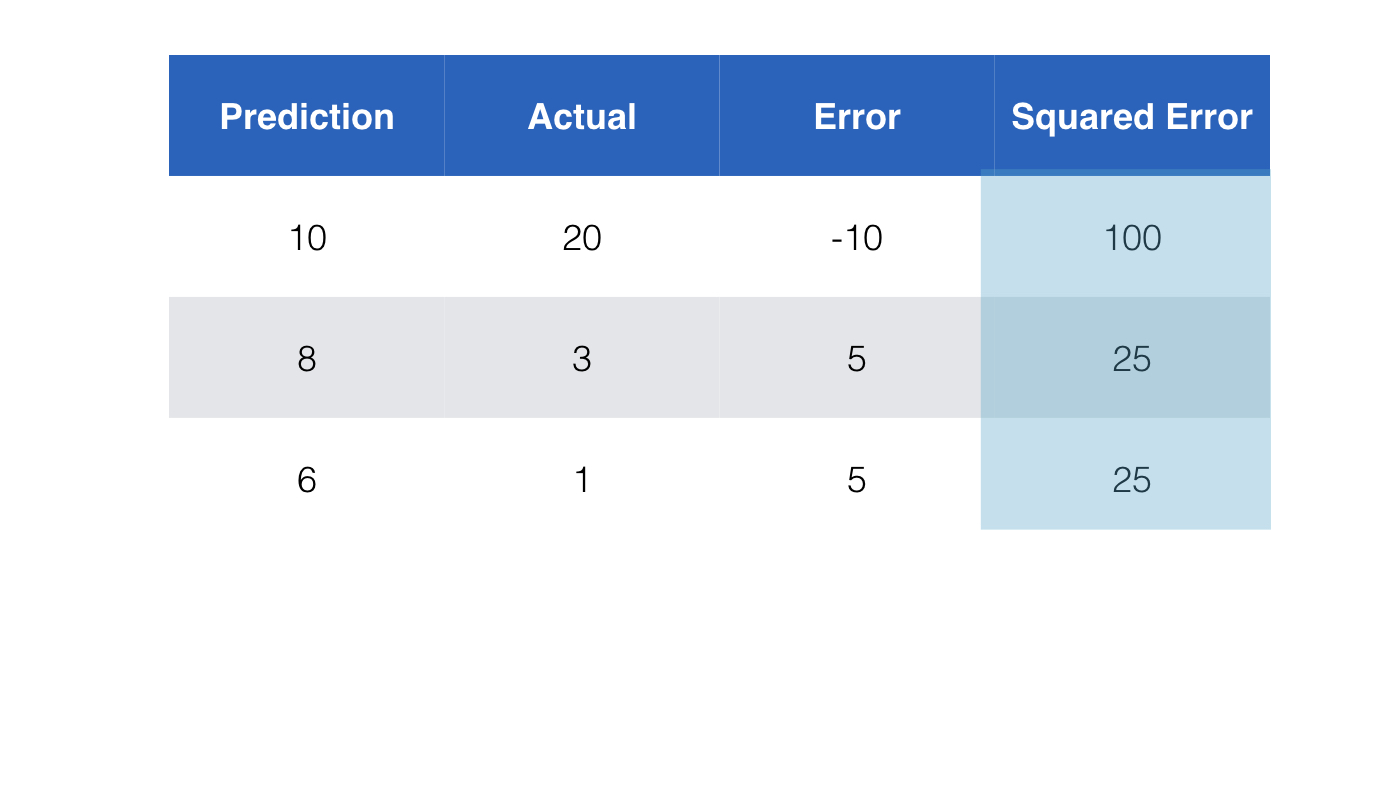
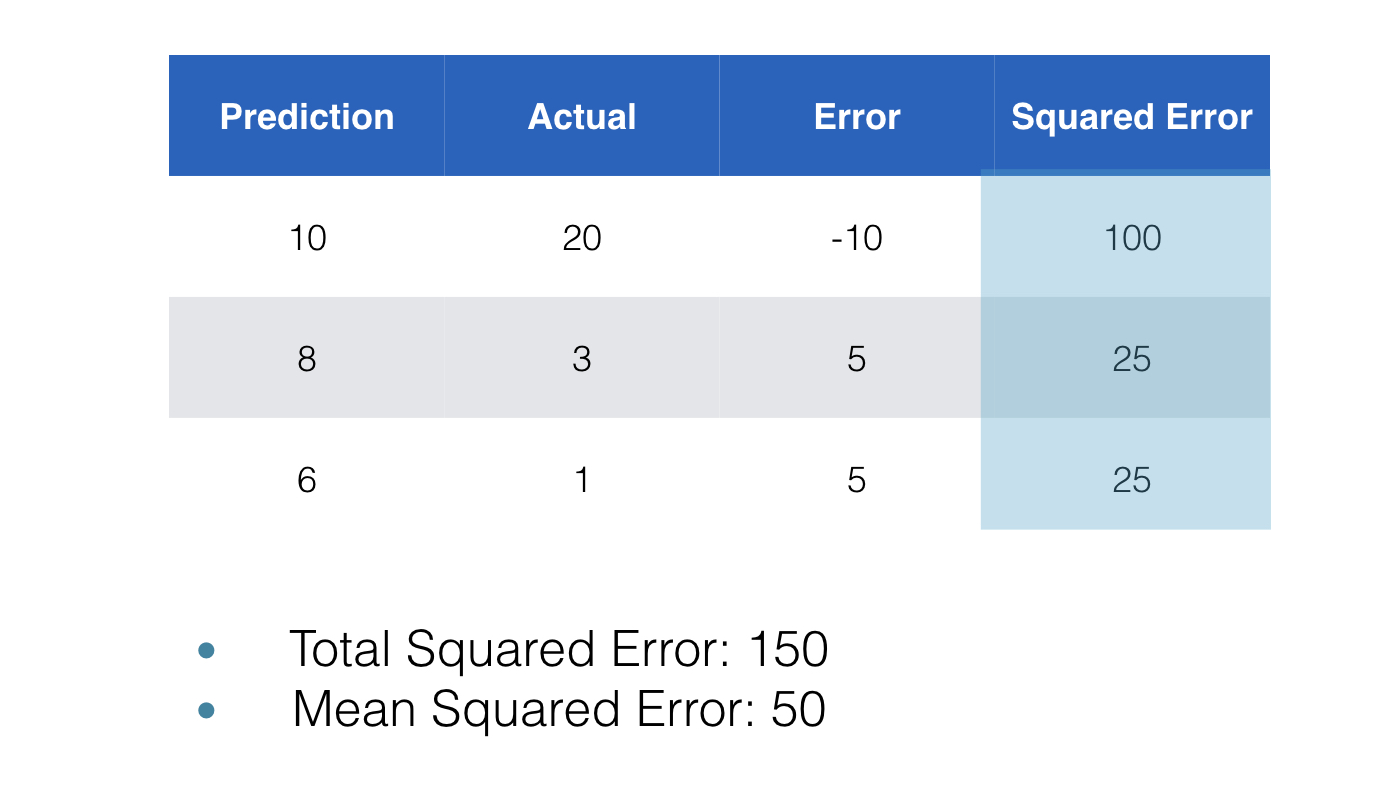
  • Agrège les erreurs dans les prévisions issues de nombreux points de données en un seul chiffre
  • Mesure de la performance prédictive du modèle
Introduction au Deep Learning en Python

Fonction de perte quadratique

ch2_1_v3.019.png

Introduction au Deep Learning en Python

Fonction de perte quadratique

ch2_1_v3.020.png

Introduction au Deep Learning en Python

Fonction de perte quadratique

ch2_1_v3.021.png

Introduction au Deep Learning en Python

Fonction de perte

ch2_1_v3.023.png

Introduction au Deep Learning en Python

Fonction de perte

ch2_1_v3.024.png

Introduction au Deep Learning en Python

Fonction de perte

ch2_1_v3.025.png

Introduction au Deep Learning en Python

Fonction de perte

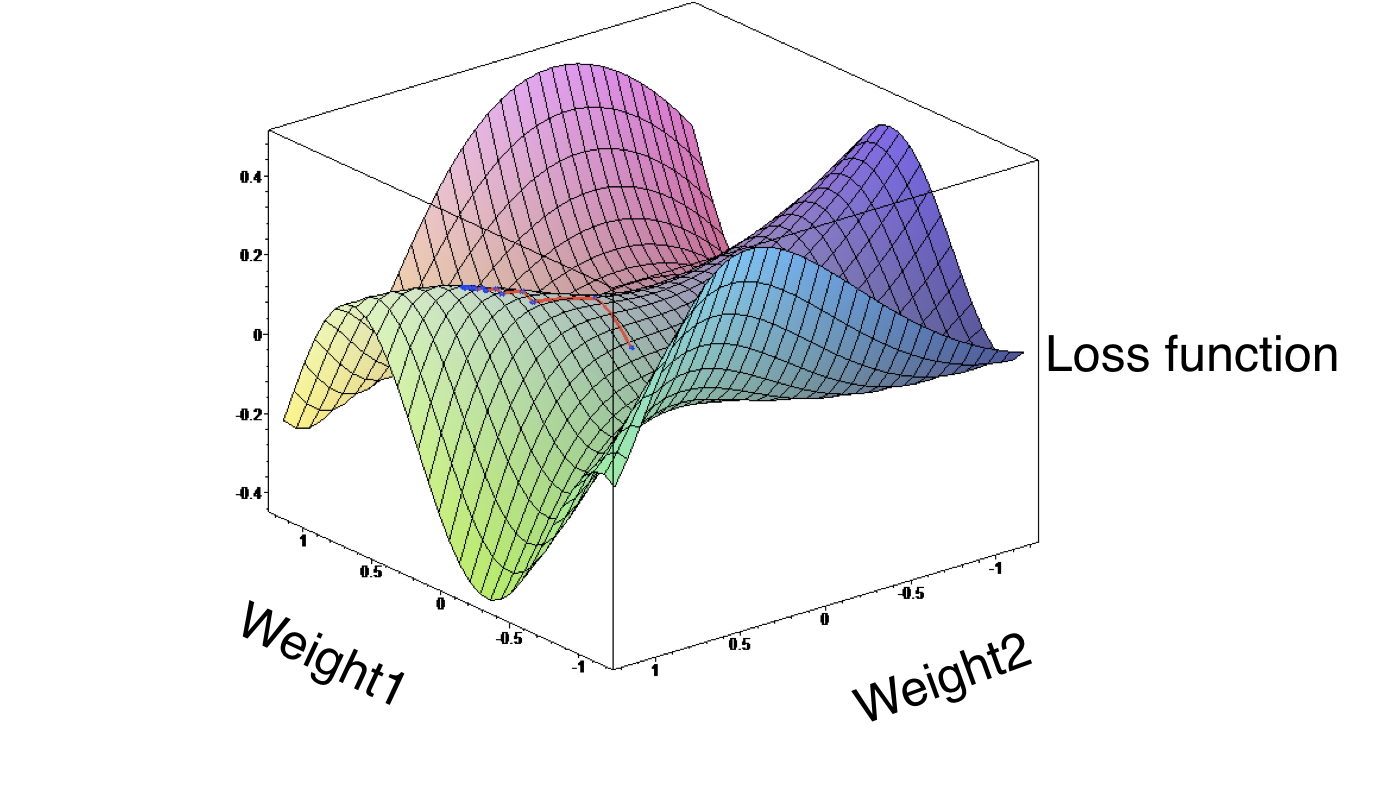
  • Une valeur de fonction de perte plus faible indique un modèle plus performant
  • Objectif : Déterminer les poids qui fournissent la valeur la plus faible pour la fonction de perte
  • Descente de gradient
Introduction au Deep Learning en Python

Descente de gradient

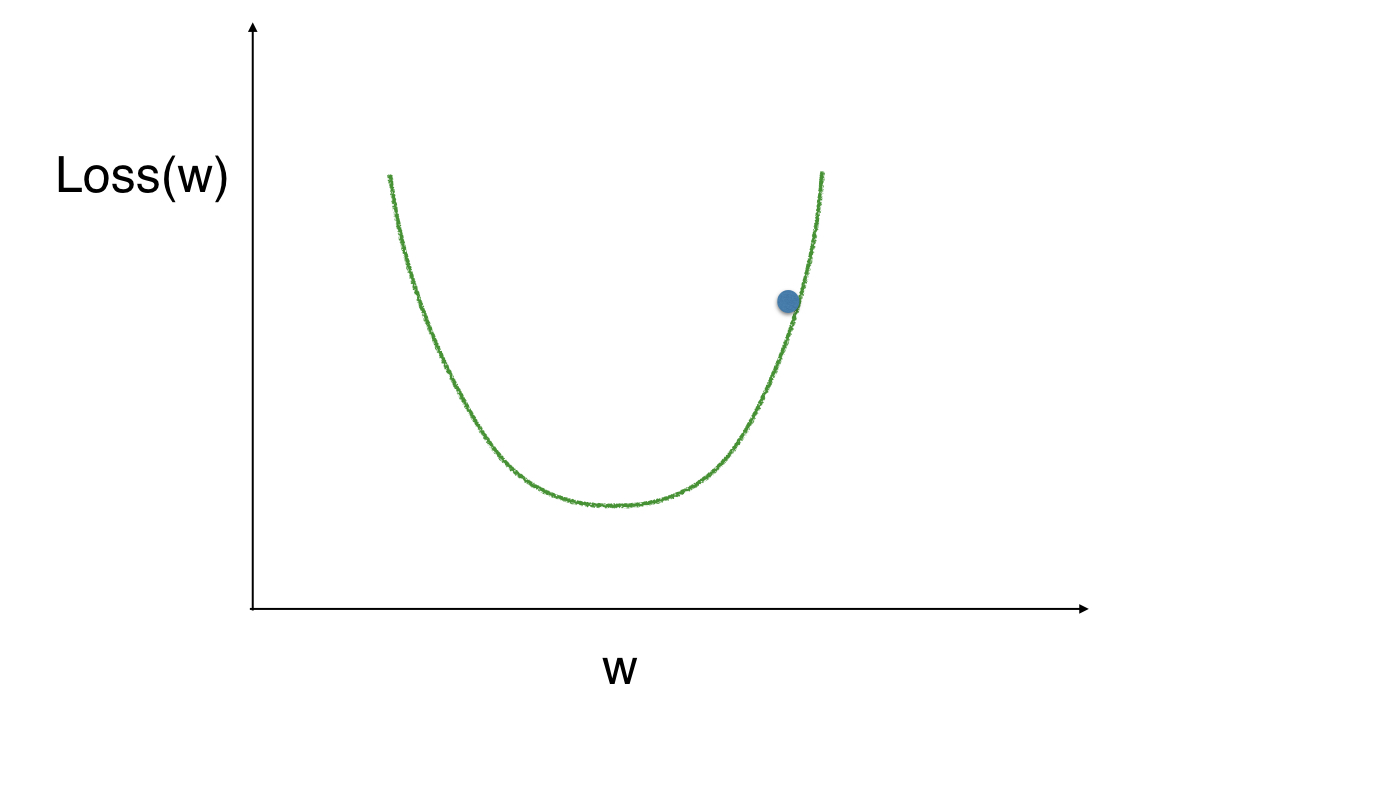
  • Imaginez que vous vous trouviez dans un champ plongé dans l'obscurité totale
  • Vous souhaitez déterminer le point le plus bas
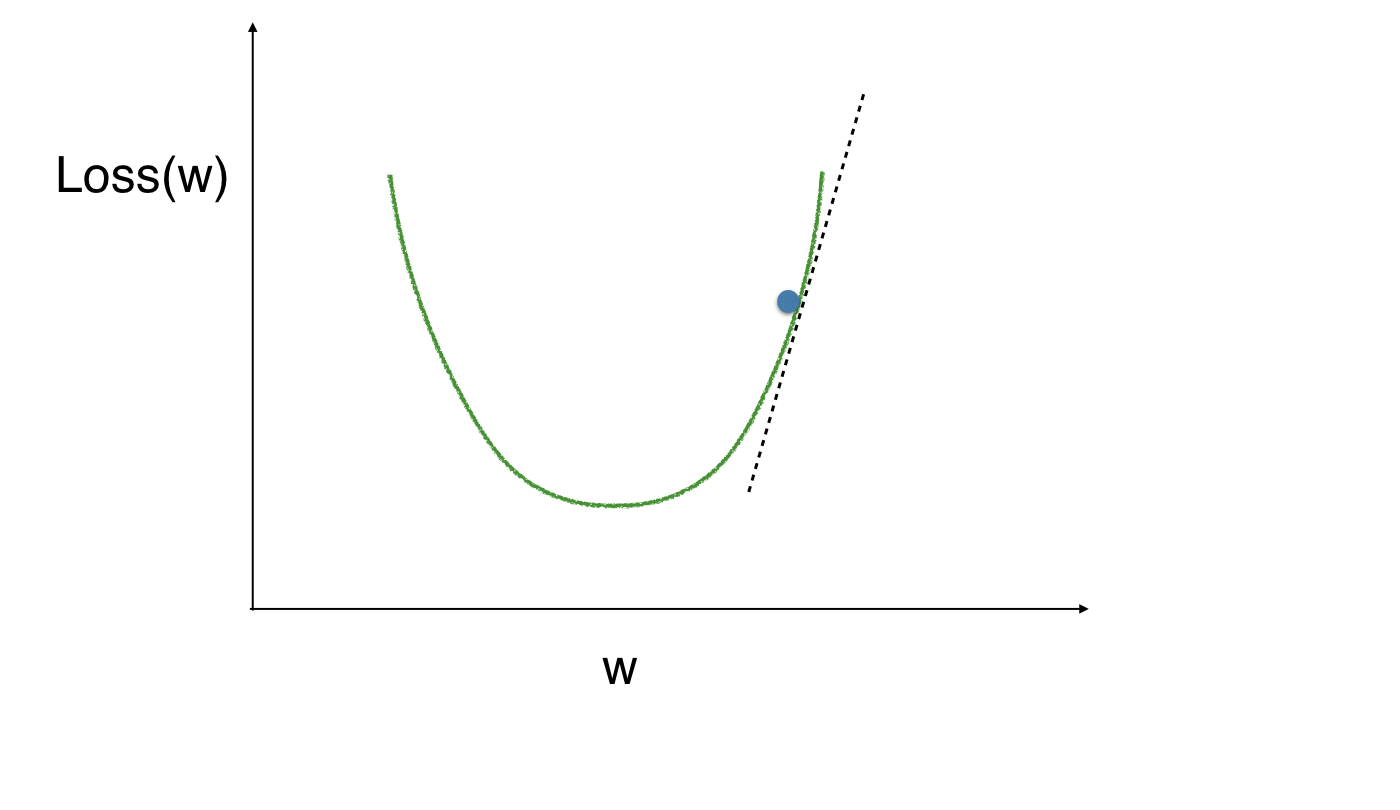
  • Examinez le sol pour déterminer sa pente
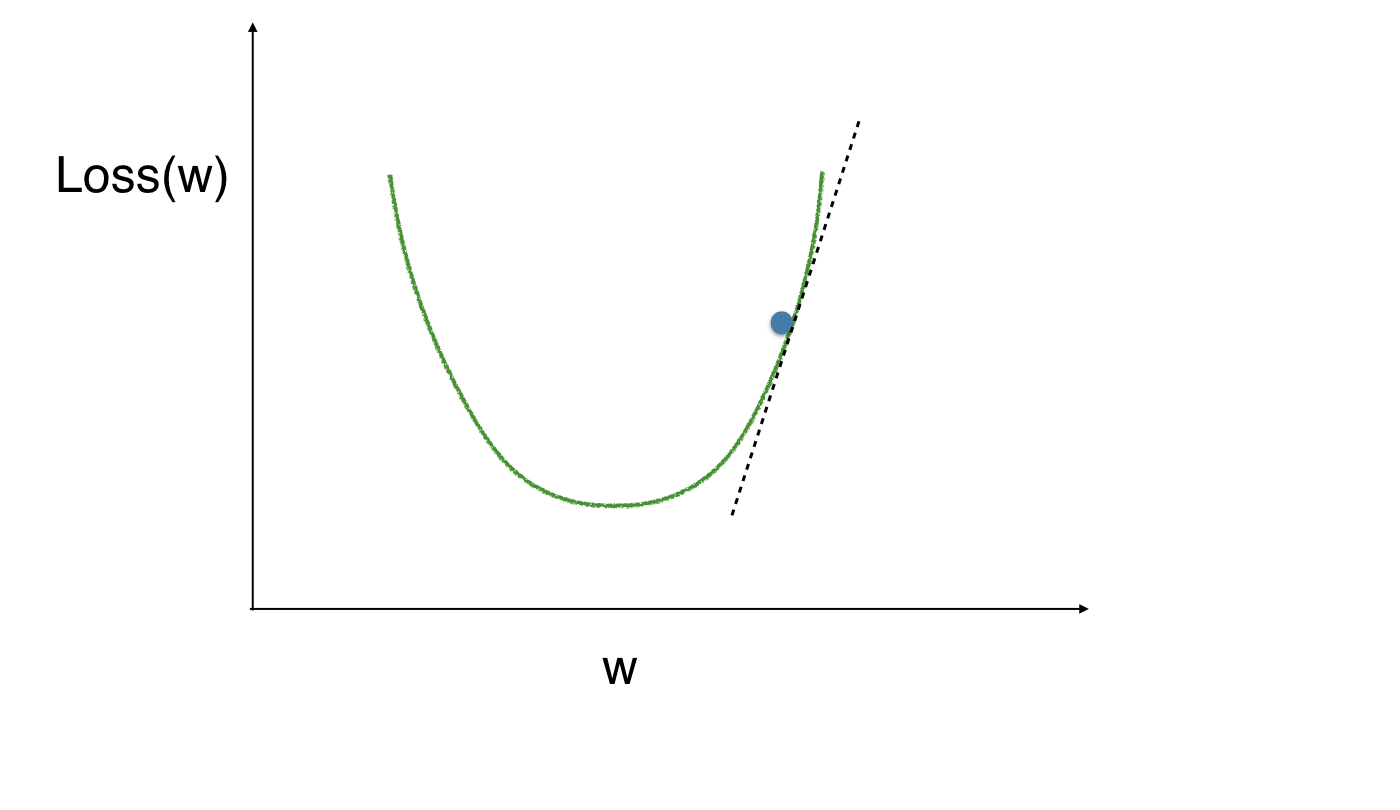
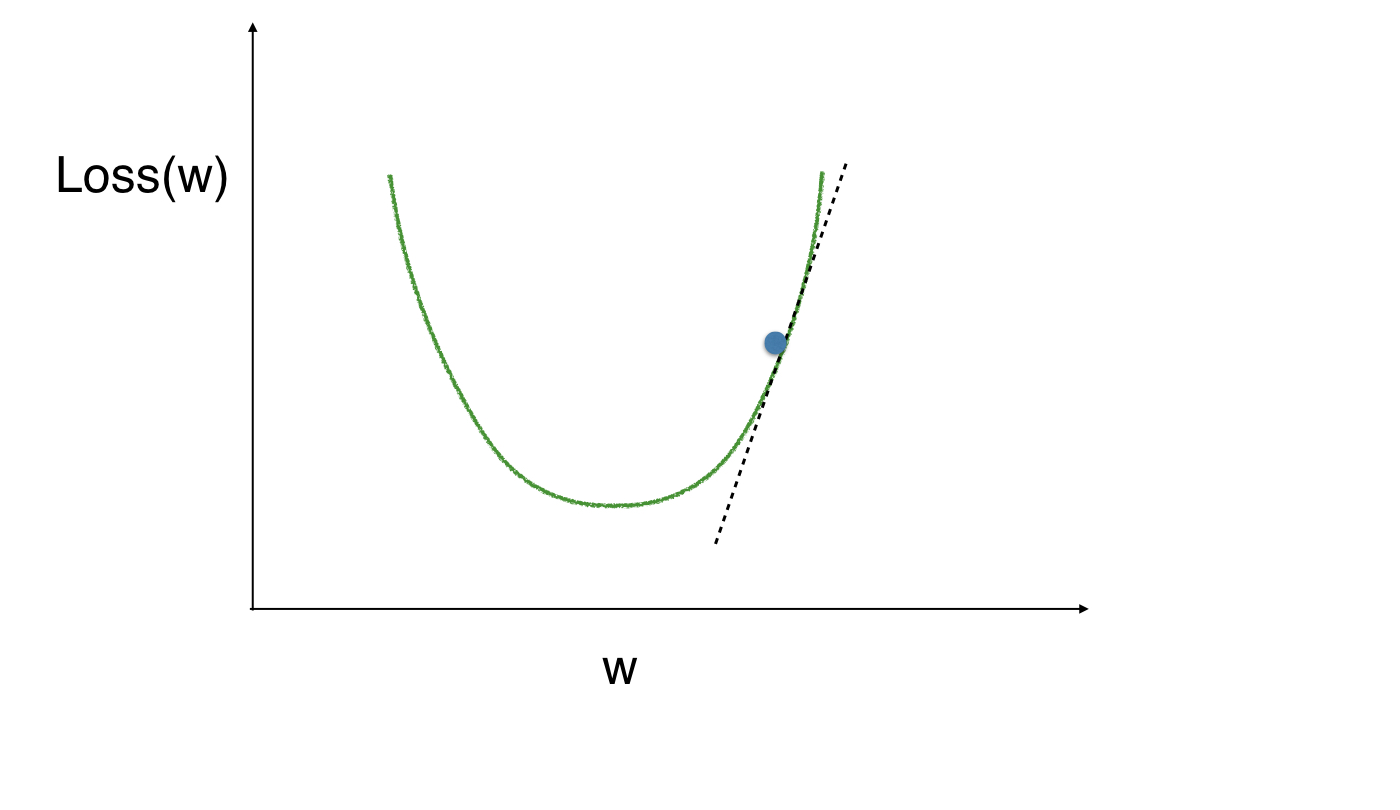
  • Descendez légèrement la pente
  • Répétez jusqu'à ce que la pente soit ascendante dans toutes les directions
Introduction au Deep Learning en Python

Étapes de la descente de gradient

  • Commencez à un point aléatoire
  • Jusqu'à ce que vous arriviez à un endroit plat :
    • Trouvez la pente
    • Descendez
Introduction au Deep Learning en Python

Optimisation d'un modèle avec un seul poids
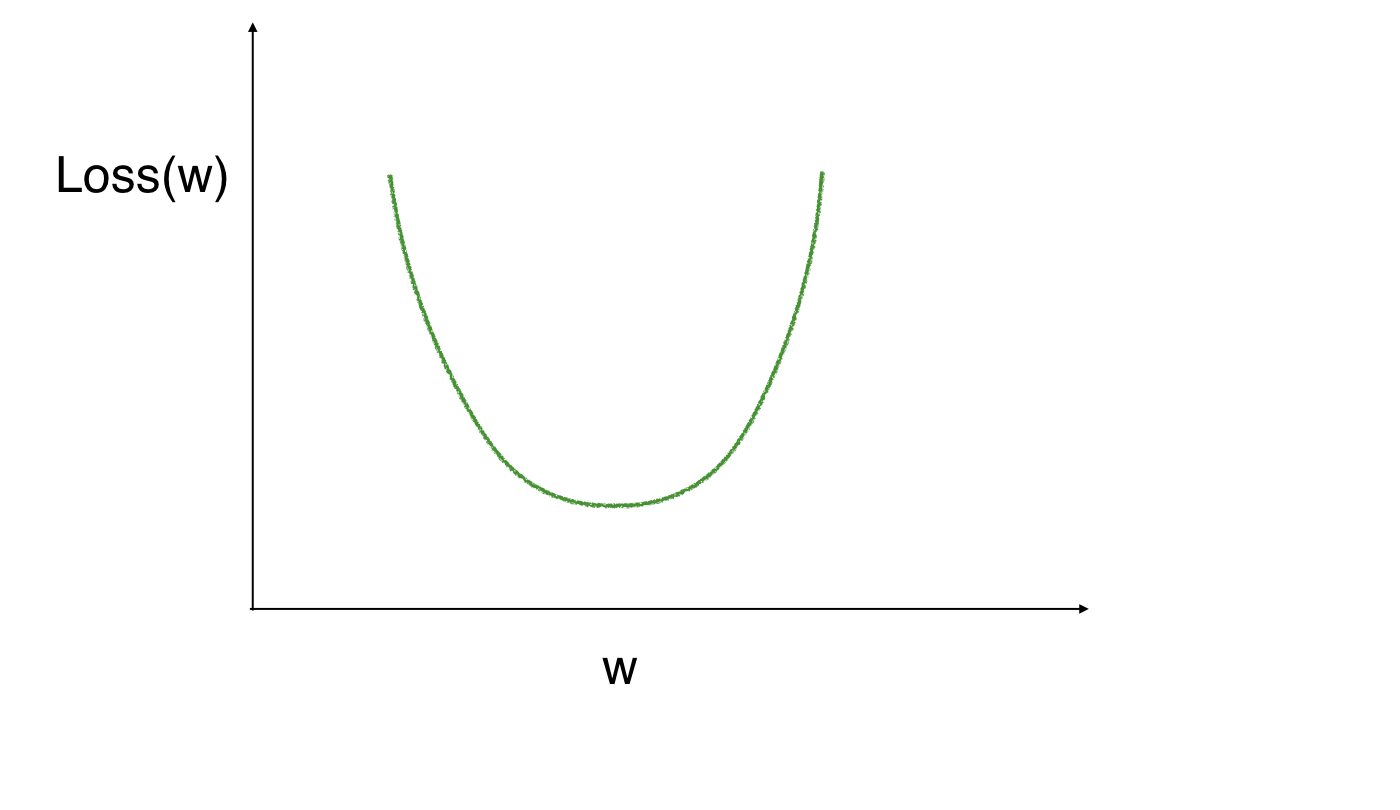
ch2_1_v3.042.png

Introduction au Deep Learning en Python

Optimisation d'un modèle avec un seul poids
ch2_1_v3.044.png

Introduction au Deep Learning en Python

Optimisation d'un modèle avec un seul poids
ch2_1_v3.045.png

Introduction au Deep Learning en Python

Optimisation d'un modèle avec un seul poids
ch2_1_v3.046.png

Introduction au Deep Learning en Python

Optimisation d'un modèle avec un seul poids
ch2_1_v3.047.png

Introduction au Deep Learning en Python

Optimisation d'un modèle avec un seul poids
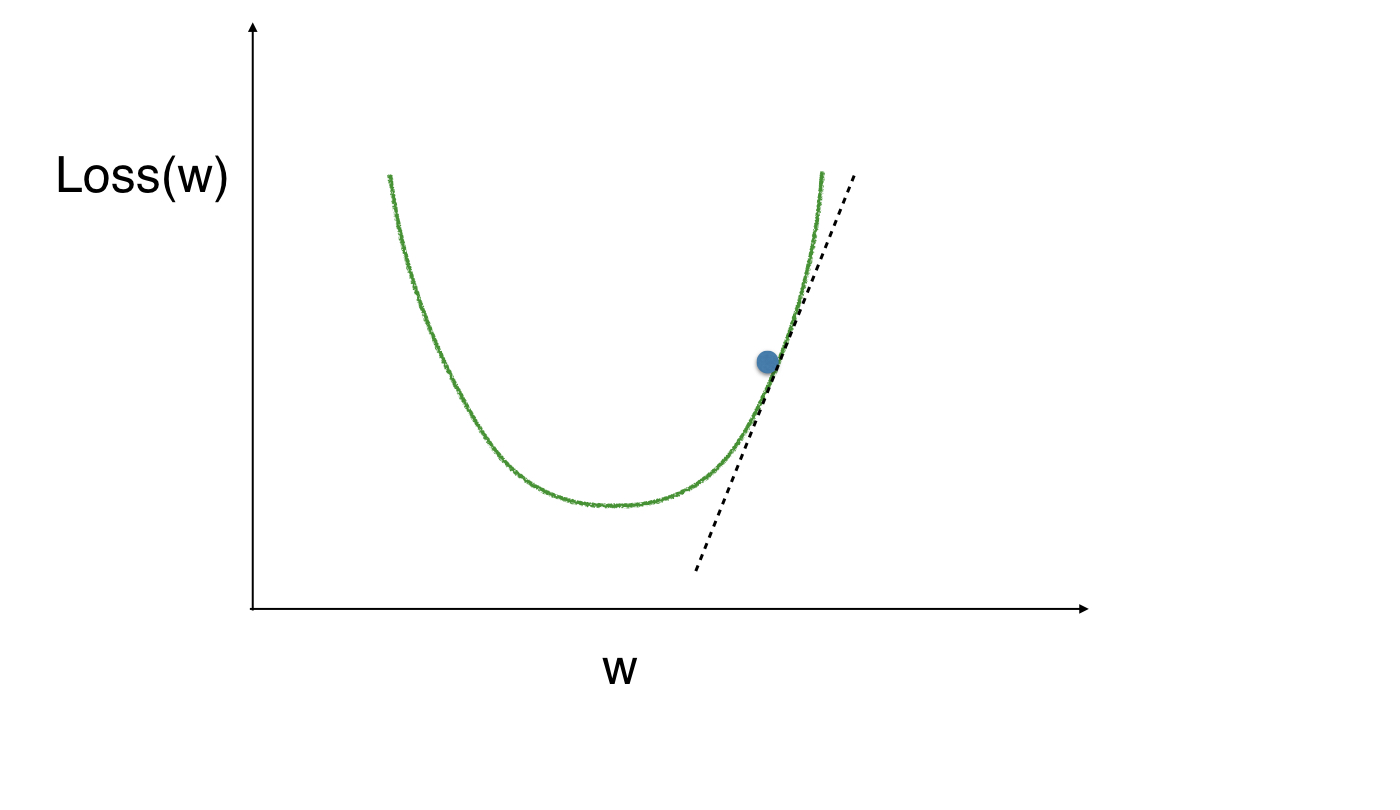
ch2_1_v3.048.png

Introduction au Deep Learning en Python

Optimisation d'un modèle avec un seul poids
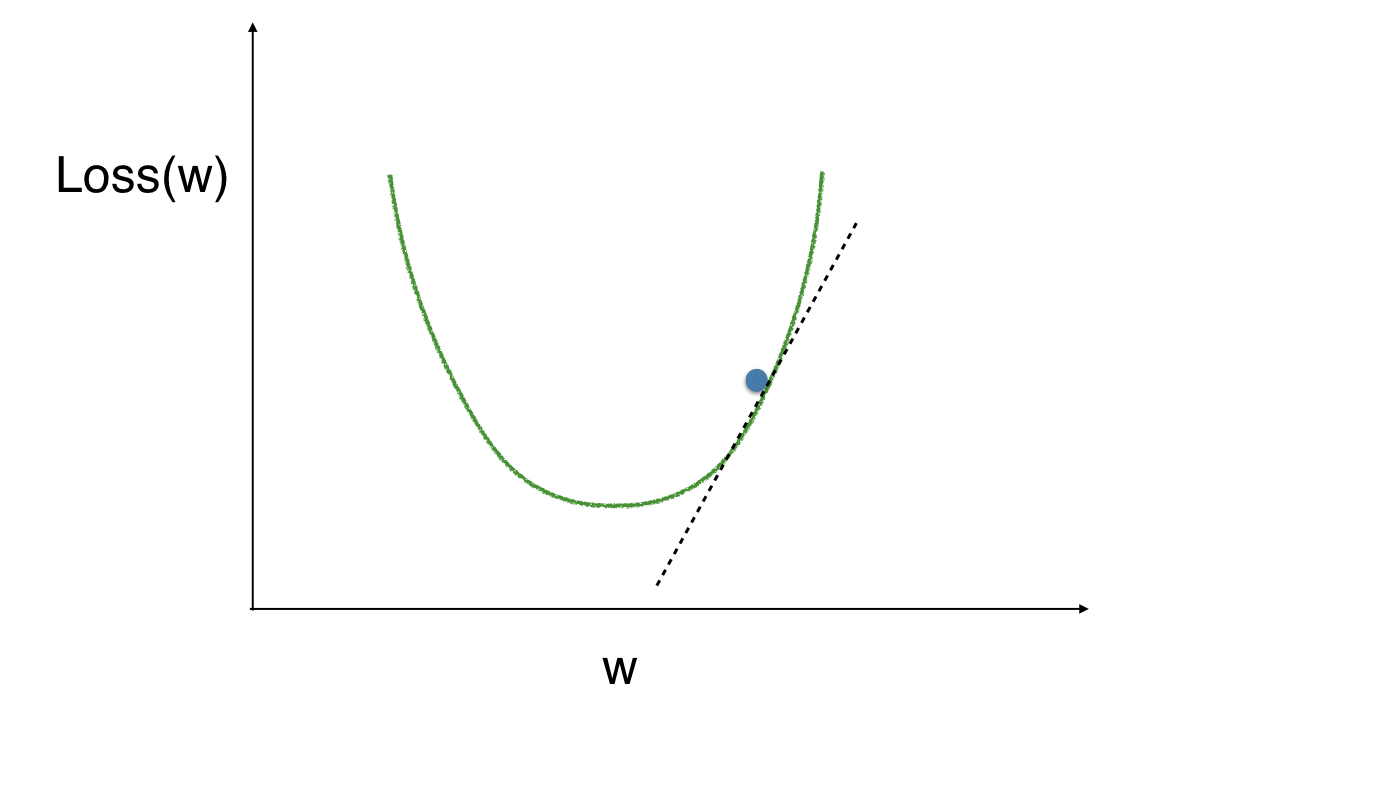
ch2_1_v3.049.png

Introduction au Deep Learning en Python

Optimisation d'un modèle avec un seul poids
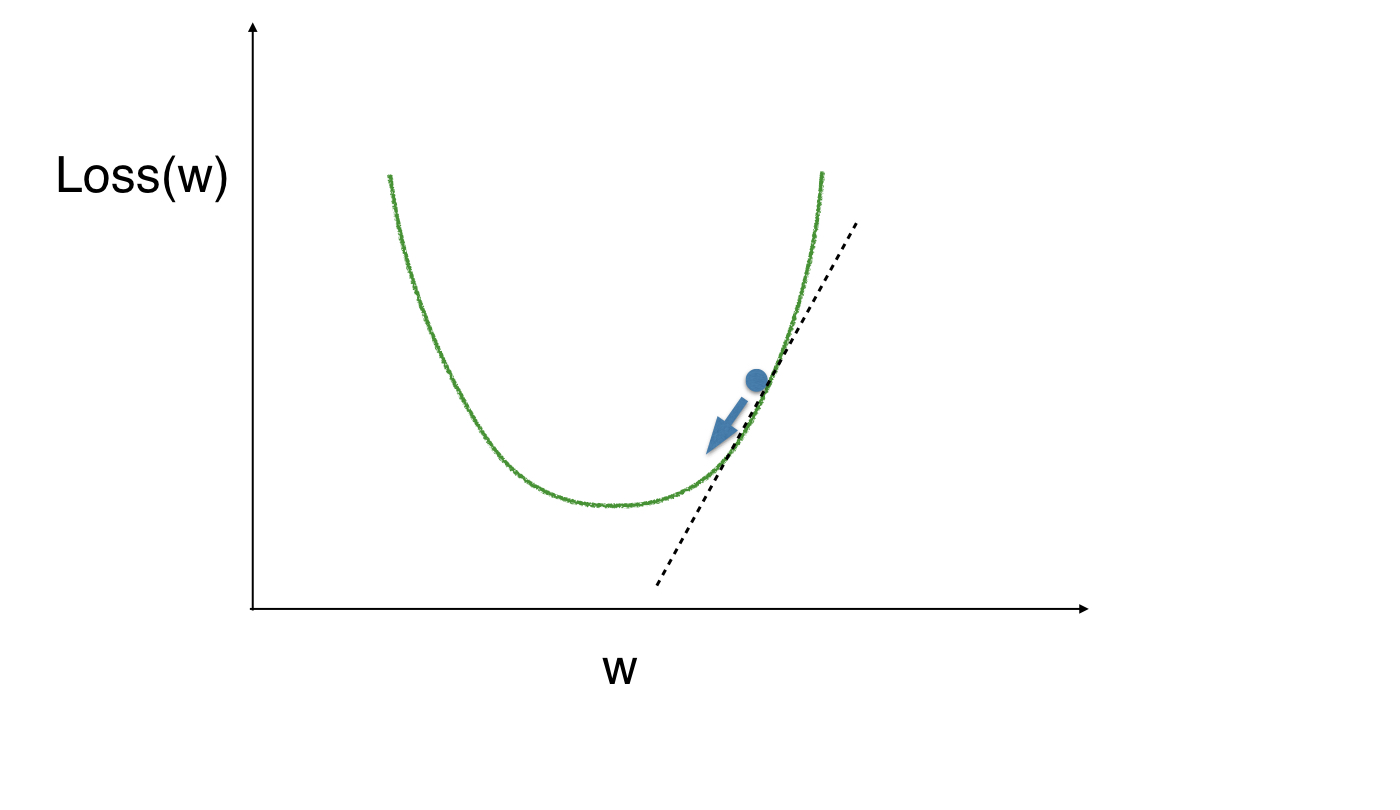
ch2_1_v3.050.png

Introduction au Deep Learning en Python

Optimisation d'un modèle avec un seul poids
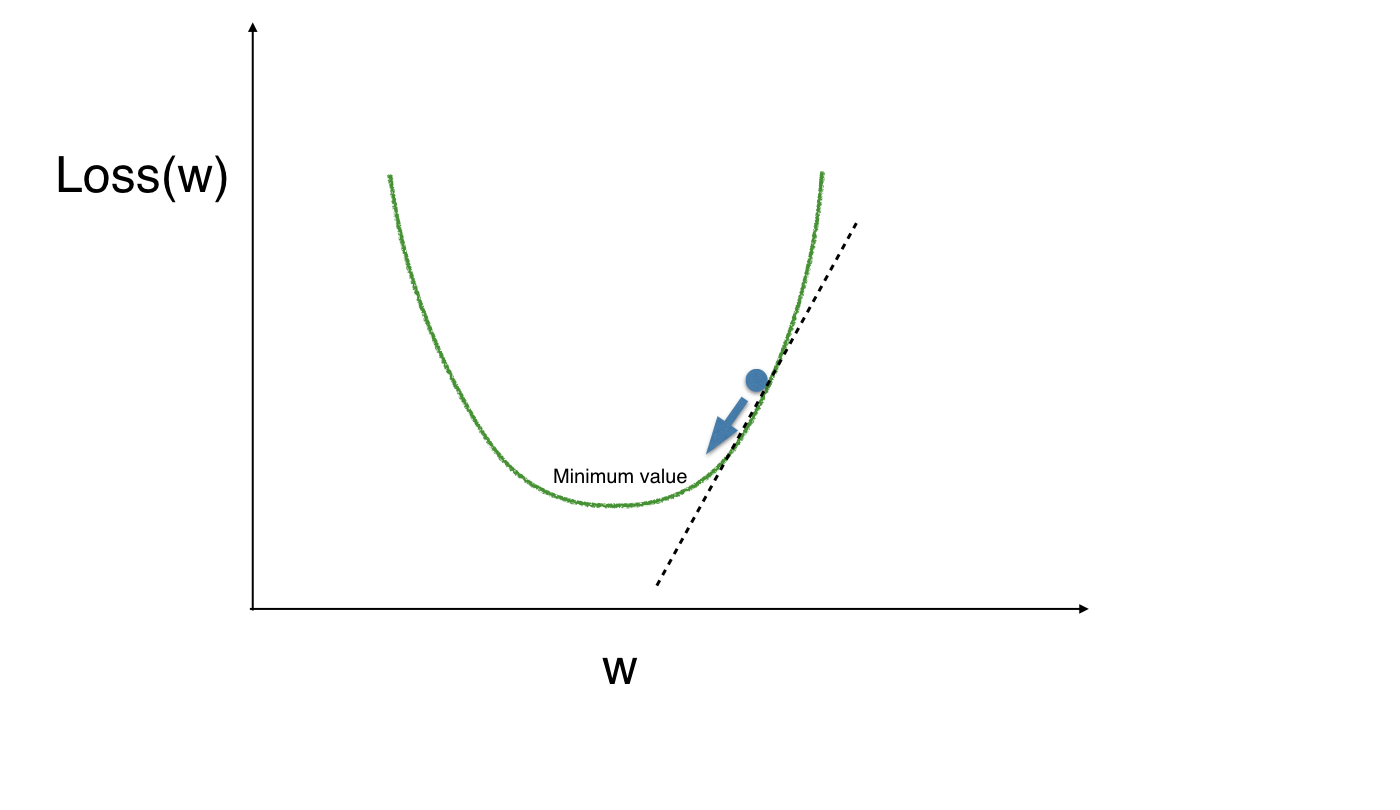
ch2_1_v3.051.png

Introduction au Deep Learning en Python

Passons à la pratique !

Introduction au Deep Learning en Python

Preparing Video For Download...