Redes Neurais Recorrentes (RNNs) para Modelagem de Linguagem com Keras
David Cecchini
Data Scientist
Muitos modelos disponíveis
softmax na camada de saída da redeModelos de linguagem estão em todo lugar nas RNNs!


# Get unique words
unique_words = list(set(text.split(' ')))
# Create dictionary: word is key, index is value
word_to_index = {k:v for (v,k) in enumerate(unique_words)}
# Create dictionary: index is key, word is value
index_to_word = {k:v for (k,v) in enumerate(unique_words)}
# Initialize variables X and y X = [] y = []# Loop over the text: length `sentence_size` per time with step equal to `step` for i in range(0, len(text) - sentence_size, step):X.append(text[i:i + sentence_size]) y.append(text[i + sentence_size])
# Example (numbers are numerical indexes of vocabulary):
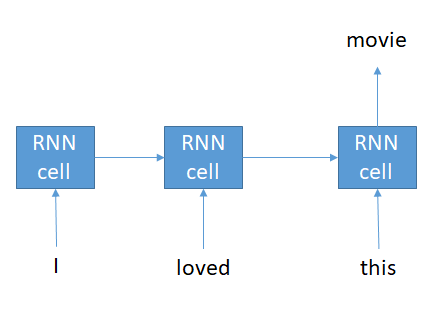
# Sentence is: "i loved this movie" -> (["i", "loved", "this"], "movie")
X[0],y[0] = ([10, 444, 11], 17)
# Create list to keep the sentences of indexes new_text_split = []# Loop and get the indexes from dictionary for sentence in new_text:sent_split = []for wd in sentence.split(' '):ix = wd_to_index[wd]sent_split.append(ix)new_text_split.append(sent_split)
Redes Neurais Recorrentes (RNNs) para Modelagem de Linguagem com Keras