AI for Human Resources
Chris Klaus
Senior AI Architect, Chalice AI
$$
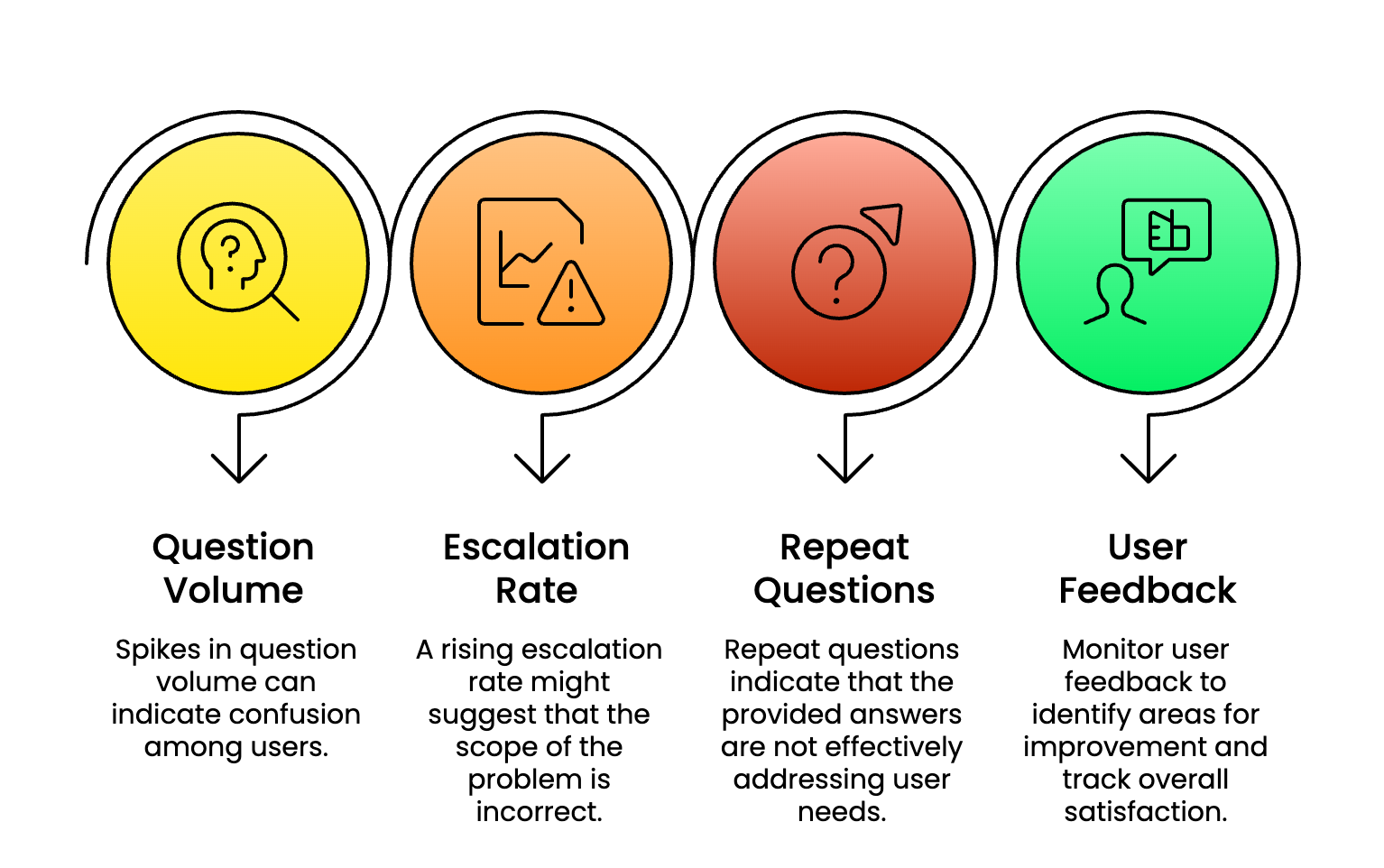
Watch for patterns:
Same questions recurring
Employees double-checking answers
Slight inconsistencies in responses
$$
Keep a simple log:
$$
These signals tell you when systems are drifting
$$

30-minute monthly review
Policy alignment - Did anything update? Test with current questions.
Language drift - Do responses match your latest handbook?
Edge cases - Review your log for recurring weak spots.
Scope creep - Handling requests it wasn't designed for?
Instruction accuracy - Rules still reflect current operations?
$$
New policy announced? Update AI systems first - before employees start asking.
$$
| Step | Action |
|---|---|
| 1 | Update AI instructions immediately - revise context sources and response guidelines |
| 2 | Test with realistic questions - use actual employee queries to validate responses |
| 3 | Focus on edge cases - identify scenarios where the agent might fail or produce errors |
| 4 | If inaccurate → narrow the agent's scope or route to humans for judgment |
$$
Quarterly spot-check process
Find one other person who can review your systems
Give them five realistic scenarios
Ask them to flag confusion, surprises, or moments they'd prefer a human
$$

$$
Immediate response:
Fix the configuration immediately
Document what happened and changed
Communicate clearly with affected employees
$$
Example message:
"We noticed [system] provided outdated guidance about [topic]. Here's the current policy..."
$$

$$
Three ongoing connections you need:
| Role | Why you need them |
|---|---|
| HR contact | Sees employee confusion early |
| Technical contact | Adjusts configurations quickly |
| Compliance contact | Flags regulatory changes |

$$
$$

$$
$$
Four-week launch framework:
Week 1: Test top 20 expected questions
Week 2: Pilot with 10-15 people
Week 3: Update based on feedback
Week 4: Set monthly reviews
AI for Human Resources