MCP and LLMs: Tools

Introduction to Model Context Protocol (MCP)

James Chapman

AI Curriculum Manager, DataCamp

MCP Tools to LLM Tools
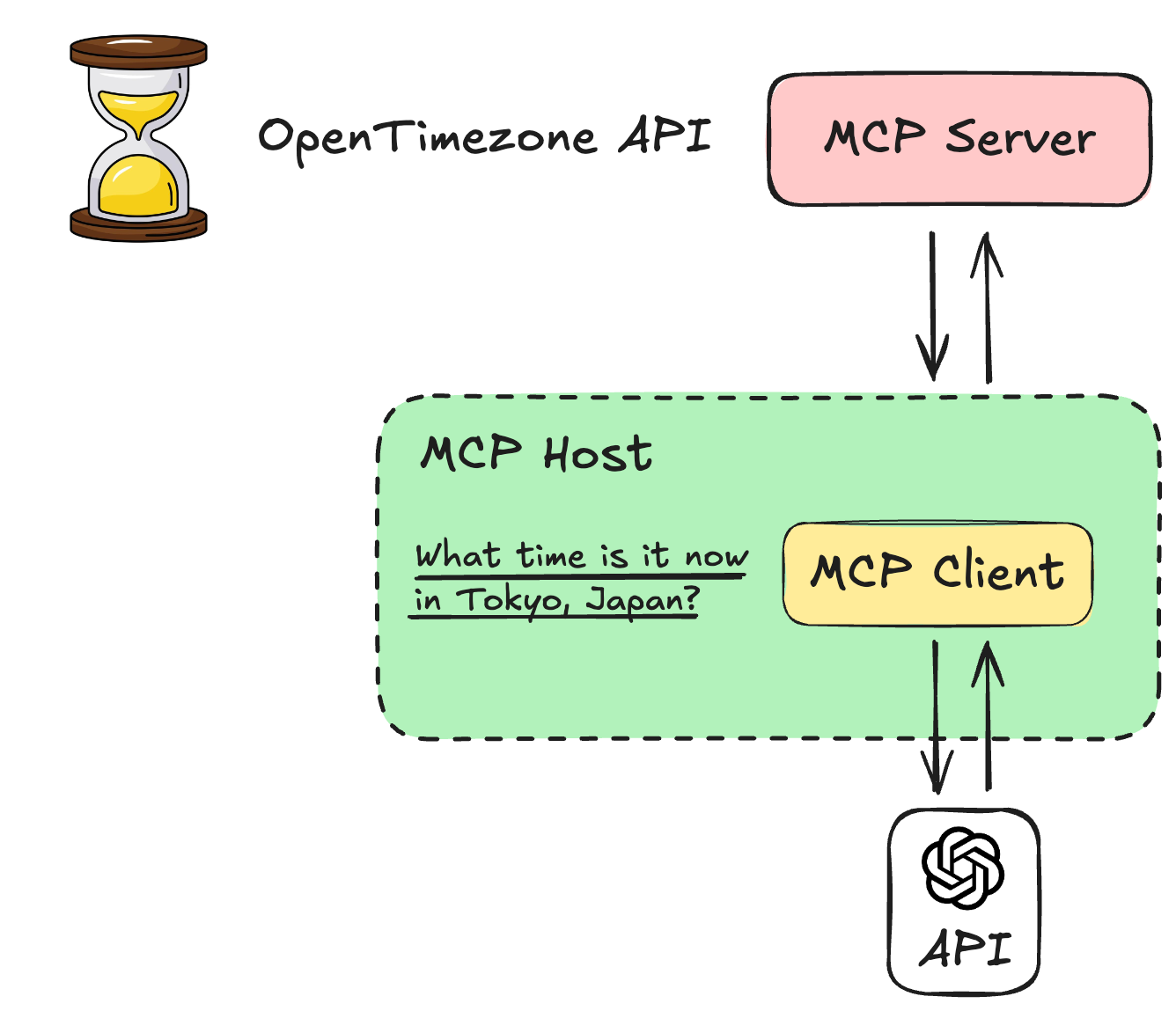
 

Tool ⇄ LLM integration is highly LLM-dependent

  • LLMs accept tools in different ways and with different syntax
  • Use OpenAI's Responses API
  • Focus: processes and transformations

llm_mcp.png

Introduction to Model Context Protocol (MCP)

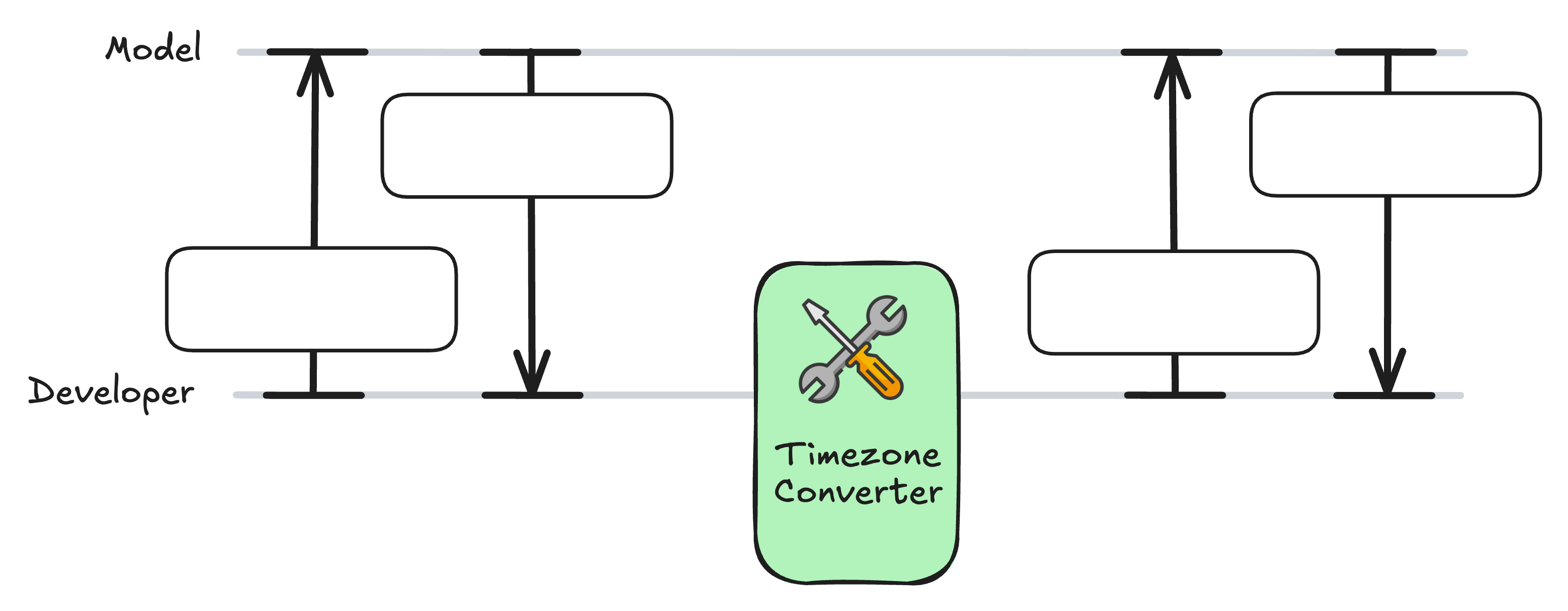
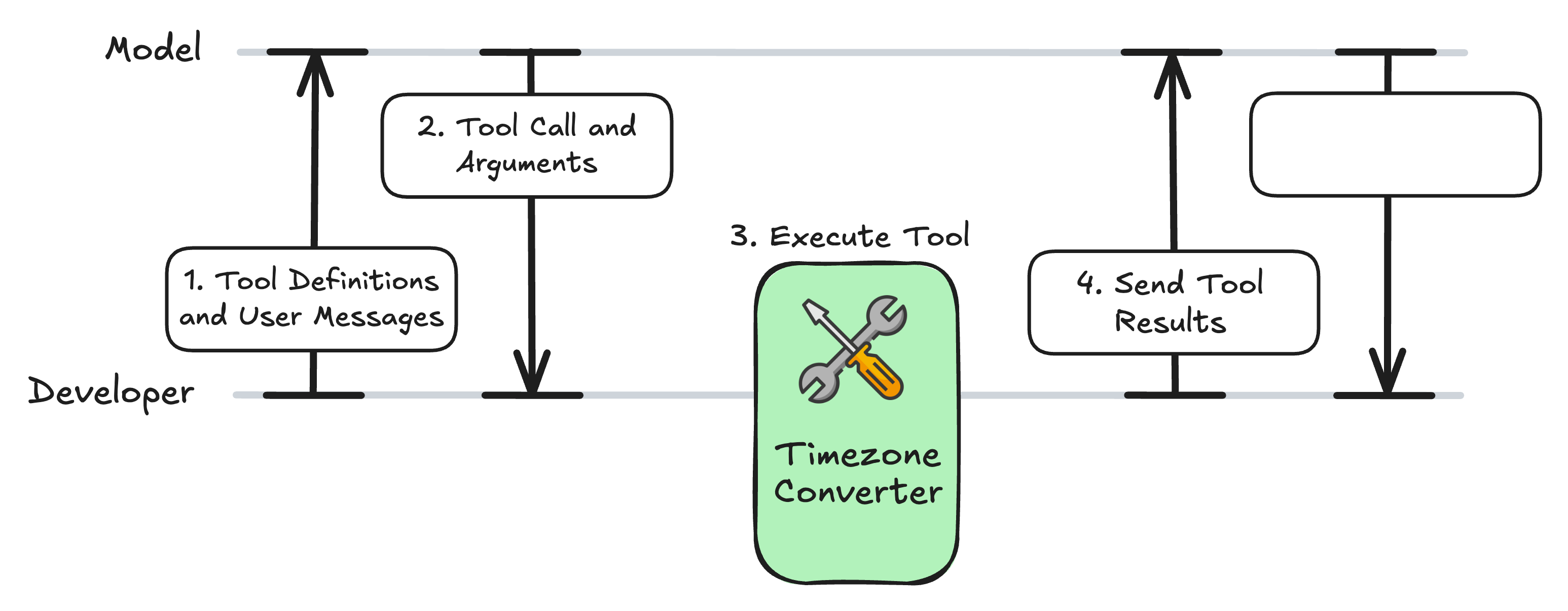
The Tool-Calling Workflow

fct1.jpg

Introduction to Model Context Protocol (MCP)

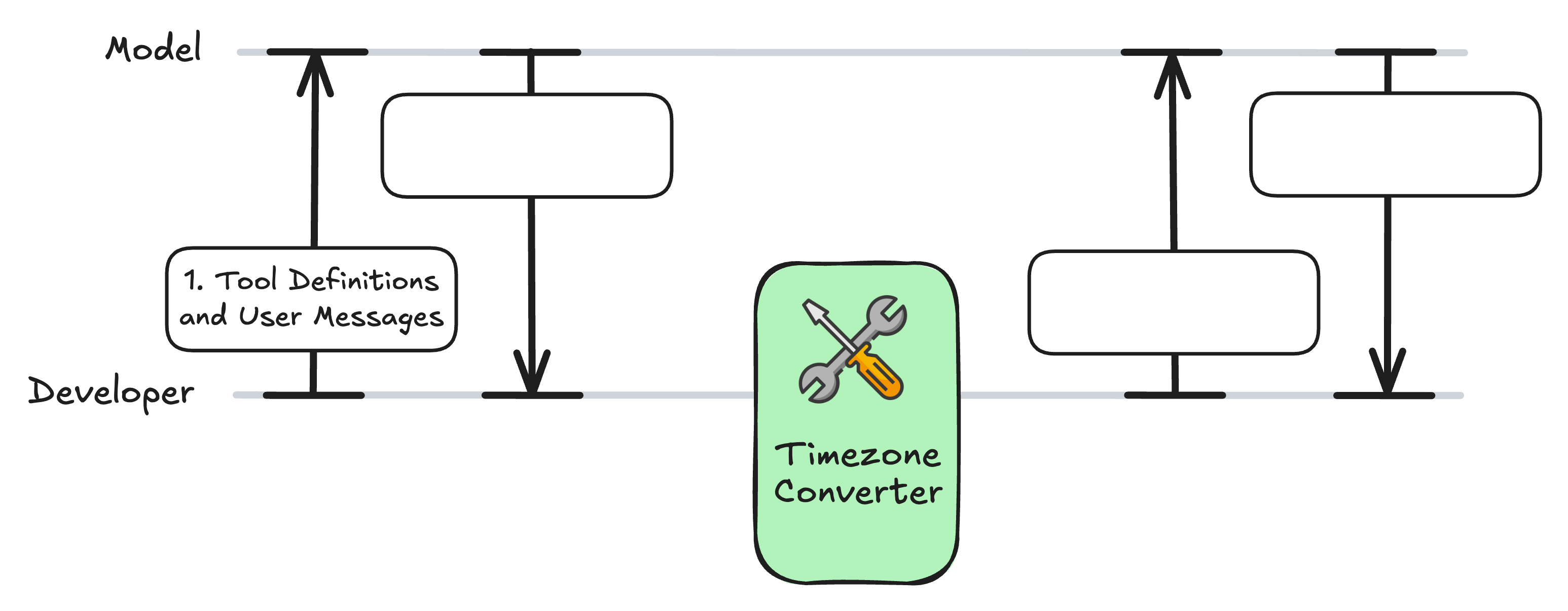
The Tool-Calling Workflow

fct2.jpg

Introduction to Model Context Protocol (MCP)

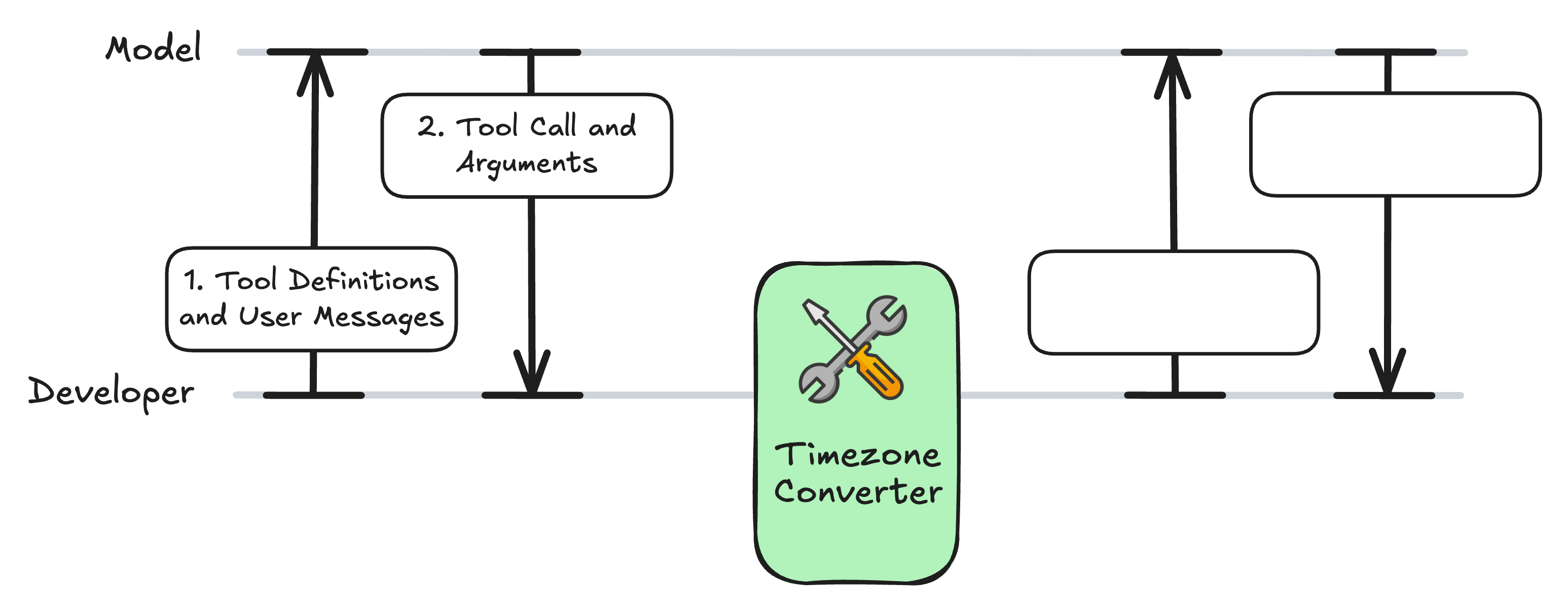
The Tool-Calling Workflow

fct3.jpg

Introduction to Model Context Protocol (MCP)

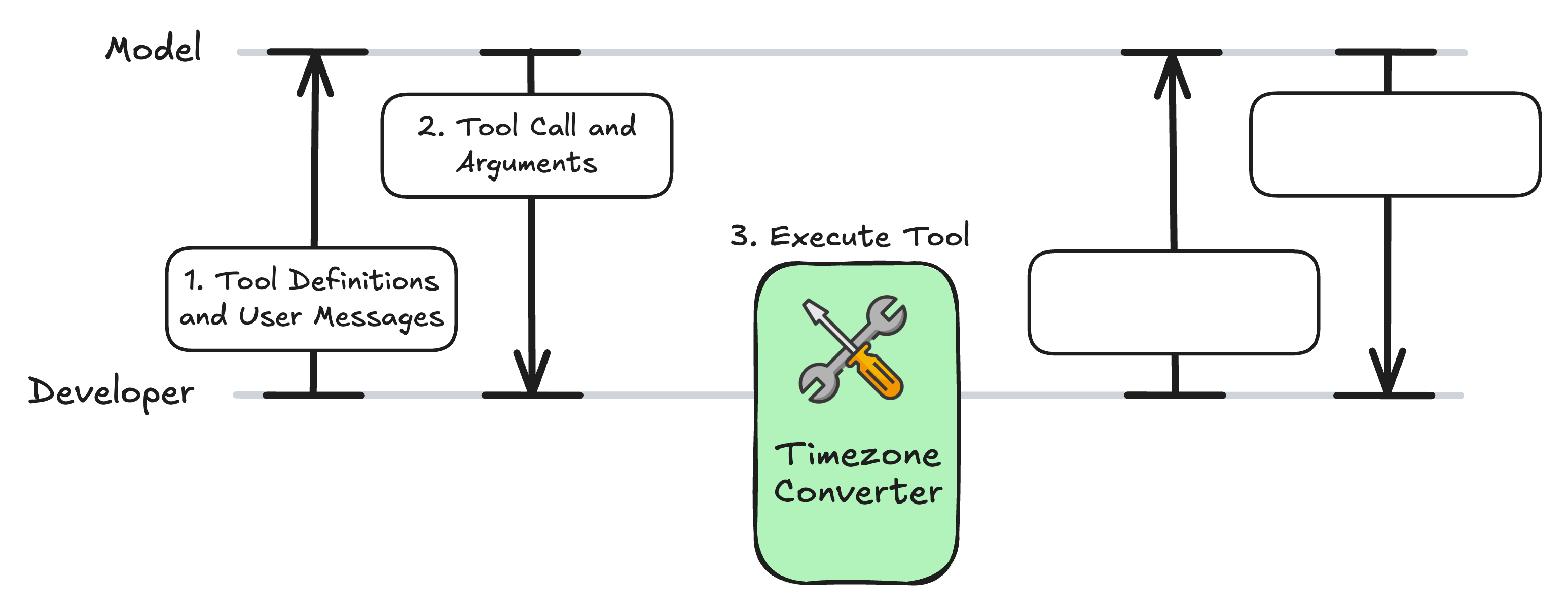
The Tool-Calling Workflow

fct4.jpg

Introduction to Model Context Protocol (MCP)

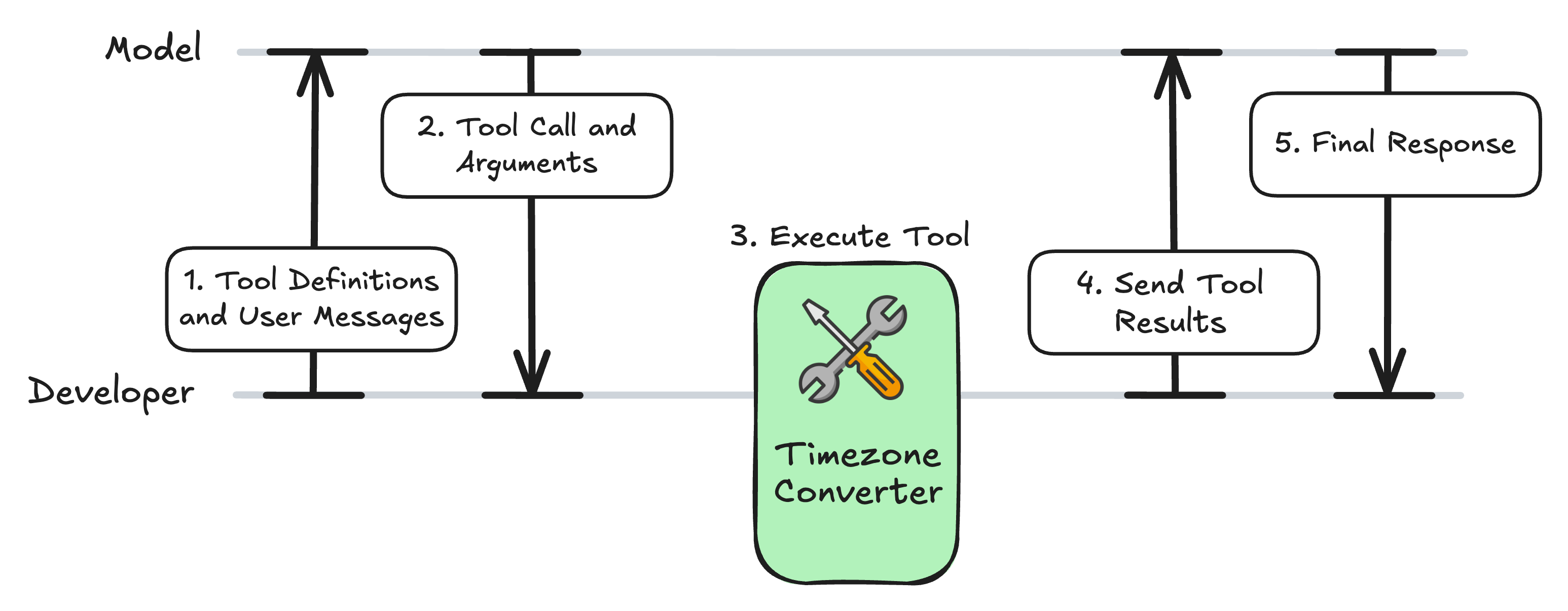
The Tool-Calling Workflow

fct5.jpg

Introduction to Model Context Protocol (MCP)

The Tool-Calling Workflow

fct6.jpg

Introduction to Model Context Protocol (MCP)

MCP Server: timezone_server.py

from mcp.server.fastmcp import FastMCP
import requests

mcp = FastMCP("Timezone Converter")

@mcp.tool()
def convert_timezone(date_time: str, from_timezone: str, to_timezone: str) -> str:
    ...

if __name__ == "__main__":
    mcp.run(transport="stdio")
Introduction to Model Context Protocol (MCP)

Expanding the Client Code

async def get_tools_from_mcp():
            # ... 
            return response.tools

async def call_mcp_tool(tool_name: str, arguments: dict) -> str:        
            # ...
            result = await session.call_tool(tool_name, arguments)
            return str(result.content[0].text)

async def call_openai_llm(user_query: str):
Introduction to Model Context Protocol (MCP)

Setup: Format the Tools for the LLM

async def call_openai_llm(user_query: str):
    """Call OpenAI LLM with MCP tools."""

mcp_tools = await get_tools_from_mcp()
openai_tools = [] for tool in mcp_tools:
openai_tool = { "type": "function", "name": tool.name, "description": tool.description or "", "parameters": tool.inputSchema, # MCP uses JSON Schema format }
openai_tools.append(openai_tool)
Introduction to Model Context Protocol (MCP)

1. Send the Query and Tools to the LLM

from openai import AsyncOpenAI
async def call_openai_llm(user_query: str):
    # ...

client = AsyncOpenAI(api_key="<OPENAI_API_TOKEN>")
response = await client.responses.create( model="gpt-4o-mini", input=user_query, tools=openai_tools, )
Introduction to Model Context Protocol (MCP)

2. Checking for a Tool Call

async def call_openai_llm(user_query: str):
    # ...

    output = response.output[0]

if output.type == "function_call":
args = json.loads(output.arguments) name = output.name print(f"Model decided to call: {name}") print(f"Arguments: {args}\n")
Introduction to Model Context Protocol (MCP)

3. Calling the Tool | 4. The Follow-Up Message

async def call_openai_llm(user_query: str):
    # ...

    if output.type == "function_call":
        # ...

result = await call_mcp_tool(name, args)
followup = await client.responses.create( model="gpt-4o-mini", input=[ {"role": "user", "content": user_query}, output, {"type": "function_call_output", "call_id": output.call_id, "output": result} ], )
Introduction to Model Context Protocol (MCP)

5. The Final Response

async def call_openai_llm(user_query: str):
    # ...

    if output.type == "function_call":
        # ...


if followup.output and followup.output[0].type == "message": print(f"\nAssistant: {followup.output[0].content[0].text}") else: print("No follow-up message from model.")
else: print(f"\nAssistant: {output.content[0].text}") return str(output.content[0].text)
Introduction to Model Context Protocol (MCP)

Testing the Function

if __name__ == "__main__":
    asyncio.run(call_openai_llm("It is 9:50 AM in the UK in January. What time is
    it in Lisbon, Portugal?"))
Assistant: It's 9:50 AM in Lisbon as well.
Introduction to Model Context Protocol (MCP)

The Tool-Calling Workflow

fct6.jpg

Introduction to Model Context Protocol (MCP)

Let's practice!

Introduction to Model Context Protocol (MCP)

Preparing Video For Download...