Business insights with semantic models
Introduction to Microsoft Fabric
Fiodar Sazanavets
Senior Software Engineer
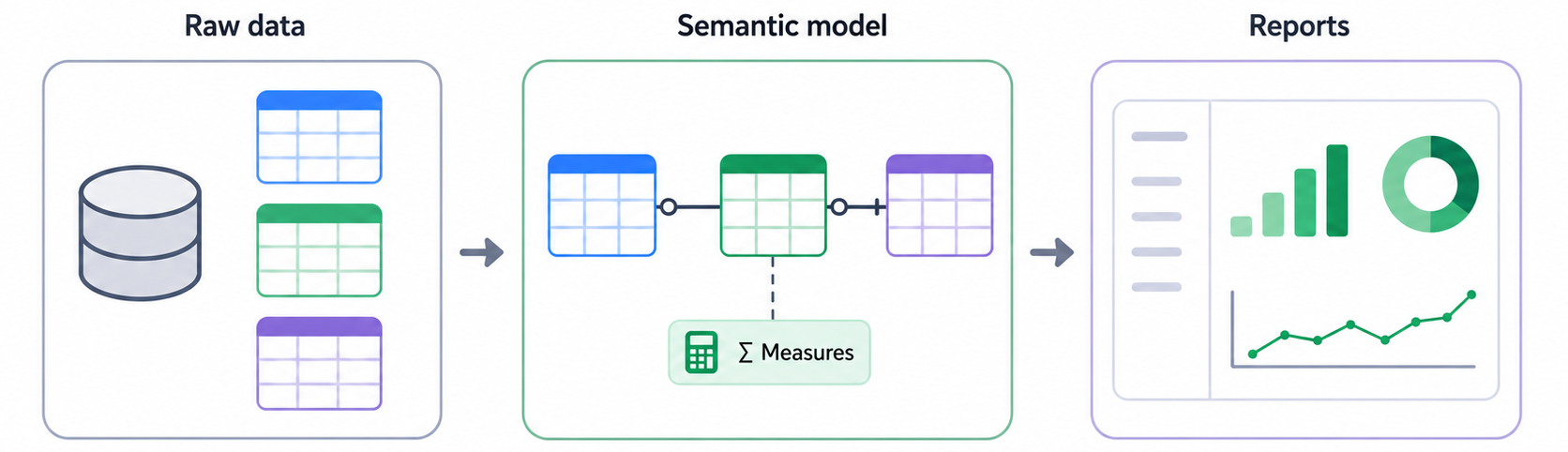
From raw data to insight
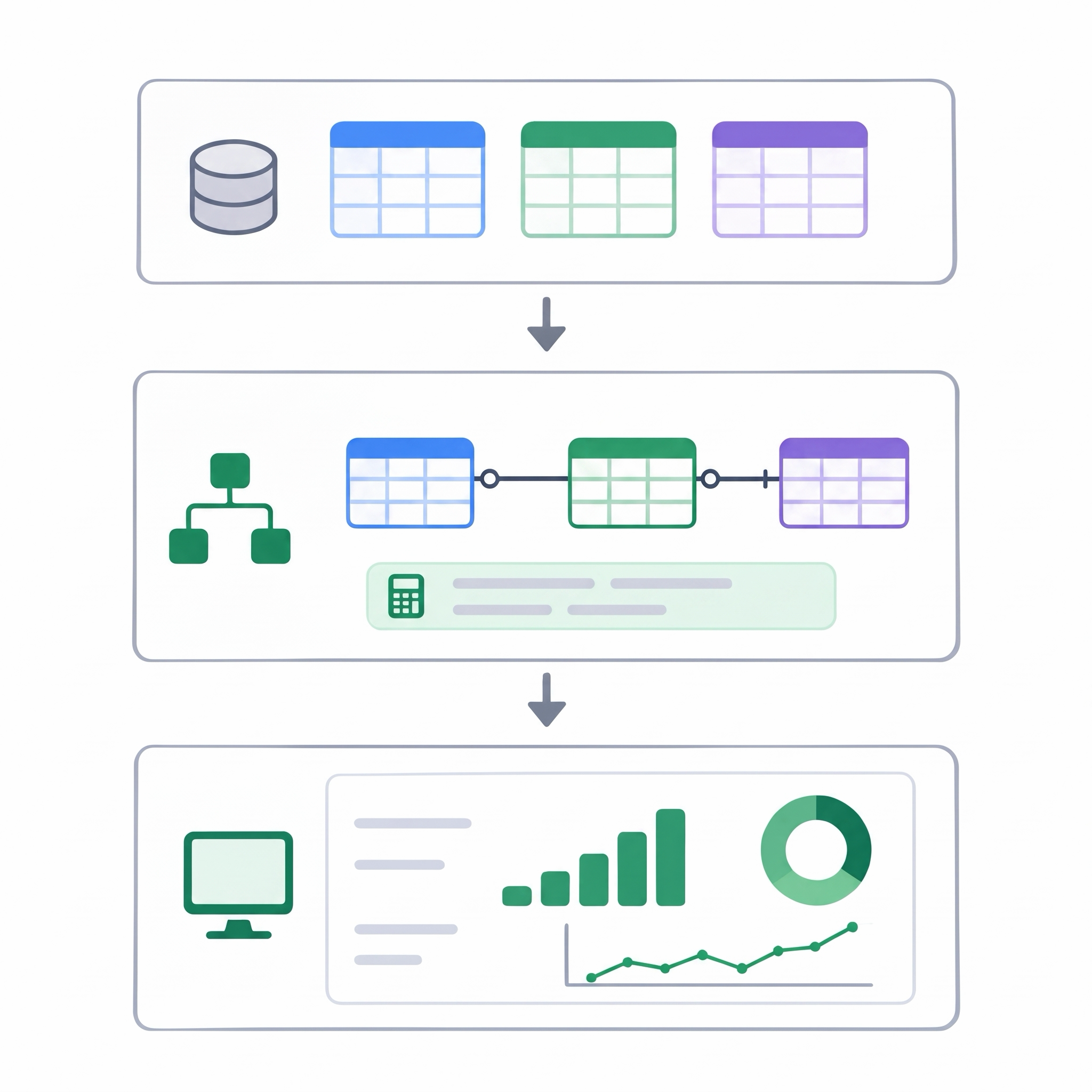
Raw tables alone don't explain the business
Tables hold related records: customers, products, orders
Semantic models add connections and calculations
Reports present the results
What is a semantic model?
Organizes stored data for reporting
Connects related tables
Defines business calculations
Provides a foundation for reports
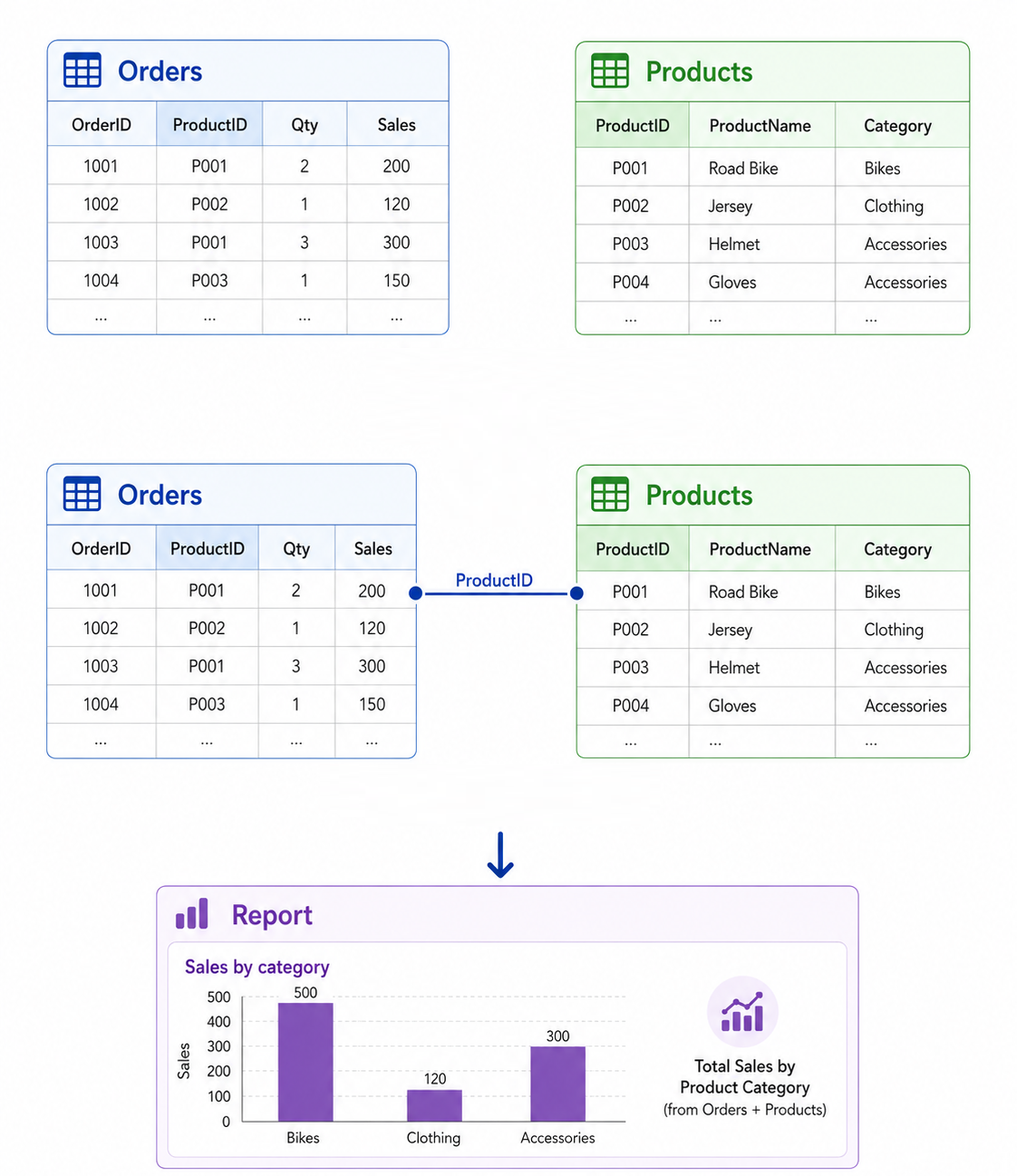
Relationships
Connect tables through matching columns
Allow information to be combined
Example: sales by product category
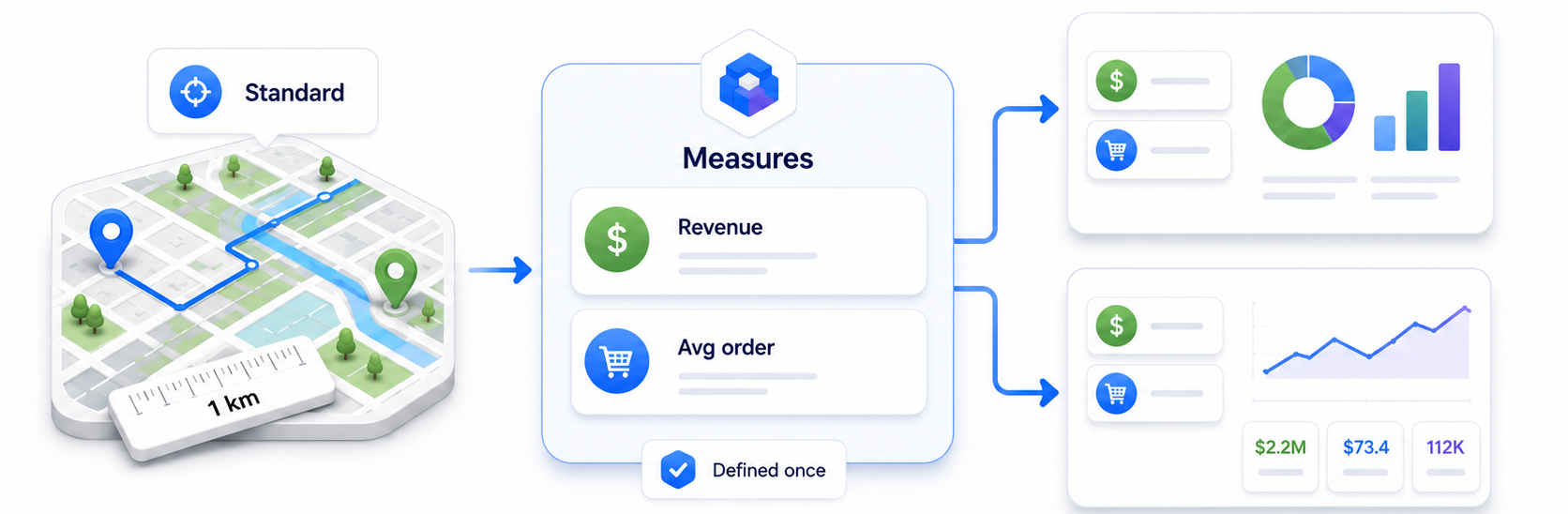
Measures
Business calculations defined once
Example: Total Revenue, Average Order Value
Keep reports consistent
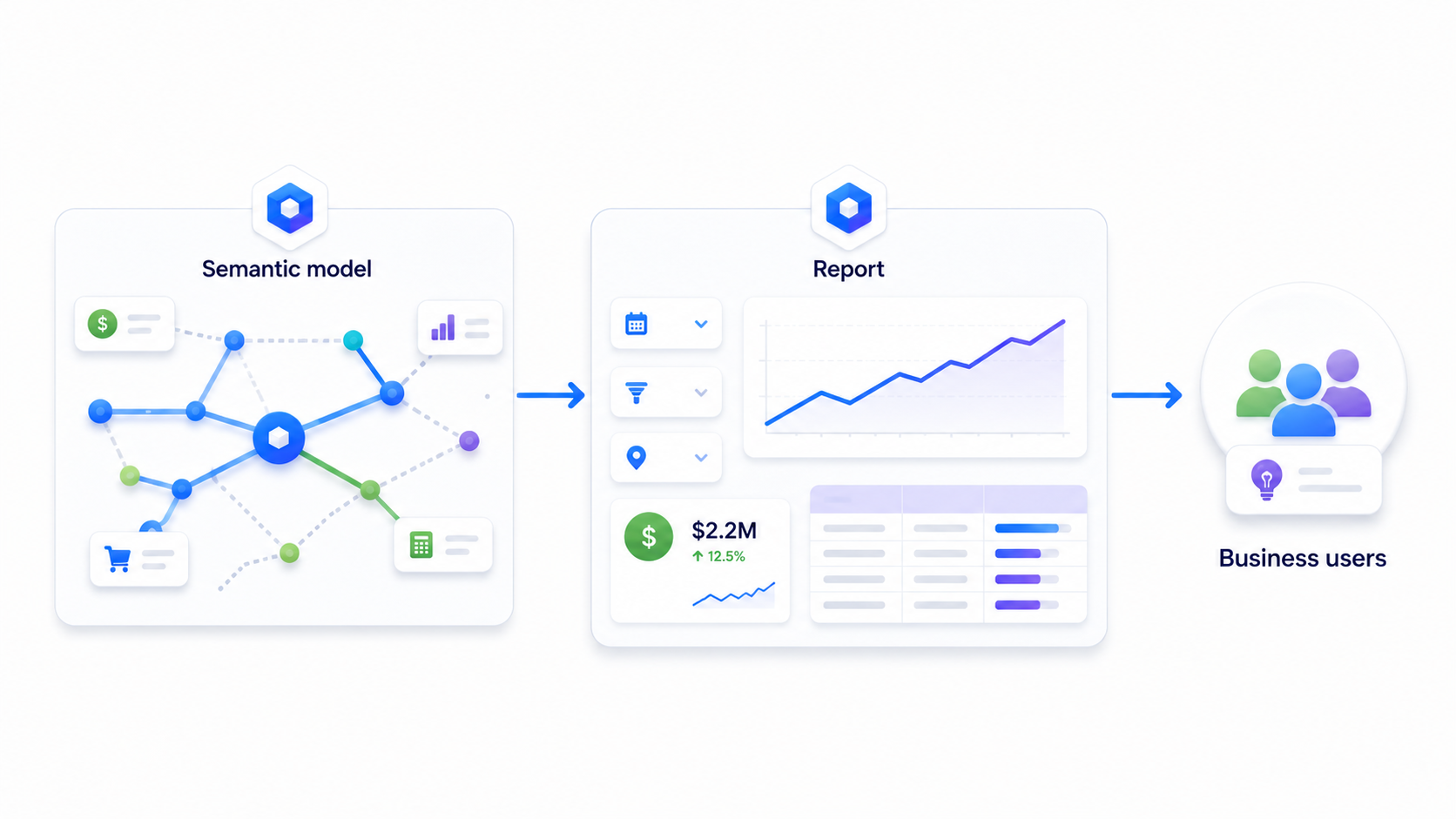
Reports use semantic models
Semantic model: structure and calculations
Report: charts and filters
Business user: explores the results
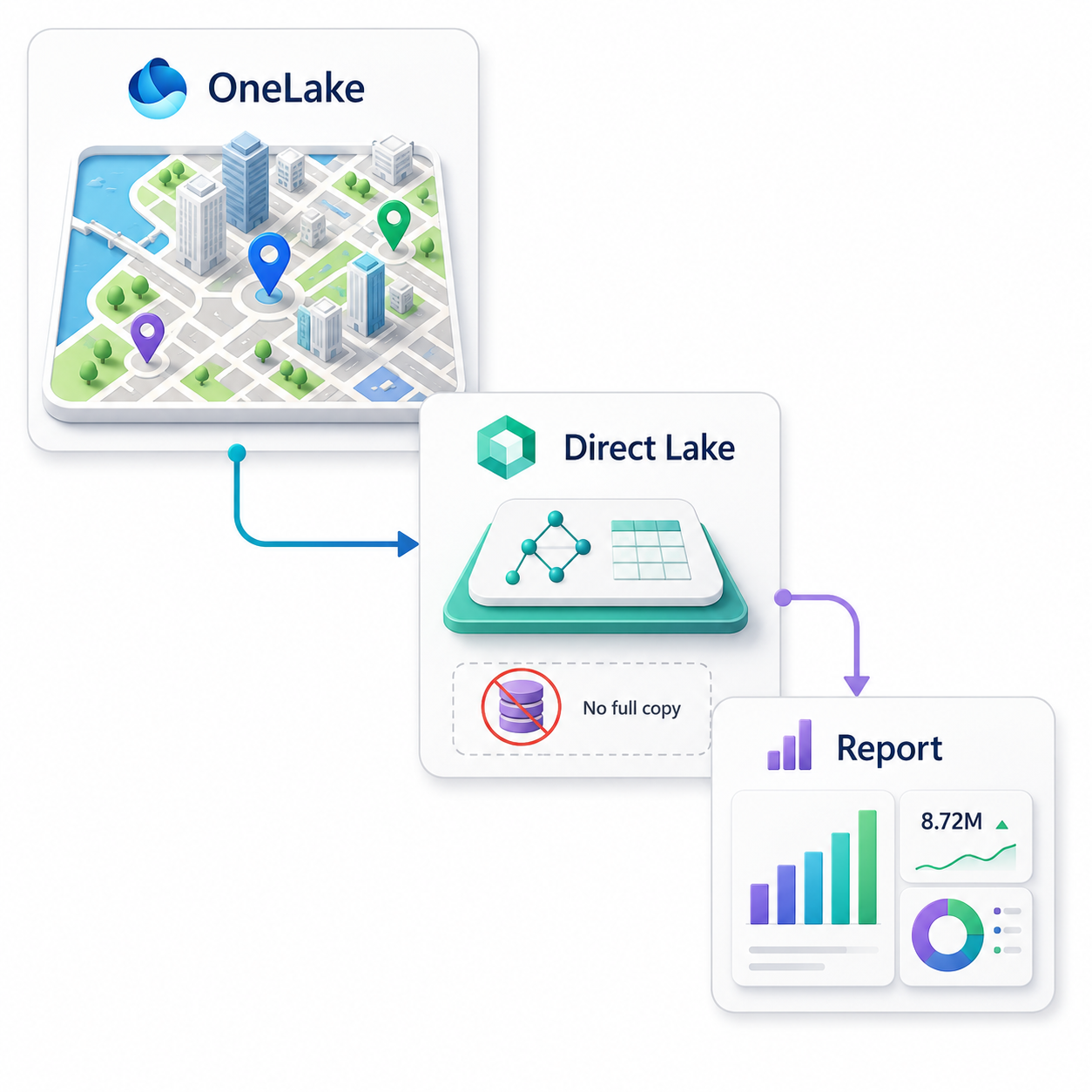
Direct Lake
A semantic model storage mode
Reads data directly from OneLake
Fast: columns held in memory
No copy to refresh
Alternative storage modes
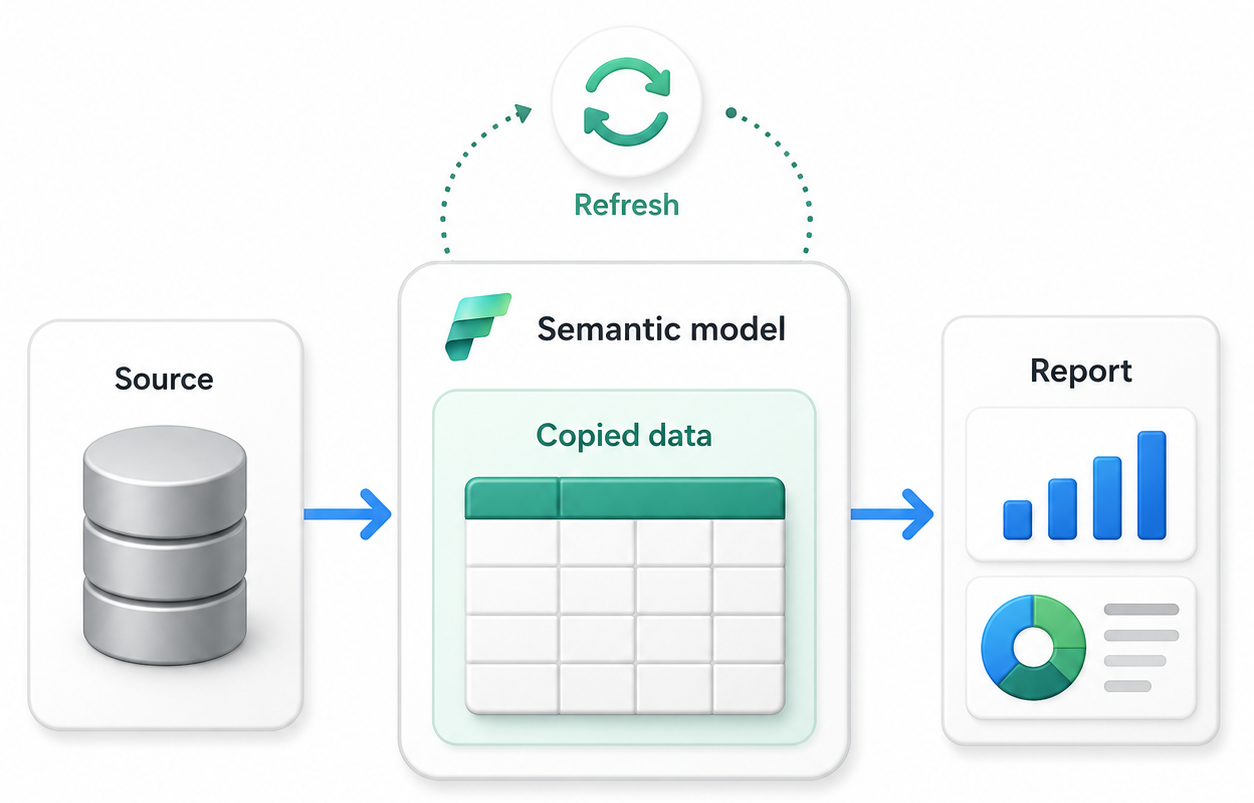
Import
Copies data into the semantic model
Data needs to be periodically refreshed
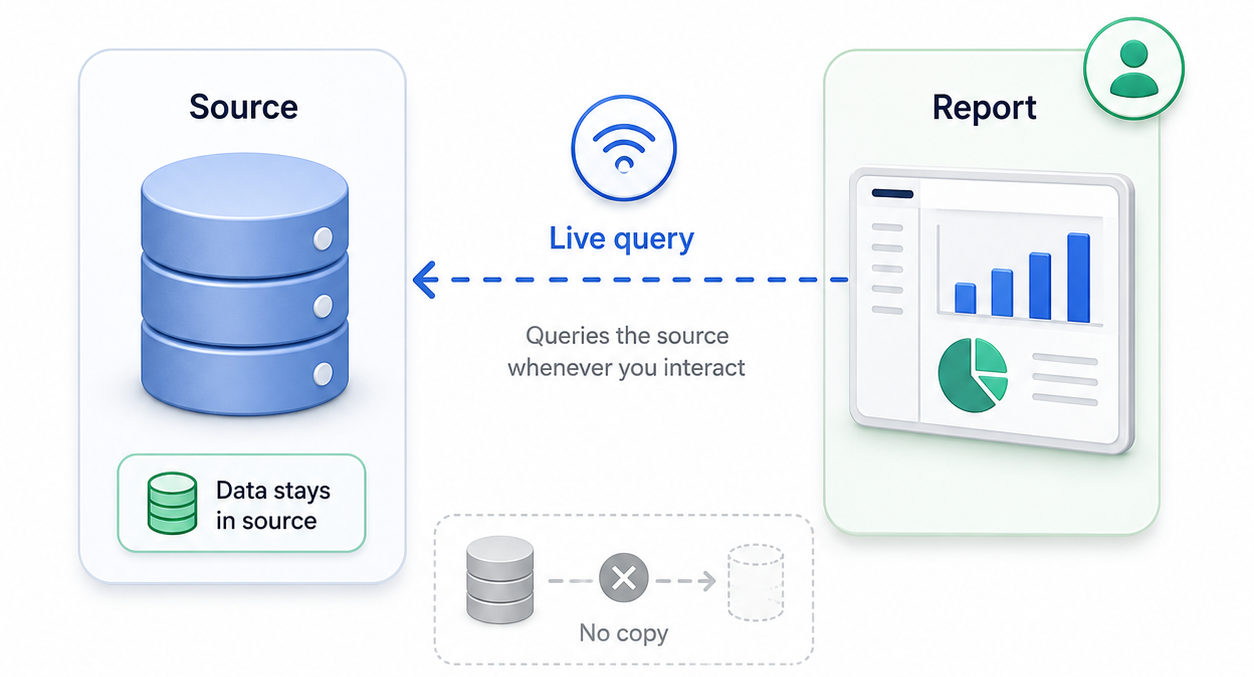
DirectQuery
Keeps data in the original source
Queries the source on interaction
Fresher data, but can be slower
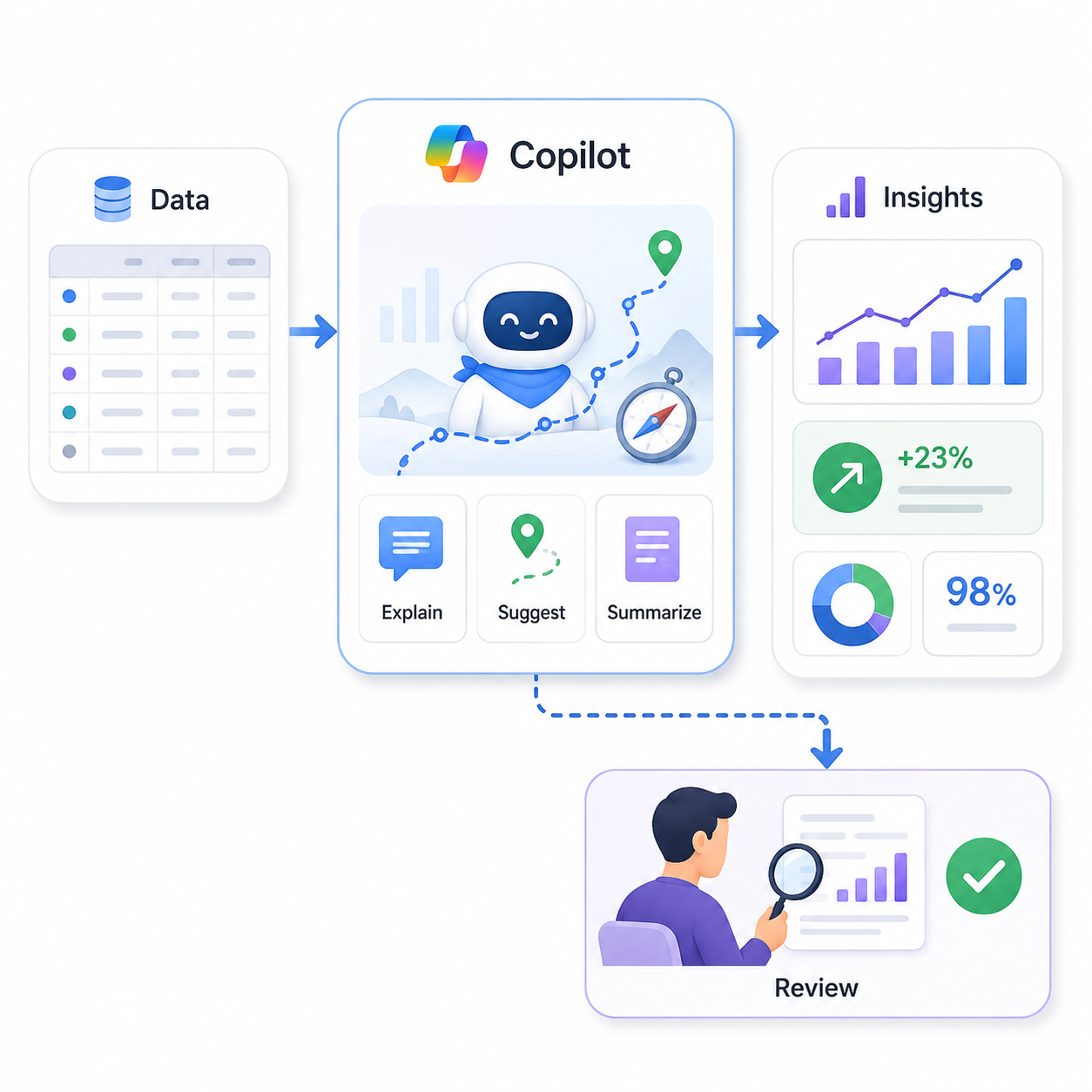
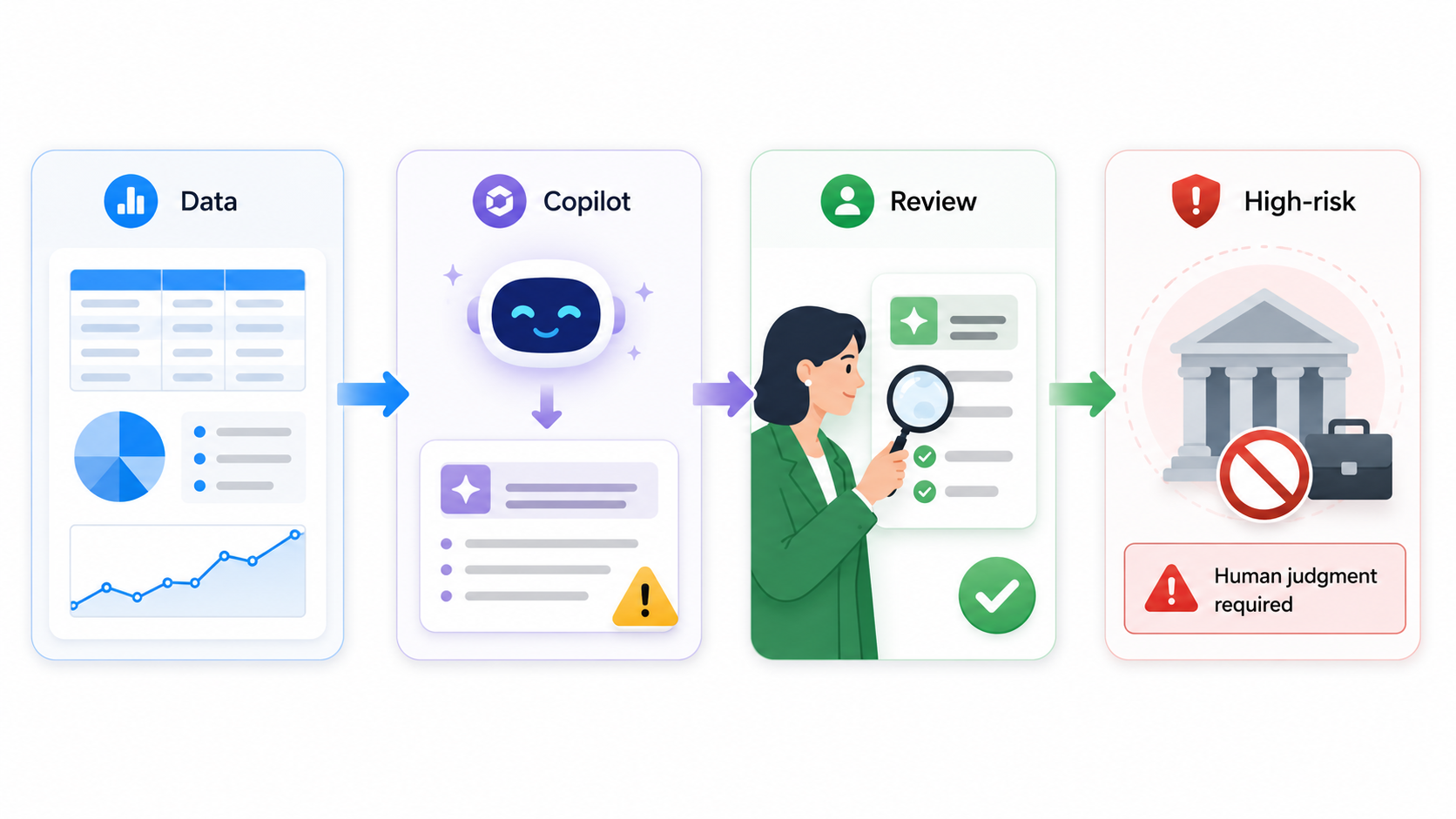
Copilot in analytics
An AI assistant for analytics tasks
Can summarize a report or suggest visuals
Helps turn raw data into actionable insights
Reviewing Copilot's work
Copilot can make mistakes
Review output before relying on it
Review matters most in high-risk areas
Let's practice!
Introduction to Microsoft Fabric
Preparing Video For Download...