CTR-Vorhersage mit Entscheidungsbäumen
CTR-Vorhersage mit Machine Learning in Python

Kevin Huo
Instructor
Entscheidungsbäume
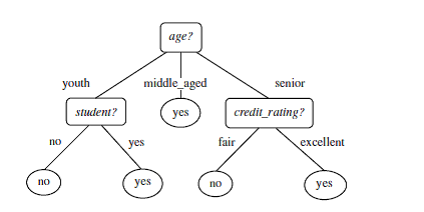
- Knoten stehen für Features
- Äste stehen für featurebasierte Entscheidungen
Bewertung mit ROC-Kurve
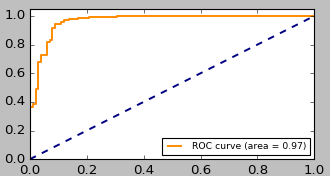
- True-Positive-Rate (Y-Achse) = #(Klassifikator sagt positiv, tatsächlich positiv) / #(Positive)
- False-Positive-Rate (X-Achse) = #(Klassifikator sagt positiv, tatsächlich negativ) / #(Negative)
- Gepunktete blaue Linie: Basis-AUC 0,5
- Orange Linie (AUC) soll möglichst nahe 1 liegen

