Business insights with semantic models

Introduction to Microsoft Fabric

Fiodar Sazanavets

Senior Software Engineer

From raw data to insight

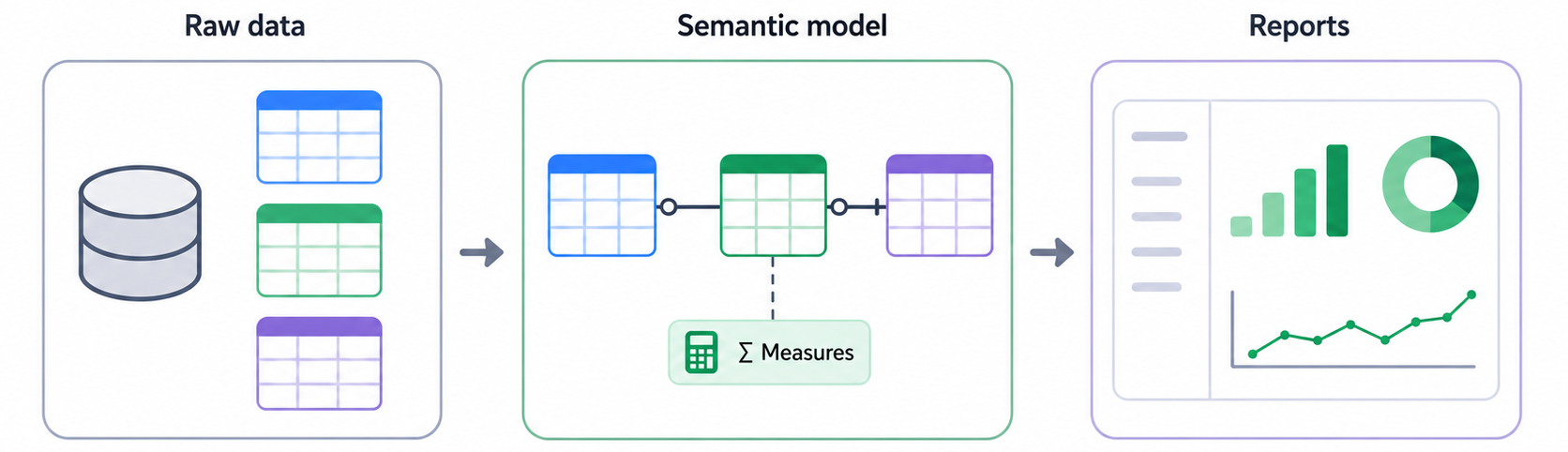
  • Raw tables alone don't explain the business
  • Tables hold related records: customers, products, orders
  • Semantic models add connections and calculations
  • Reports present the results

Raw data tables flow into a semantic model that adds relationships and measures, then into reports

Introduction to Microsoft Fabric

What is a semantic model?

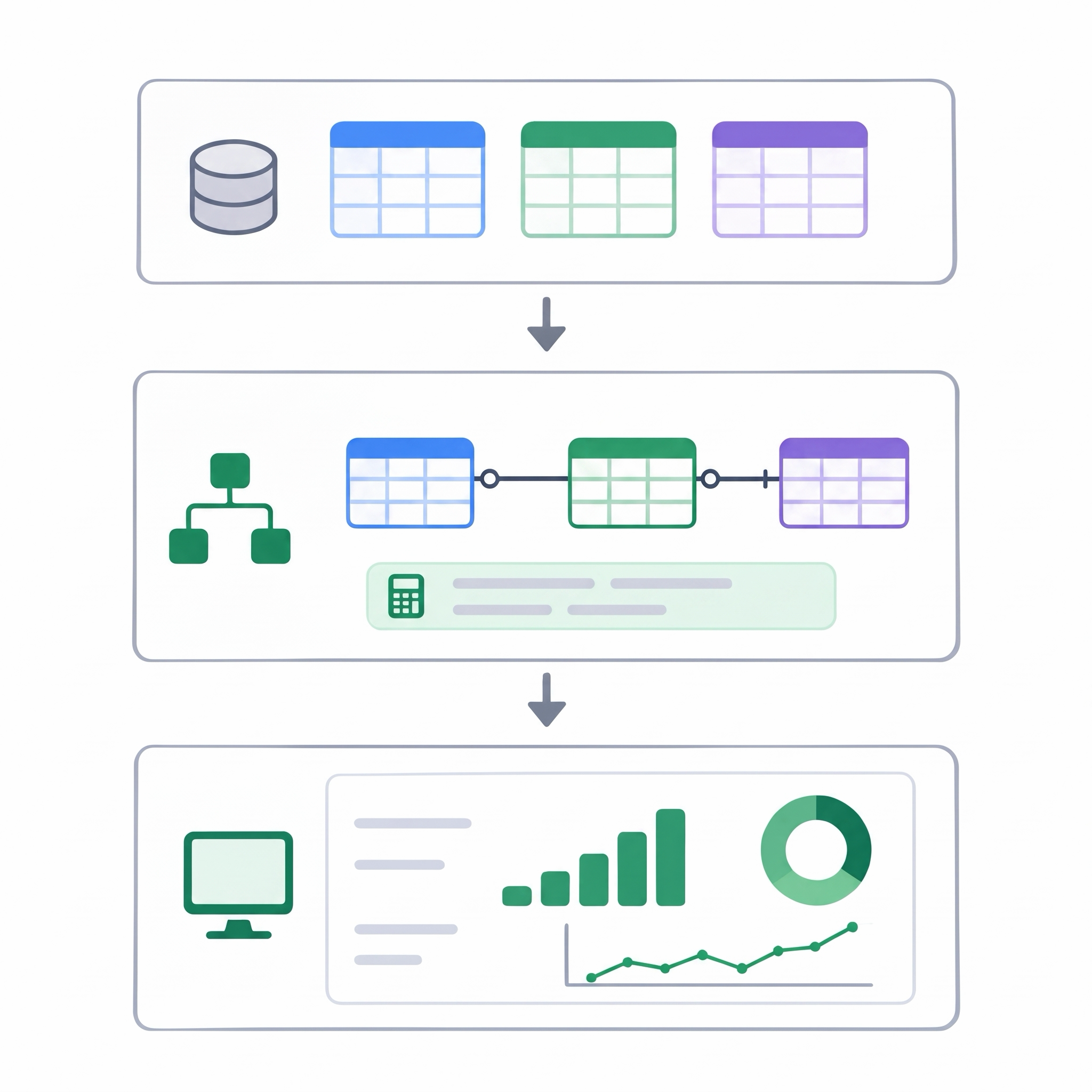
Stored tables become linked tables with a calculated measure in a semantic model, which then feeds a report

  • Organizes stored data for reporting
  • Connects related tables
  • Defines business calculations
  • Provides a foundation for reports
Introduction to Microsoft Fabric

Relationships

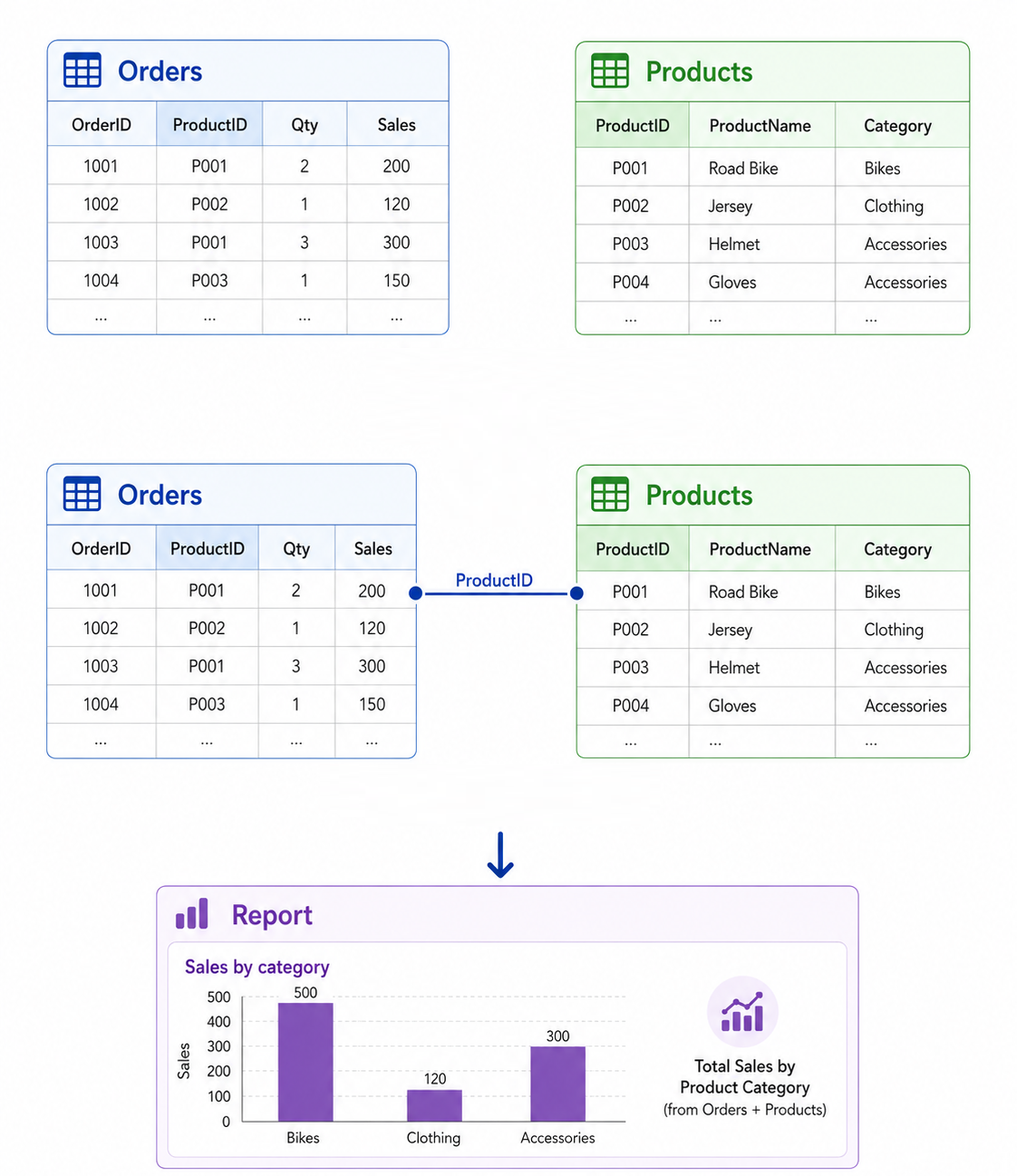
  • Connect tables through matching columns
  • Allow information to be combined
  • Example: sales by product category

Orders and Products tables linked by ProductID, which lets a report show sales by product category

Introduction to Microsoft Fabric

Measures

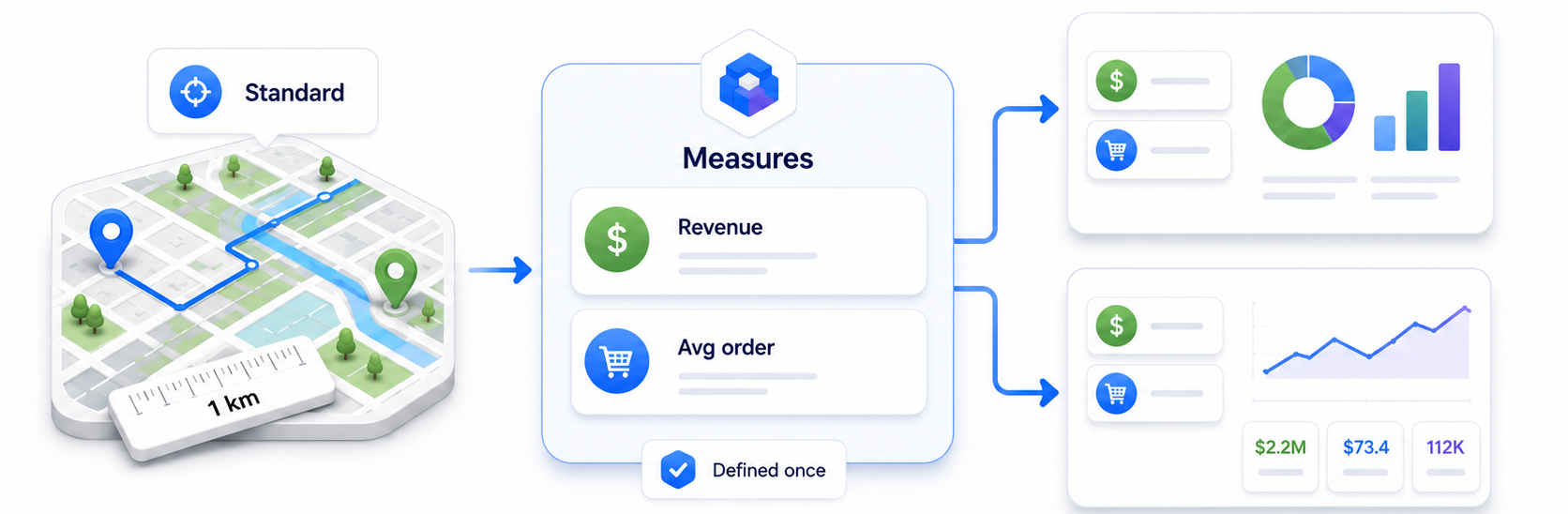
Revenue and Avg order measures are defined once, like a standard map scale, and reused across several reports

  • Business calculations defined once
  • Example: Total Revenue, Average Order Value
  • Keep reports consistent
Introduction to Microsoft Fabric

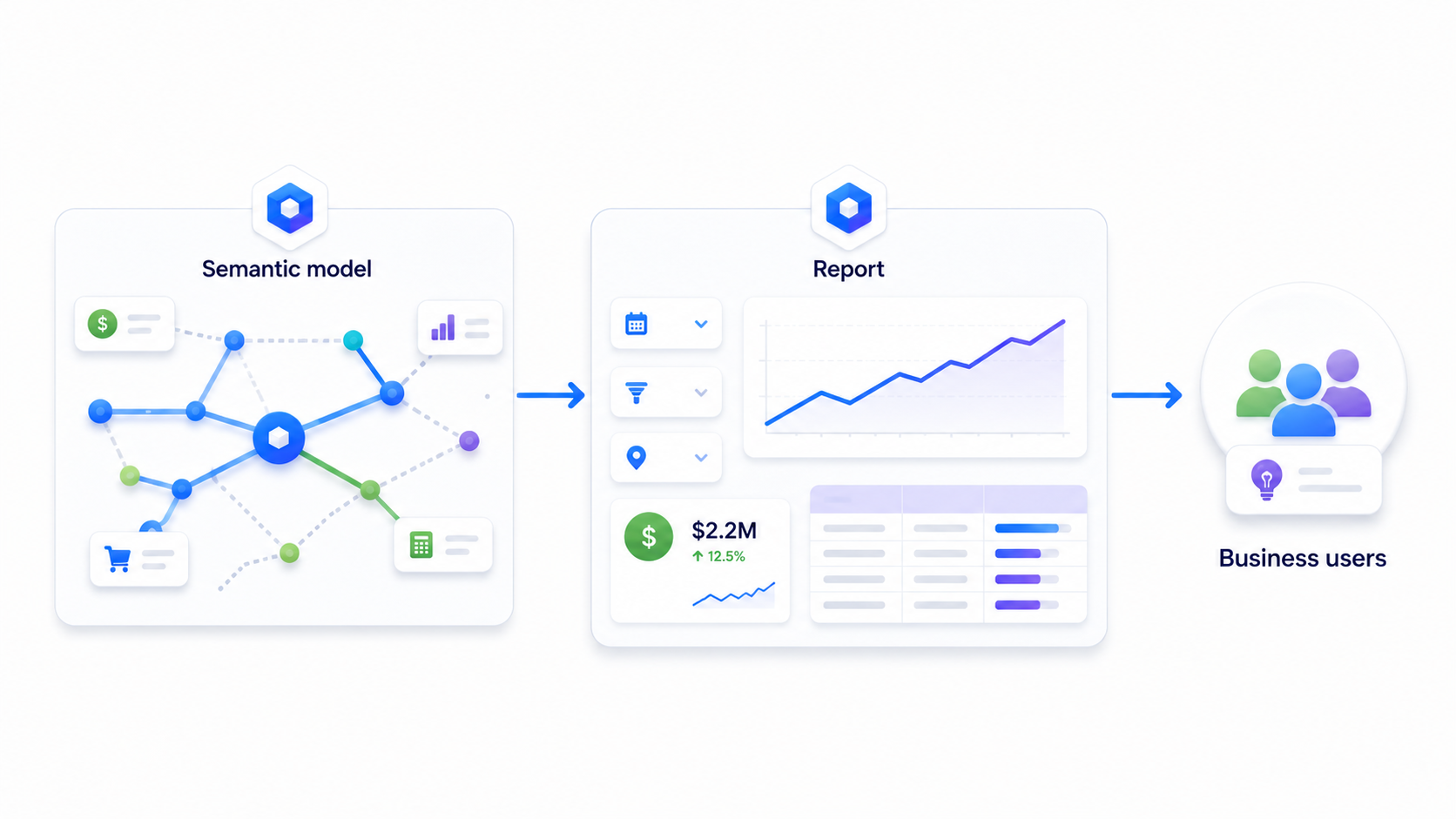
Reports use semantic models

  • Semantic model: structure and calculations
  • Report: charts and filters
  • Business user: explores the results

A semantic model feeds a report with filters and charts, which business users then explore

Introduction to Microsoft Fabric

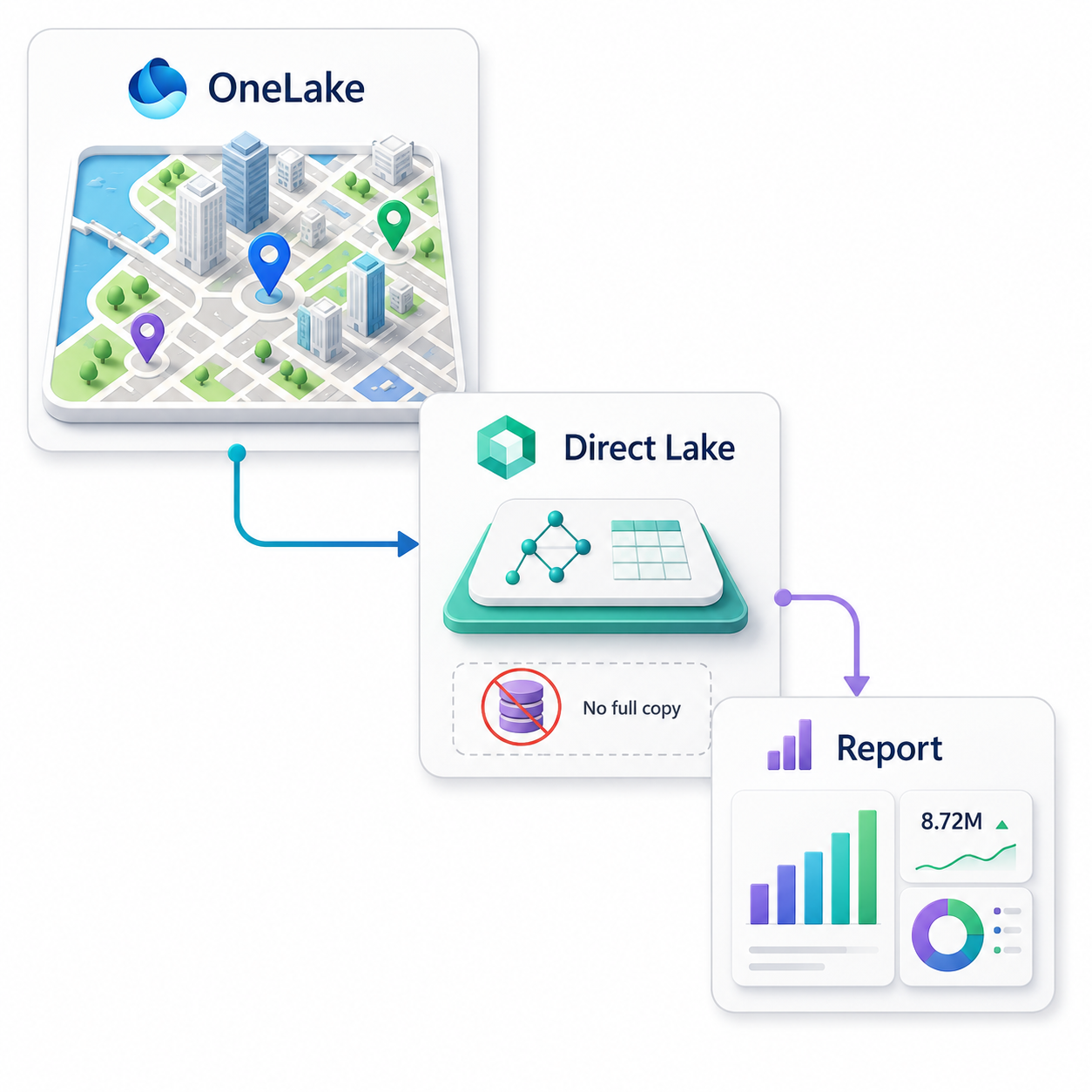
Direct Lake

OneLake data flows through Direct Lake to a report without a full copy being made

  • A semantic model storage mode
  • Reads data directly from OneLake
  • Fast: columns held in memory
  • No copy to refresh
Introduction to Microsoft Fabric

Alternative storage modes

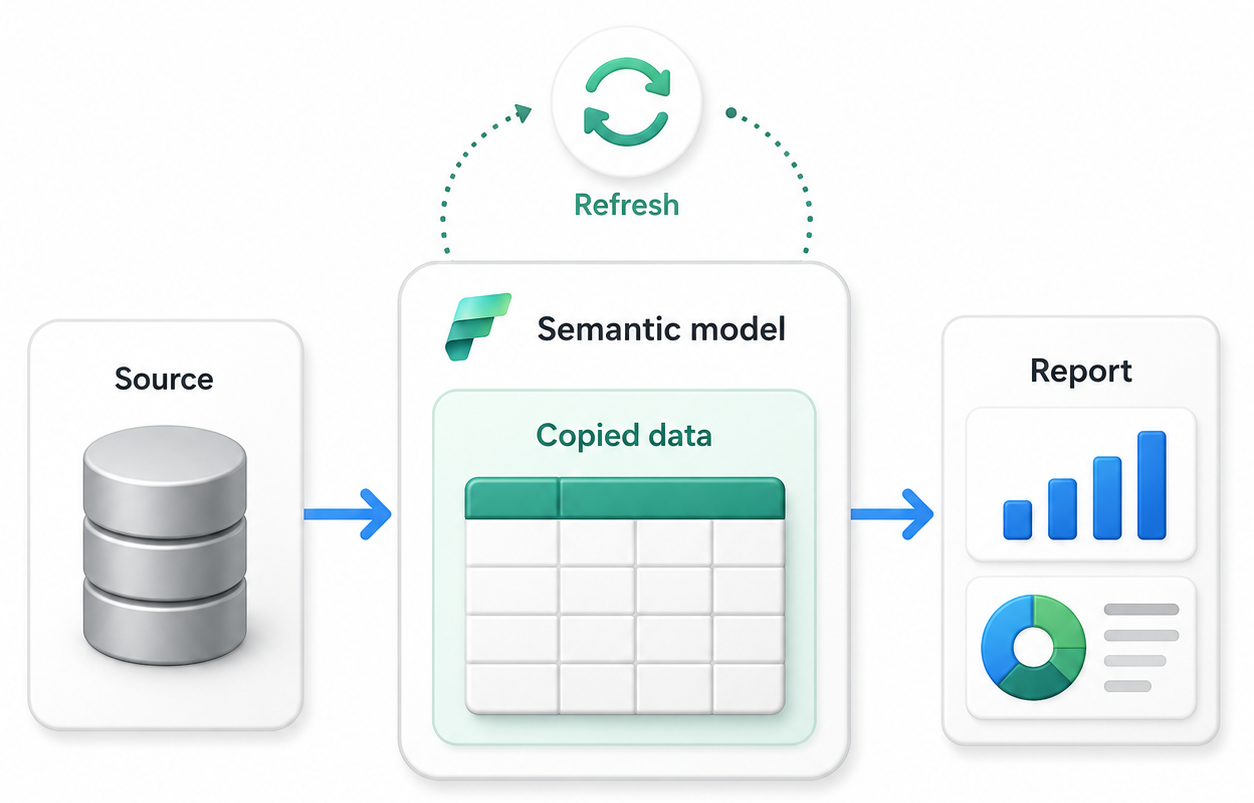
Import

  • Copies data into the semantic model
  • Data needs to be periodically refreshed

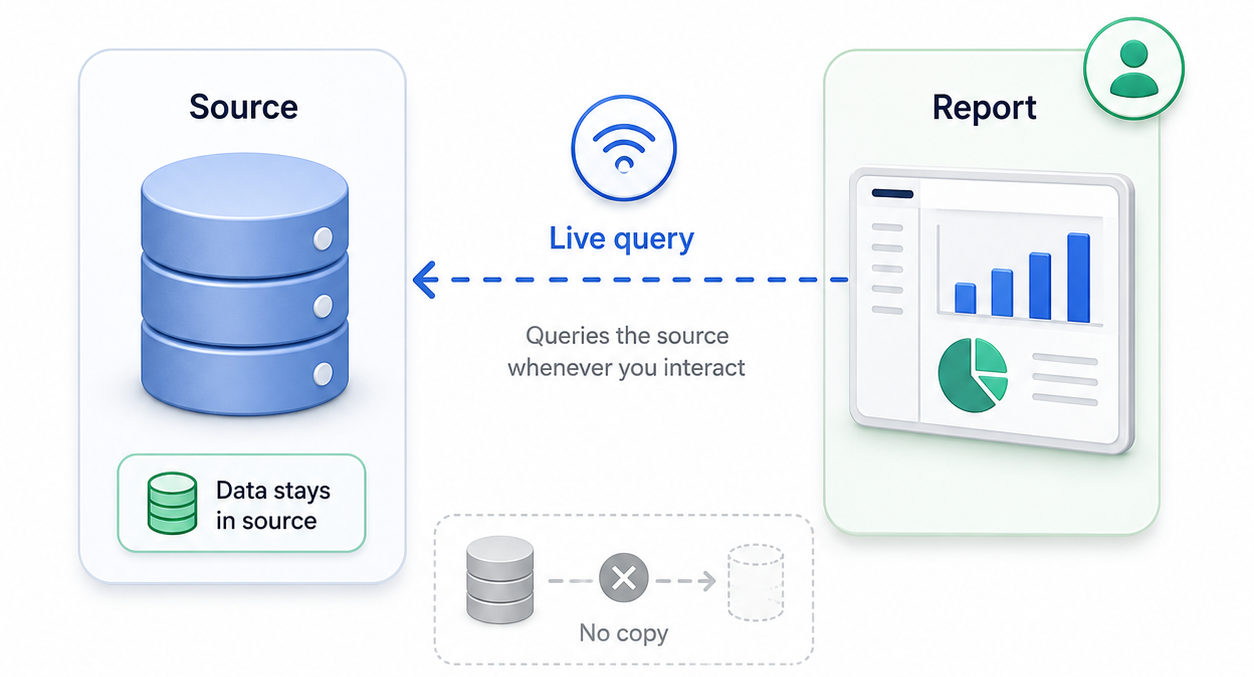
DirectQuery

  • Keeps data in the original source
  • Queries the source on interaction
  • Fresher data, but can be slower

Import mode: data is copied from the source into the semantic model, refreshed regularly, then shown in a report

DirectQuery mode: a report queries the source live whenever users interact, and no data is copied

Introduction to Microsoft Fabric

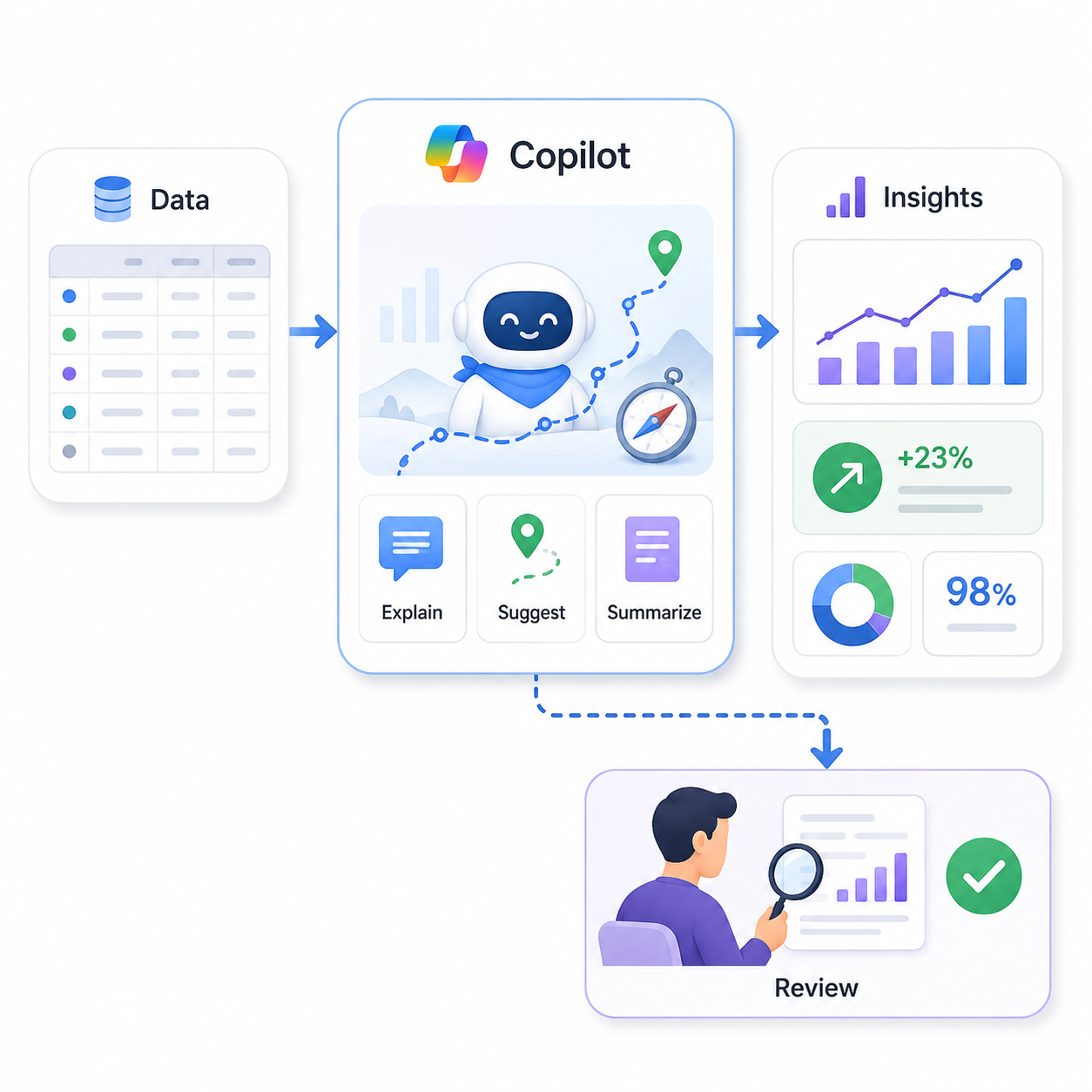
Copilot in analytics

  • An AI assistant for analytics tasks
  • Can summarize a report or suggest visuals
  • Helps turn raw data into actionable insights

Copilot turns data into insights by explaining, suggesting, and summarizing, and a person reviews the output

Introduction to Microsoft Fabric

Reviewing Copilot's work

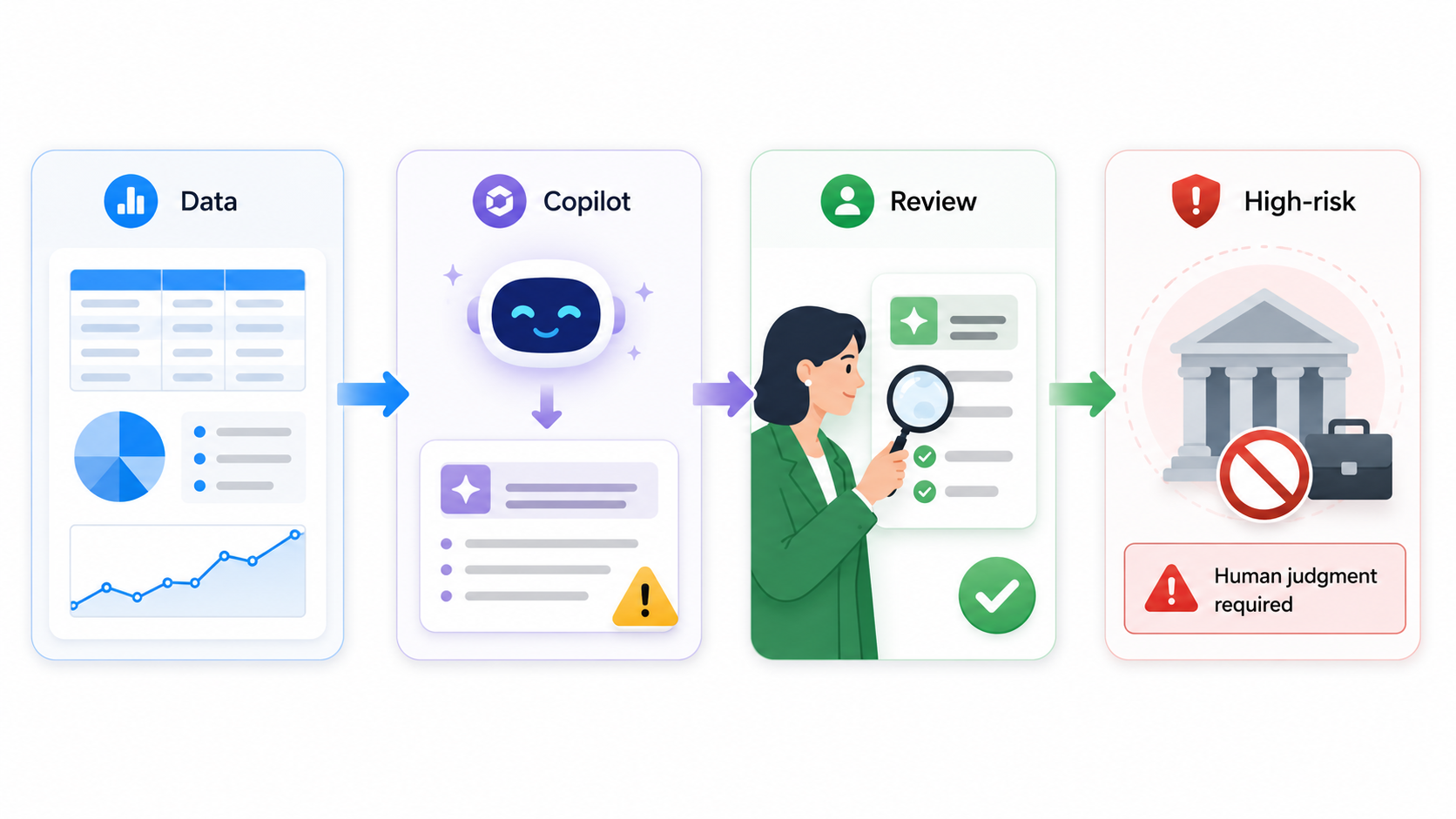
Copilot output flagged with a warning goes to human review, and high-risk decisions require human judgment

  • Copilot can make mistakes
  • Review output before relying on it
  • Review matters most in high-risk areas
Introduction to Microsoft Fabric

Let's practice!

Introduction to Microsoft Fabric

Preparing Video For Download...