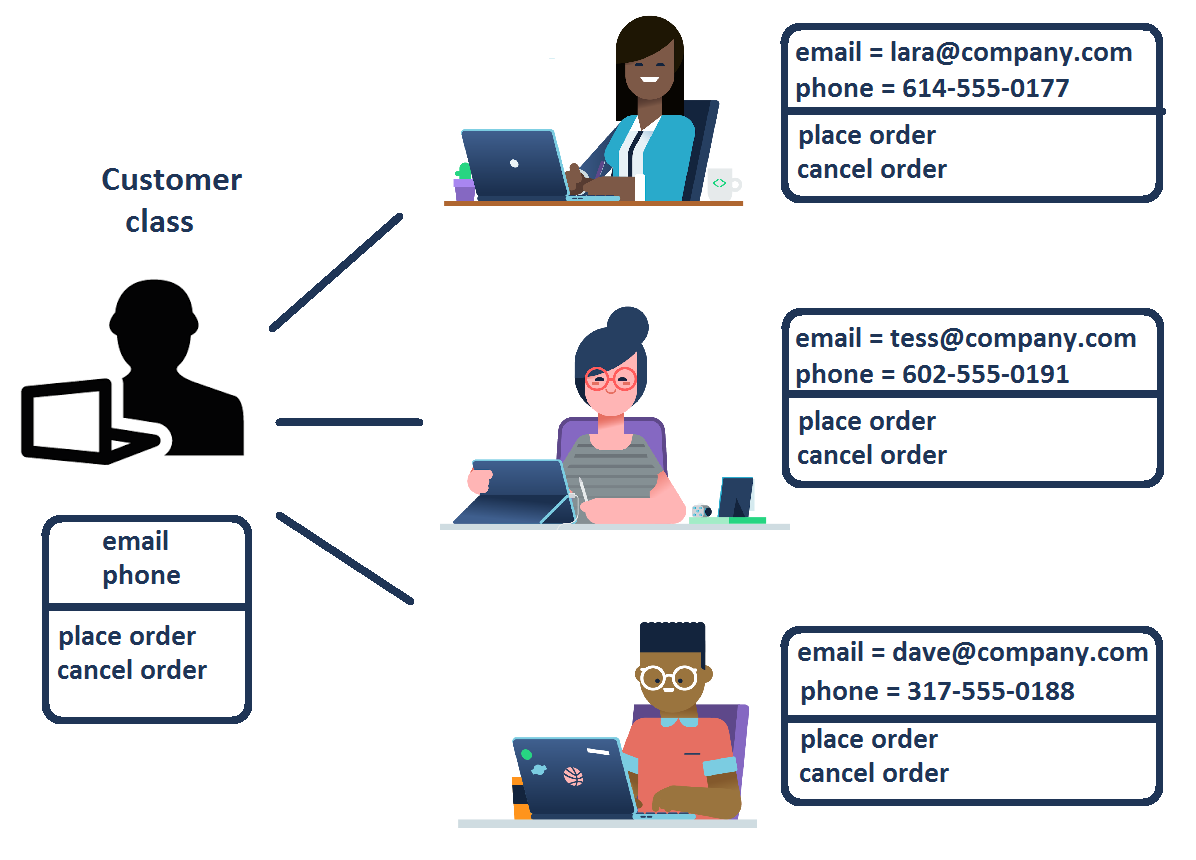
Wat is OOP?
Objectgeoriënteerd programmeren in Python

Alex Yarosh
Content Quality Analyst @ DataCamp
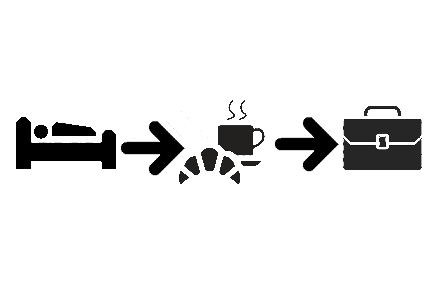
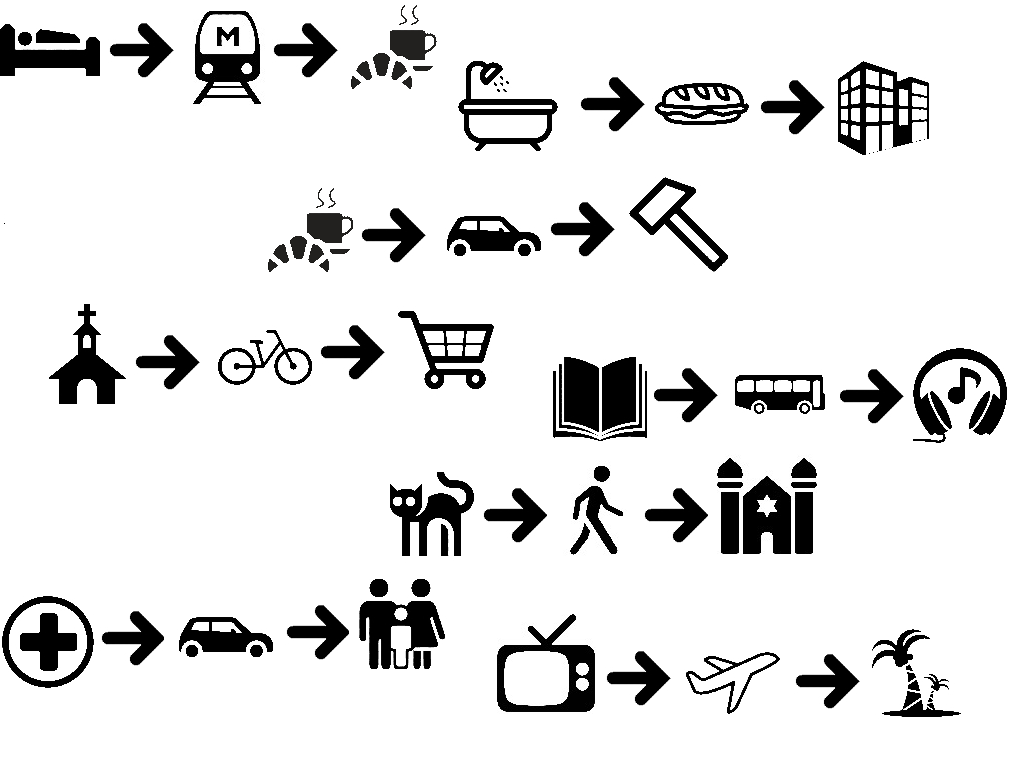
Denken in reeksen
Objecten als datastructuren
$$\Large{\text{Object = toestand + gedrag}}$$

$$\text{\textbf{Encapsulatie} - bundelen van data met code die erop werkt}$$
Klassen als blauwdrukken
- Klasse: blauwdruk voor objecten met mogelijke toestanden en gedragingen
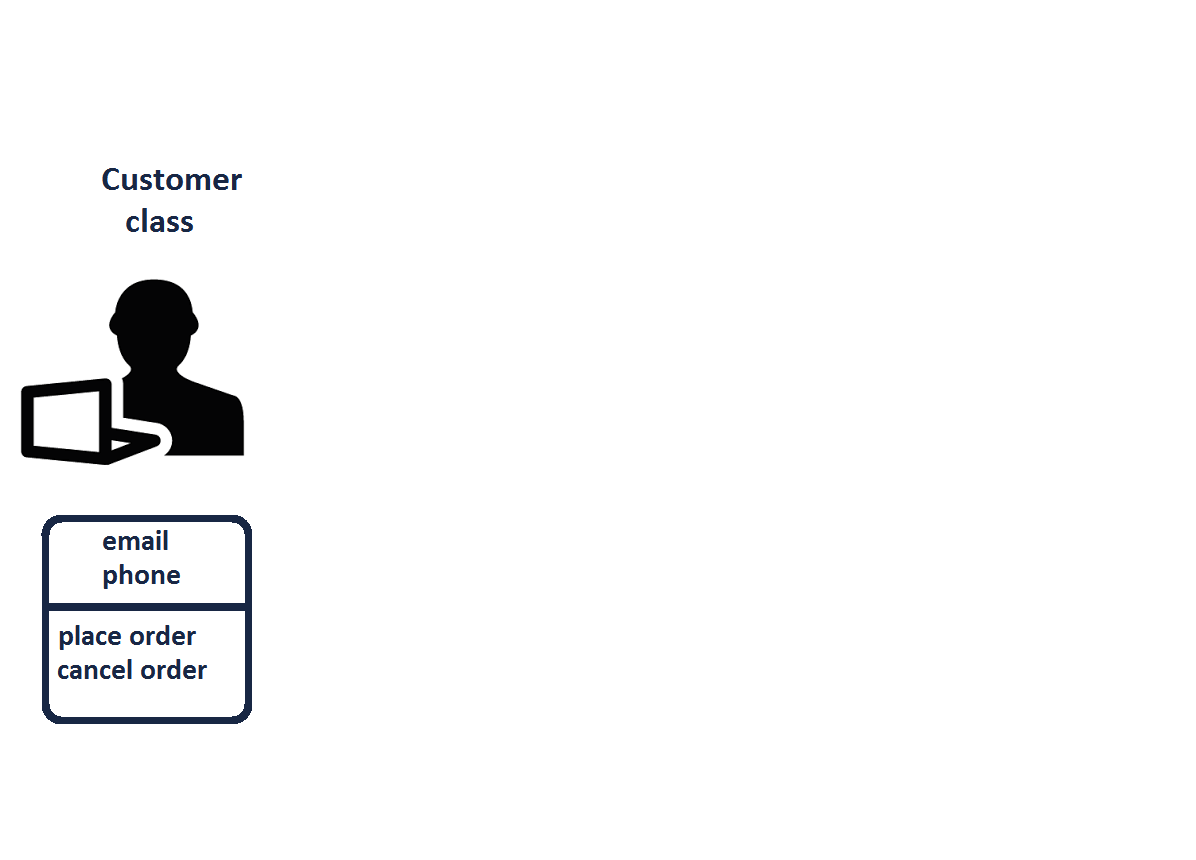
Klassen als blauwdrukken
- Klasse: blauwdruk voor objecten met mogelijke toestanden en gedragingen