Congratulations!

Data Ingestion and Semantic Models with Microsoft Fabric

Fiodar Sazanavets

Senior Software Engineer

Data ingestion patterns in Fabric
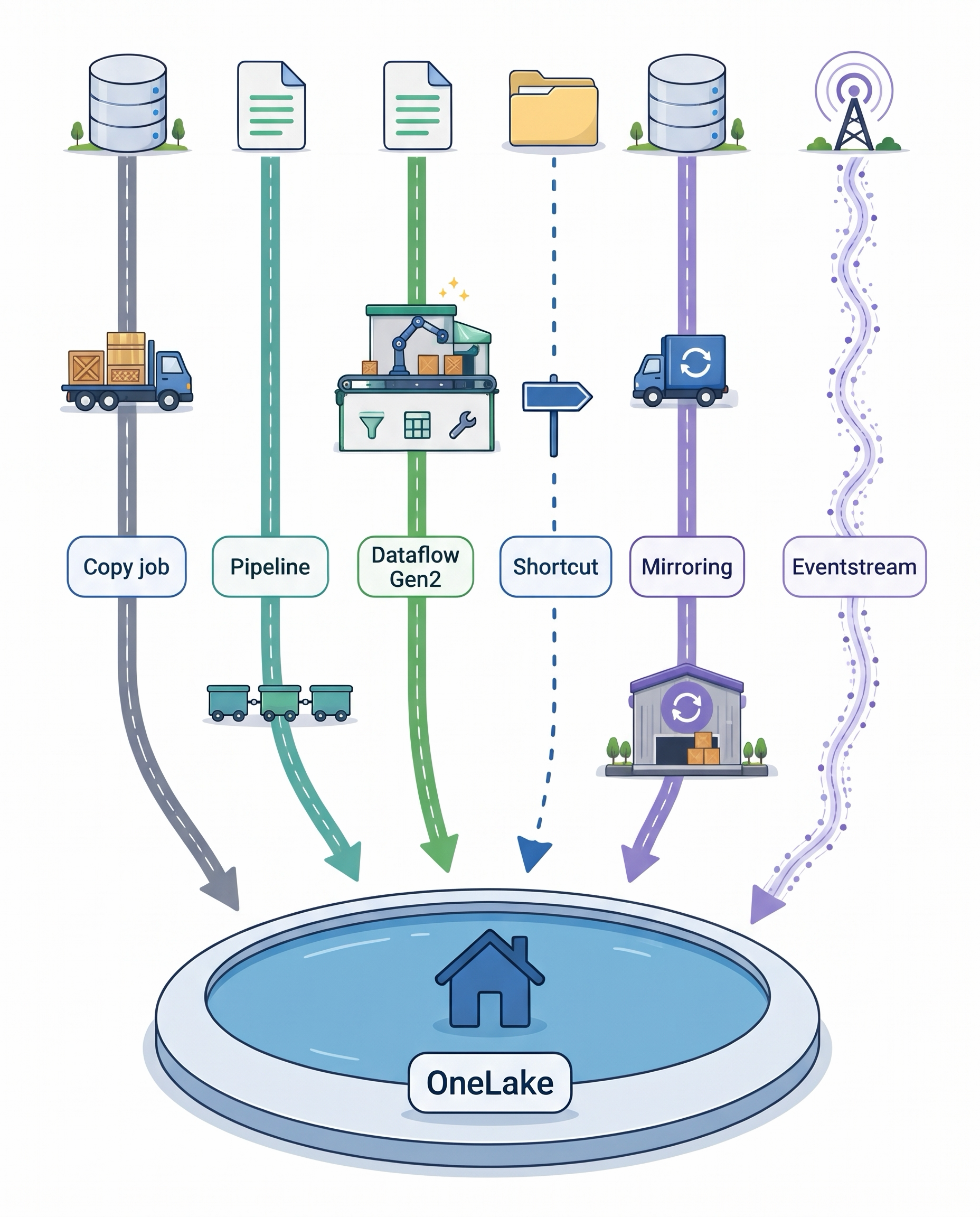
  • Match ingestion patterns to movement and latency needs
  • Build Copy jobs and focused pipelines
  • Parameterize, schedule, and monitor pipeline runs
  • Compare no-copy shortcuts with replicated mirroring

Six routes into OneLake: Copy job, Pipeline, Dataflow Gen2, Shortcut, Mirroring, and Eventstream

Data Ingestion and Semantic Models with Microsoft Fabric

Data management and transformation in Fabric
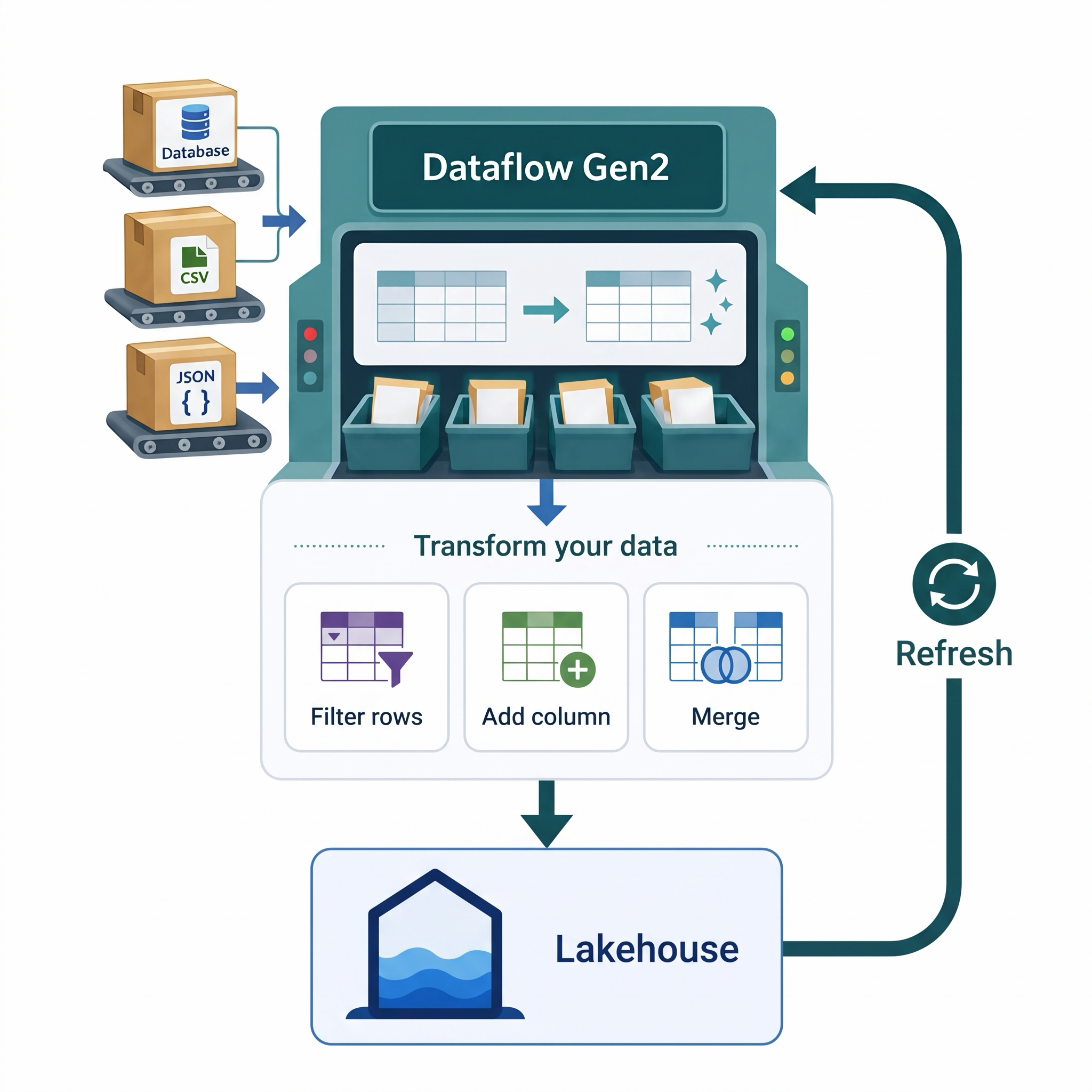
Database, CSV, and JSON sources flow through Dataflow Gen2 (filter rows, add column, merge) into a lakehouse, with a refresh loop

  • Transform data with Dataflow Gen2 and Power Query
  • Configure destinations and refresh behavior
  • Improve performance with staging and Fast Copy
  • Find the bottleneck before optimizing
Data Ingestion and Semantic Models with Microsoft Fabric

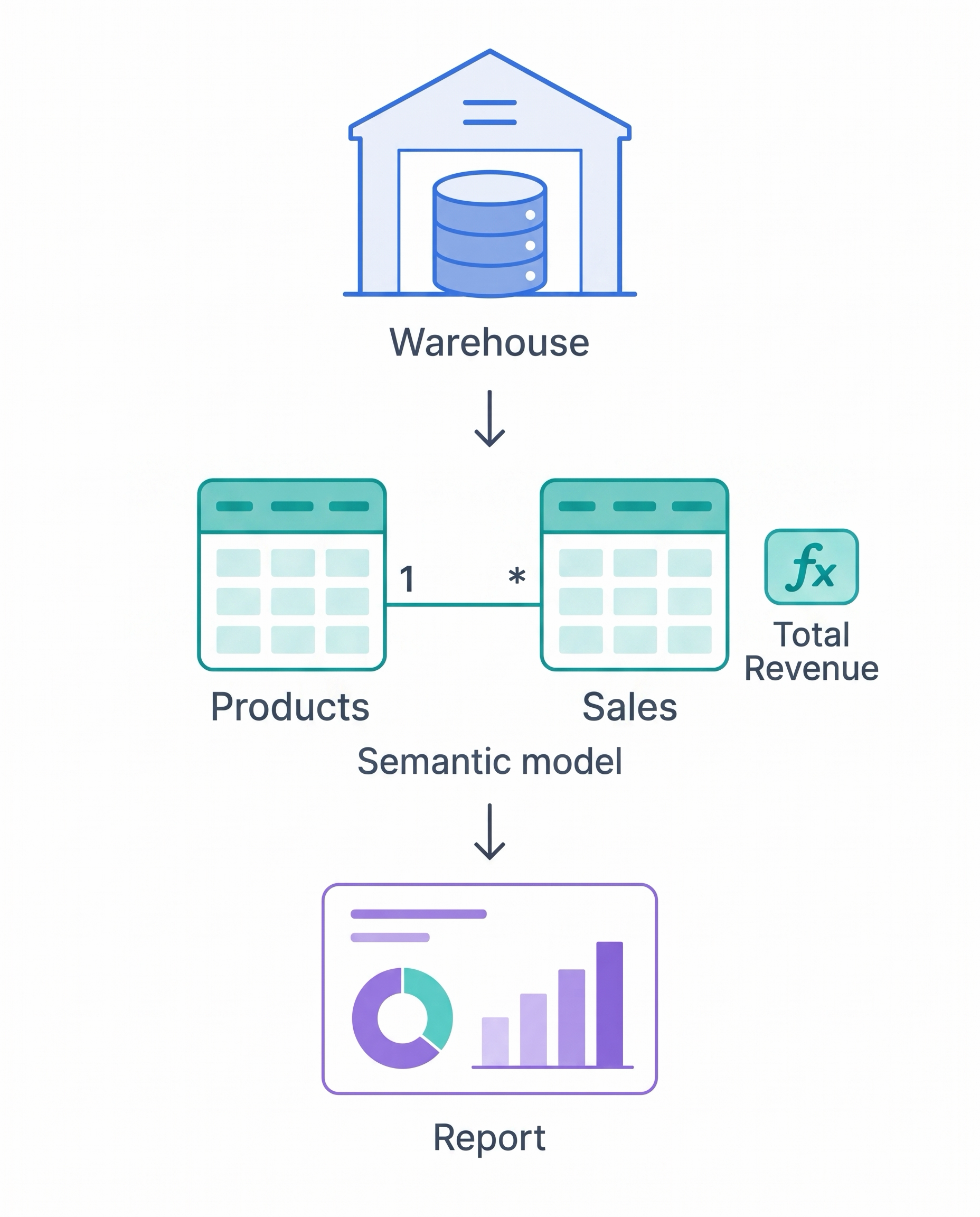
Designing semantic models

  • Choose semantic model storage modes
  • Explain Direct Lake routes and behavior
  • Design facts, dimensions, and relationships
  • Create DAX calculations and review Copilot drafts

Warehouse feeding a semantic model with related tables and a measure, which feeds a report

Data Ingestion and Semantic Models with Microsoft Fabric

Securing and optimizing semantic models
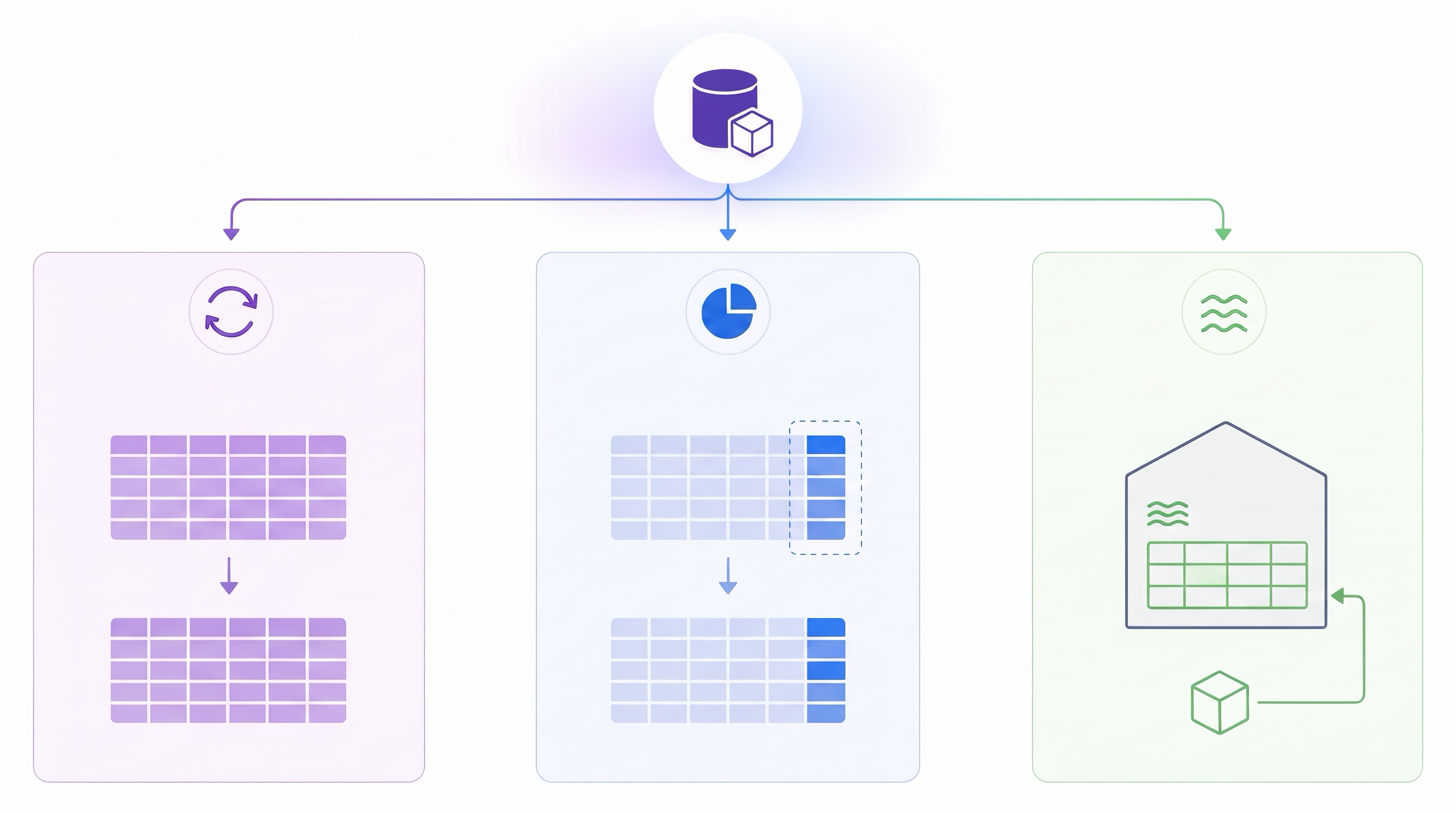
Three refresh patterns: full reload, incremental partition reload, and Direct Lake pointing at the latest table version

  • Restrict rows or objects with model security
  • Match refresh strategy to data behavior
  • Check model design with Best Practice Analyzer
  • Know when Performance Analyzer and DAX Studio help with slow reports
Data Ingestion and Semantic Models with Microsoft Fabric

Where to go from here

Data Ingestion and Semantic Models with Microsoft Fabric

Good luck!

Data Ingestion and Semantic Models with Microsoft Fabric

Preparing Video For Download...