from keras.layers import Dense, Dropout

model = Sequential()
model.add(Dense(500,
                input_dim=scaled_train_features.shape[1],
                activation='relu'))
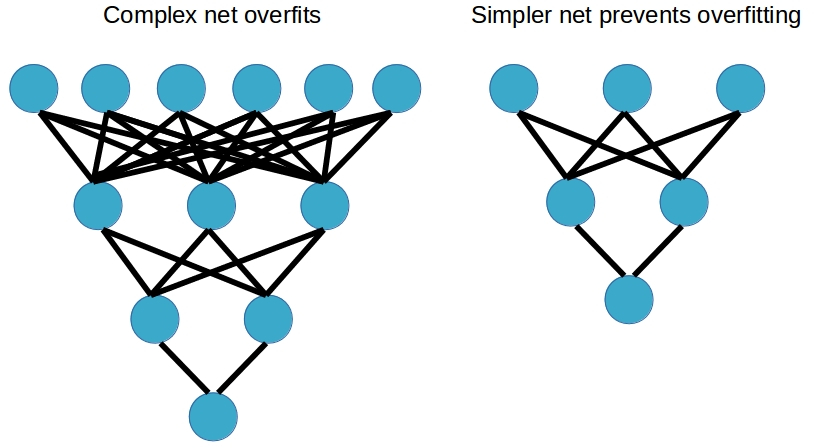
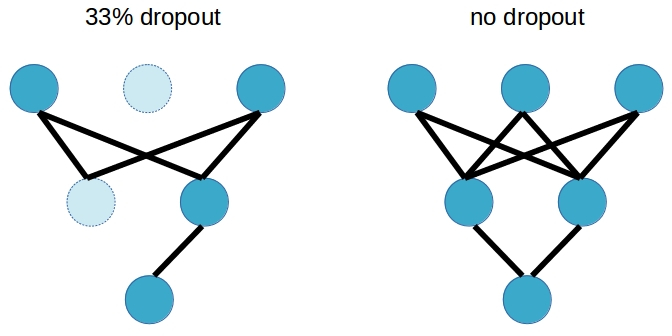
model.add(Dropout(0.5))
model.add(Dense(100, activation='relu'))
model.add(Dense(1, activation='linear'))
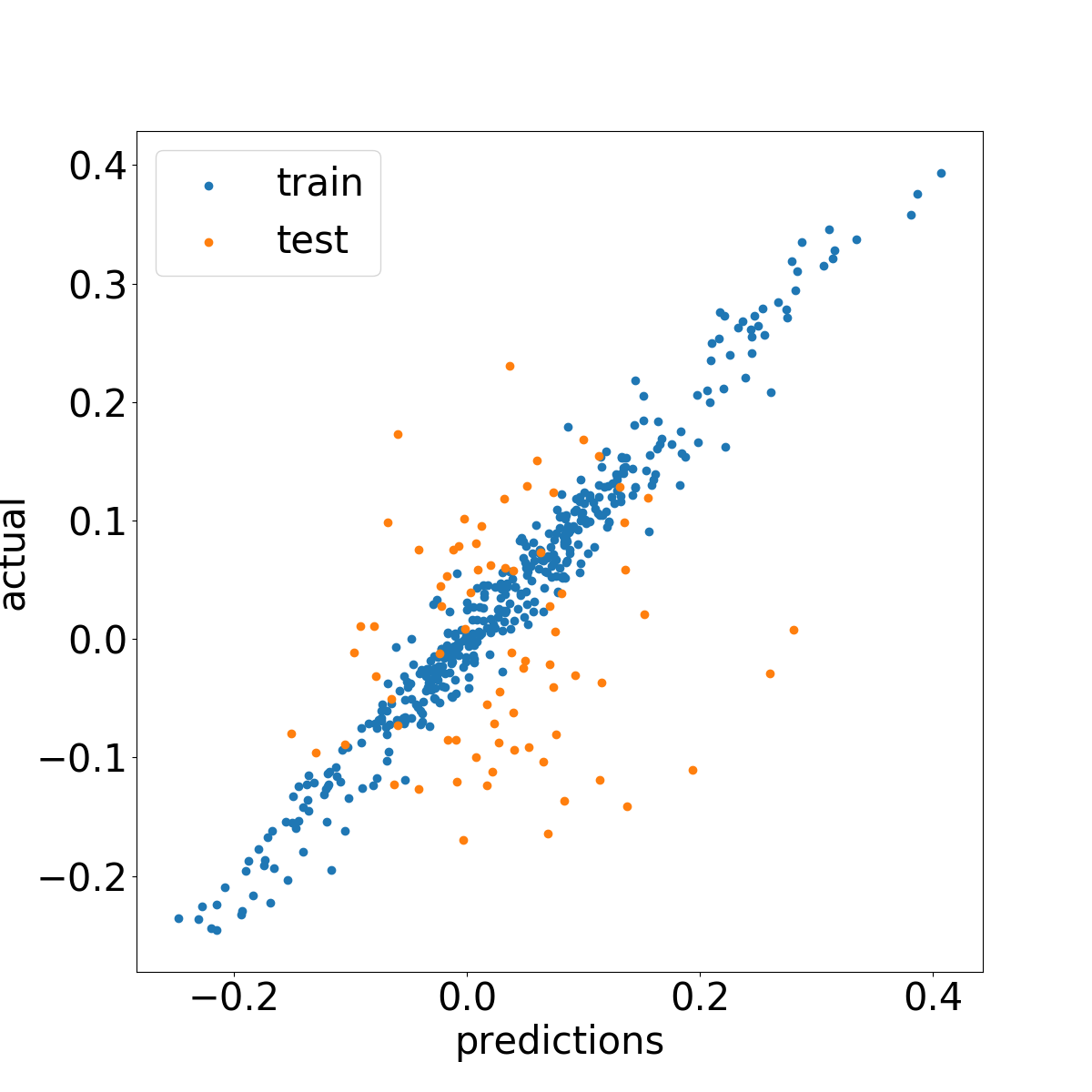
Comparação no conjunto de teste
Valores de R$^2$ em AMD sem dropout:
treino: 0,91
teste: -0,72
Com dropout:
treino: 0,46
teste: -0,22
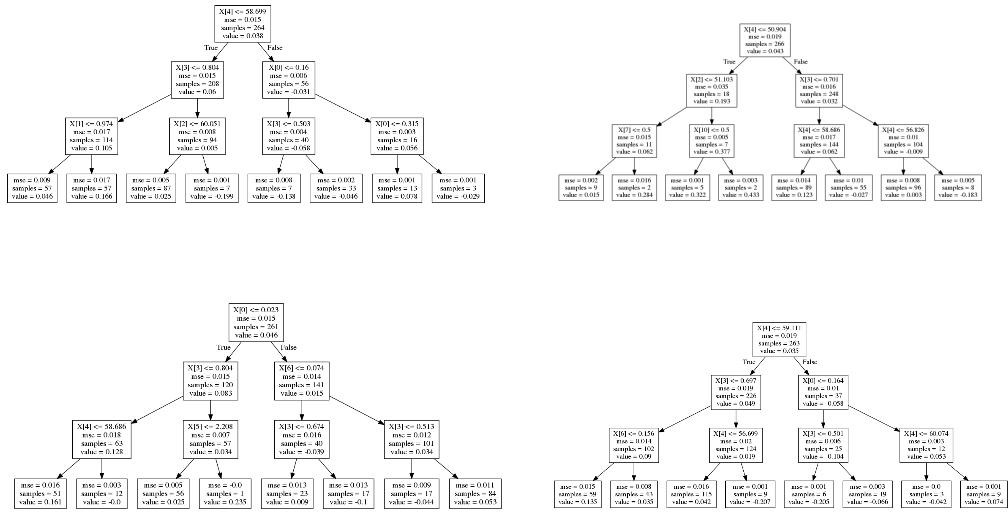
Ensembling
Implementando ensembling
# make predictions from 2 neural net models
test_pred1 = model_1.predict(scaled_test_features)
test_pred2 = model_2.predict(scaled_test_features)

# horizontally stack predictions and take the average across rows
test_preds = np.mean(np.hstack((test_pred1, test_pred2)), axis=1)