Ottimizzare il recupero dei documenti
Retrieval Augmented Generation (RAG) con LangChain

Meri Nova
Machine Learning Engineer
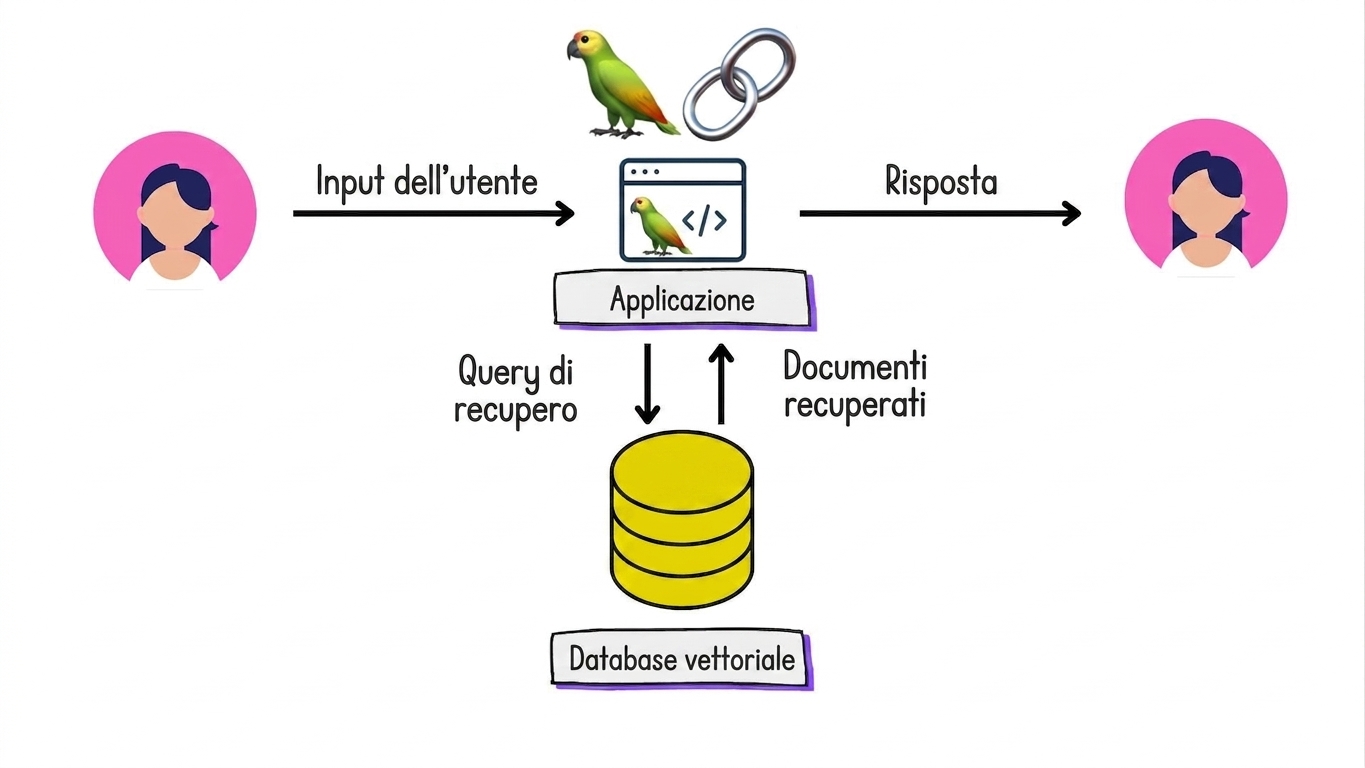
Mettere la R in RAG...
Denso
Codifica i chunk come un unico vettore con componenti non zero
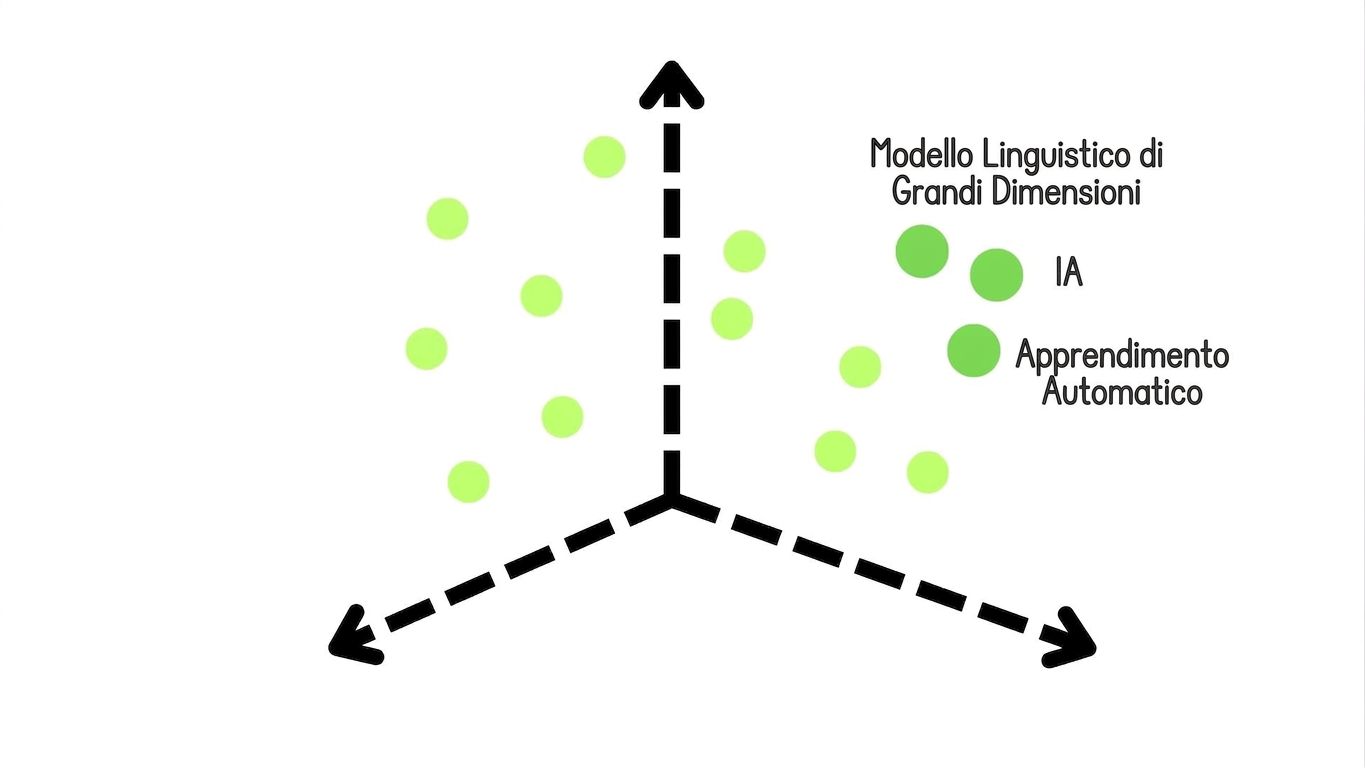
- Pro: Cattura il significato semantico
- Contro: Computazionalmente costoso
Denso
Codifica i chunk come un unico vettore con componenti non zero
- Pro: Cattura il significato semantico
- Contro: Computazionalmente costoso
Sparso
Codifica usando il match delle parole con componenti per lo più zero
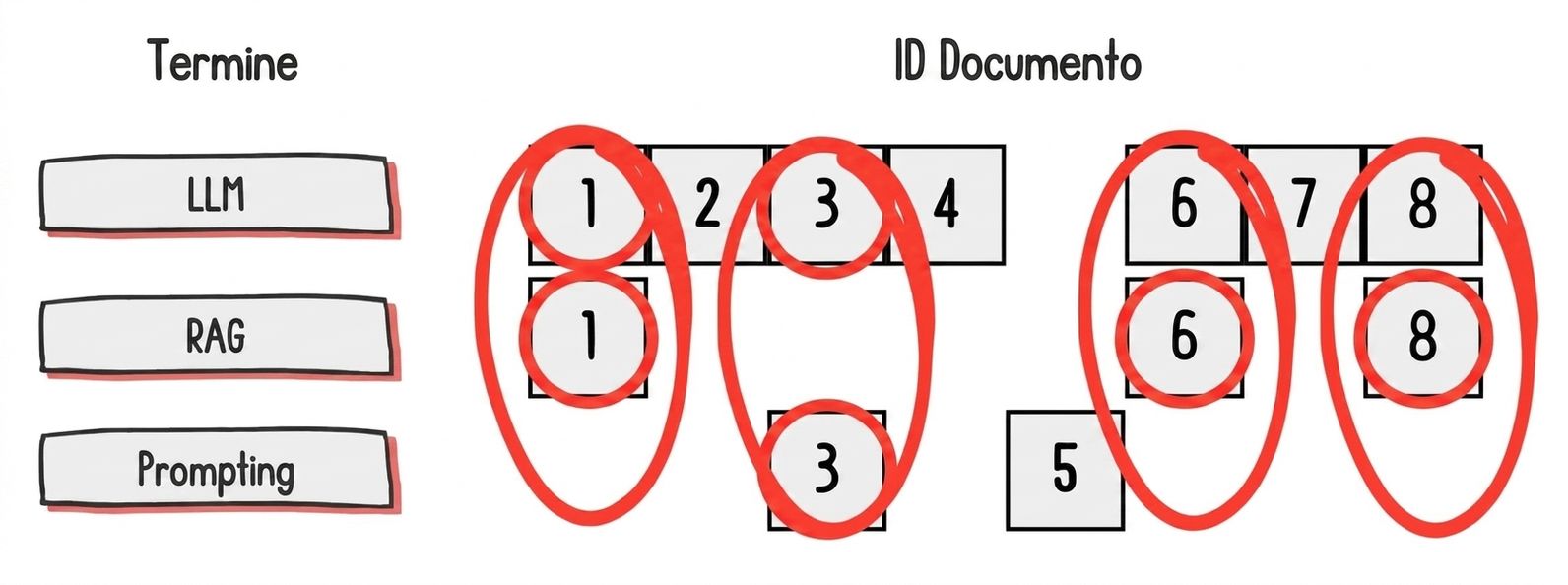
- Pro: Preciso, spiegabile, gestisce parole rare
- Contro: Generalizzabilità
Metodi di retrieval sparso
TF-IDF: Codifica i documenti usando le parole che li rendono unici
BM25: Riduce l'impatto delle parole ad alta frequenza che saturano la codifica

