Vanishing and exploding gradients

Deep Learning intermedio con PyTorch

Michal Oleszak

Machine Learning Engineer

Vanishing gradients
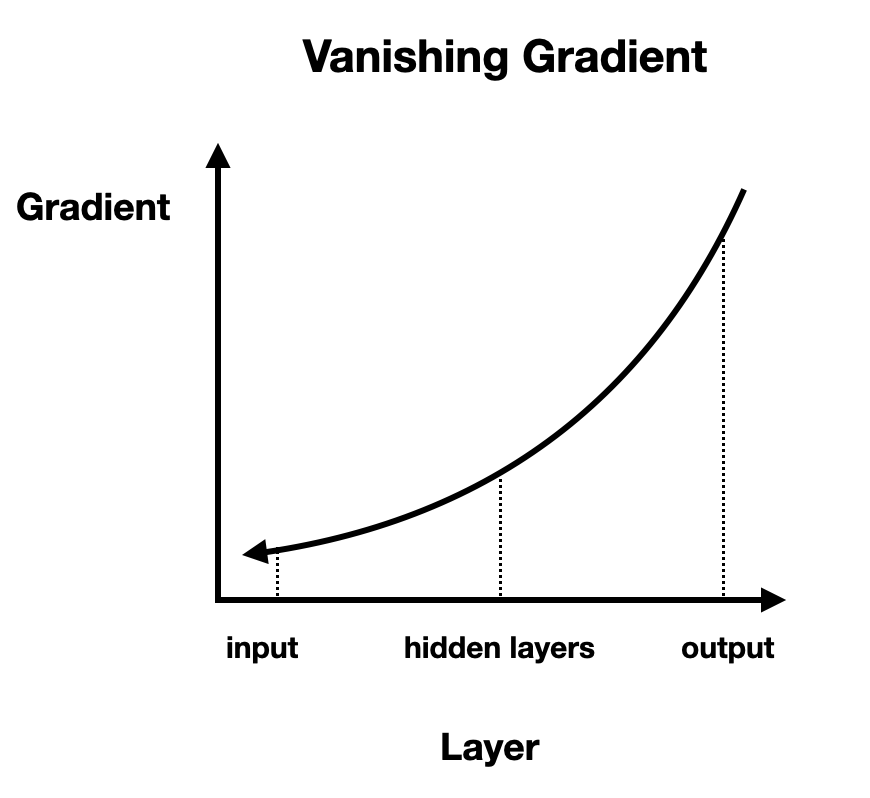
  • Gradients get smaller and smaller during backward pass
  • Earlier layers get small parameter updates
  • Model doesn't learn

Graphs showing gradient size versus layer index: for earlier layers, the gradients are smaller

Deep Learning intermedio con PyTorch

Exploding gradients

  • Gradients get bigger and bigger
  • Parameter updates are too large
  • Training diverges

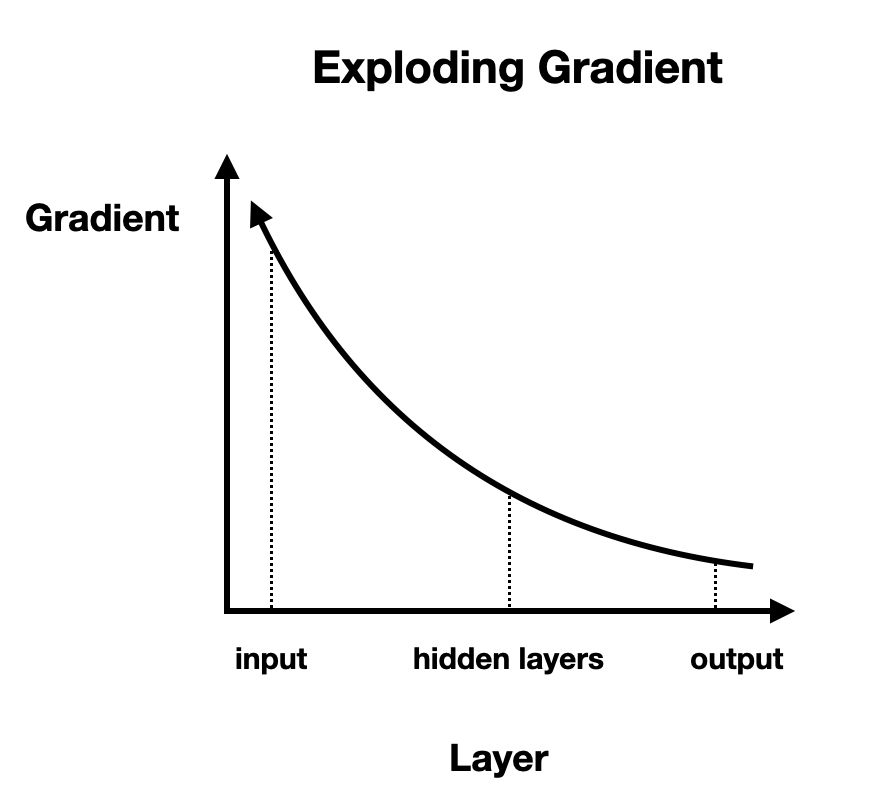
Graphs showing gradient size versus layer index: for earlier layers, the gradients are larger

Deep Learning intermedio con PyTorch

Solution to unstable gradients

  1. Proper weights initialization
  2. Good activations
  3. Batch normalization


Three steps

Deep Learning intermedio con PyTorch

Weights initialization

layer = nn.Linear(8, 1)
print(layer.weight)
Parameter containing:
tensor([[-0.0195,  0.0992,  0.0391,  0.0212,
         -0.3386, -0.1892, -0.3170,  0.2148]])
Deep Learning intermedio con PyTorch

Weights initialization

Good initialization ensures:

  • Variance of layer inputs = variance of layer outputs
  • Variance of gradients the same before and after a layer


How to achieve this depends on the activation:

  • For ReLU and similar, we can use He/Kaiming initialization
Deep Learning intermedio con PyTorch

Weights initialization

import torch.nn.init as init

init.kaiming_uniform_(layer.weight)
print(layer.weight)
Parameter containing:
tensor([[-0.3063, -0.2410,  0.0588,  0.2664,
          0.0502, -0.0136,  0.2274,  0.0901]])
Deep Learning intermedio con PyTorch

He / Kaiming initialization

init.kaiming_uniform_(self.fc1.weight)
init.kaiming_uniform_(self.fc2.weight)
init.kaiming_uniform_(
  self.fc3.weight,
  nonlinearity="sigmoid",
)
Deep Learning intermedio con PyTorch

He / Kaiming initialization

import torch.nn as nn
import torch.nn.init as init

class Net(nn.Module):
    def __init__(self):
        super().__init__()
        self.fc1 = nn.Linear(9, 16)
        self.fc2 = nn.Linear(16, 8)
        self.fc3 = nn.Linear(8, 1)


init.kaiming_uniform_(self.fc1.weight) init.kaiming_uniform_(self.fc2.weight) init.kaiming_uniform_( self.fc3.weight, nonlinearity="sigmoid", )


    def forward(self, x):
        x = nn.functional.relu(self.fc1(x))
        x = nn.functional.relu(self.fc2(x))
        x = nn.functional.sigmoid(self.fc3(x))
        return x


Deep Learning intermedio con PyTorch

Activation functions

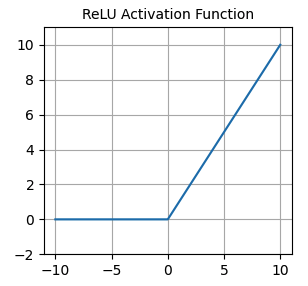
A plot showing the ReLU function. For values below zero, the line is horizontal at zero; for values above zero, the curve the line takes a positive slope.

  • Often used as the default activation
  • nn.functional.relu()
  • Zero for negative inputs - dying neurons
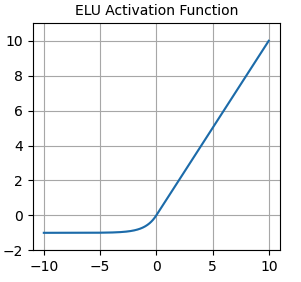
A plot showing the ELU function. It is similar to the ReLU function but with a curved and smooth transition from negative values to the positive region.

  • nn.functional.elu()
  • Non-zero gradients for negative values - helps against dying neurons
  • Average output around zero - helps against vanishing gradients
Deep Learning intermedio con PyTorch

Batch normalization

After a layer:

  1. Normalize the layer's outputs by:

    • Subtracting the mean
    • Dividing by the standard deviation
  2. Scale and shift normalized outputs using learned parameters

Model learns optimal inputs distribution for each layer:

  • Faster loss decrease
  • Helps against unstable gradients
Deep Learning intermedio con PyTorch

Batch normalization

class Net(nn.Module):
    def __init__(self):
        super().__init__()
        self.fc1 = nn.Linear(9, 16)
        self.bn1 = nn.BatchNorm1d(16)

        ...


def forward(self, x): x = self.fc1(x) x = self.bn1(x) x = nn.functional.elu(x) ...
Deep Learning intermedio con PyTorch

Let's practice!

Deep Learning intermedio con PyTorch

Preparing Video For Download...