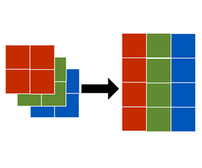
İleri düzey işlemler
Python ile TensorFlow’a Giriş

Isaiah Hull
Visiting Associate Professor of Finance, BI Norwegian Business School
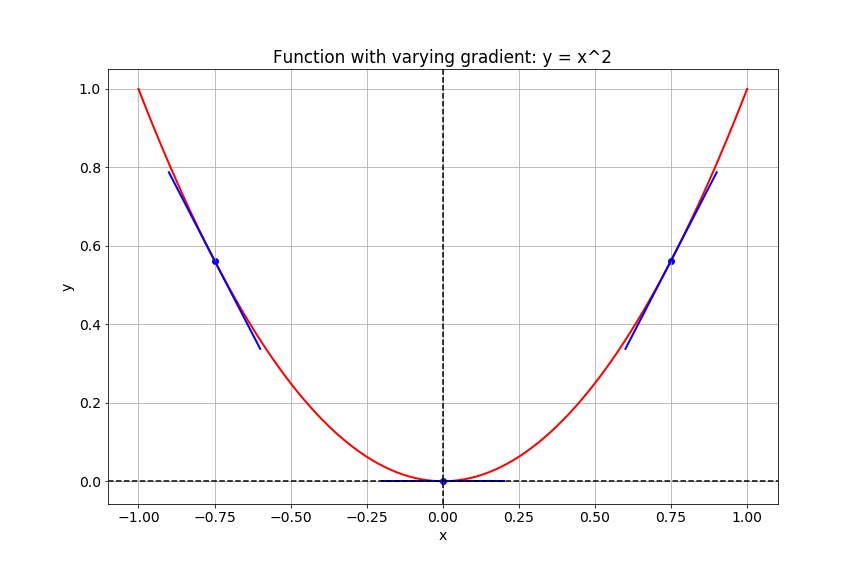
Gradyanı hesaplama
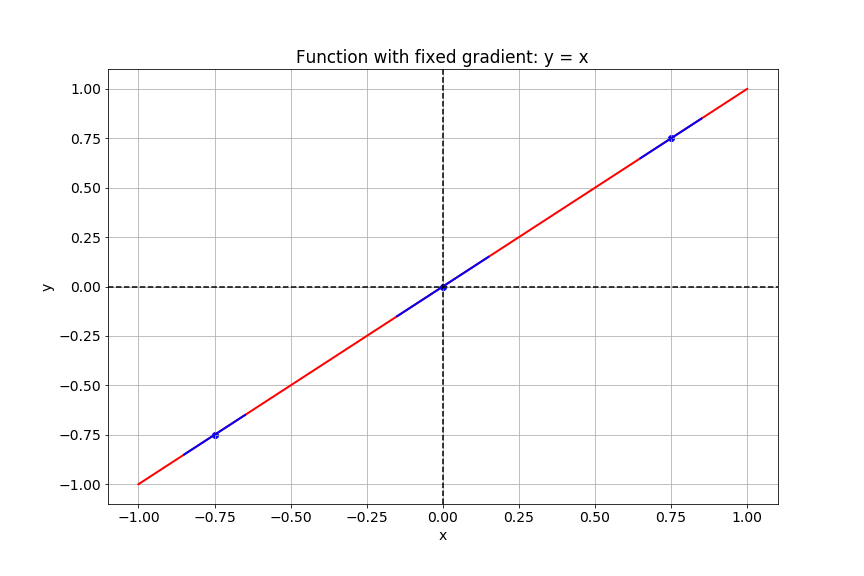
Gradyanı hesaplama
Görüntüler tensör olarak
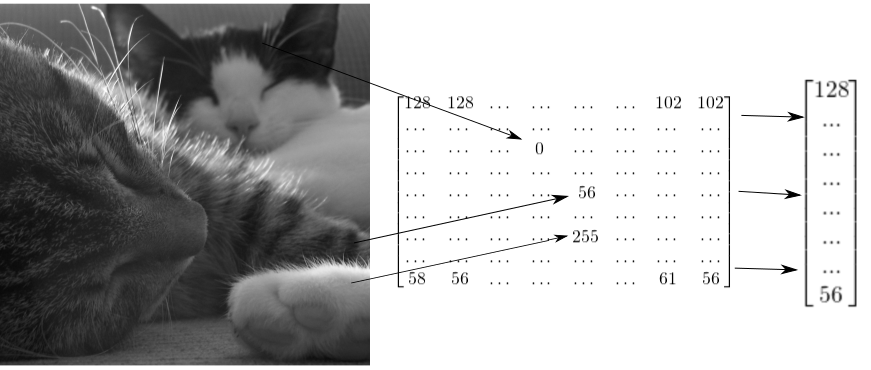
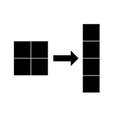
Gri tonlamalı görüntüyü yeniden şekillendirme
# Import tensorflow as alias tf
import tensorflow as tf

# Generate grayscale image
gray = tf.random.uniform([2, 2], maxval=255, dtype='int32')

# Reshape grayscale image
gray = tf.reshape(gray, [2*2, 1])
Renkli görüntüyü yeniden şekillendirme
# Import tensorflow as alias tf
import tensorflow as tf

# Generate color image
color = tf.random.uniform([2, 2, 3], maxval=255, dtype='int32')

# Reshape color image
color = tf.reshape(color, [2*2, 3])