Verliesfuncties gebruiken om modelvoorspellingen te beoordelen
Introductie tot Deep Learning met PyTorch

Jasmin Ludolf
Senior Data Science Content Developer, DataCamp
Waarom hebben we een verliesfunctie nodig?
- Zegt hoe goed ons model is tijdens training
- Neemt een voorspelling $\hat{y}$ en grondwaarheid $y$
- Geeft een float terug
$$

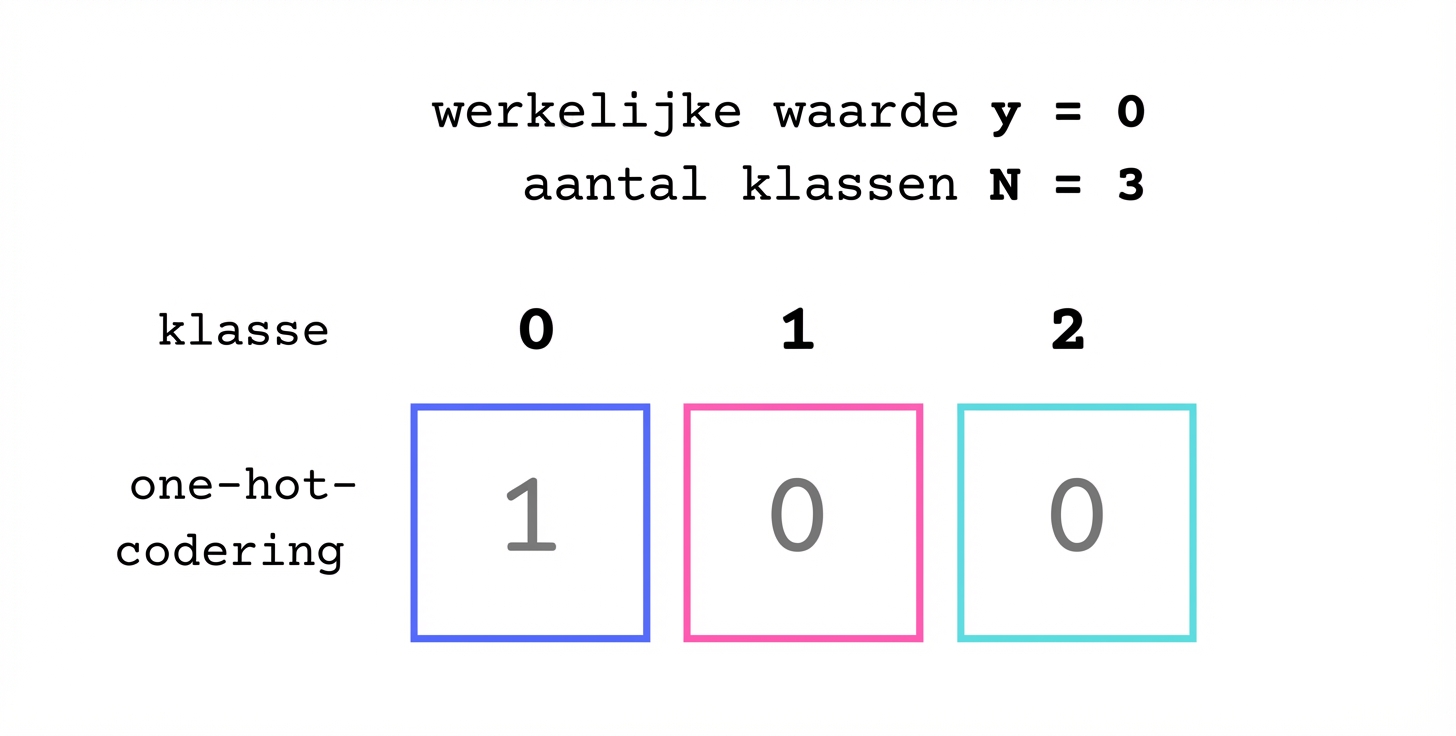
One-hot-encoding: concepten
- Zet een integer y om naar een tensor van nullen en enen
Alles samenbrengen
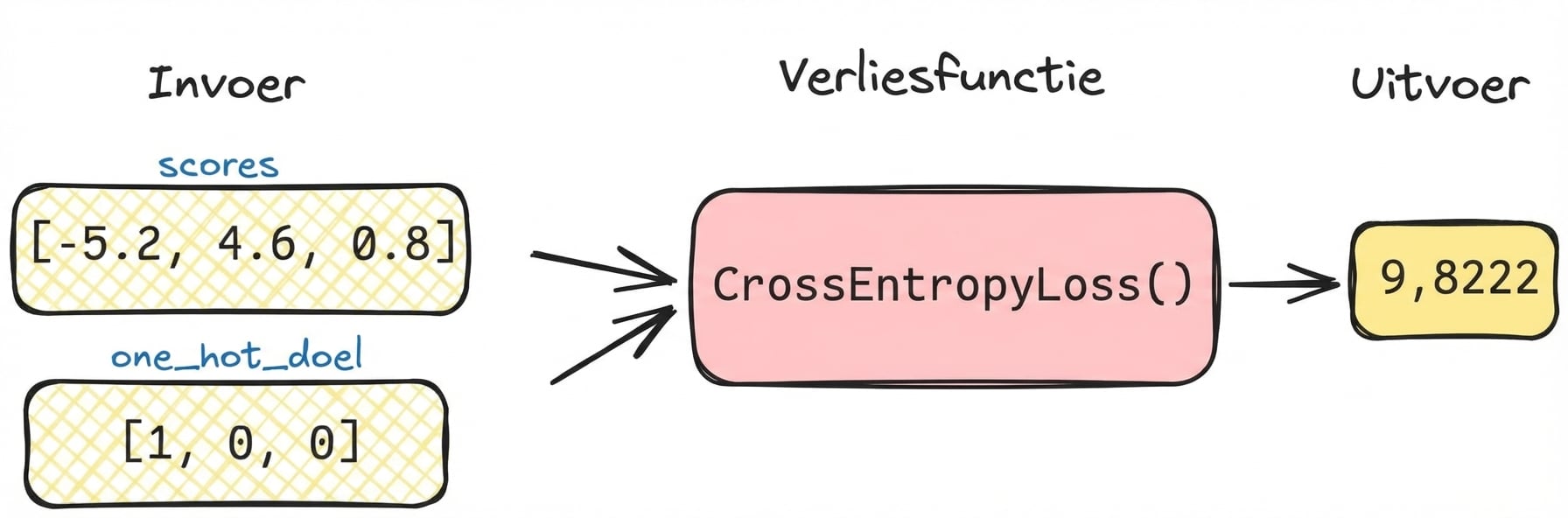
De verliesfunctie neemt:
- scores - modelvoorspellingen vóór de laatste softmax
- one_hot_target - one-hot gecodeerd label
De verliesfunctie geeft terug:
- loss - één float