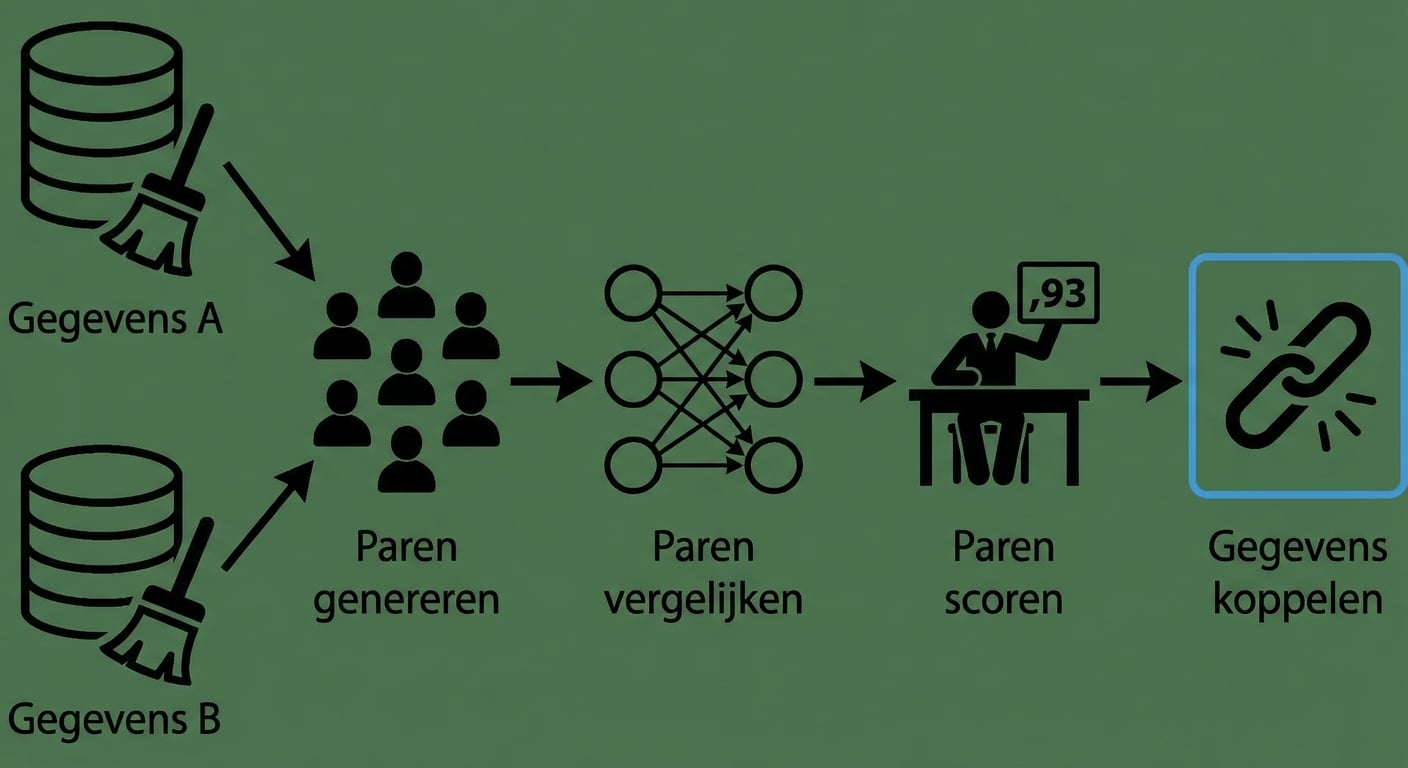
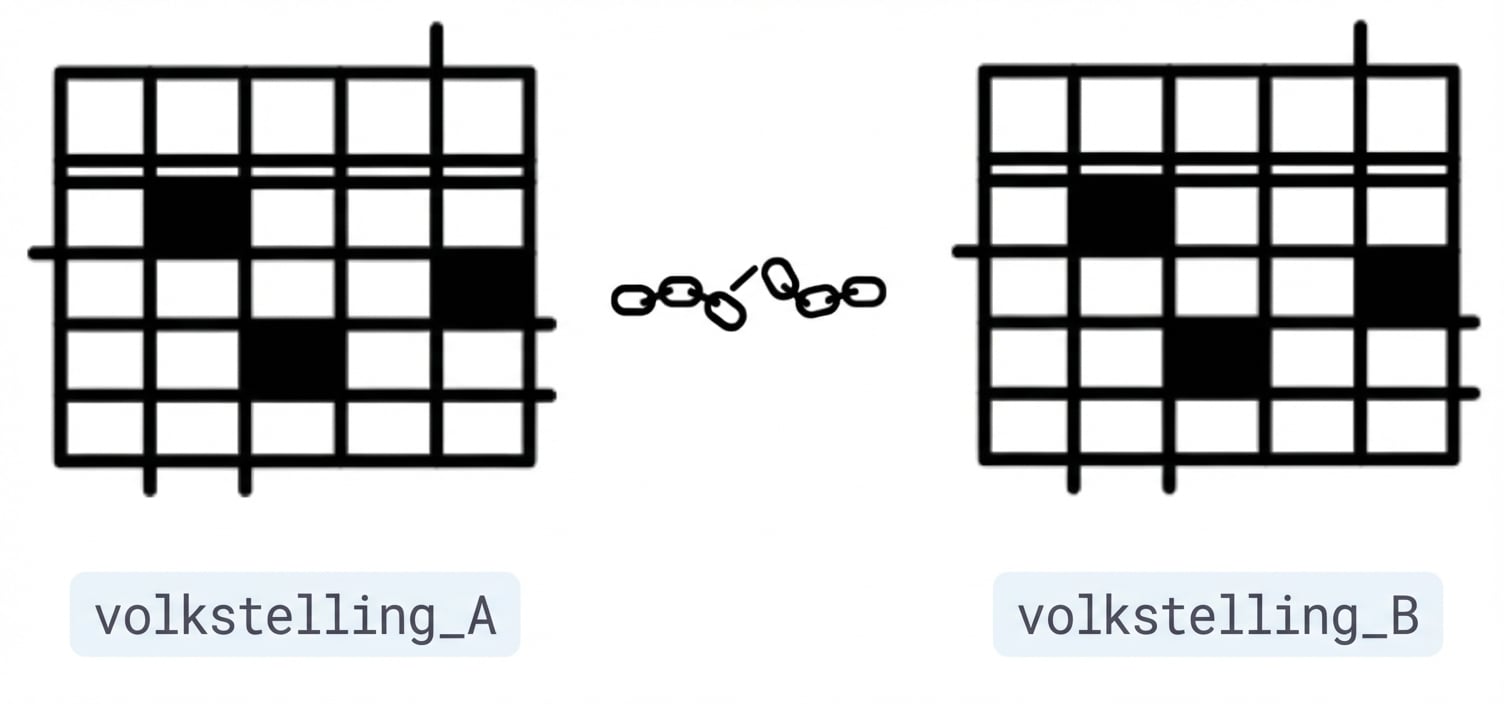
DataFrames koppelen

Data opschonen in Python

Adel Nehme

VP of AI Curriculum, DataCamp

Recordlinkage
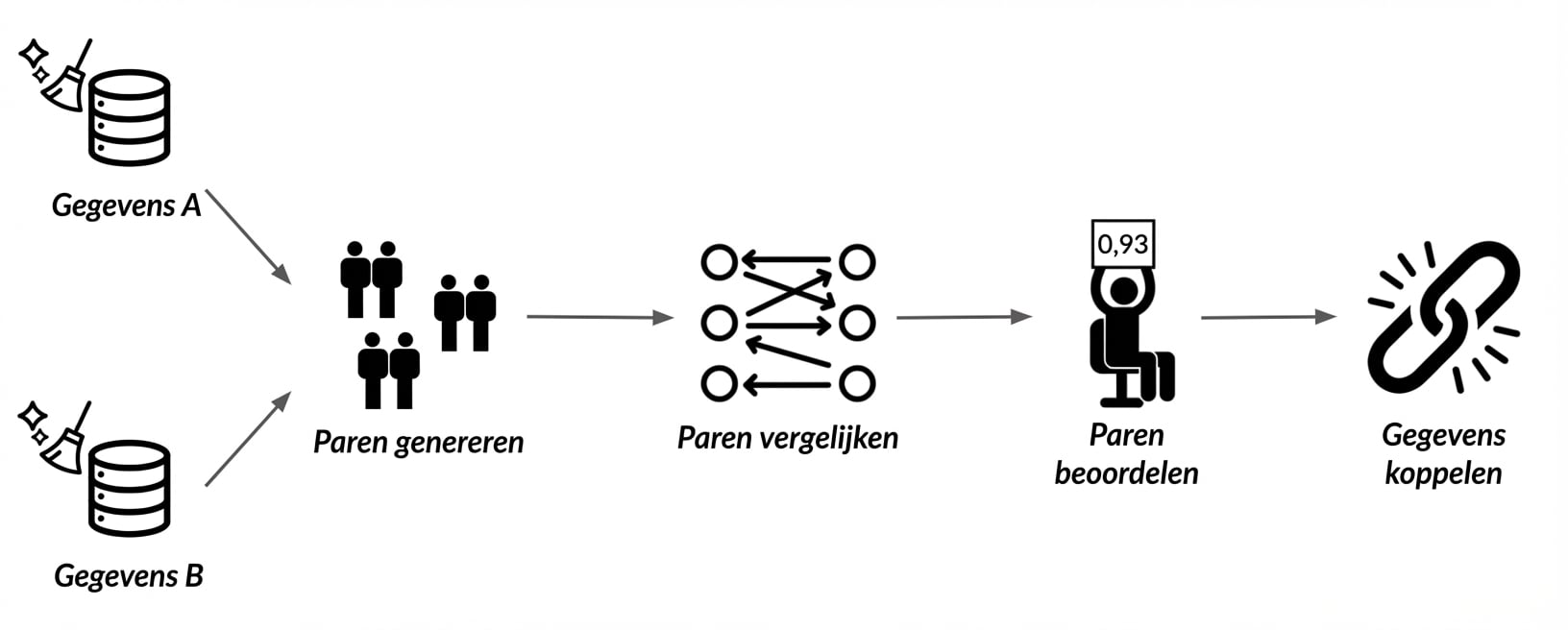
Data opschonen in Python

Recordlinkage

Data opschonen in Python

Onze DataFrames

census_A

             given_name  surname date_of_birth         suburb state  address_1
rec_id                                                                
rec-1070-org   michaela  neumann      19151111  winston hills   nsw  stanley street 
rec-1016-org   courtney  painter      19161214      richlands   vic  pinkerton circuit 
...

census_B

               given_name  surname date_of_birth             suburb state  address_1
rec_id                                                                      
rec-561-dup-0       elton      NaN      19651013         windermere   vic  light setreet 
rec-2642-dup-0   mitchell    maxon      19390212         north ryde   nsw  edkins street 
...
Data opschonen in Python

Wat we al hebben gedaan

# Importeer recordlinkage en genereer alle paren
import recordlinkage
indexer = recordlinkage.Index()
indexer.block('state')
full_pairs = indexer.index(census_A, census_B)

# Vergelijkingsstap compare_cl = recordlinkage.Compare() compare_cl.exact('date_of_birth', 'date_of_birth', label='date_of_birth') compare_cl.exact('state', 'state', label='state') compare_cl.string('surname', 'surname', threshold=0.85, label='surname') compare_cl.string('address_1', 'address_1', threshold=0.85, label='address_1')
potential_matches = compare_cl.compute(full_pairs, census_A, census_B)
Data opschonen in Python

Wat we nu doen

Data opschonen in Python

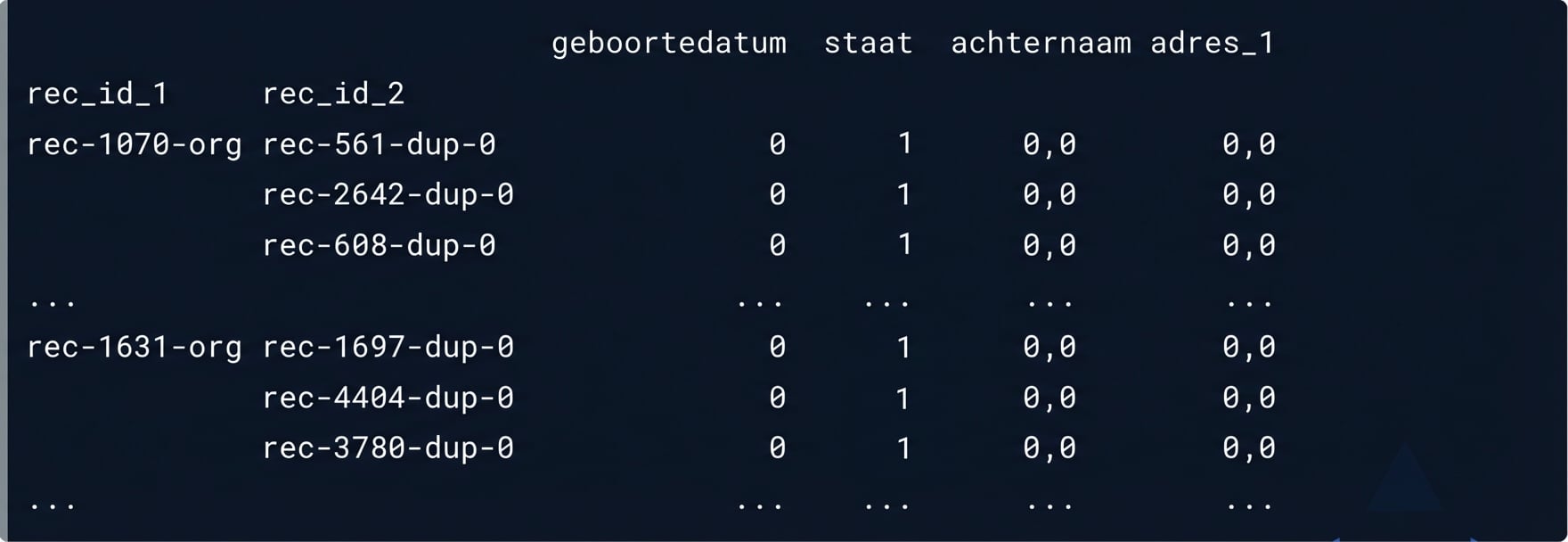
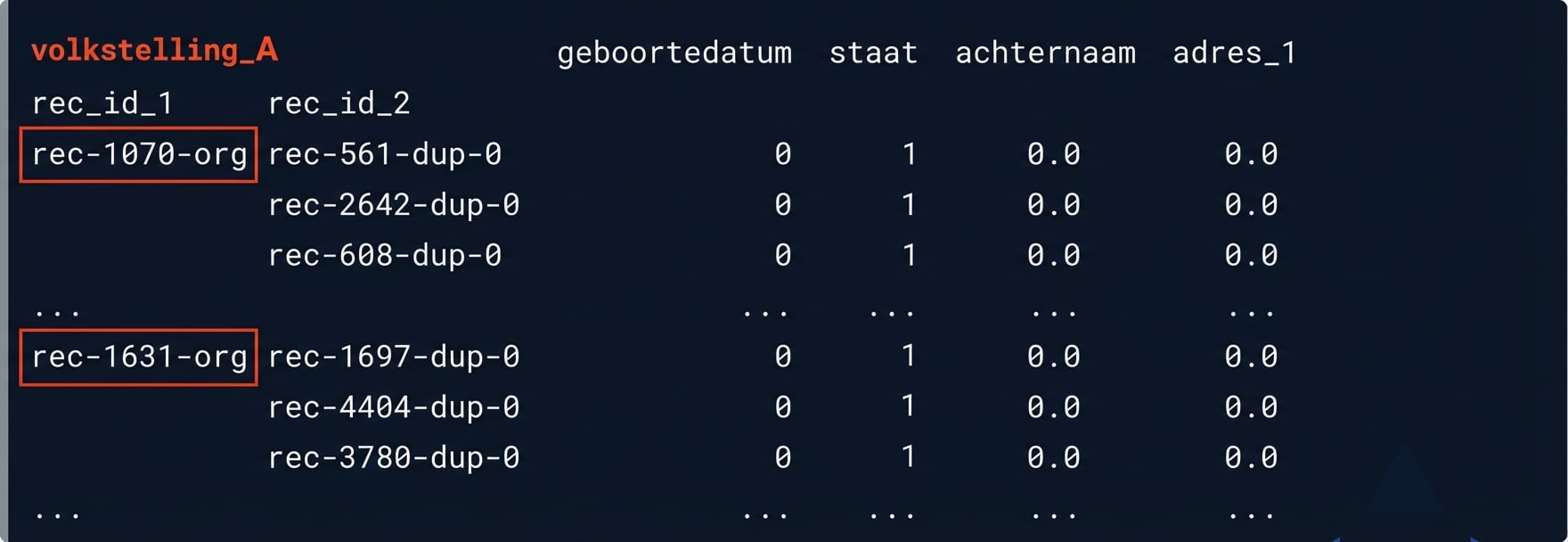
Onze potentiële matches

potential_matches
Data opschonen in Python

Onze potentiële matches

potential_matches
Data opschonen in Python

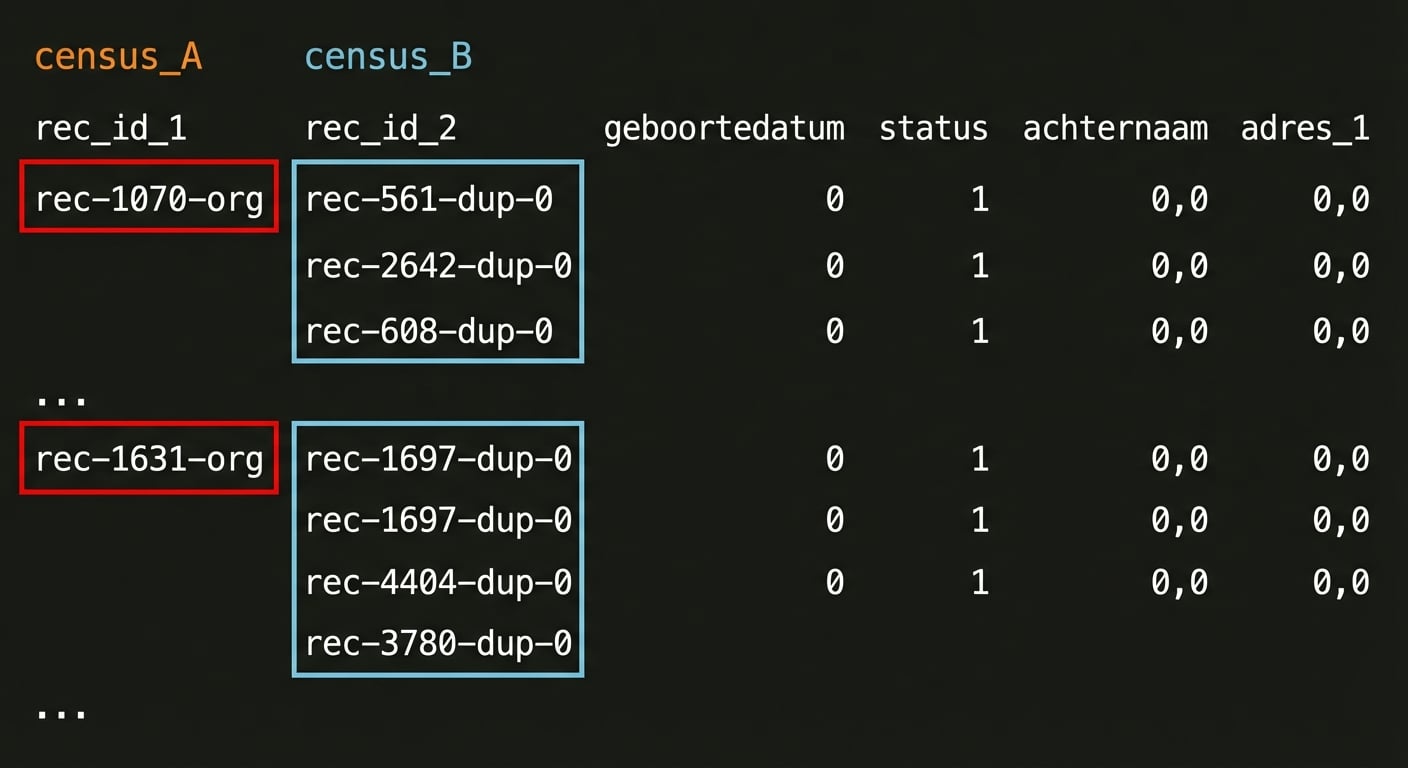
Onze potentiële matches

potential_matches
Data opschonen in Python

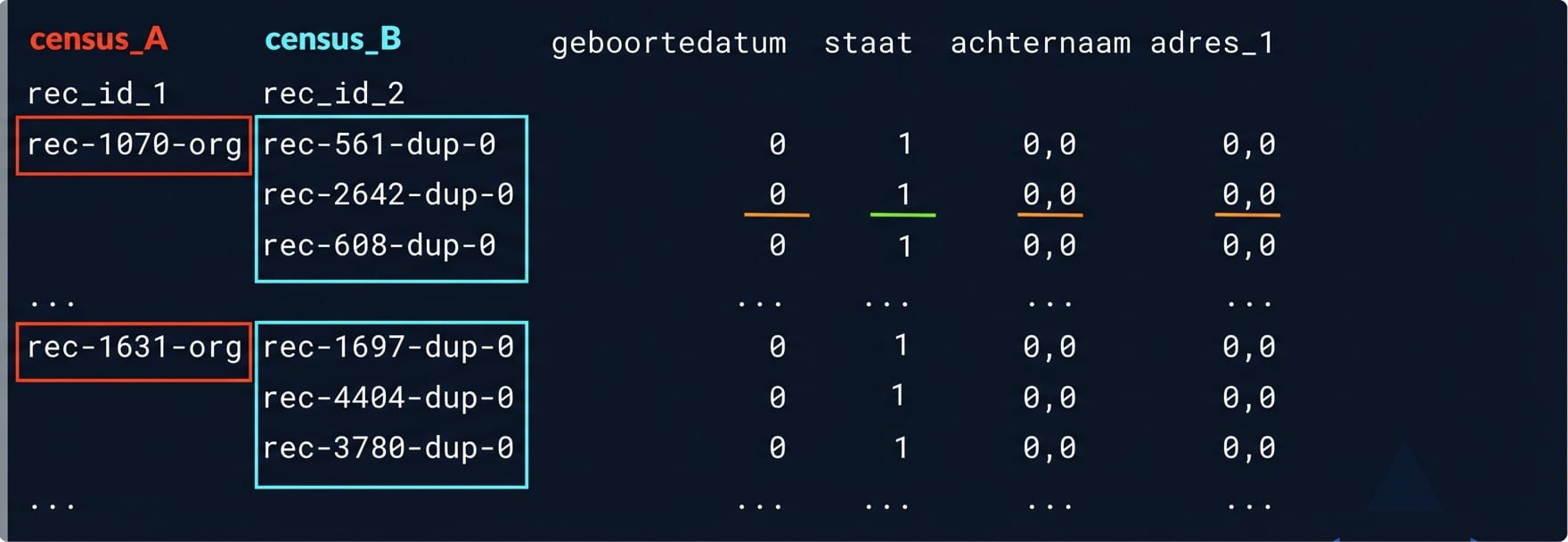
Onze potentiële matches

potential_matches
Data opschonen in Python

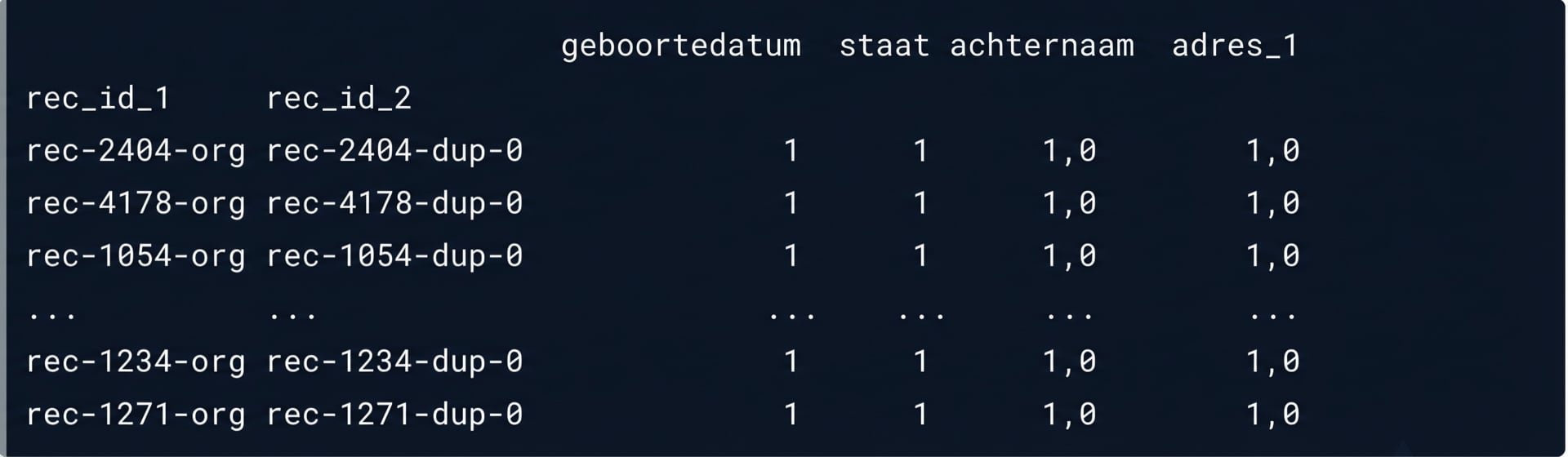
Waarschijnlijke matches

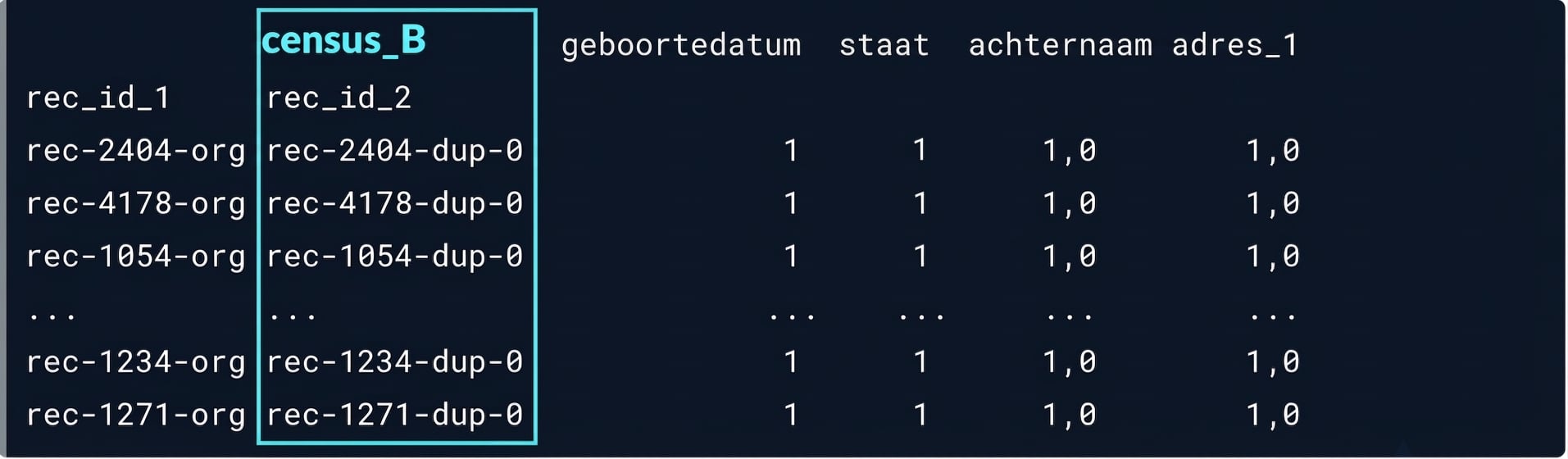
matches = potential_matches[potential_matches.sum(axis = 1) >= 3]
print(matches)
Data opschonen in Python

Waarschijnlijke matches

matches = potential_matches[potential_matches.sum(axis = 1) >= 3]
print(matches)
Data opschonen in Python

De indexen ophalen

matches.index
MultiIndex(levels=[['rec-1007-org', 'rec-1016-org', 'rec-1054-org', 'rec-1066-org', 
'rec-1070-org', 'rec-1075-org', 'rec-1080-org', 'rec-110-org', ...
# Alleen indexen uit census_B ophalen
duplicate_rows = matches.index.get_level_values(1)
print(census_B_index)
Index(['rec-2404-dup-0', 'rec-4178-dup-0', 'rec-1054-dup-0', 'rec-4663-dup-0',
       'rec-485-dup-0', 'rec-2950-dup-0', 'rec-1234-dup-0', ... , 'rec-299-dup-0'])
Data opschonen in Python

DataFrames koppelen

# Duplicaten in census_B vinden
census_B_duplicates = census_B[census_B.index.isin(duplicate_rows)]

# Nieuwe rijen in census_B vinden census_B_new = census_B[~census_B.index.isin(duplicate_rows)]
# Koppel de DataFrames!
full_census = pd.concat([census_A, census_B_new])
Data opschonen in Python
# Importeer recordlinkage en genereer paren en vergelijk kolommen
...
# Genereer potentiële matches
potential_matches = compare_cl.compute(full_pairs, census_A, census_B)

# Isoleer matches met 3 of meer overeenkomende kolommen matches = potential_matches[potential_matches.sum(axis = 1) >= 3]
# Haal index van alleen overeenkomende census_B-rijen op duplicate_rows = matches.index.get_level_values(1)
# Nieuwe rijen in census_B vinden census_B_new = census_B[~census_B.index.isin(duplicate_rows)]
# Koppel de DataFrames! full_census = pd.concat([census_A, census_B_new])
Data opschonen in Python

Laten we oefenen!

Data opschonen in Python

Preparing Video For Download...