Introductie tot MLflow
Weston Bassler
Senior MLOps Engieer
name: project_name
python_env: python_env.yaml
entry_points:

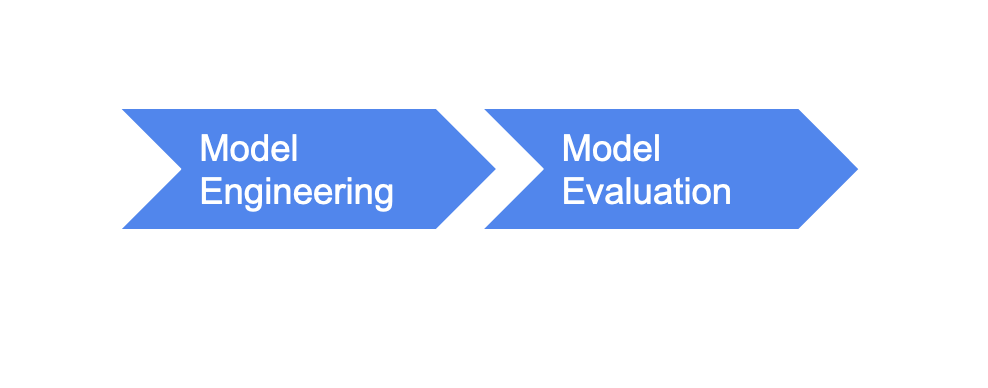
  step_1:
    command: "python train_model.py"

  step_2:
    command: "python evaluate_model.py {run_id}"
    parameters:
        run_id:
            type: str
            default: None
name: project_name python_env: python_env.yaml entry_points:
step_1: command: "python train_model.py"
step_2: command: "python evaluate_model.py {run_id}" parameters: run_id: type: str default: None
import mlflow

# Stap 1
step_1 = mlflow.projects.run(
    uri='./',
    entry_point='step_1'
)

# Stap 2
step_2 = mlflow.projects.run(
    uri='./',
    entry_point='step_2'
)
import mlflow # Stap 1 step_1 = mlflow.projects.run( uri='./', entry_point='step_1' )
# Stap 2 step_2 = mlflow.projects.run( uri='./', entry_point='step_2' )
import mlflow

# Stap 1
step_1 = mlflow.projects.run(
    uri='./',
    entry_point='step_1'
)


print(step_1)
print(step_1)
<mlflow.projects.submitted_run.LocalSubmittedRun object at 0x125eac8b0>
step_1.cancel() - Beëindig een lopende run
step_1.cancel()
step_1.get_status() - Haal de status op
step_1.get_status()
step_1.run_id - run_id van de run
step_1.run_id
run_id
step_1.wait() - Wacht tot de run klaar is
step_1.wait()
import mlflow

# Stap 1
step_1 = mlflow.projects.run(
    uri='./',
    entry_point='step_1'
)


# Variabele voor step_1 run_id
step_1_run_id = step_1.run_id
# Variabele voor step_1 run_id step_1_run_id = step_1.run_id
# Stap 2
step_2 = mlflow.projects.run(
    uri='./',
    entry_point='step_2',

    parameters={
        'run_id': step_1_run_id
    }

)
# Stap 2 step_2 = mlflow.projects.run( uri='./', entry_point='step_2',
parameters={ 'run_id': step_1_run_id }
)