Relationale data normaliseren
Introductie tot datamodellering in Snowflake

Nuno Rocha
Director of Engineering
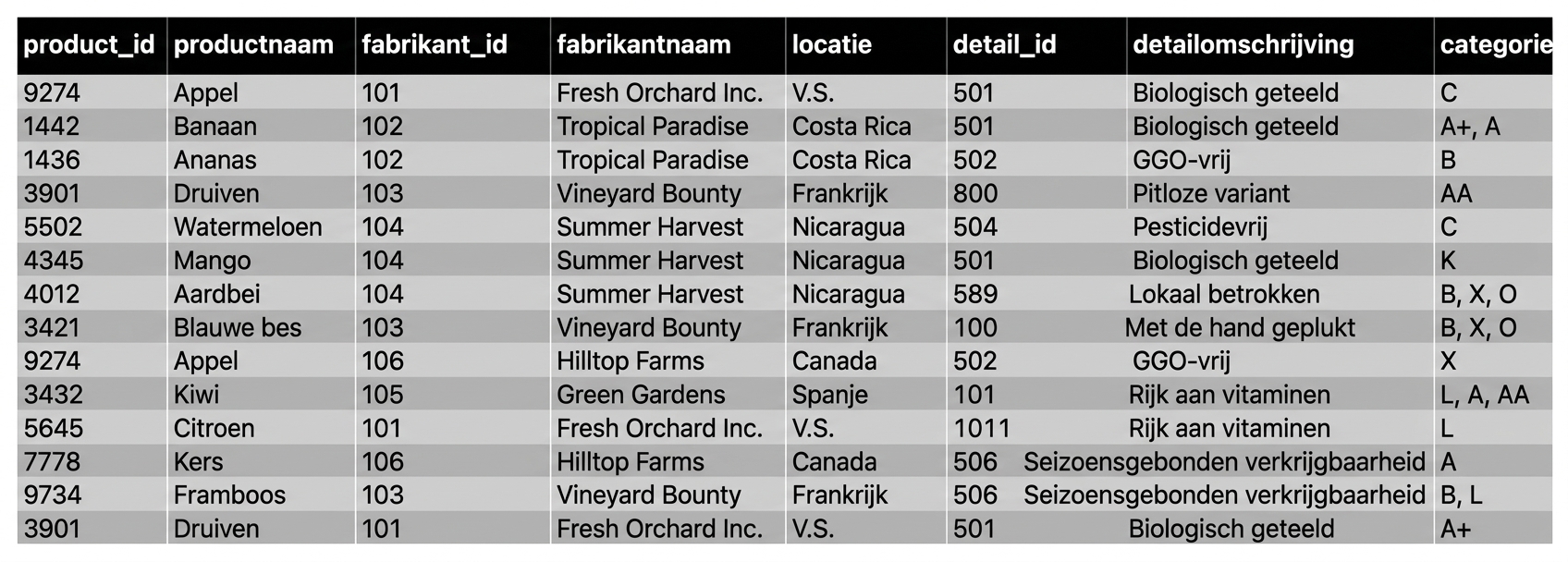
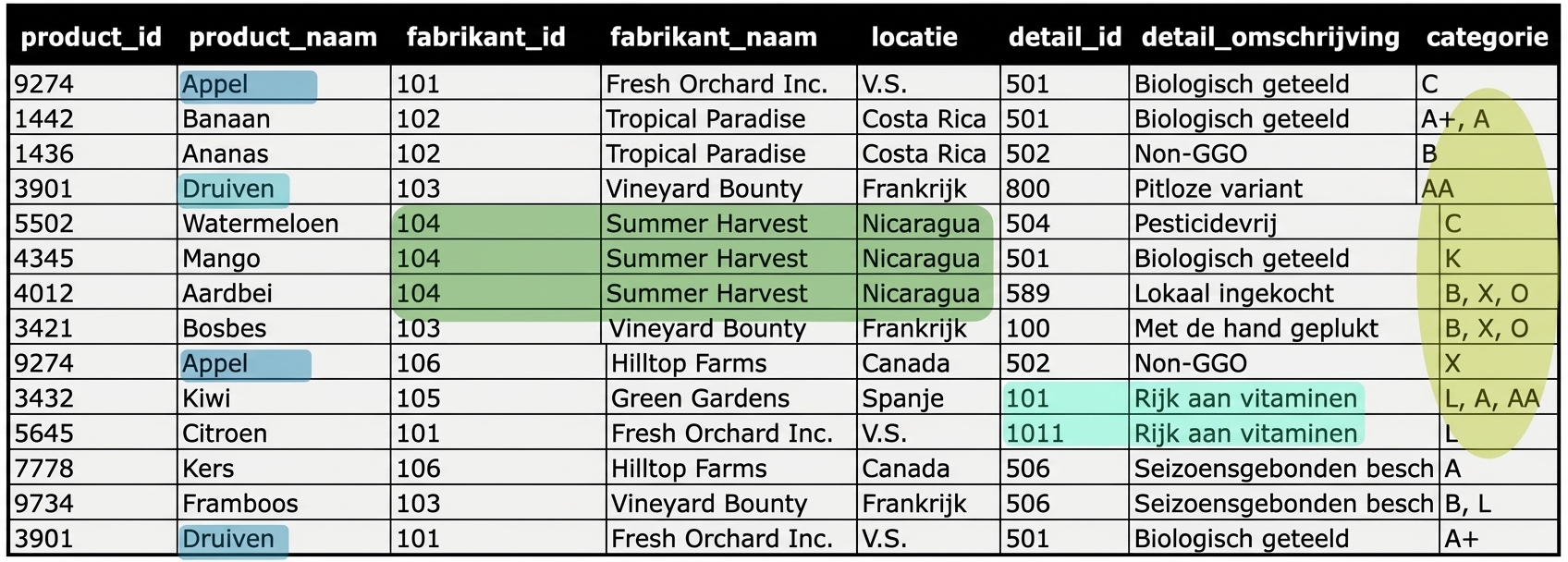
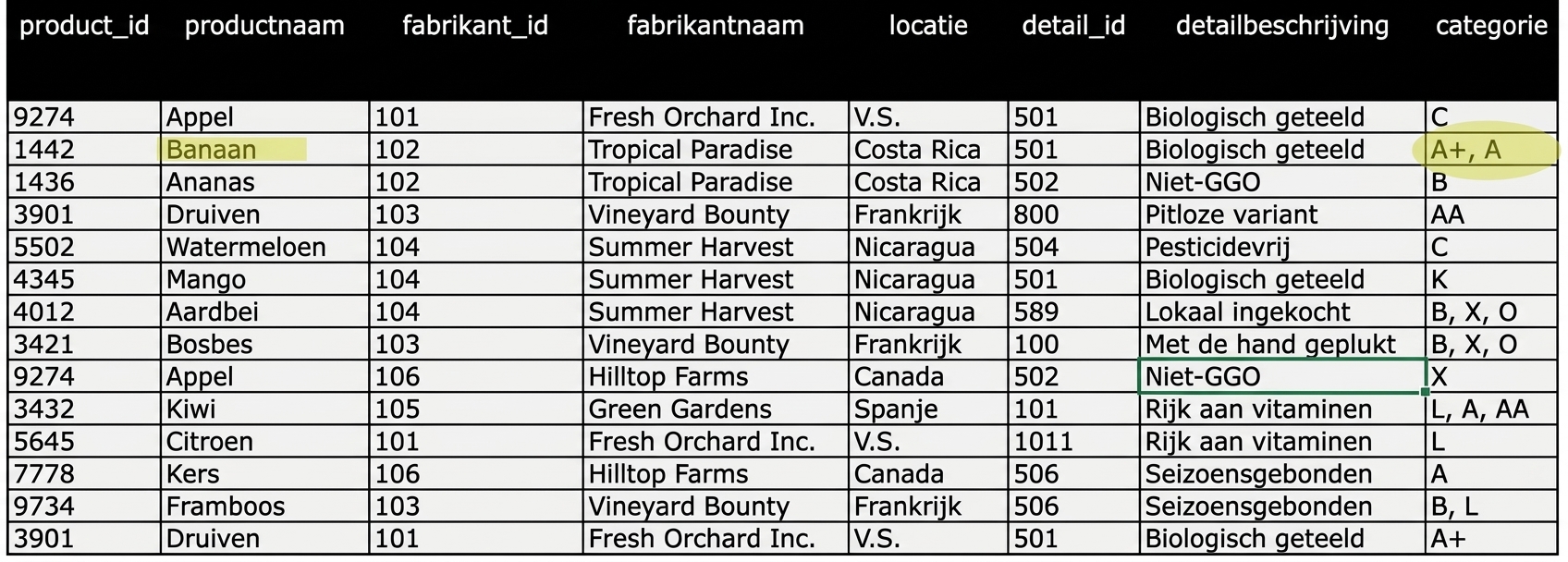
Ongenormaliseerde data begrijpen
- Ongenormaliseerde data (UNF): Data zonder duidelijke structuur, rommelig, met herhalingen en/of anomalieën
Ongenormaliseerde data begrijpen
Ongenormaliseerde data begrijpen
Ongenormaliseerde data begrijpen (3)
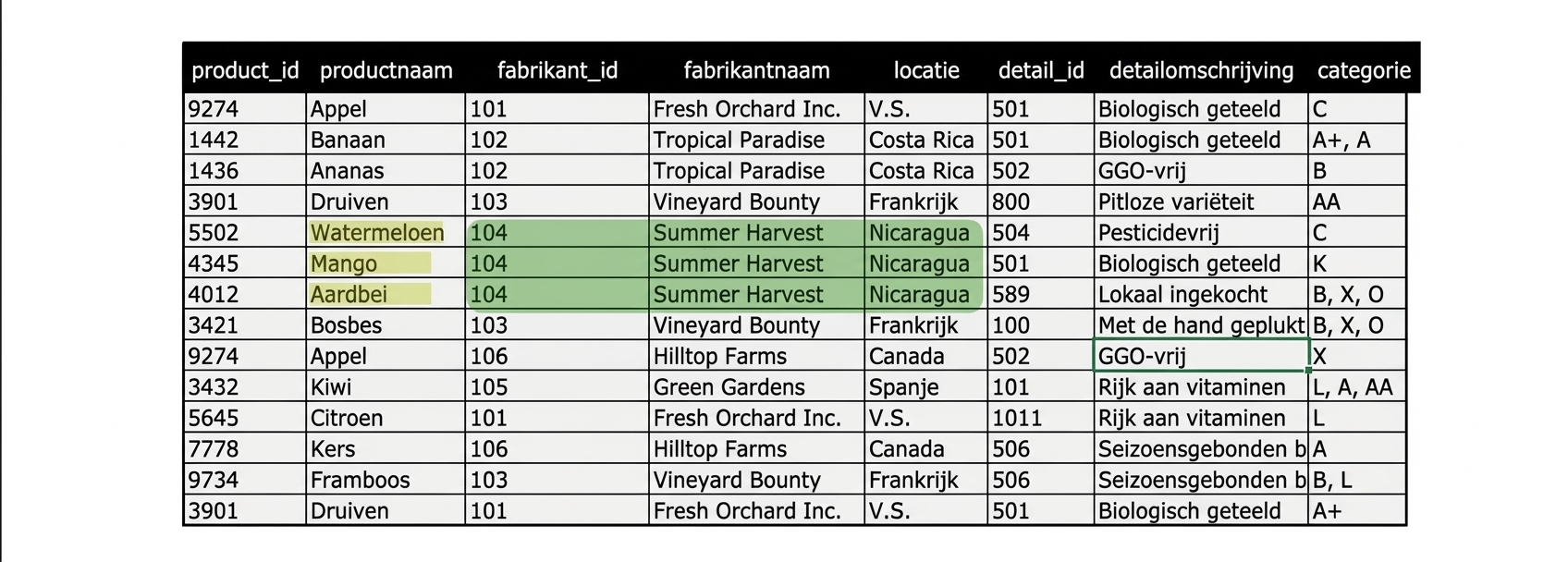
Ongenormaliseerde data begrijpen (4)
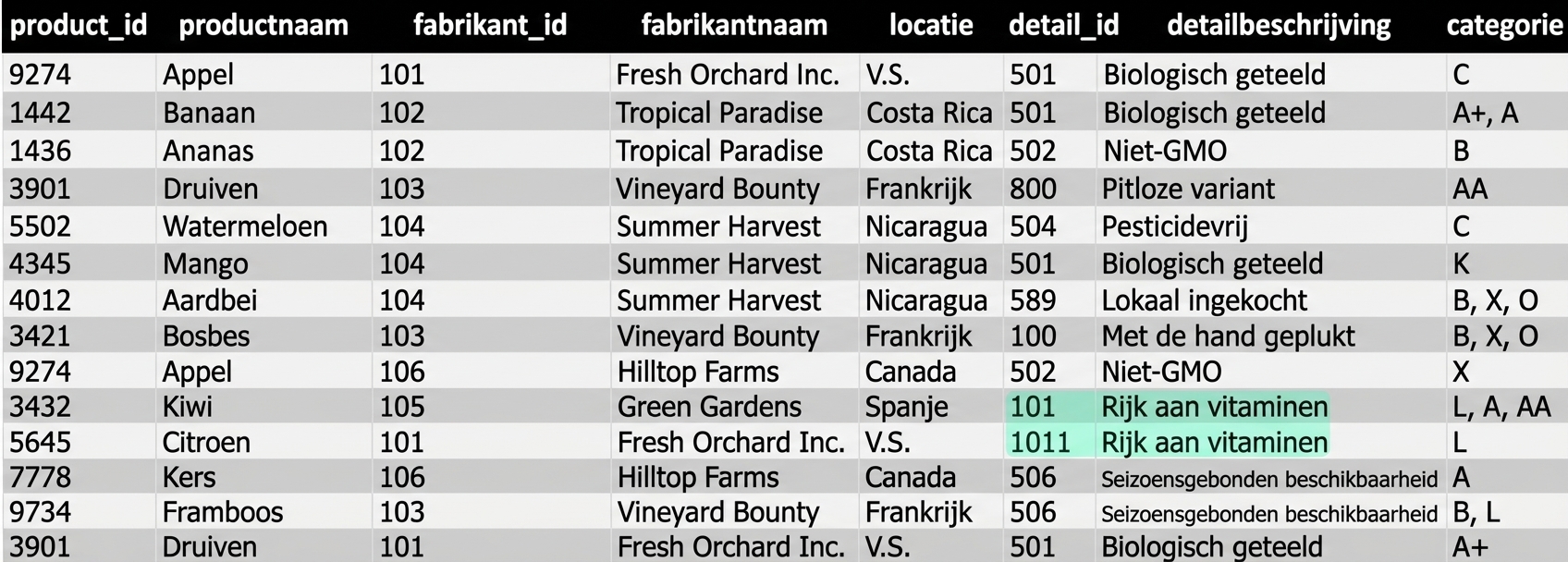
Ongenormaliseerde data begrijpen (5)
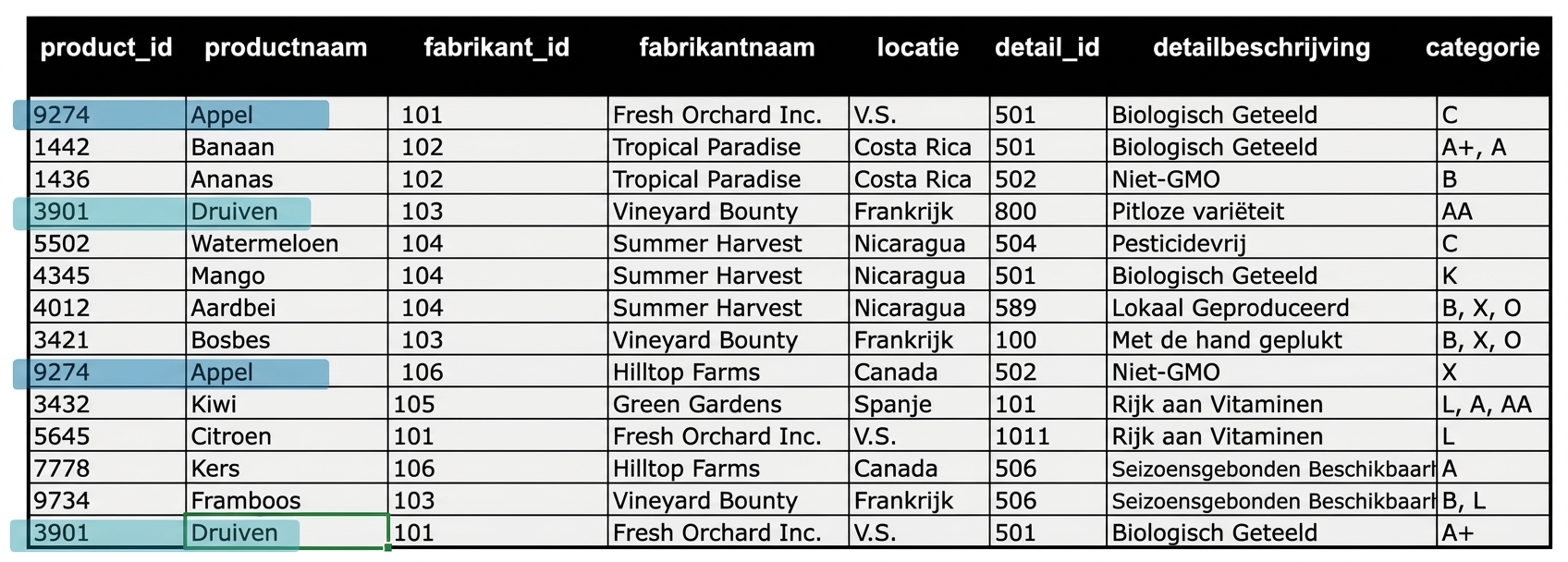
Problemen met ongenormaliseerde data
- Redundantie: Onnodige herhaling van data
- Anomalieën: Onregelmatigheden of inconsistenties in de data
Ongenormaliseerde data herkennen
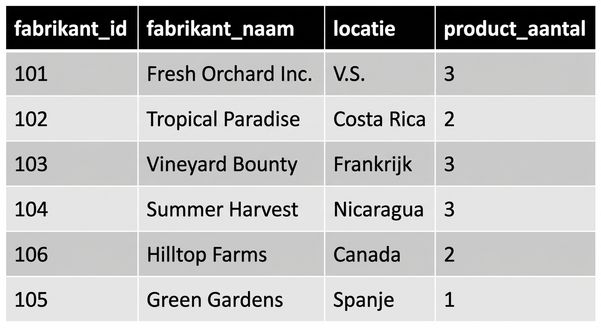
Ongenormaliseerde data herkennen
SELECT DISTINCT category
FROM allproducts;
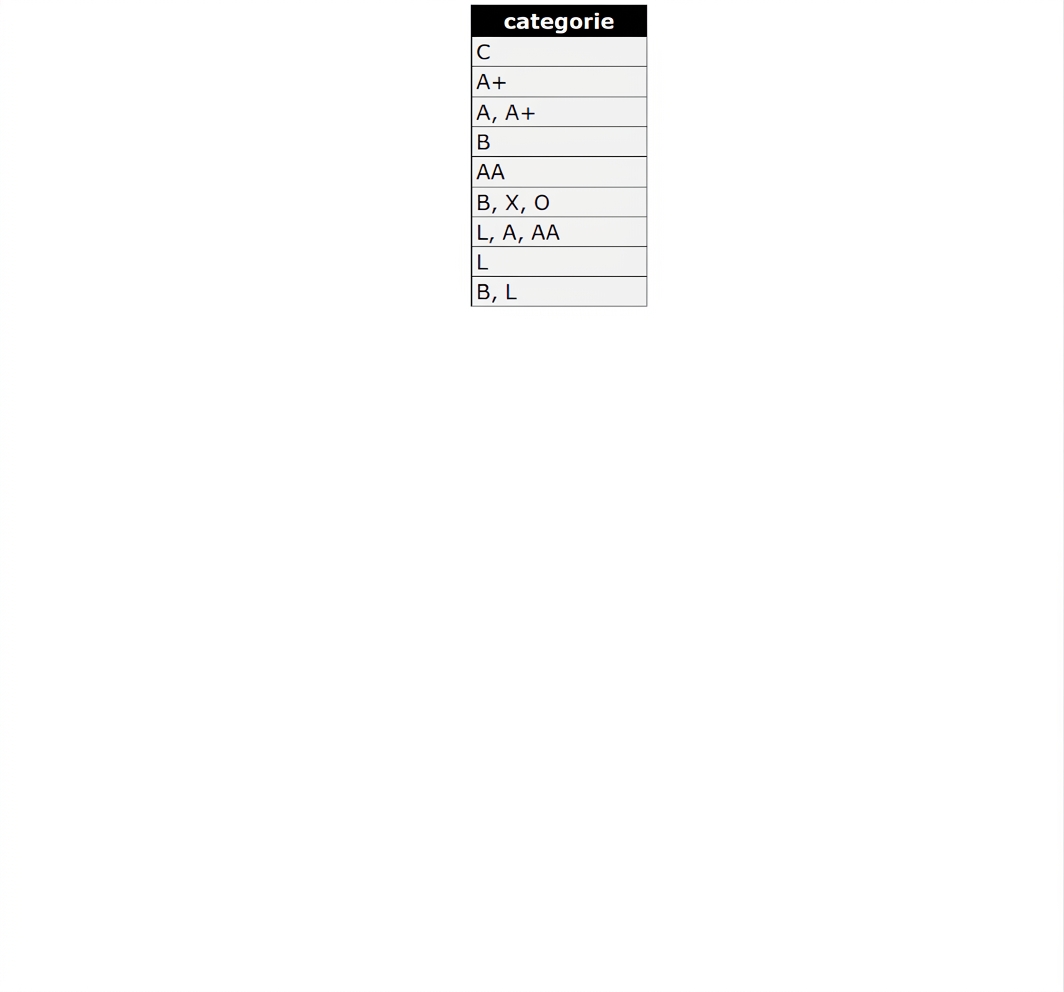
Ongenormaliseerde data herkennen
SELECT DISTINCT product_name,
    category
FROM allproducts
WHERE category = 'L';
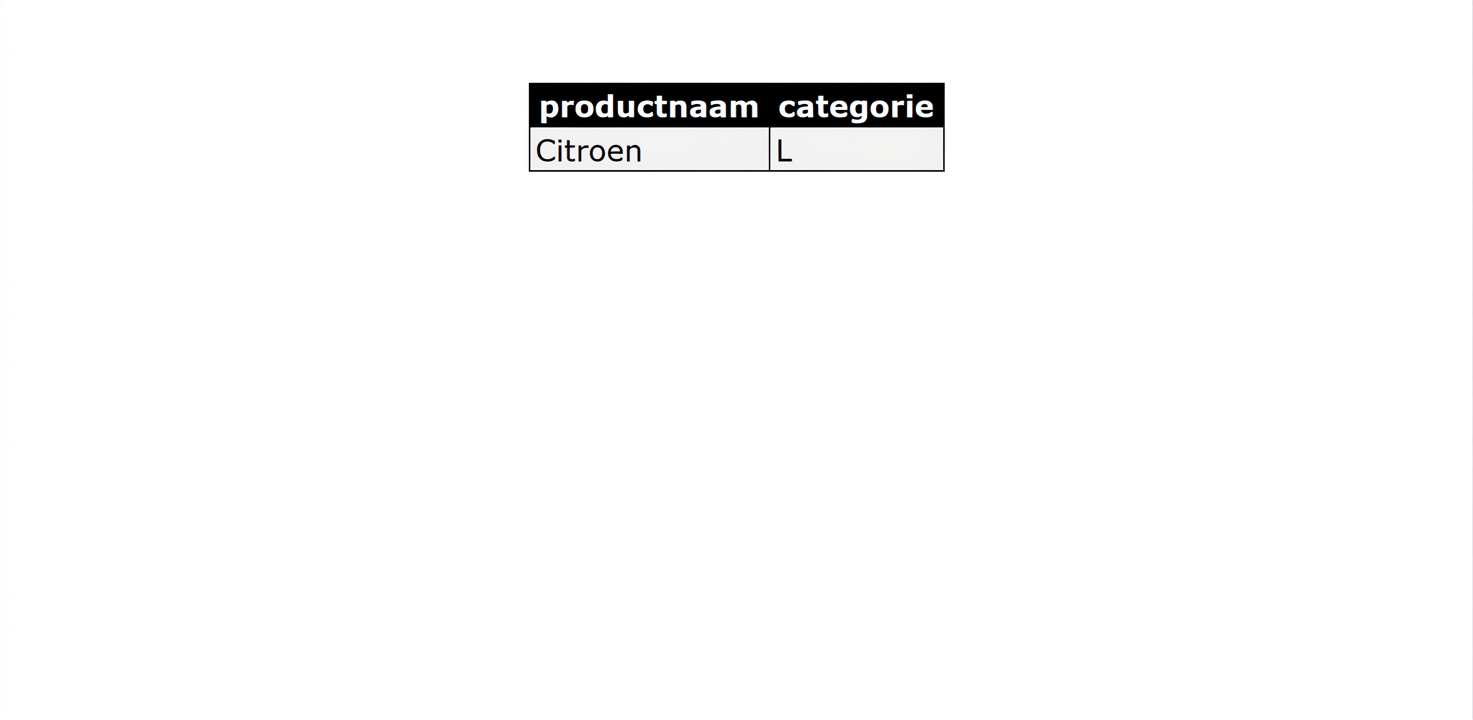
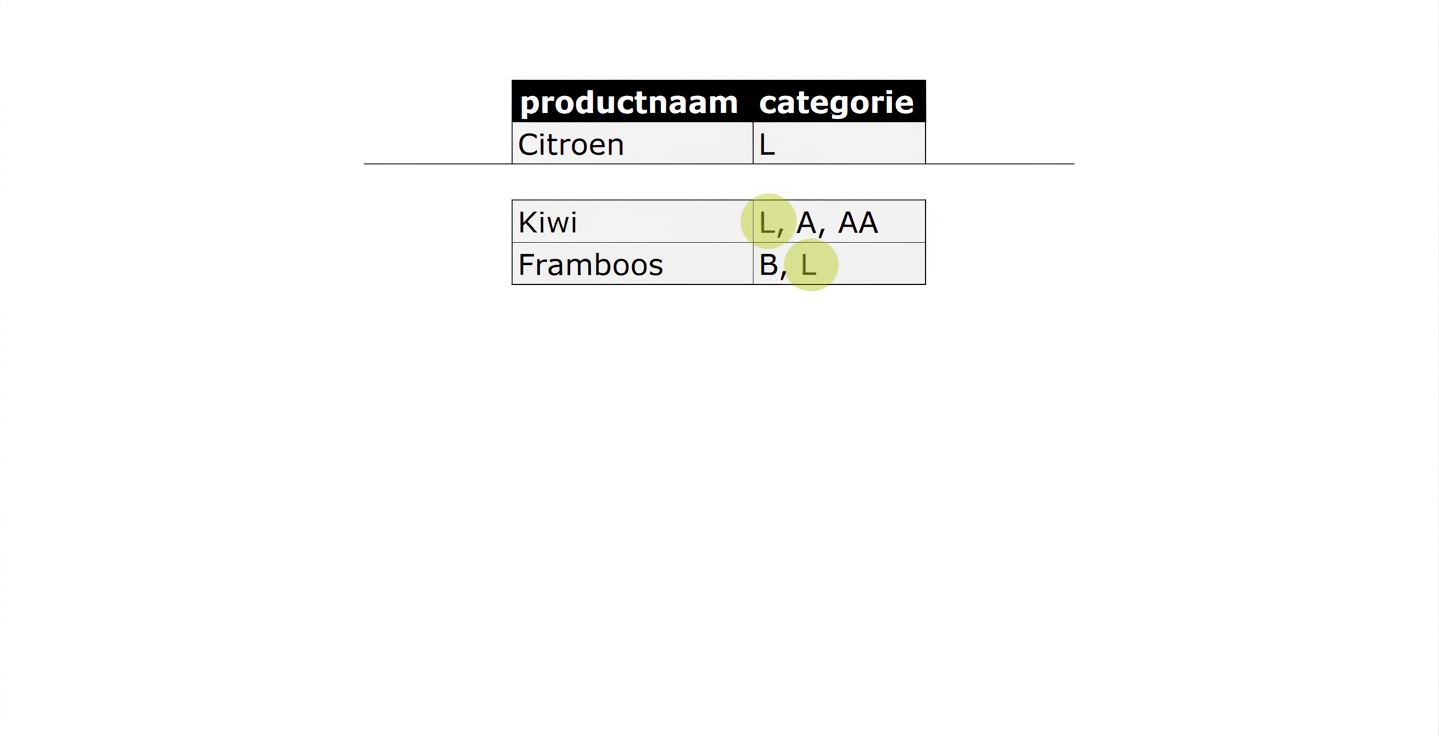
Ongenormaliseerde data herkennen
SELECT DISTINCT product_name,
    category
FROM allproducts
WHERE category = 'L';