Een histogram plotten
Statistisch denken in Python (deel 1)

Justin Bois
Teaching Professor at the California Institute of Technology
Uitslagen swing states VS, 2008
Gegevens afkomstig van Data.gov (https://www.data.gov/)
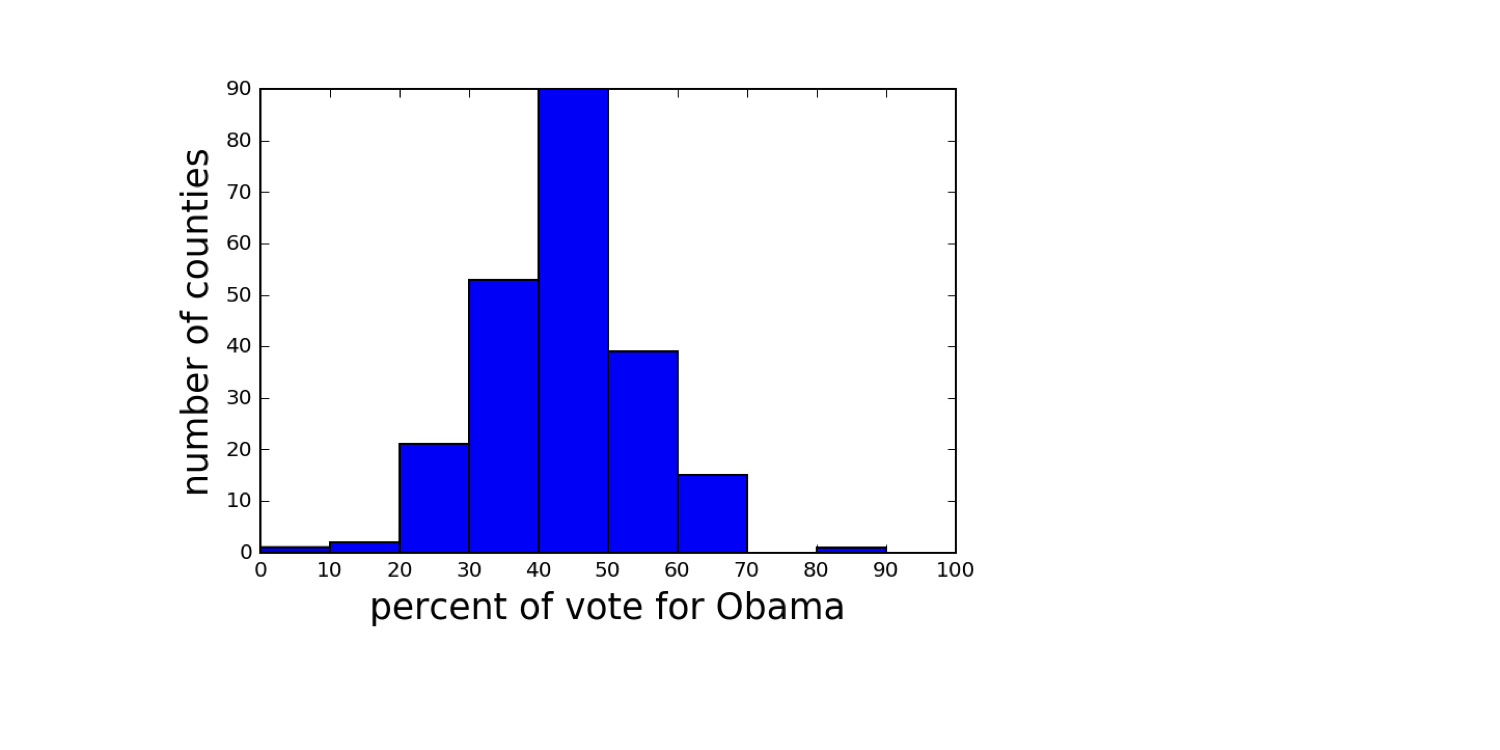
Uitslagen swing states VS, 2008
Gegevens afkomstig van Data.gov (https://www.data.gov/)
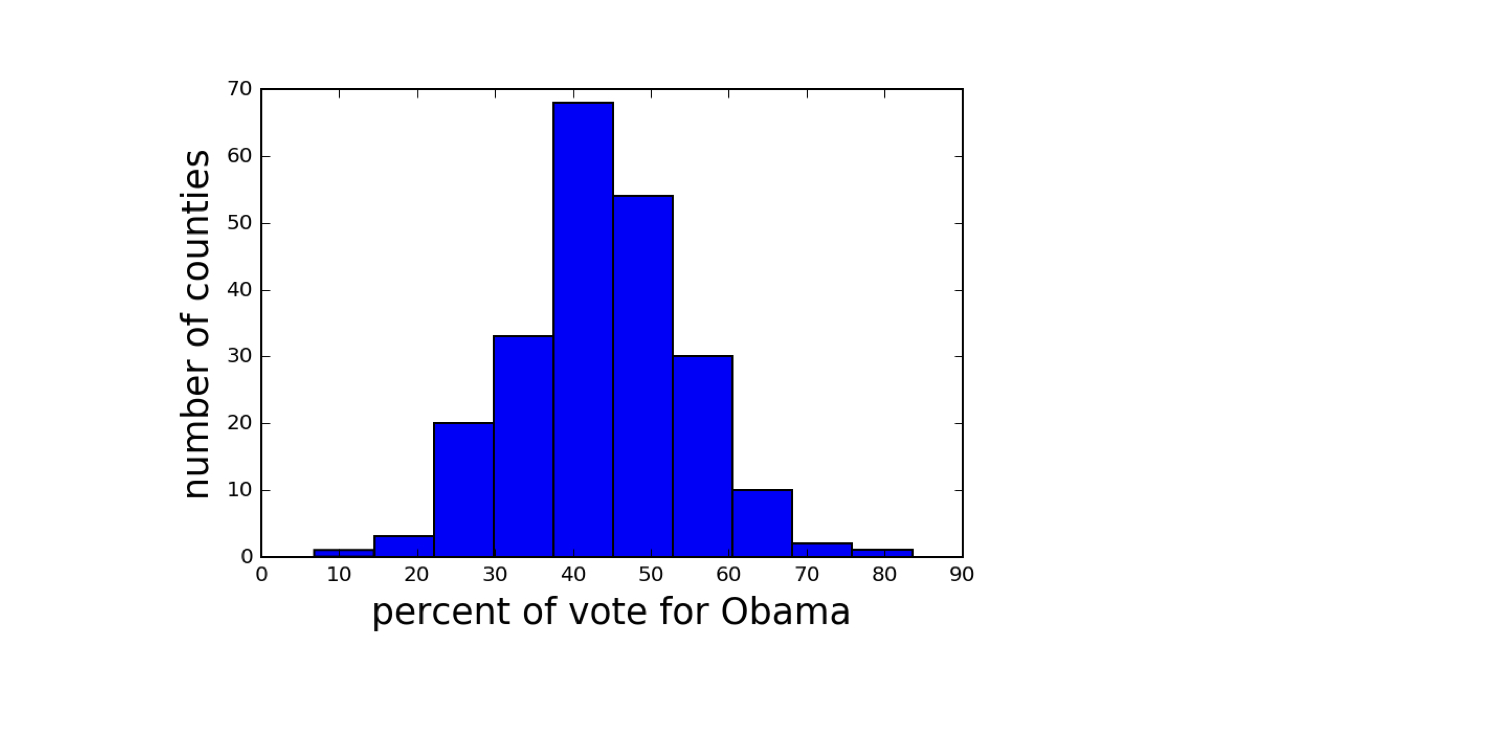
Histogrammen met verschillende bakindelingen
Gegevens afkomstig van Data.gov (https://www.data.gov/)
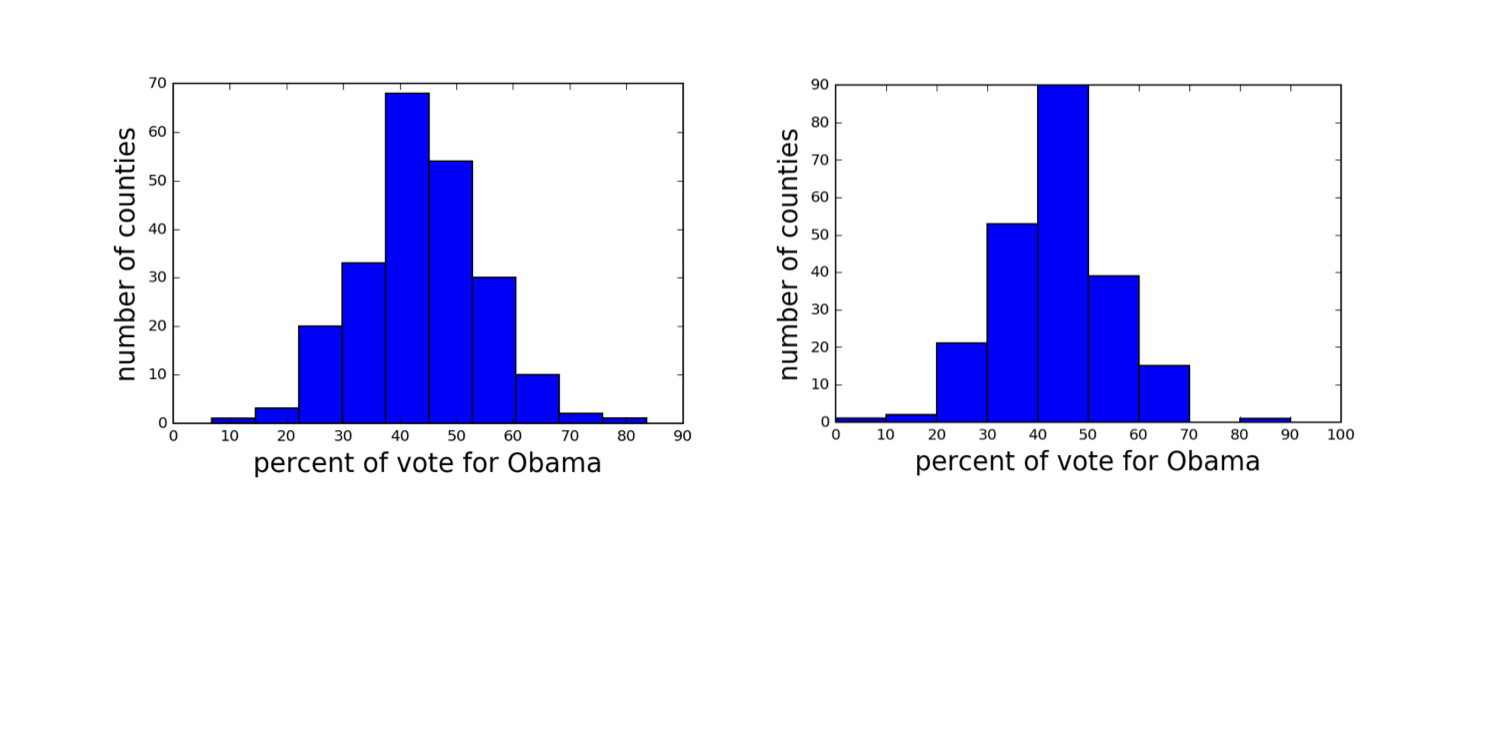
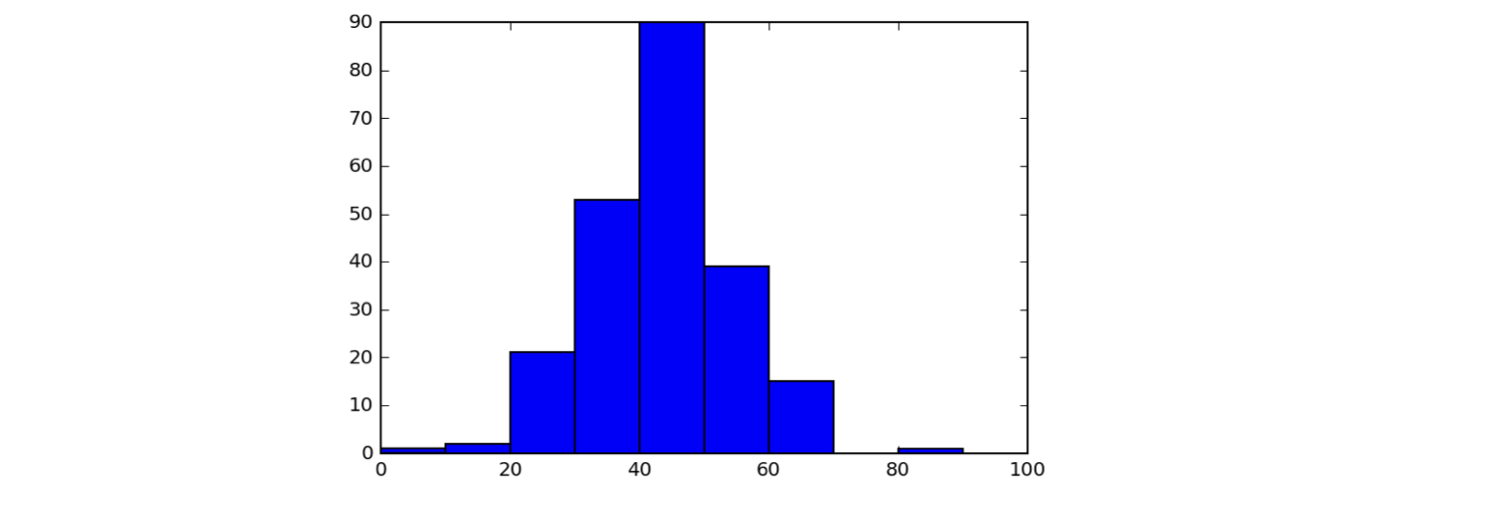
Bakken van een histogram instellen
bin_edges = [0, 10, 20, 30, 40, 50,
                60, 70, 80, 90, 100]
_ = plt.hist(df_swing['dem_share'], bins=bin_edges)
plt.show()
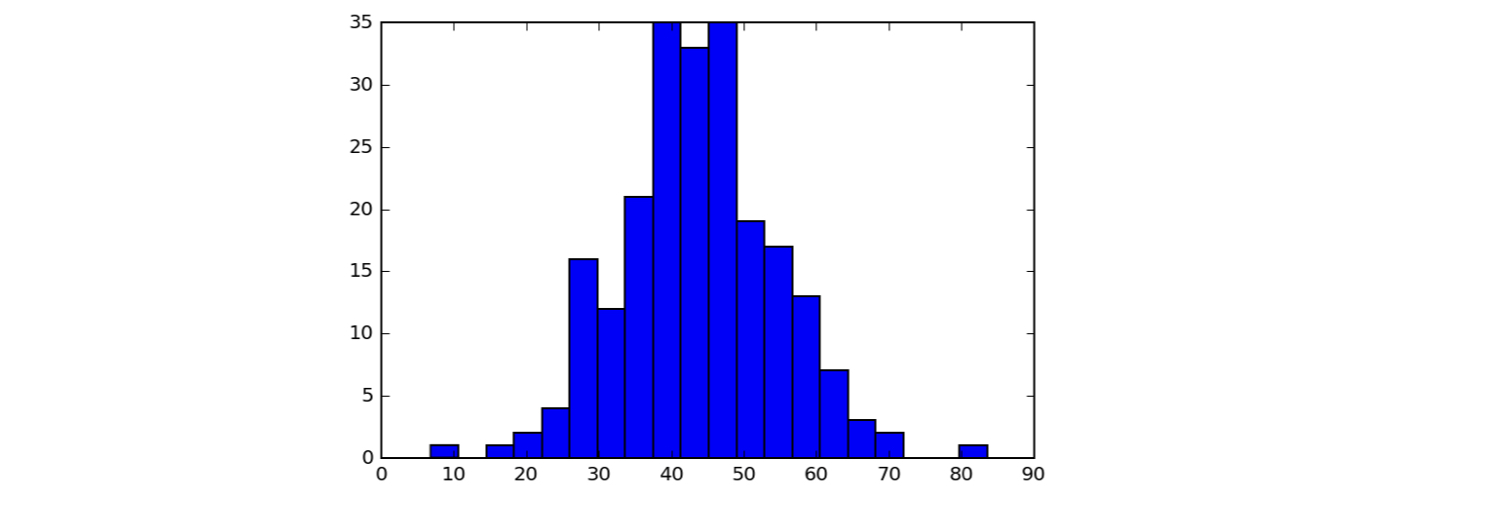
Bakken van een histogram instellen
_ = plt.hist(df_swing['dem_share'], bins=20)
plt.show()
Een histogram met Seaborn-stijl
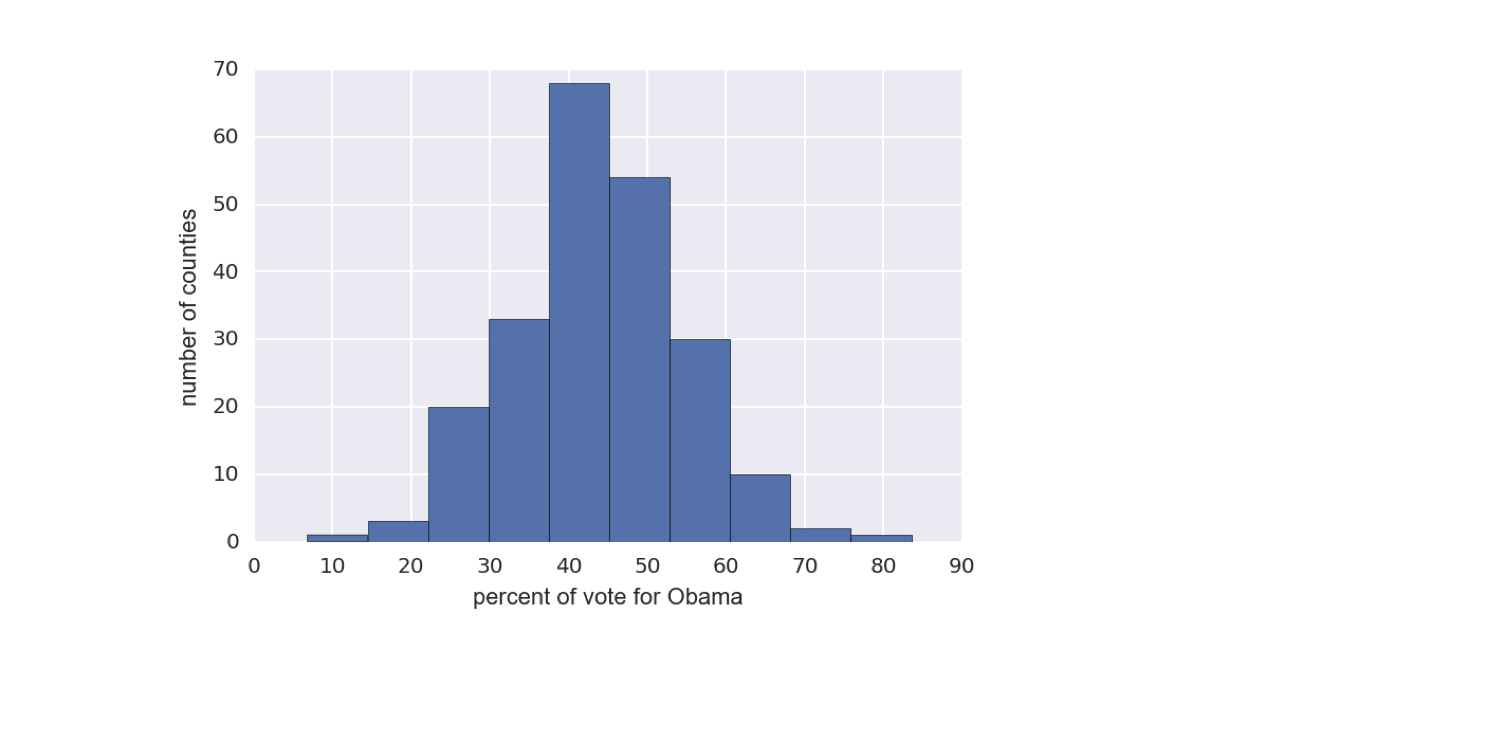
1 Gegevens afkomstig van Data.gov (https://www.data.gov/)

