Eerst het belangrijkste

ARIMA-modellen in R

David Stoffer

Professor of Statistics at the University of Pittsburgh

Over mij

 

  • Hoogleraar statistiek

ch1_1.004.png

ARIMA-modellen in R

Over mij


  • Hoogleraar statistiek
  • Medeauteur van twee boeken over tijdreeksen
  • astsa-pakket

ch1_1.006.png

ARIMA-modellen in R

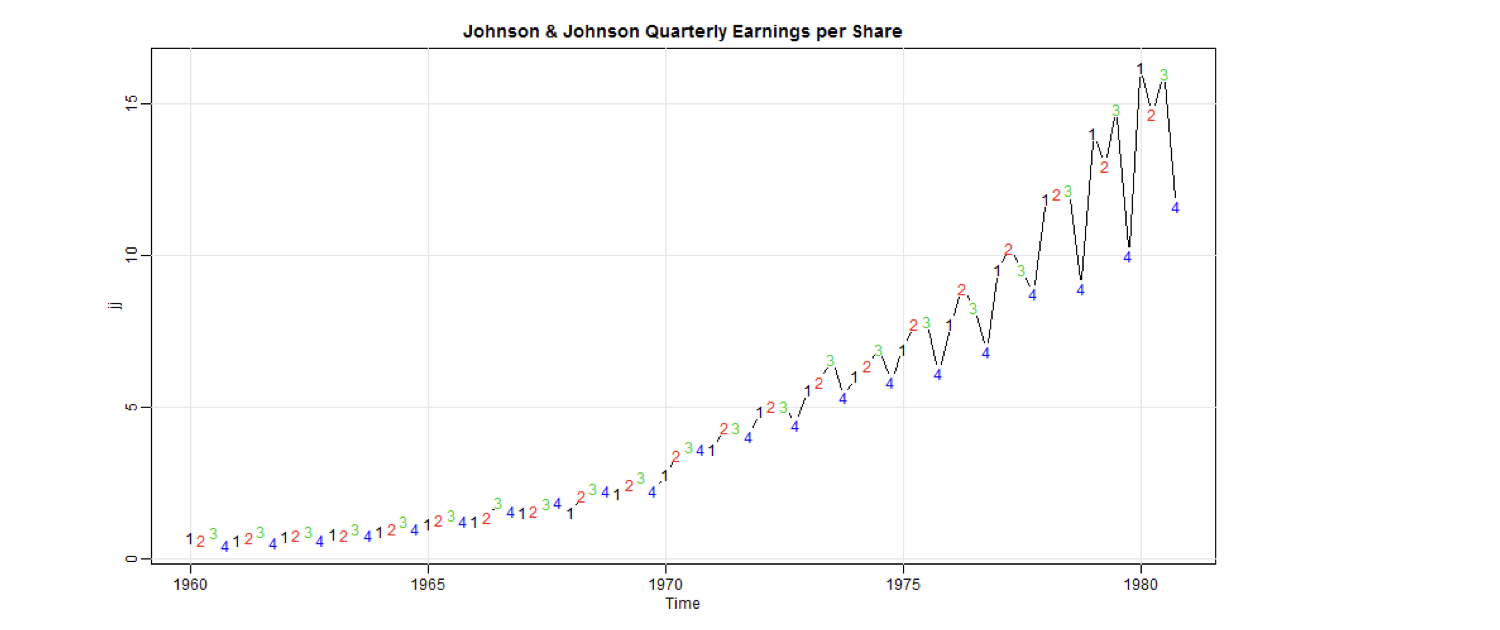
Tijdreeksdata - I

library(astsa)
plot(jj, main = "Johnson & Johnson Quarterly Earnings per Share", type = "c") 
text(jj, labels = 1:4, col = 1:4)
ch1_1.010.png

ARIMA-modellen in R

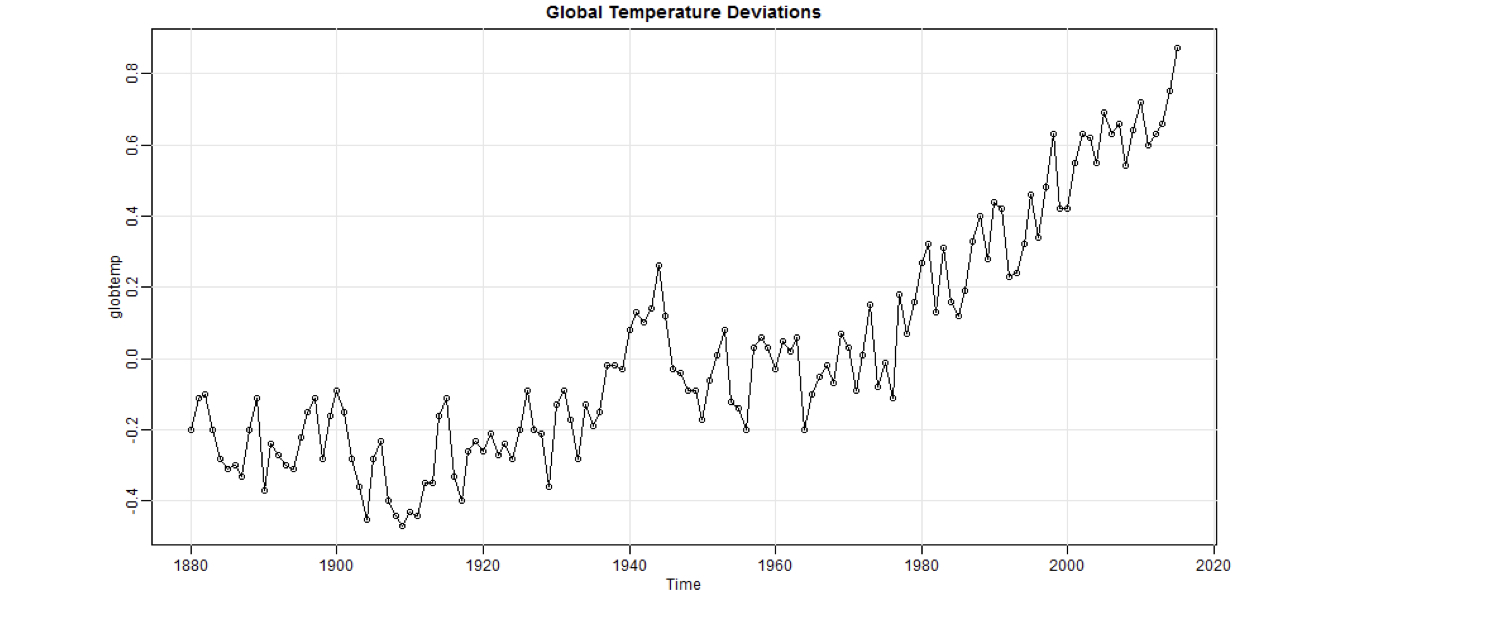
Tijdreeksdata - II

library(astsa)
plot(globtemp, main = "Global Temperature Deviations", type= "o")
ch1_1.013.png

ARIMA-modellen in R

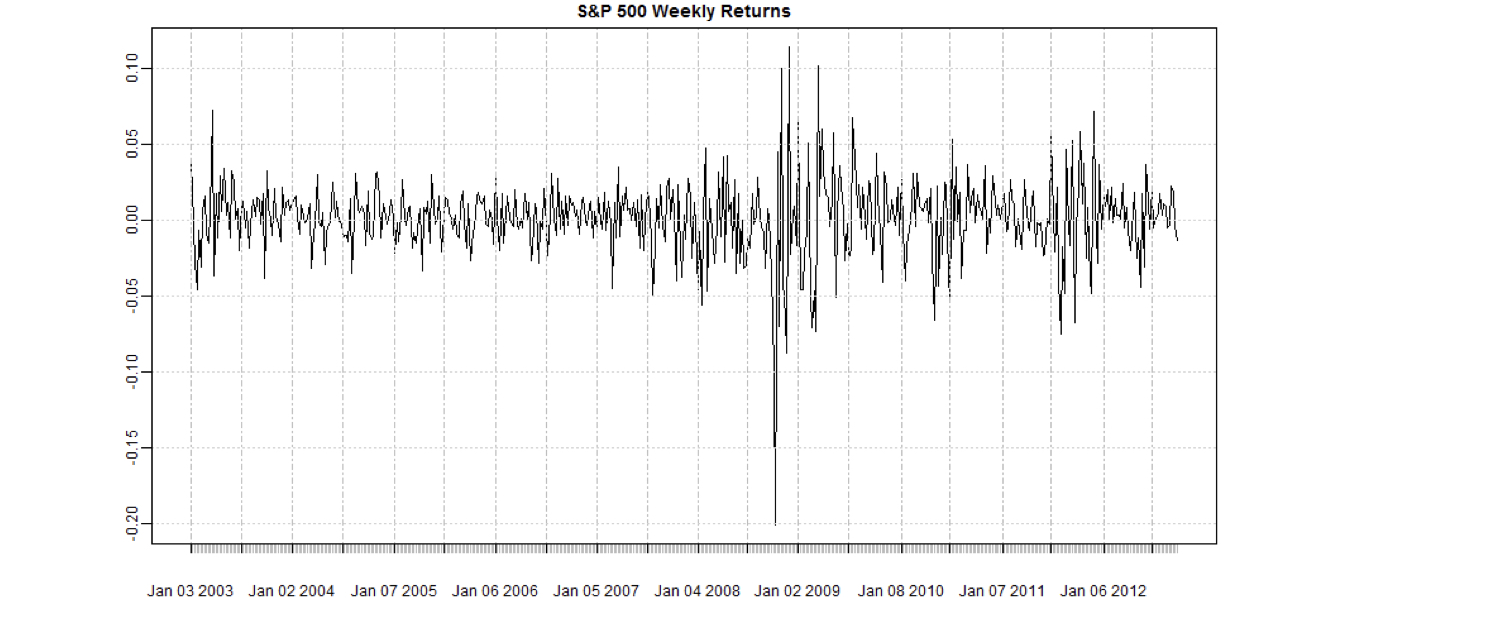
Tijdreeksdata - III

library(xts)
plot(sp500w, main = "S&P 500 Weekly Returns")
ch1_1.016.png

ARIMA-modellen in R

Regressiemodellen voor tijdreeksen

Regressie: $Y_i = \beta X_i + \epsilon_i$, waarbij $\epsilon_i$ white noise is

White noise:

  • onafhankelijke normaalverdelingen met gelijke variantie
  • basisbouwsteen van tijdreeksen

Autoregressie: $X_t = \phi X_{t-1} + \epsilon_t \ $ ($\epsilon_t$ is white noise)

Moving Average: $\epsilon_t = W_t + \theta W_{t-1} \ $ ($W_t$ is white noise)

ARMA: $X_t = \phi X_{t-1} + W_t + \theta W_{t-1} \ $

ARIMA-modellen in R

Laten we oefenen!

ARIMA-modellen in R

Preparing Video For Download...