Star schema's implementeren
Gegevens transformeren en analyseren met Microsoft Fabric
Luis Silva
Solution Architect - Data & AI
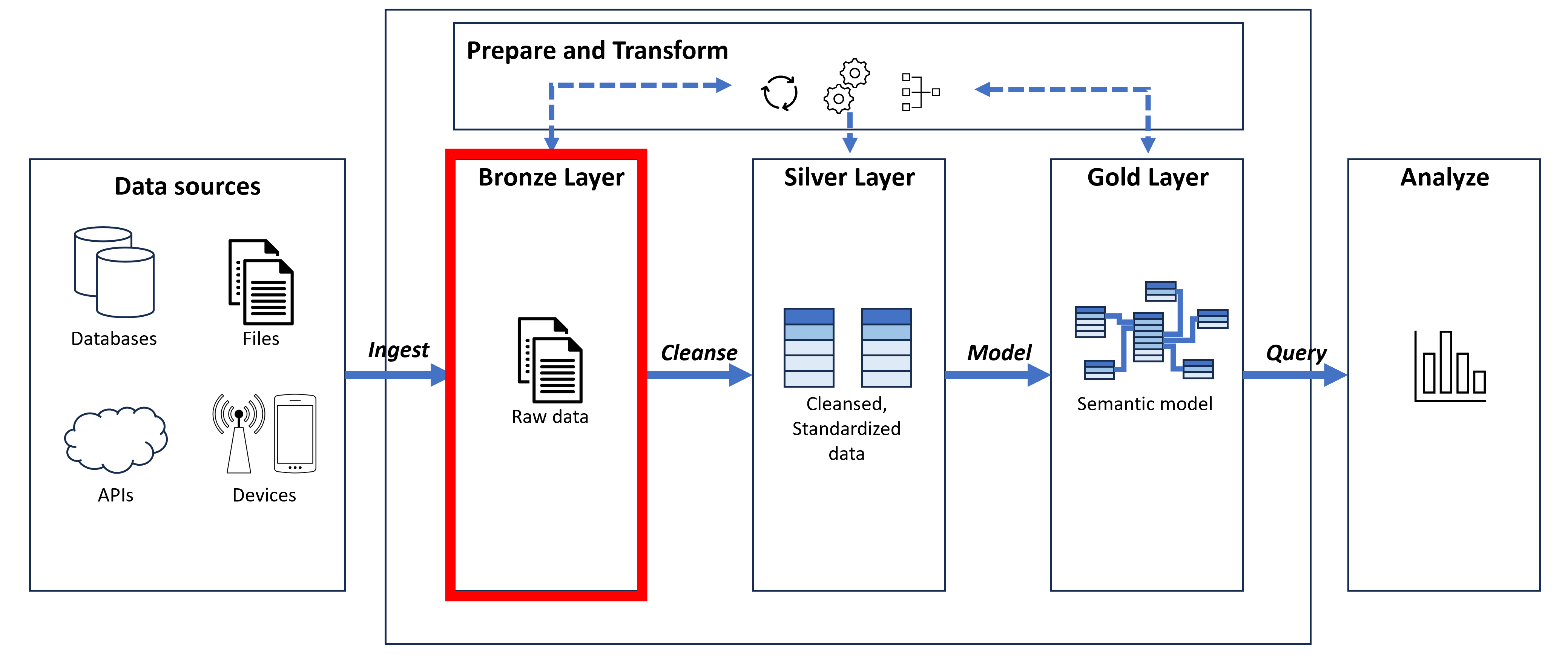
Medallion-architectuur
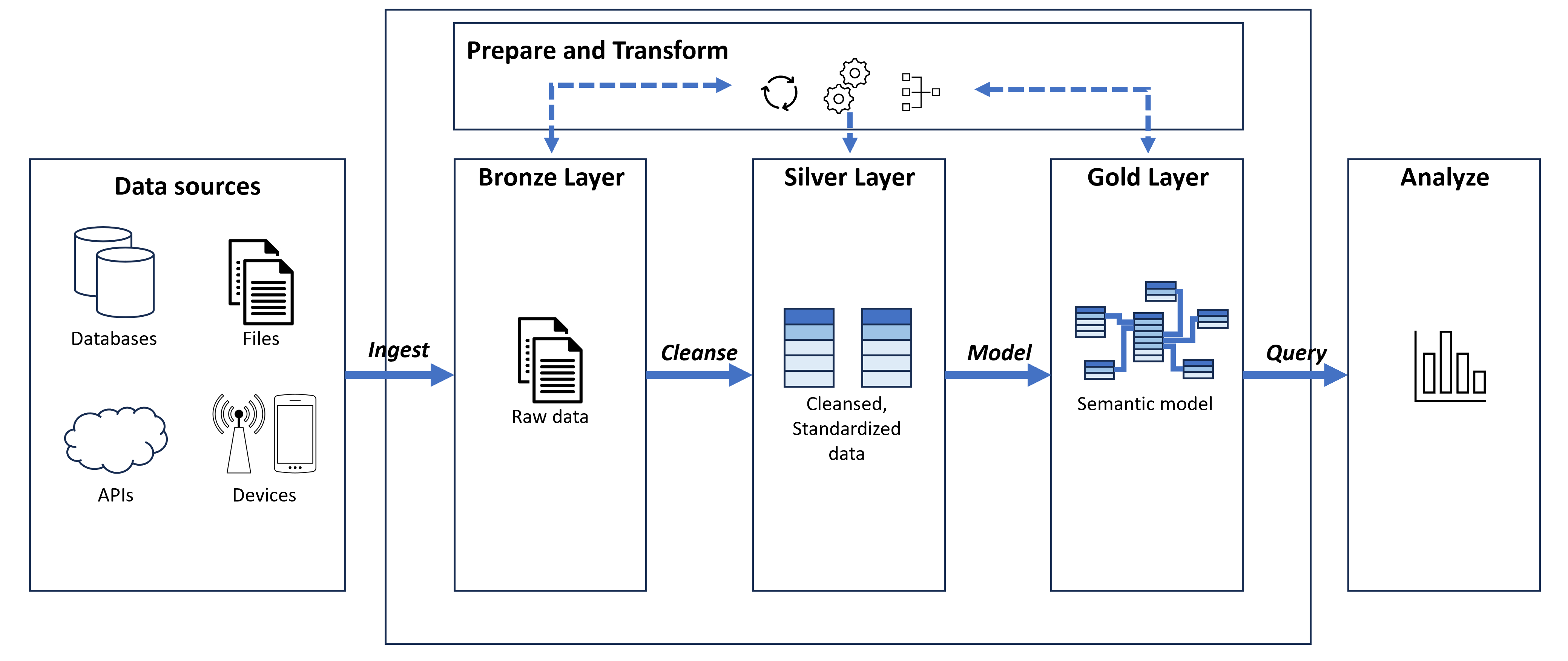
Ontwerppatroon voor het organiseren van data
Drie lagen met stapsgewijze verfijning van de data
Medallion-architectuur
Bronzen laag:
Data uit de bron in originele, ruwe vorm.
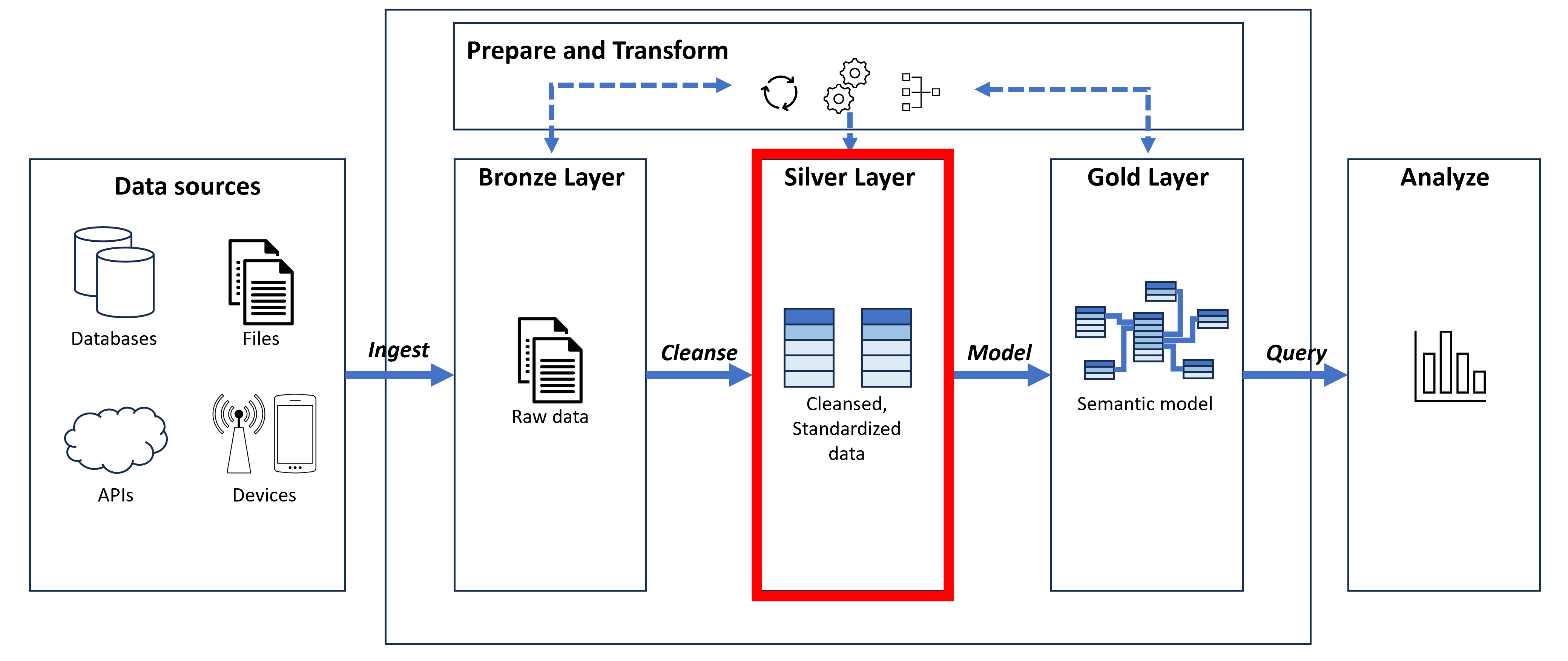
Medallion-architectuur
Zilveren laag:
Opgeschoonde en gestandaardiseerde data.
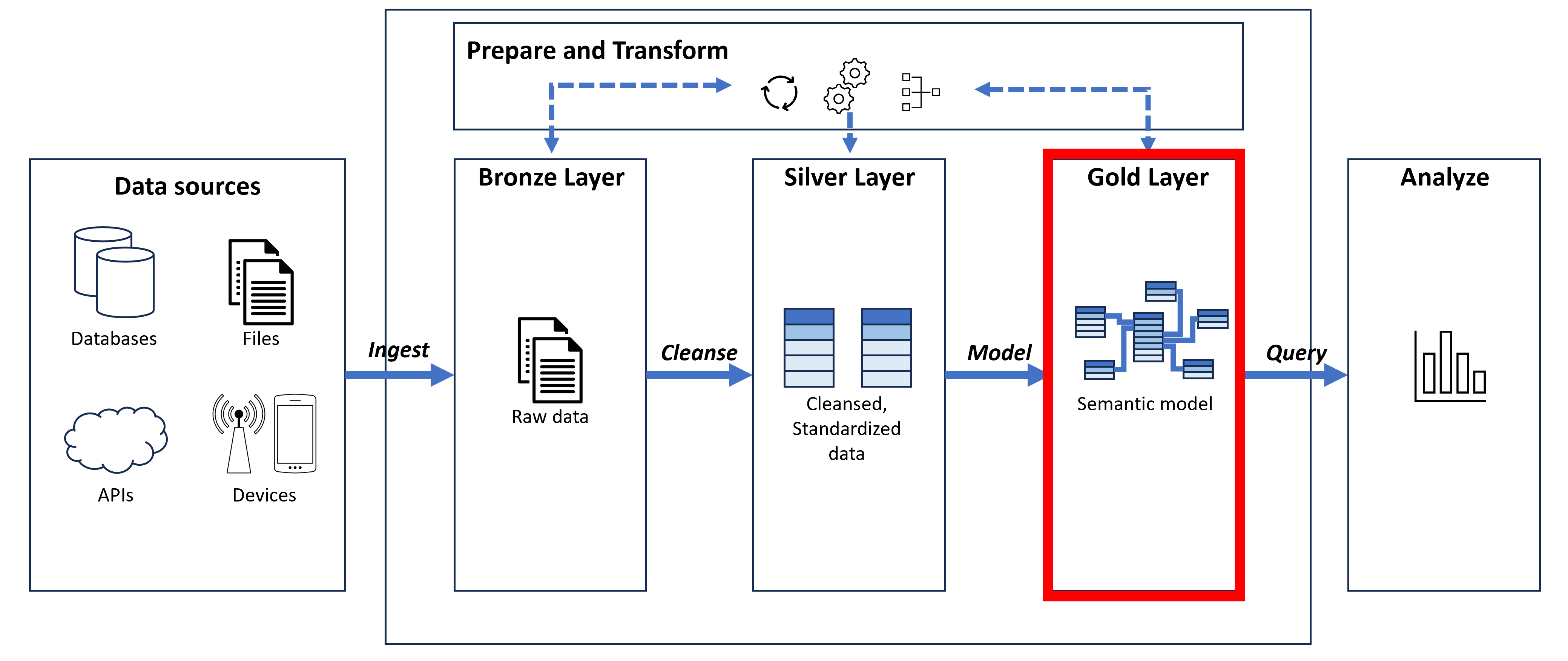
Medallion-architectuur
Gouden laag:
Data in een formaat voor analytics, meestal een ster-schema.
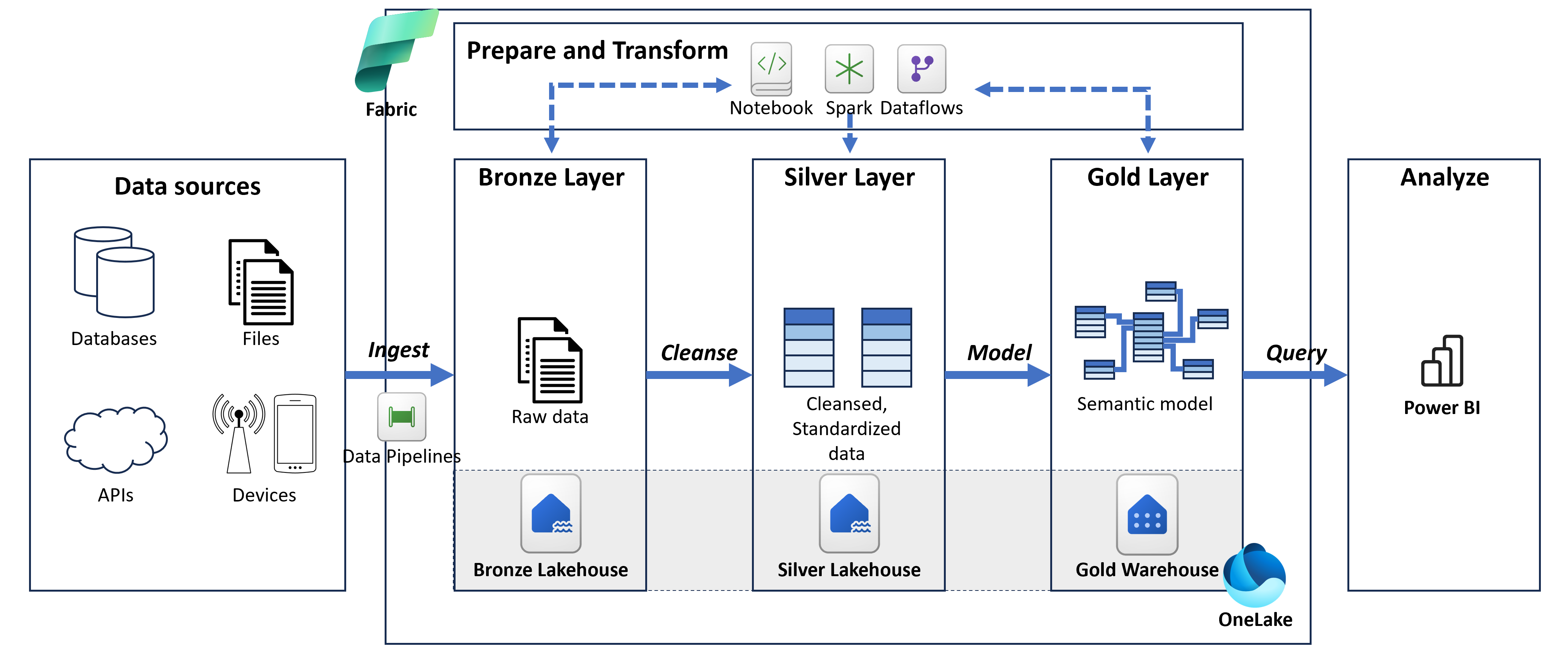
Medallion-architectuur in Fabric
Bronzen laag: Lakehouse
Zilveren laag: Lakehouse
Gouden laag: Lakehouse of Warehouse
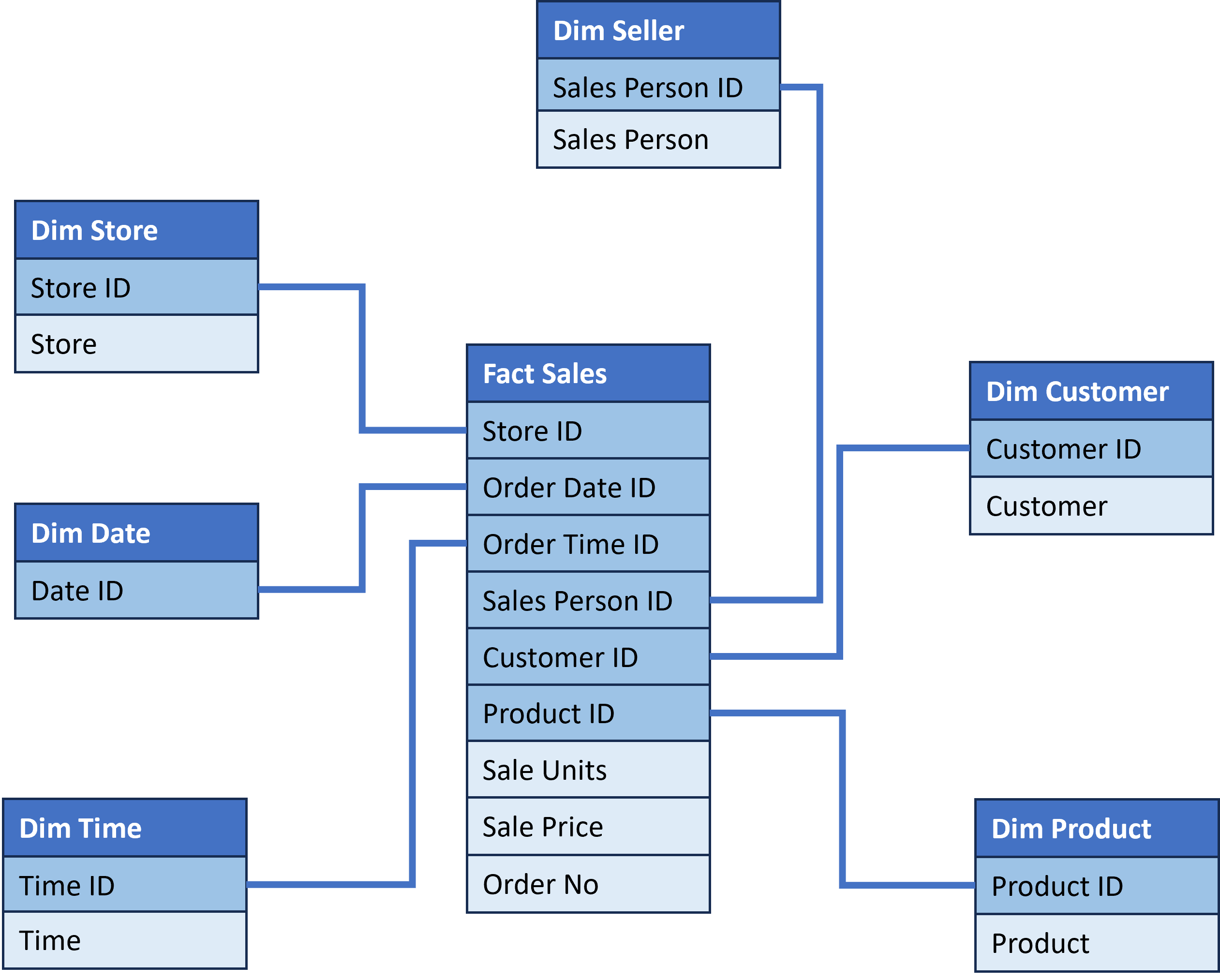
Een ster-schema implementeren
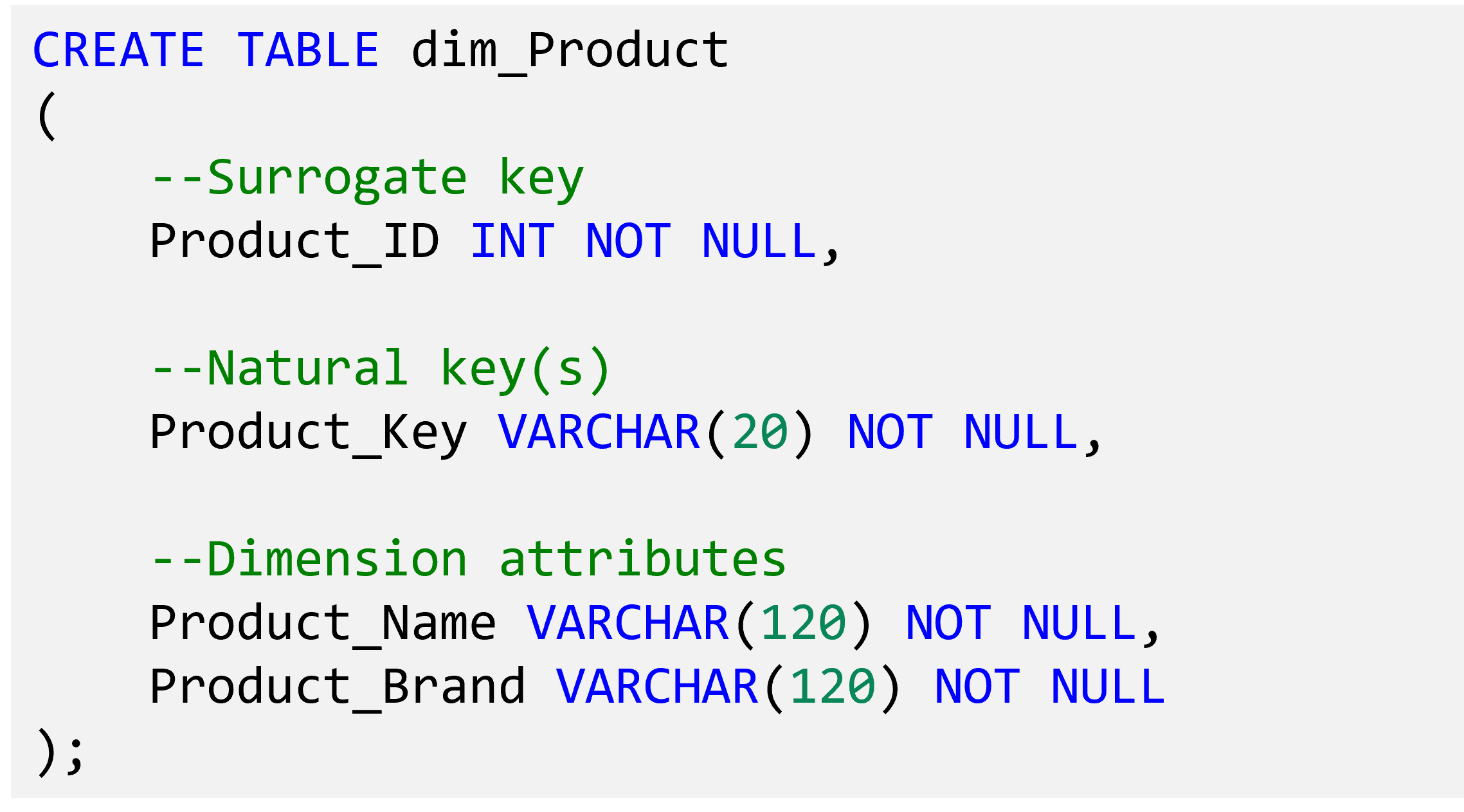
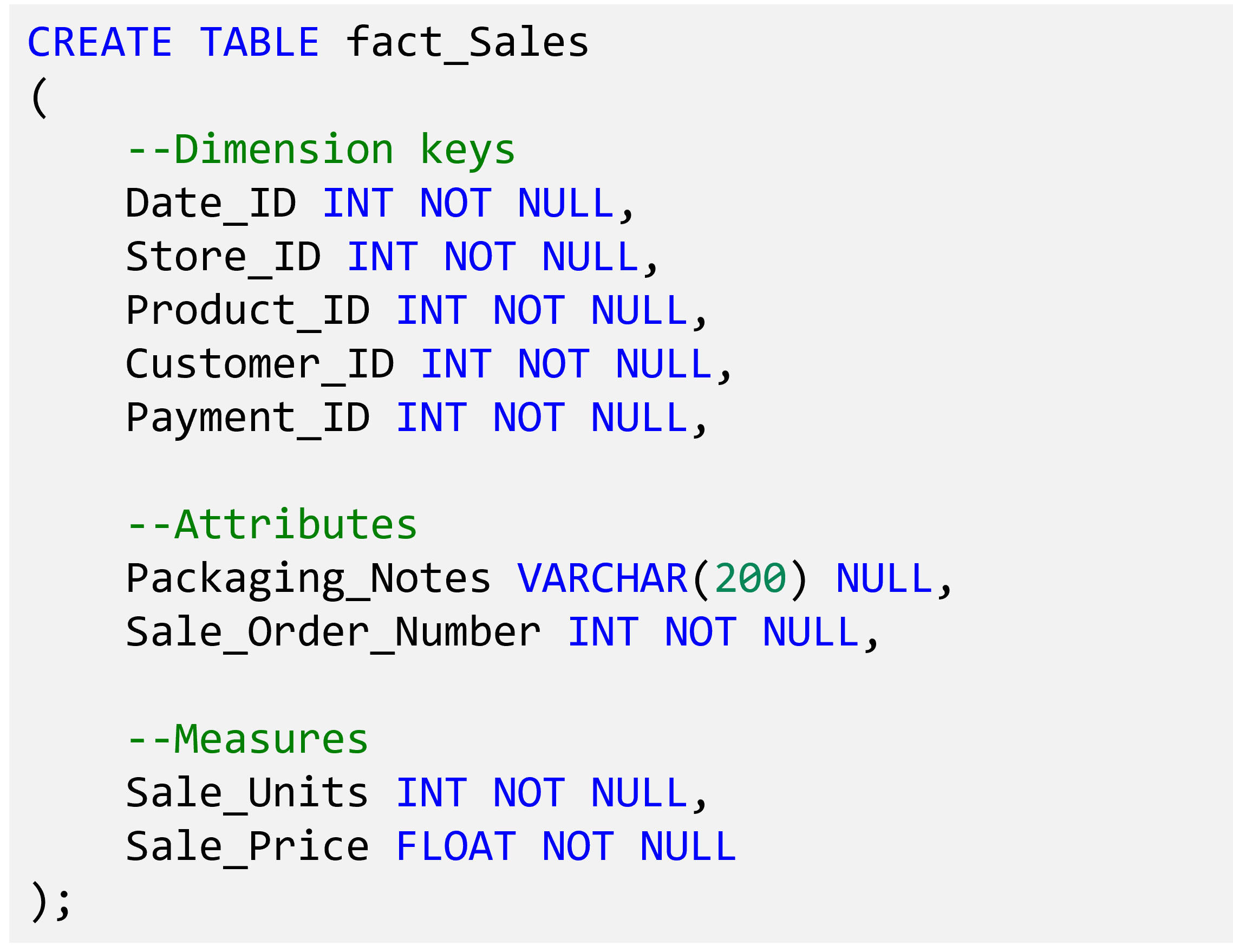
Gebruik T-SQL CREATE TABLE om tabellen te definiëren.
Fabric ondersteunt de meest gebruikte T-SQL-datatypen.
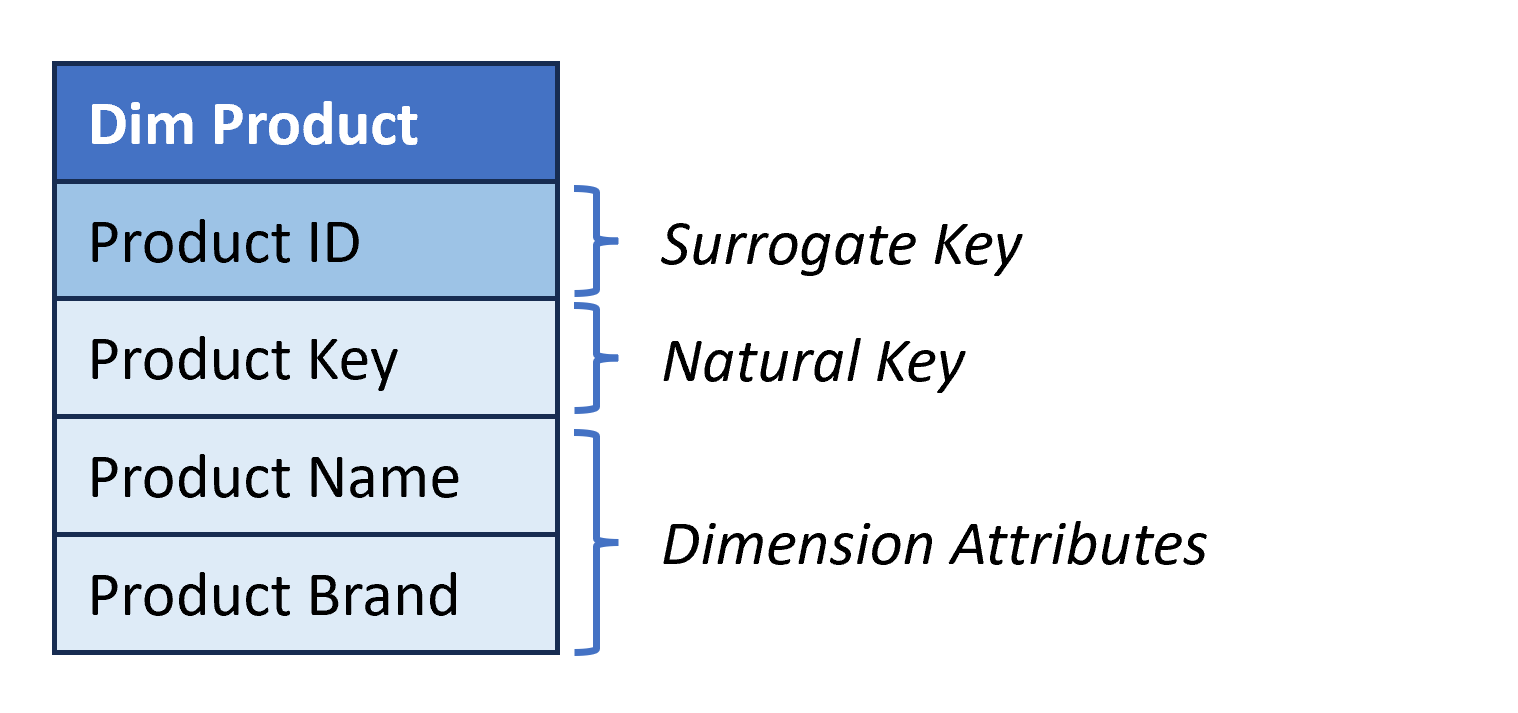
Dimension table structure
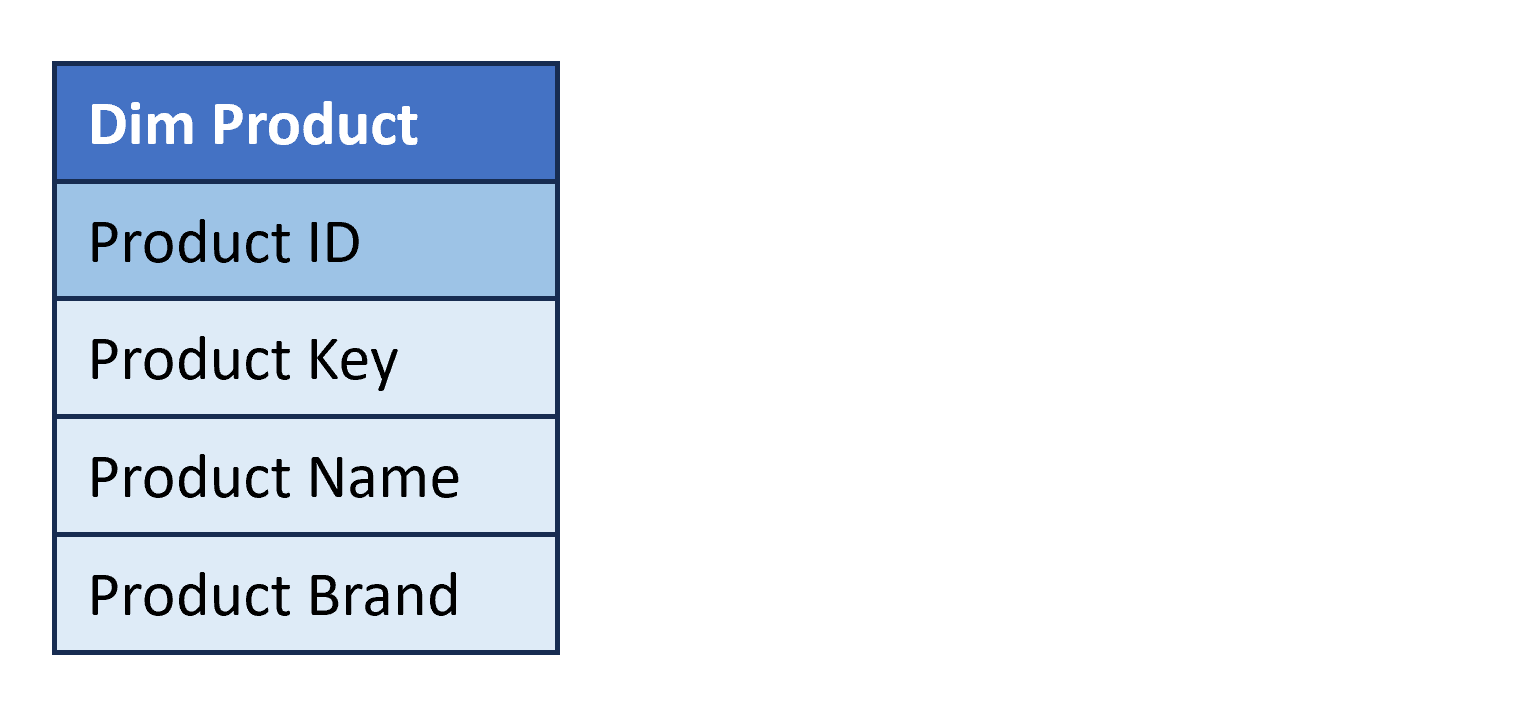
Describe business entities (e.g., products).
Usually have the following columns:
Dimension table structure
Describe business entities (e.g., products).
Usually have the following columns:
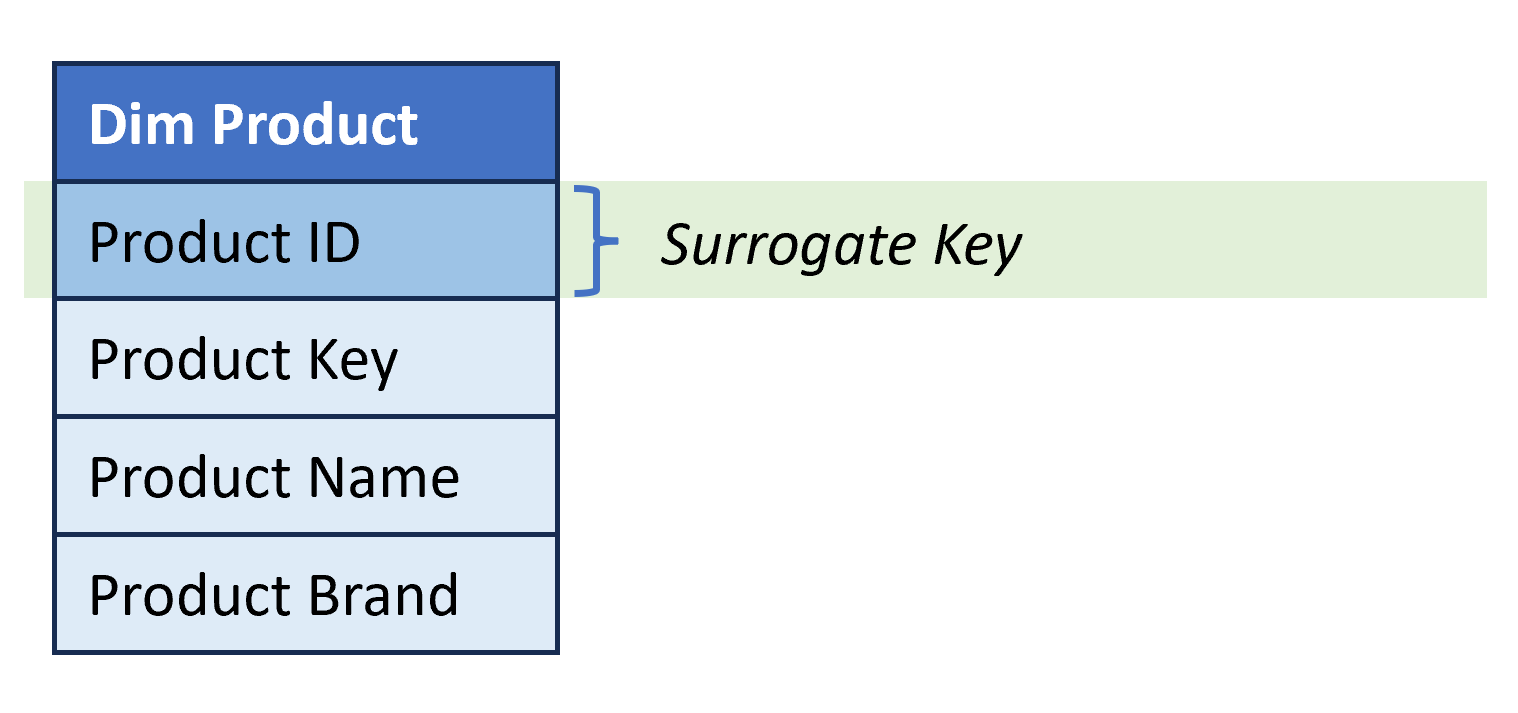
Surrogate Key.
Single-column unique identifier for dimension items.
Dimension table structure
Describe business entities (e.g., products).
Usually have the following columns:
Surrogate Key.
Single-column unique identifier for dimension items.
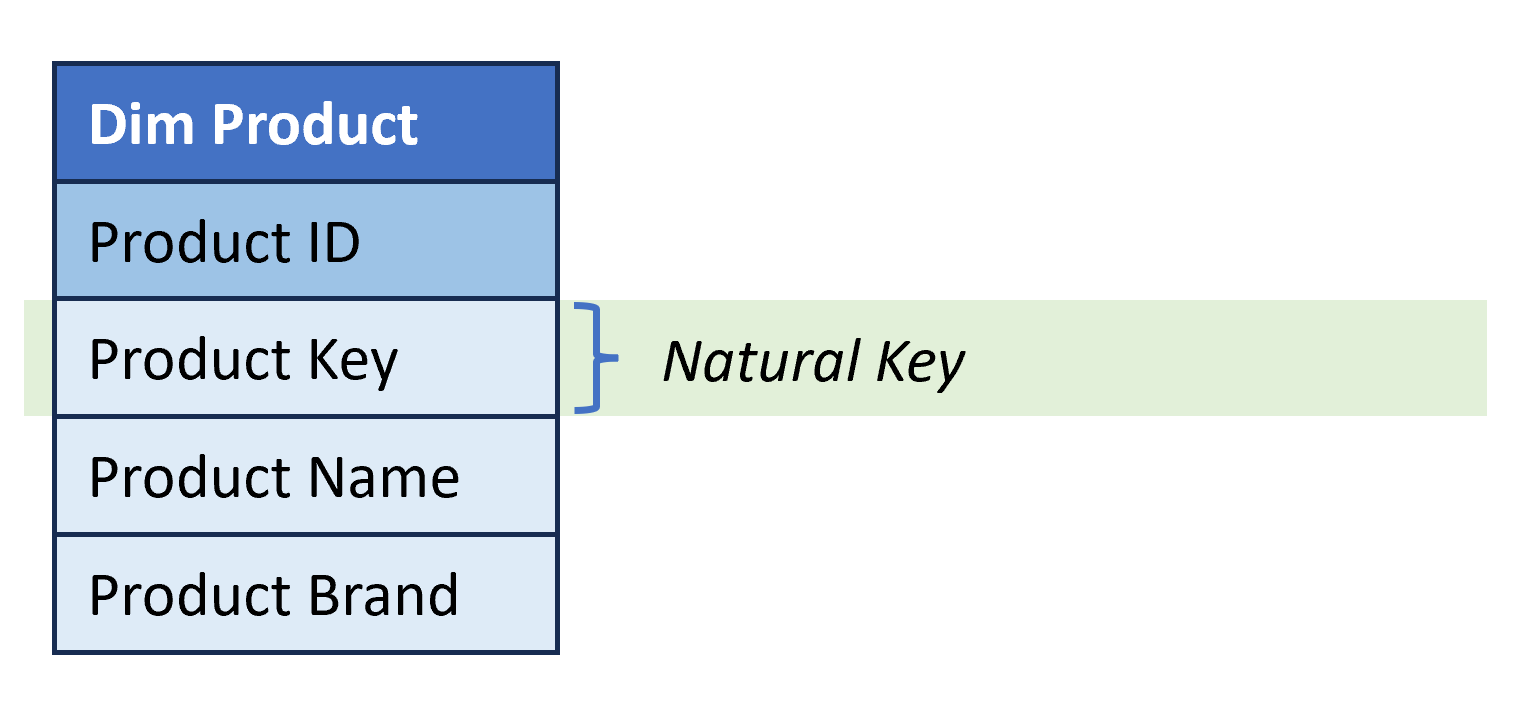
Natural Key (Business Key).
Single-column unique identifier that comes from source systems.
Dimension table structure
Describe business entities (e.g., products).
Usually have the following columns:
Surrogate Key.
Single-column unique identifier for dimension items.
Natural Key (Business Key).
Single-column unique identifier that comes from source systems.
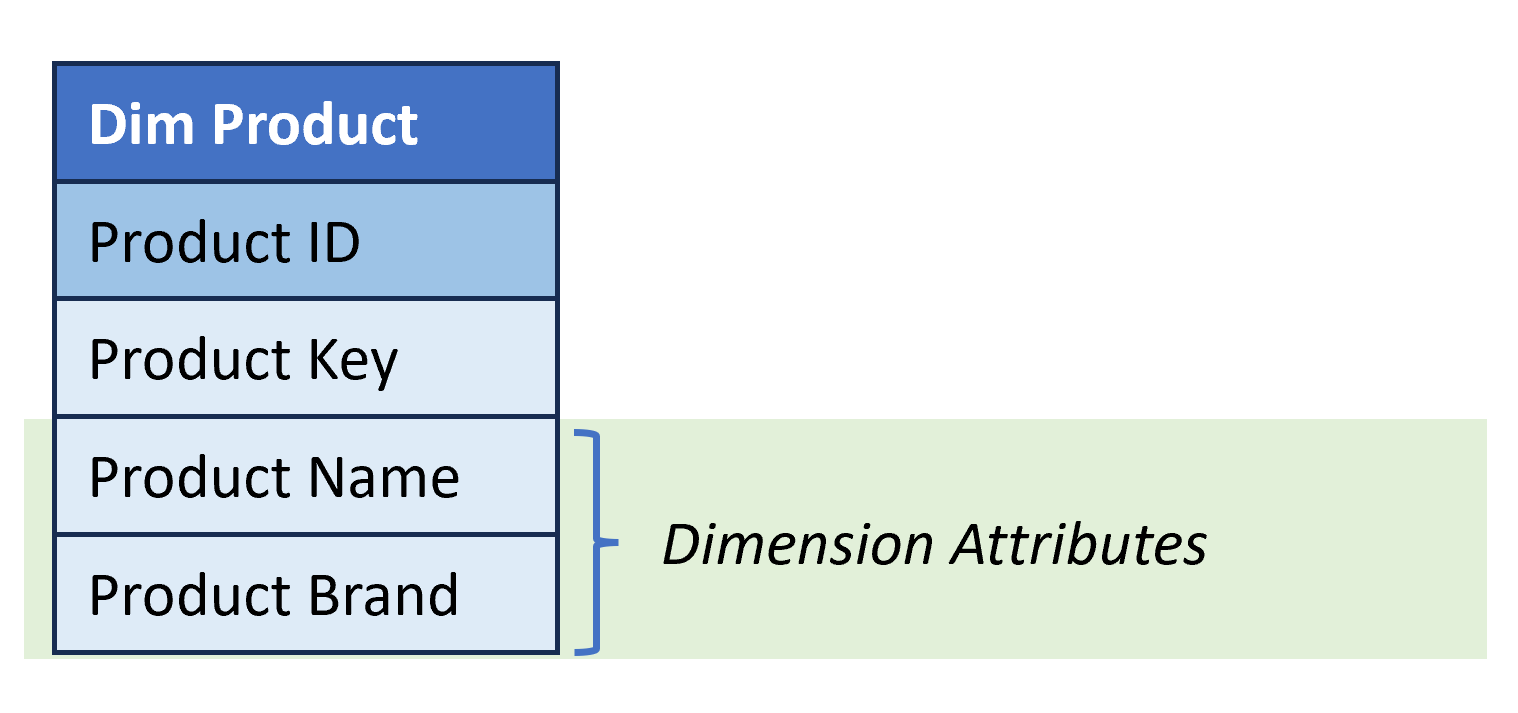
Dimension Attributes.
One or more columns that are used to filter data and provide context to the data stored in the fact table.
Building dimension tables
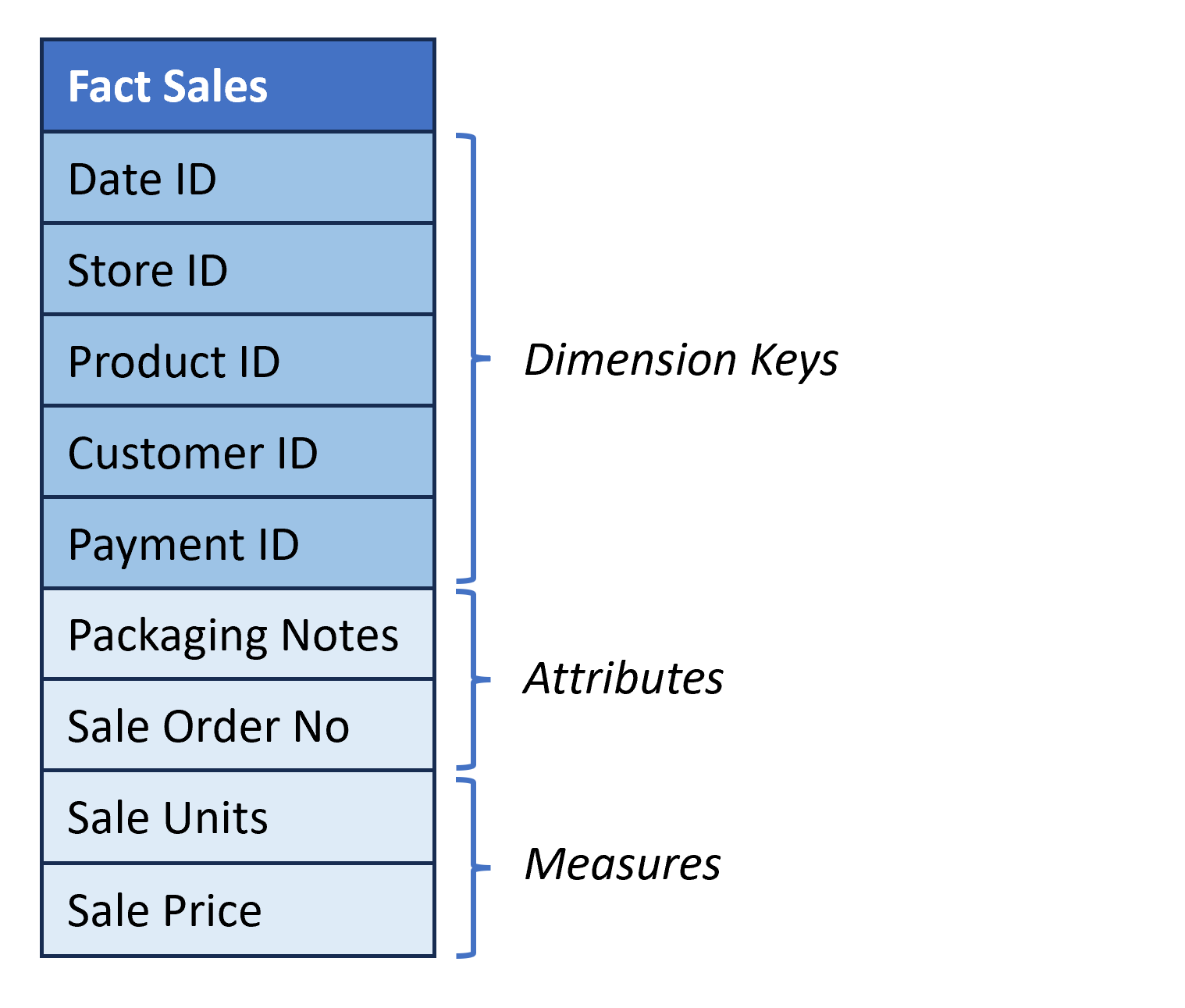
Fact table structure
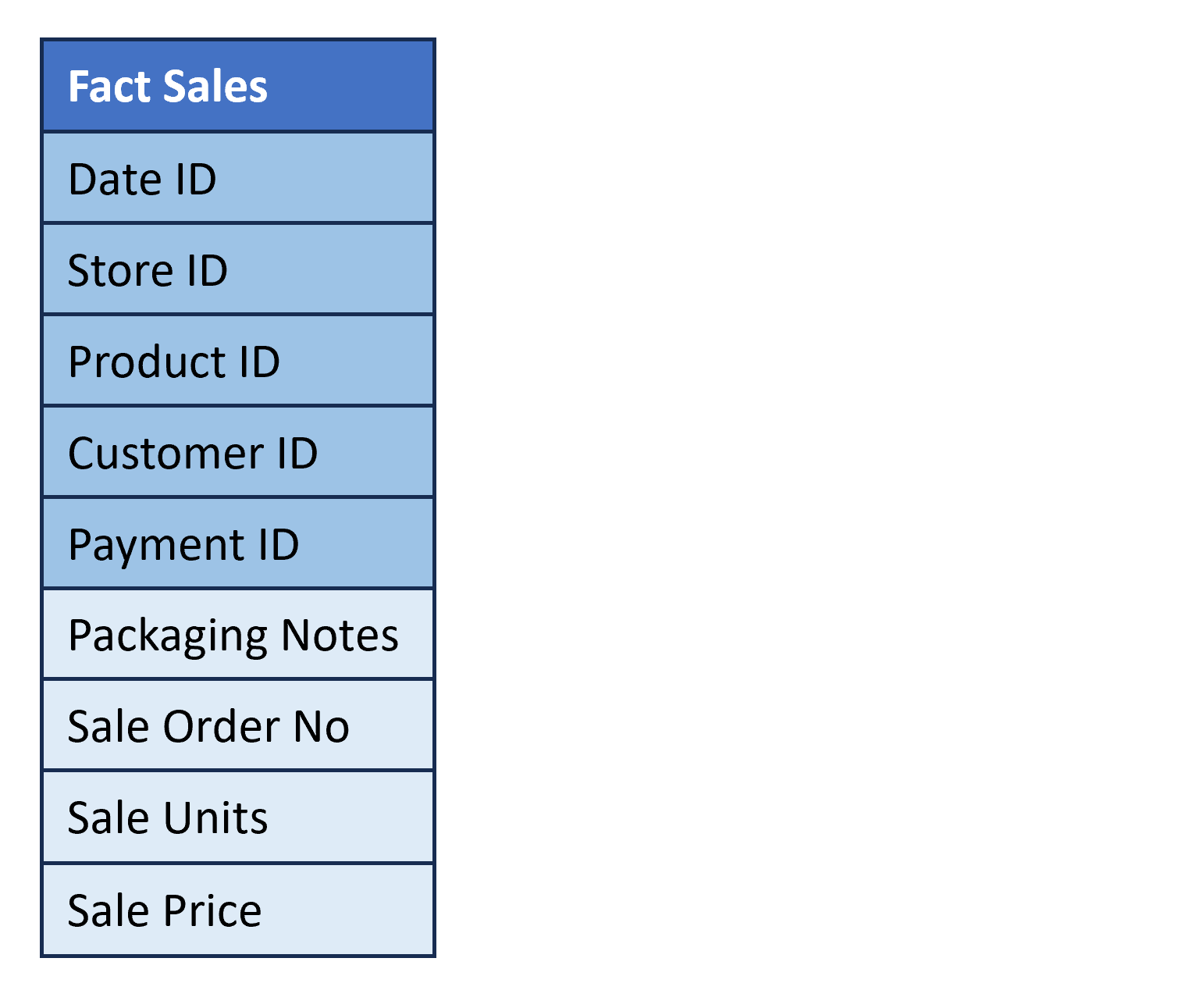
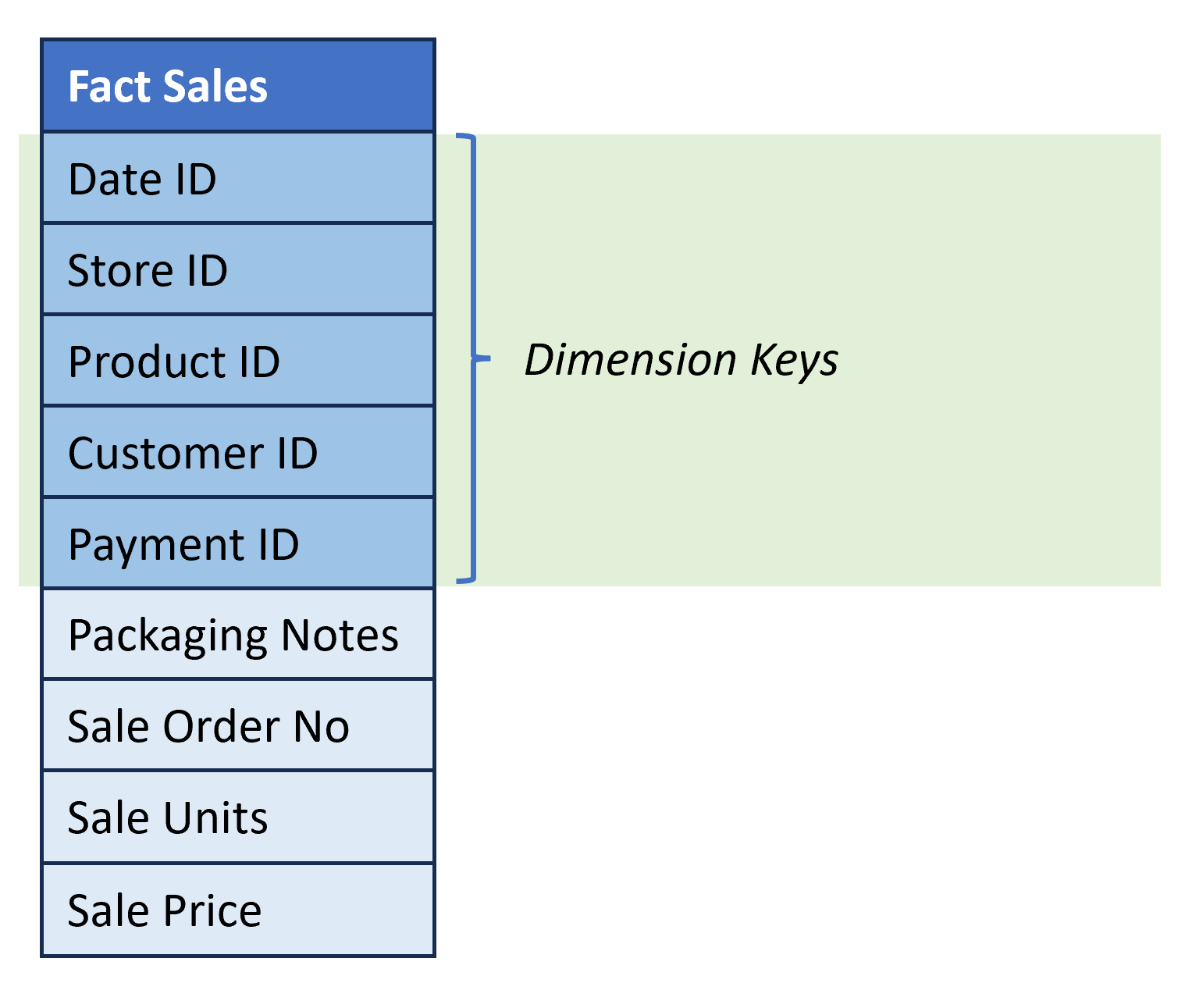
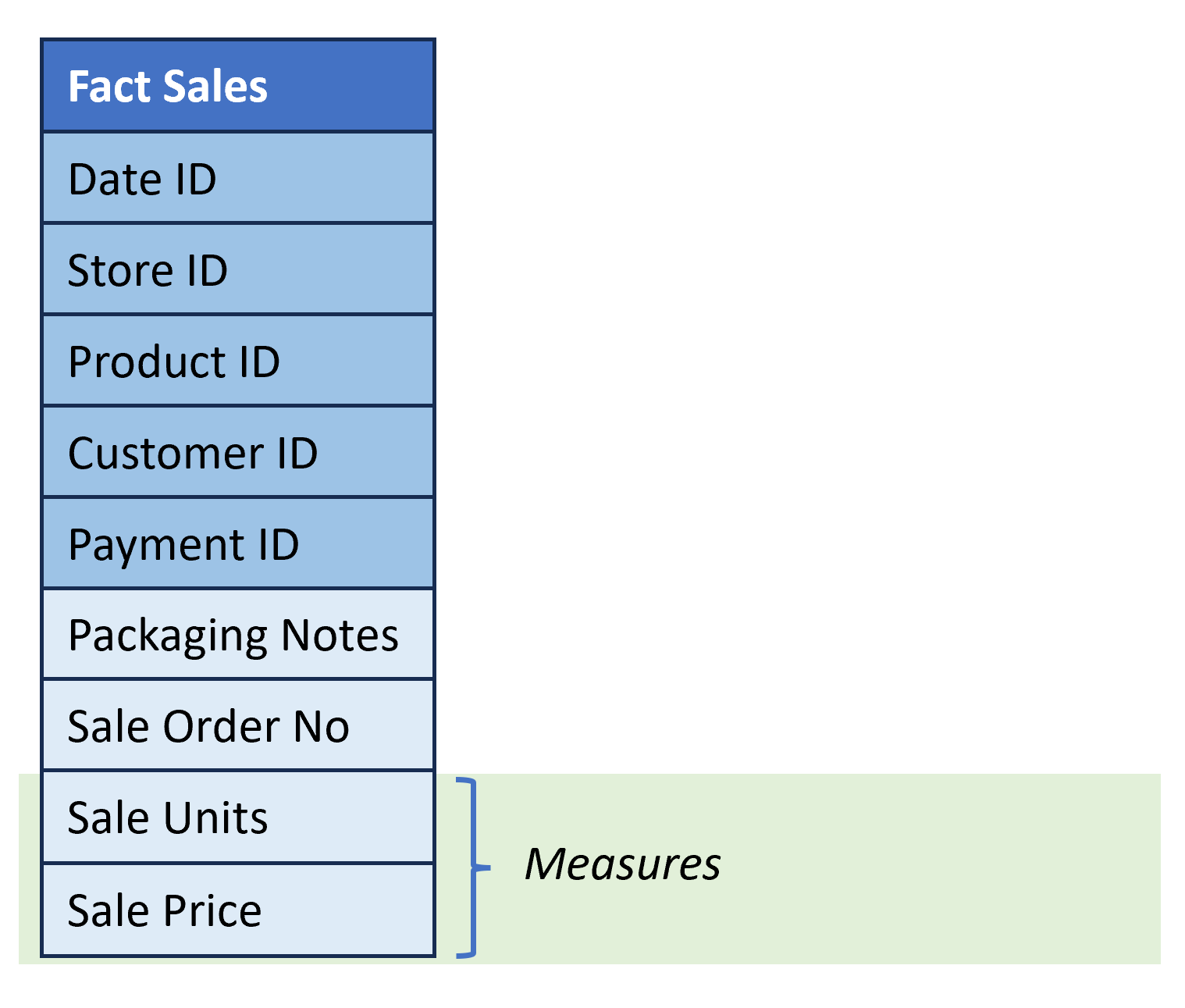
Describe business events (e.g., sale of a product).
Columns:
Fact table structure
Describe business events (e.g., sale of a product).
Columns:
Dimension Keys.
References to the surrogate keys of the dimension tables.
Fact table structure
Describe business events (e.g., sale of a product).
Columns:
Dimension Keys.
References to the surrogate keys of the dimension tables.
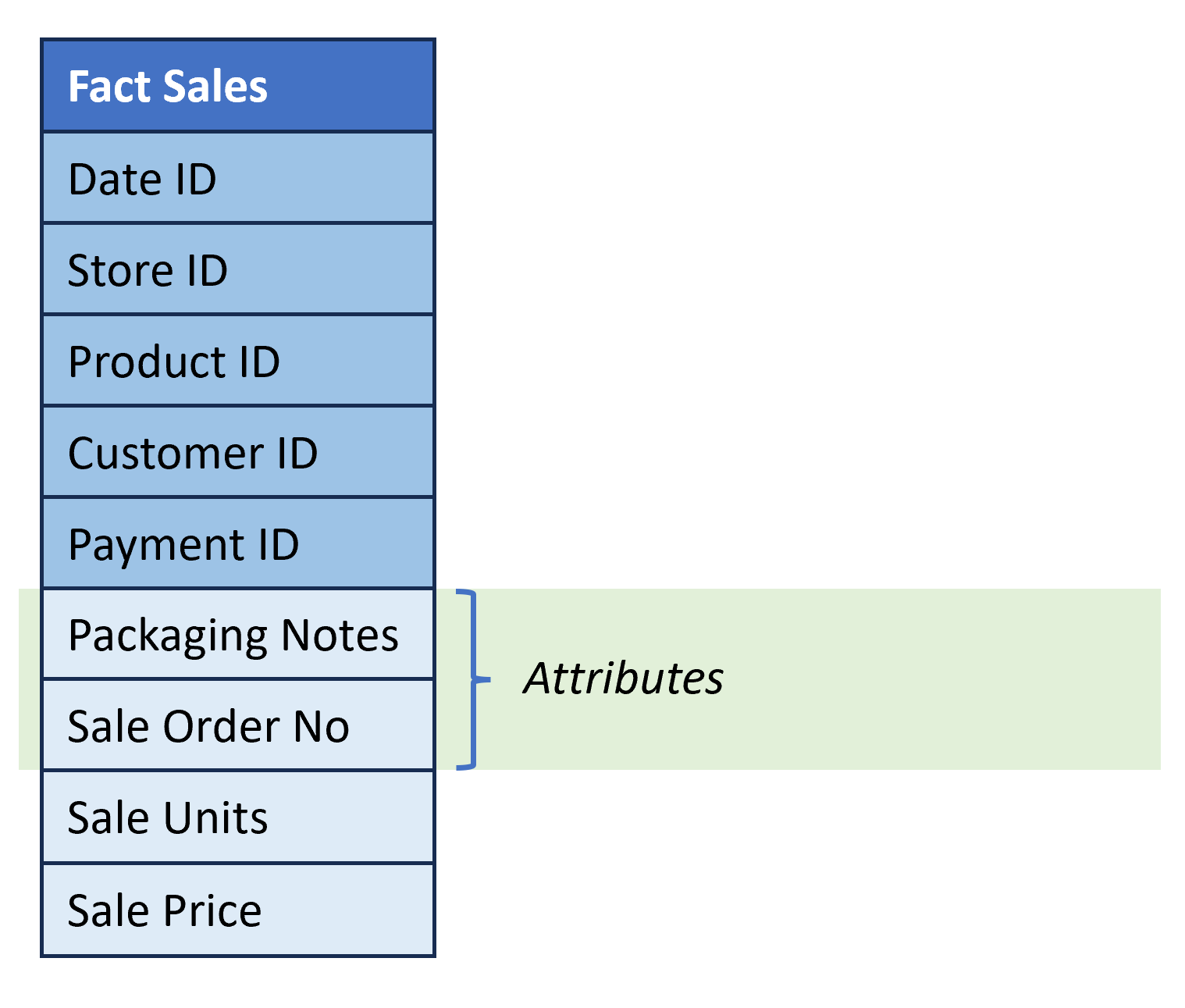
Attributes.
Provide additional information about the fact but are neither a dimension or a numerical measure.
Fact table structure
Describe business events (e.g., sale of a product).
Columns:
Dimension Keys.
References to the surrogate keys of the dimension tables.
Attributes.
Provide additional information about the fact but are neither a dimension or a numerical measure.
Measures.
Quantify something about the fact; they are numeric and commonly additive, e.g., number of units, dollar amount, etc.
Building fact tables
Let's practice!
Gegevens transformeren en analyseren met Microsoft Fabric
Preparing Video For Download...