Case Study: Supply Chain Analytics in Power BI
Nick Switzer
Analytics Lead
L’opzione Make usa stime interne.
Le stime interne devono avere info sufficienti per il costo pieno

| Part_Number | Cost_per_Unit | ... |
|---|---|---|
| P1125 | $8.066 | ... |
| P9091 | $4.639 | ... |
| P1227 | $3.22 | ... |
| Part_Number | Machine Model | Unit Capacity | Existing Capacity | Machine Fixed Cost | ... |
|---|---|---|---|---|---|
| P1125 | 3D Printer79 | 304 | 1472 | $5,000 | |
| P9091 | Lathe23 | 13224 | 29,760 | $1,000,000 | |
| P1227 | 3D Printer79 | 500 | 850 | $5,000 |
Costi incrementali: Nuovi costi introdotti dalla decisione make or buy, non costi sommersi già esistenti.


Costi incrementali (inclusi nel costo decisionale):
Costo sommerso (non includere nel costo decisionale):

Costi incrementali (inclusi nel costo decisionale):
Costo sommerso (non includere nel costo decisionale):

Altri costi incrementali possono includere:
Macchine disponibili:

Macchine richieste per la produzione:
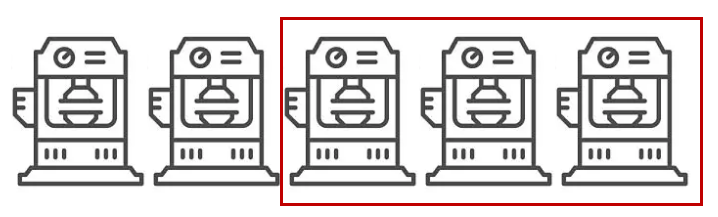
Macchine richieste per la produzione:

Machines Required to Purchase = Production Volume - Existing Capacity) / Unit Capacity
Macchine richieste per la produzione:

Machines Required to Purchase = ROUNDUP (Production Volume - Existing Capacity) / Unit Capacity, 0)
Case Study: Supply Chain Analytics in Power BI