Ottimizzazione degli iperparametri
Modellazione con tidymodels in R

David Svancer
Data Scientist
Iperparametri
Parametri del modello fissati prima dell’addestramento che controllano la complessità
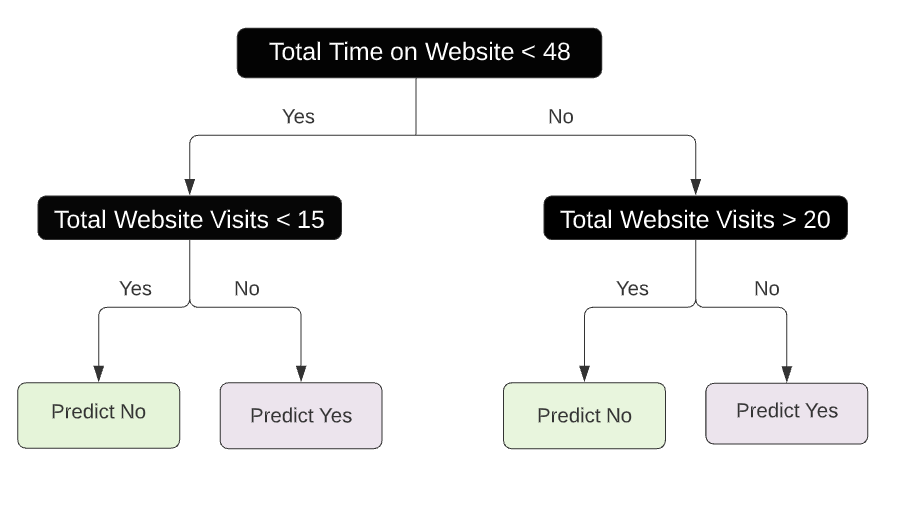
parsnip decision tree
cost_complexity- Penalizza molti nodi terminali
tree_depth- Percorso più lungo dalla radice al nodo terminale
min_n- Minimo di punti nel nodo per poter dividere
Valori di default degli iperparametri
La funzione decision_tree() imposta valori di default
cost_complexity= 0.01tree_depth= 30min_n= 20
Potrebbero non essere i migliori per tutti i dataset
- Tuning degli iperparametri
- Uso della cross validation per trovare il set ottimale di valori
dt_model <- decision_tree() %>%
  set_engine('rpart') %>%
  set_mode('classification')
Etichettare gli iperparametri per il tuning
La funzione tune() del pacchetto tune
- Per etichettare gli iperparametri da ottimizzare, impostali a
tune()nella specificaparsnip - Crea un modello con parametri di tuning
- Fa capire alle altre funzioni che vanno ottimizzati
dt_tune_model <- decision_tree(cost_complexity = tune(), tree_depth = tune(), min_n = tune()) %>% set_engine('rpart') %>% set_mode('classification')dt_tune_model
Decision Tree Model Specification (classification)

Main Arguments:
  cost_complexity = tune()
  tree_depth = tune()
  min_n = tune()

Computational engine: rpart
Creare un workflow di tuning
Gli oggetti workflow si aggiornano facilmente
leads_wkfliniziale- Feature engineering per lead scoring e modello ad albero con iperparametri di default
- Passa
leads_wkflaupdate_model()e fornisci il nuovo albero con parametri da ottimizzare
leads_tune_wkfl <- leads_wkfl %>%update_model(dt_tune_model)leads_tune_wkfl
== Workflow ===============
Preprocessor: Recipe
Model: decision_tree()
-- Preprocessor -----------
3 Recipe Steps
* step_corr()
* step_normalize()
* step_dummy()
-- Model ------------------
Decision Tree Model Specification (classification)
Main Arguments: cost_complexity = tune()
                tree_depth = tune()
                min_n = tune()
Computational engine: rpart
Grid search
Metodo più comune per ottimizzare gli iperparametri
- Genera una griglia di combinazioni uniche di valori
- Per ogni combinazione, usa la cross validation per stimare le prestazioni
- Scegli la combinazione migliore
| cost_complexity | tree_depth | min_n |
|---|---|---|
| 0.001 | 20 | 35 |
| 0.001 | 20 | 15 |
| 0.001 | 35 | 35 |
| 0.001 | 35 | 15 |
| 0.2 | 20 | 35 |
| ... | ... | ... |
Identificare gli iperparametri
La funzione parameters() del pacchetto dials
- Prende un oggetto modello
parsnip - Restituisce una tibble con gli iperparametri etichettati da
tune(), se presenti- Usata per generare griglie di tuning con
dials
- Usata per generare griglie di tuning con
parameters(dt_tune_model)
Collection of 3 parameters for tuning

  identifier            type     object
cost_complexity  cost_complexity nparam[+]
tree_depth       tree_depth      nparam[+]
min_n            min_n           nparam[+]
Griglia casuale
Generare combinazioni casuali
- Questo metodo spesso aumenta le chance di trovare valori ottimali
La funzione grid_random()
- Primo argomento: risultato di
parameters() sizeimposta il numero di combinazioni casuali da generare- Esegui
set.seed()prima digrid_random()per la riproducibilità
- Esegui
set.seed(214) grid_random(parameters(dt_tune_model),size = 5)
# A tibble: 5 x 3
  cost_complexity  tree_depth min_n
            <dbl>      <int>  <int>
1    0.0000000758        14     39
2    0.0243               5     34
3    0.00000443          11      8
4    0.000000600          3      5
5    0.00380              5     36
Salvare una griglia di tuning
Primo passo nel tuning degli iperparametri
- Crea e salva una griglia di tuning
dt_gridcontiene 5 combinazioni casuali di valori
set.seed(214) dt_grid <- grid_random(parameters(dt_tune_model), size = 5)dt_grid
# A tibble: 5 x 3
  cost_complexity  tree_depth min_n
            <dbl>      <int>  <int>
1    0.0000000758        14     39
2    0.0243               5     34
3    0.00000443          11      8
4    0.000000600          3      5
5    0.00380              5     36
Tuning con cross validation
La funzione tune_grid() esegue il tuning degli iperparametri
Argomenti:
workflowo modelloparsnip- Oggetto di cross validation,
resamples - Griglia di tuning,
grid - Funzione
metricsopzionale
Restituisce una tibble di risultati
.metrics- Colonna-lista con i risultati per ogni fold
dt_tuning <- leads_tune_wkfl %>%tune_grid(resamples = leads_folds,grid = dt_grid,metrics = leads_metrics)
dt_tuning
# Tuning results
# 10-fold cross-validation using stratification
# A tibble: 10 x 4
   splits             id       .metrics         ..
   <list>            <chr>      <list>          ..
<split [896/100]>   Fold01   <tibble [15 x 7]>  ..
................    ......   ...............    ..
<split [897/99]>    Fold09   <tibble [15 x 7]>  ..
<split [897/99]>    Fold10   <tibble [15 x 7]>  ..
Esplorare i risultati del tuning
La funzione collect_metrics() fornisce risultati riassunti di default
- Media delle metriche stimate su tutti i fold per combinazione
dt_tuning %>%
  collect_metrics()
# A tibble: 15 x 9
   cost_complexity tree_depth min_n .metric .estimator  mean     n std_err .config
             <dbl>      <int> <int> <chr>   <chr>      <dbl> <int>   <dbl> <chr>
 1    0.0000000758         14    39 roc_auc binary     0.827    10 0.0147  Model1
 2    0.0000000758         14    39 sens    binary     0.728    10 0.0277  Model1
 3    0.0000000758         14    39 spec    binary     0.865    10 0.0156  Model1
 4    0.0243                5    34 roc_auc binary     0.823    10 0.0147  Model2
 .    ......               ..    .. ....    ......     .....    .. .....   ......
14    0.00380               5    36 sens    binary     0.747    10 0.0209  Model5
15    0.00380               5    36 spec    binary     0.858    10 0.0161  Model5
Al tuning!
Modellazione con tidymodels in R

