Preparazione al modeling
Machine Learning per il marketing con Python

Karolis Urbonas
Head of Analytics & Science, Amazon
Esempio di dati
telco_raw.head()
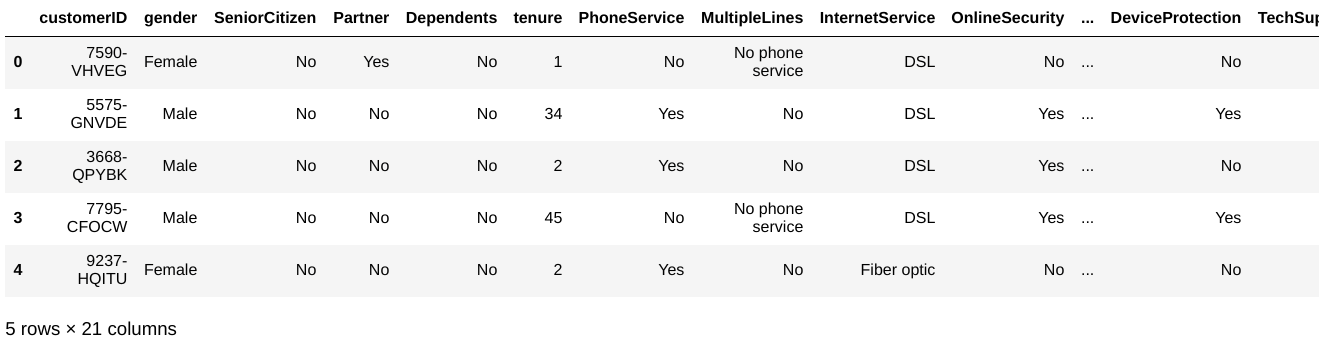
Tipi di dato
telco_raw.dtypes
customerID           object
gender               object
SeniorCitizen        object
Partner              object
Dependents           object
tenure                int64
PhoneService         object
MultipleLines        object
InternetService      object
OnlineSecurity       object
OnlineBackup         object
DeviceProtection     object
TechSupport          object
StreamingTV          object
StreamingMovies      object
Contract             object
PaperlessBilling     object
PaymentMethod        object
MonthlyCharges      float64
TotalCharges        float64
Churn                object
Separare colonne categoriche e numeriche
Separa i nomi di identificatore e target in liste
custid = ['customerID']
target = ['Churn']
Separa i nomi delle colonne categoriche e numeriche in liste
categorical = telco_raw.nunique()[telcom.nunique()<10].keys().tolist()categorical.remove(target[0])numerical = [col for col in telco_raw.columns if col not in custid+target+categorical]
One-hot encoding
Questo è un tipico campo categorico
| Colore |
|---|
| Rosso |
| Bianco |
| Blu |
| Rosso |
Risultato del one-hot encoding
Ecco come appare dopo il one-hot encoding.
| Colore | Rosso | Bianco | Blu | |
|---|---|---|---|---|
| Rosso | ----------> | 1 | 0 | 0 |
| Bianco | ----------> | 0 | 1 | 0 |
| Blu | ----------> | 0 | 0 | 1 |
| Rosso | ----------> | 1 | 0 | 0 |
One-hot encoding delle variabili categoriche
One-hot encoding delle variabili categoriche
telco_raw = pd.get_dummies(data=telco_raw, columns=categorical, drop_first=True)
Scalare le variabili numeriche
# Import StandardScaler library from sklearn.preprocessing import StandardScaler# Initialize StandardScaler instance scaler = StandardScaler()# Fit the scaler to numerical columns scaled_numerical = scaler.fit_transform(telco_raw[numerical])# Build a DataFrame scaled_numerical = pd.DataFrame(scaled_numerical, columns=numerical)
Mettere tutto insieme
# Drop non-scaled numerical columns telco_raw = telco_raw.drop(columns=numerical, axis=1)# Merge the non-numerical with the scaled numerical data telco = telco_raw.merge(right=scaled_numerical, how='left', left_index=True, right_index=True )
Passiamo alla pratica con il pre-processing!
Machine Learning per il marketing con Python

