Previsione del CTR con alberi decisionali
Prevedere il CTR con il Machine Learning in Python

Kevin Huo
Instructor
Alberi decisionali
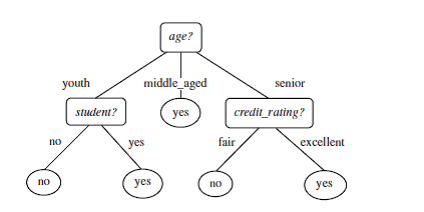
- I nodi rappresentano le feature
- I rami rappresentano le decisioni basate sulle feature
Valutazione con curva ROC
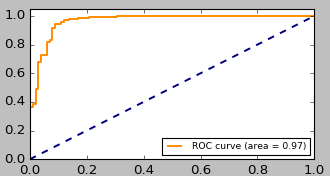
- True positive rate (asse Y) = #(predetto positivo, realmente positivo) / #(positivi)
- False positive rate (asse X) = #(predetto positivo, realmente negativo) / #(negativi)
- Linea blu tratteggiata: baseline AUC di 0,5
- Vogliamo la linea arancione (AUC) il più vicino possibile a 1

