# Keras 모델의 첫 레이어 접근
first_layer = model.layers[0]

# 레이어 및 입력, 출력, 가중치 출력
print(first_layer.input)
print(first_layer.output)
print(first_layer.weights)
# 랭크 2 텐서(2차원) 정의
T2 = [[1,2,3],
      [4,5,6],
      [7,8,9]]

# 랭크 3 텐서(3차원) 정의
T3 = [[1,2,3],
      [4,5,6],
      [7,8,9],

      [10,11,12],
      [13,14,15],
      [16,17,18],

      [19,20,21],
      [22,23,24],
      [25,26,27]]
# Keras 백엔드 임포트
import tensorflow.keras.backend as K

# 모델 레이어의 입력/출력 텐서 가져오기
inp = model.layers[0].input
out = model.layers[0].output

# 레이어 입력을 출력으로 매핑하는 함수
inp_to_out = K.function([inp], [out])

# 입력을 주면 첫 레이어의 출력을 반환
print(inp_to_out([X_train])
# X_train 각 샘플의 첫 레이어 출력
[array([[0.7, 0],...,[0.1, 0.3]])]
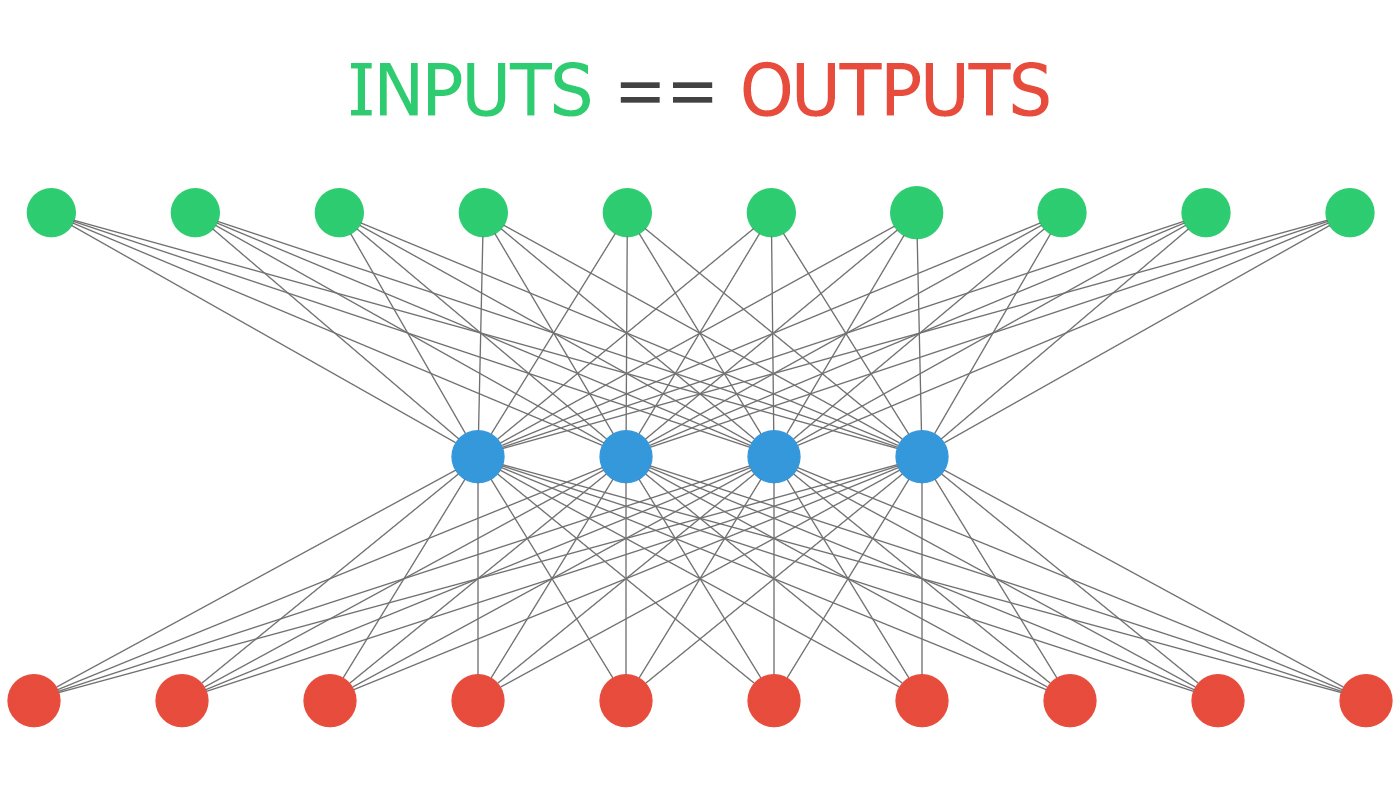
오토인코더!
오토인코더!
오토인코더 활용 사례
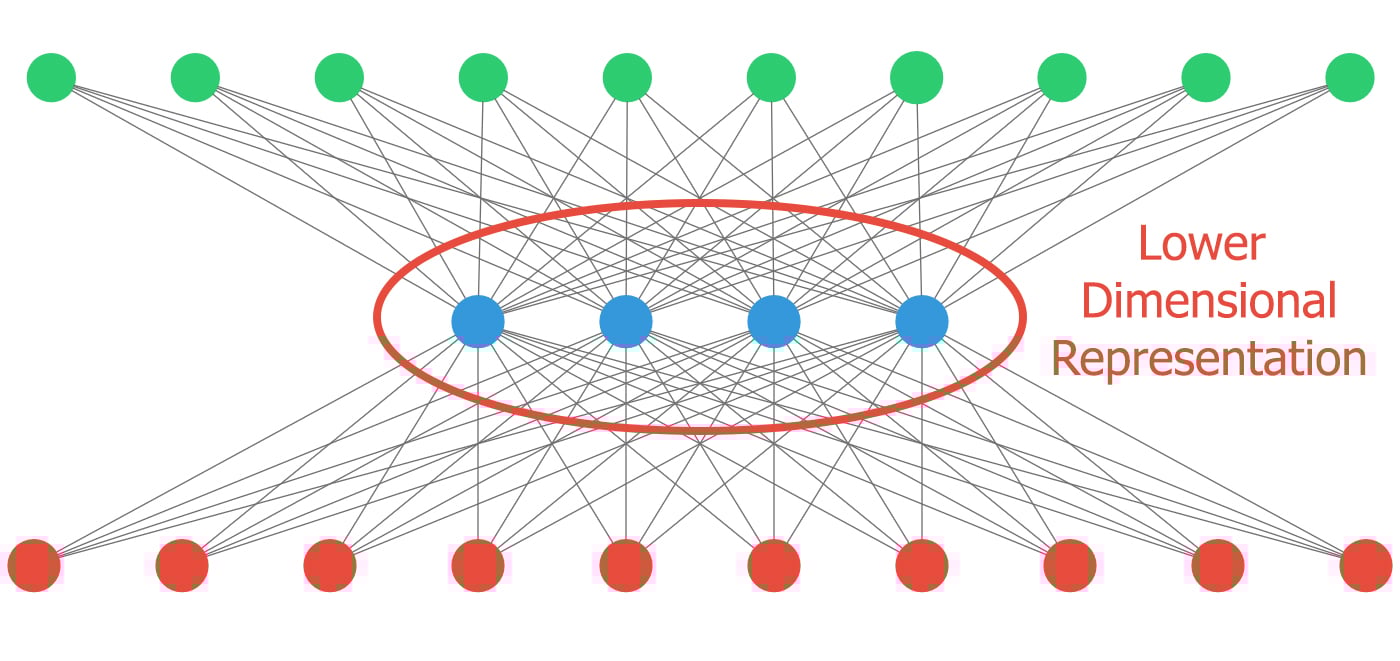
차원 축소:
입력을 더 작은 차원으로 표현합니다.
노이즈 제거:
깨끗한 데이터로 학습하면 재구성 시 불필요한 노이즈가 걸러집니다.
이상치 탐지:
보지 못한 입력에는 재구성이 부정확합니다.
...
간단한 오토인코더 구축
# 순차 모델 생성
autoencoder = Sequential()

# 은닉층 4개 뉴런, 입력층 100 추가
autoencoder.add(Dense(4, input_shape=(100,), activation='relu'))

# 출력층 100개 뉴런 추가
autoencoder.add(Dense(100, activation='sigmoid'))

# 적절한 손실로 컴파일
autoencoder.compile(optimizer='adam', loss='binary_crossentropy')
인코더로 분리하기
# 입력을 인코딩하는 별도 모델 구성
encoder = Sequential()
encoder.add(autoencoder.layers[0])

# 예측은 은닉층 4개 뉴런의 출력을 반환
encoder.predict(X_test)
# X_test 각 샘플에 대한 숫자 4개
array([10.0234375, 5.833543, 18.90444, 9.20348],...)