객체 인식 모델 평가
PyTorch로 배우는 이미지 딥러닝

Michal Oleszak
Machine Learning Engineer
분류와 위치 추정
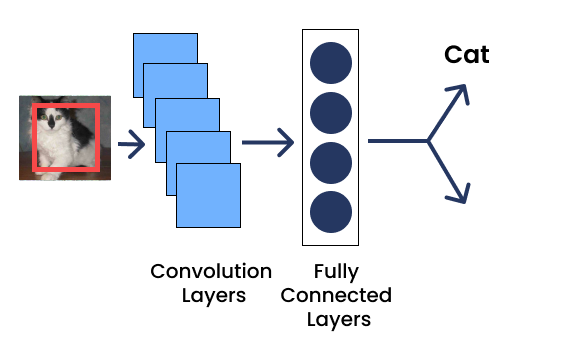
- 출력 1: 분류(예: cat)
분류와 위치 추정
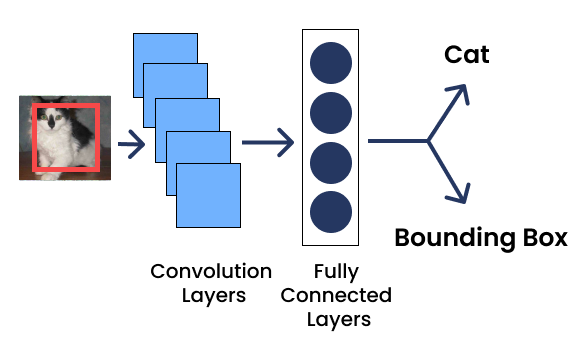
- 출력 1: 분류(예: cat)
- 출력 2: 바운딩 박스 회귀 [x1, y1, x2, y2]
교집합/합집합 비율(IoU)
- 관심 객체: 탐지하려는 이미지 속 객체(예: dog)
- 정답 박스(ground truth): 관심 객체를 정확히 둘러싼 바운딩 박스
- 교집합/합집합 비율: 두 박스의 겹침을 측정하는 지표
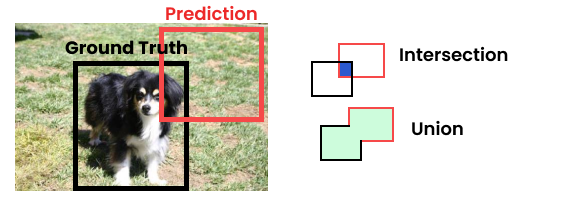
- IoU = 교집합 면적 / 합집합 면적
- IoU = 0 겹침 없음, IoU = 1 완전 일치
- IoU >0.5면 좋은 예측
PyTorch에서의 IoU
- 두 박스 집합 (x1, y1, x2, y2)
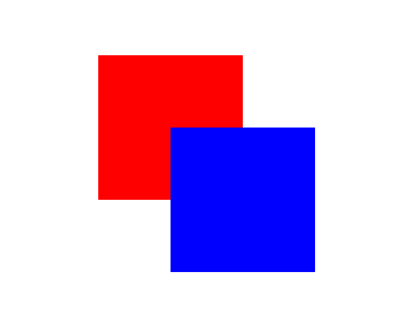
- 벡터를 2차원 텐서로 변환
- IoU 계산
비최대 억제(NMS)
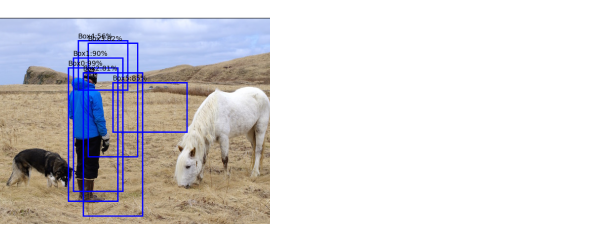
비최대 억제(NMS)
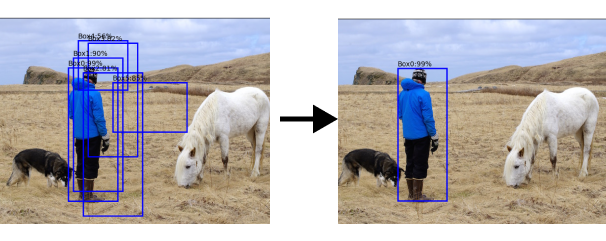
비최대 억제: 가장 관련성 높은 바운딩 박스를 선택하는 일반 기법
비최대: 객체일 확률(신뢰도)이 낮은 박스 제거
억제: IoU가 낮은 박스 제거

