하이퍼파라미터 튜닝
R에서 tidymodels로 모델링하기

David Svancer
Data Scientist
하이퍼파라미터
모델 학습 전에 설정되며 모델 복잡도를 제어하는 파라미터
parsnip 결정 트리
cost_complexity- 말단 노드의 수가 많을수록 페널티 부여
tree_depth- 루트에서 말단 노드까지의 최대 경로
min_n- 노드 분할에 필요한 최소 데이터 포인트 수
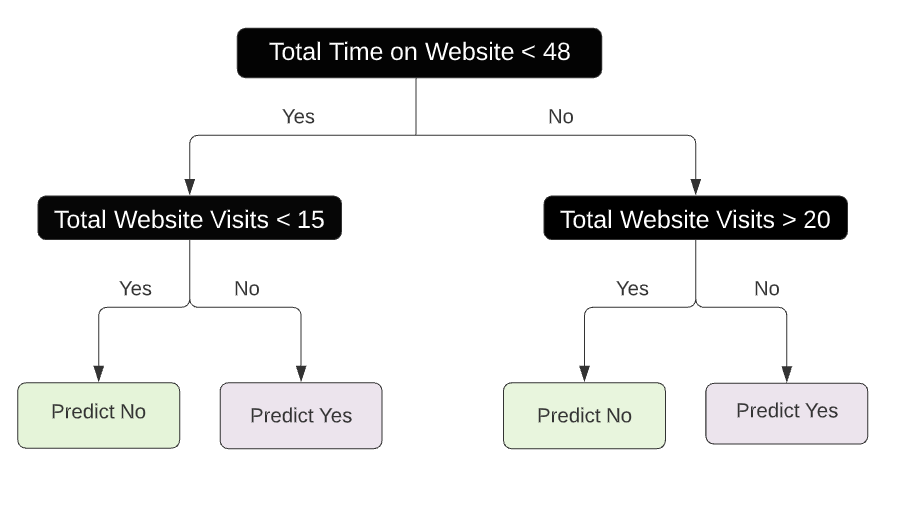
기본 하이퍼파라미터 값
decision_tree() 함수는 기본 하이퍼파라미터 값 설정
cost_complexity는 0.01로 설정tree_depth는 30으로 설정min_n은 20으로 설정
이 값이 모든 데이터셋에 최적이지 않을 수 있음
- 하이퍼파라미터 튜닝
- 교차 검증을 통해 최적의 하이퍼파라미터 값 집합을 찾는 과정
dt_model <- decision_tree() %>%
  set_engine('rpart') %>%
  set_mode('classification')
튜닝을 위한 하이퍼파라미터 레이블링
tune 패키지의 tune() 함수
- 튜닝할 하이퍼파라미터를
parsnip모델 명세에서tune()으로 설정 - 튜닝 파라미터가 있는 모델 객체 생성
- 다른 함수에 최적화가 필요함을 알림
dt_tune_model <- decision_tree(cost_complexity = tune(), tree_depth = tune(), min_n = tune()) %>% set_engine('rpart') %>% set_mode('classification')dt_tune_model
Decision Tree Model Specification (classification)

Main Arguments:
  cost_complexity = tune()
  tree_depth = tune()
  min_n = tune()

Computational engine: rpart
튜닝 워크플로 생성
workflow 객체는 쉽게 업데이트 가능
- 기존
leads_wkfl- 리드 스코어링 데이터의 특성 엔지니어링 단계와 기본 하이퍼파라미터의 결정 트리 모델
leads_wkfl을update_model()에 전달하고 튜닝 파라미터가 있는 새 결정 트리 모델 제공
leads_tune_wkfl <- leads_wkfl %>%update_model(dt_tune_model)leads_tune_wkfl
== Workflow ===============
Preprocessor: Recipe
Model: decision_tree()
-- Preprocessor -----------
3 Recipe Steps
* step_corr()
* step_normalize()
* step_dummy()
-- Model ------------------
Decision Tree Model Specification (classification)
Main Arguments: cost_complexity = tune()
                tree_depth = tune()
                min_n = tune()
Computational engine: rpart
그리드 탐색
하이퍼파라미터 튜닝에서 가장 일반적인 방법
- 하이퍼파라미터 값의 고유한 조합으로 그리드 생성
- 각 조합에 교차 검증을 사용하여 모델 성능 추정
- 최적의 조합 선택
| cost_complexity | tree_depth | min_n |
|---|---|---|
| 0.001 | 20 | 35 |
| 0.001 | 20 | 15 |
| 0.001 | 35 | 35 |
| 0.001 | 35 | 15 |
| 0.2 | 20 | 35 |
| ... | ... | ... |
하이퍼파라미터 확인
dials 패키지의 parameters() 함수
parsnip모델 객체를 인수로 받음tune()함수로 레이블된 하이퍼파라미터가 있으면 티블로 반환dials패키지에서 튜닝 그리드 생성에 사용
parameters(dt_tune_model)
Collection of 3 parameters for tuning

  identifier            type     object
cost_complexity  cost_complexity nparam[+]
tree_depth       tree_depth      nparam[+]
min_n            min_n           nparam[+]
랜덤 그리드
무작위 조합 생성
- 이 방법은 최적의 하이퍼파라미터 값을 찾을 가능성이 더 높음
grid_random() 함수
- 첫 번째 인수는
parameters()함수의 결과 size는 생성할 무작위 조합의 수 설정- 재현성을 위해
grid_random()전에set.seed()실행
- 재현성을 위해
set.seed(214) grid_random(parameters(dt_tune_model),size = 5)
# A tibble: 5 x 3
  cost_complexity  tree_depth min_n
            <dbl>      <int>  <int>
1    0.0000000758        14     39
2    0.0243               5     34
3    0.00000443          11      8
4    0.000000600          3      5
5    0.00380              5     36
튜닝 그리드 저장
하이퍼파라미터 튜닝의 첫 번째 단계
- 튜닝 그리드 생성 및 저장
dt_grid에는 하이퍼파라미터 값의 무작위 조합 5개 포함
set.seed(214) dt_grid <- grid_random(parameters(dt_tune_model), size = 5)dt_grid
# A tibble: 5 x 3
  cost_complexity  tree_depth min_n
            <dbl>      <int>  <int>
1    0.0000000758        14     39
2    0.0243               5     34
3    0.00000443          11      8
4    0.000000600          3      5
5    0.00380              5     36
교차 검증을 활용한 하이퍼파라미터 튜닝
tune_grid() 함수로 하이퍼파라미터 튜닝 수행
다음 인수를 받음:
workflow또는parsnip모델- 교차 검증 객체,
resamples - 튜닝 그리드,
grid - 선택적
metrics함수
결과 티블 반환
.metrics- 각 폴드 결과가 담긴 리스트 열
dt_tuning <- leads_tune_wkfl %>%tune_grid(resamples = leads_folds,grid = dt_grid,metrics = leads_metrics)
dt_tuning
# Tuning results
# 10-fold cross-validation using stratification
# A tibble: 10 x 4
   splits             id       .metrics         ..
   <list>            <chr>      <list>          ..
<split [896/100]>   Fold01   <tibble [15 x 7]>  ..
................    ......   ...............    ..
<split [897/99]>    Fold09   <tibble [15 x 7]>  ..
<split [897/99]>    Fold10   <tibble [15 x 7]>  ..
튜닝 결과 탐색
collect_metrics() 함수는 기본적으로 요약된 결과 제공
- 조합별로 모든 폴드에서 추정된 평균 지표 값
dt_tuning %>%
  collect_metrics()
# A tibble: 15 x 9
   cost_complexity tree_depth min_n .metric .estimator  mean     n std_err .config
             <dbl>      <int> <int> <chr>   <chr>      <dbl> <int>   <dbl> <chr>
 1    0.0000000758         14    39 roc_auc binary     0.827    10 0.0147  Model1
 2    0.0000000758         14    39 sens    binary     0.728    10 0.0277  Model1
 3    0.0000000758         14    39 spec    binary     0.865    10 0.0156  Model1
 4    0.0243                5    34 roc_auc binary     0.823    10 0.0147  Model2
 .    ......               ..    .. ....    ......     .....    .. .....   ......
14    0.00380               5    36 sens    binary     0.747    10 0.0209  Model5
15    0.00380               5    36 spec    binary     0.858    10 0.0161  Model5
튜닝을 시작해 봅시다!
R에서 tidymodels로 모델링하기

