활성화 함수 알아보기
PyTorch로 배우는 딥러닝 입문

Jasmin Ludolf
Senior Data Science Content Developer, DataCamp
활성화 함수
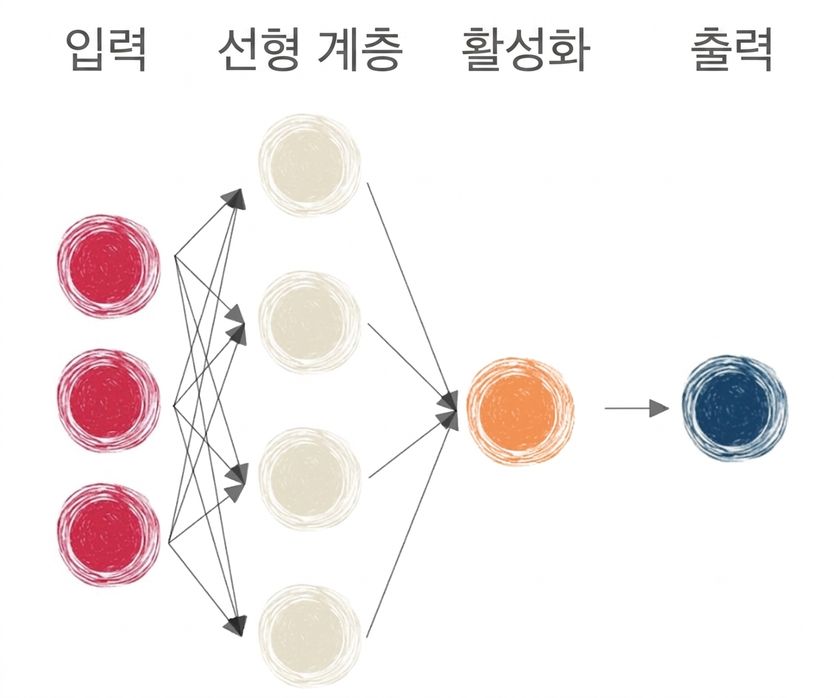
시그모이드 함수 소개
- 포유류인가요?

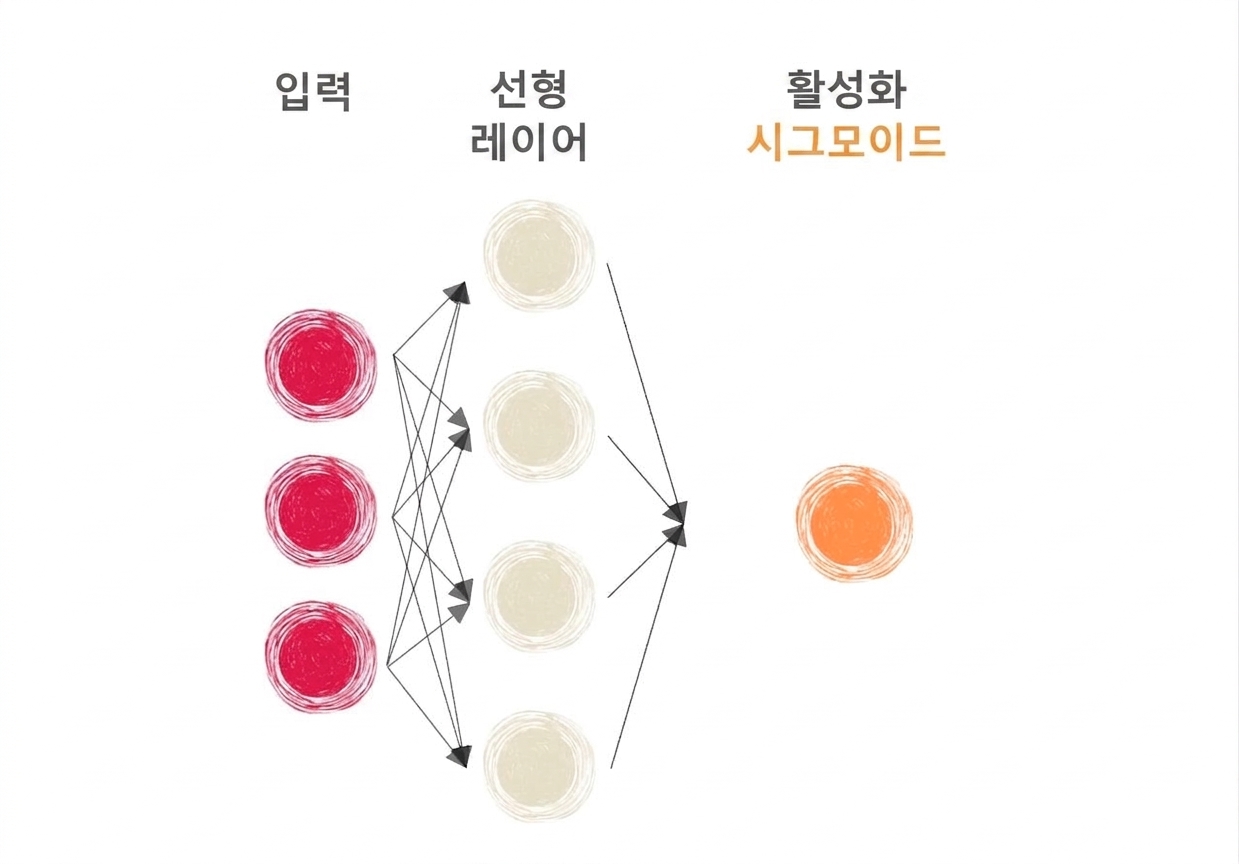
시그모이드 함수 소개
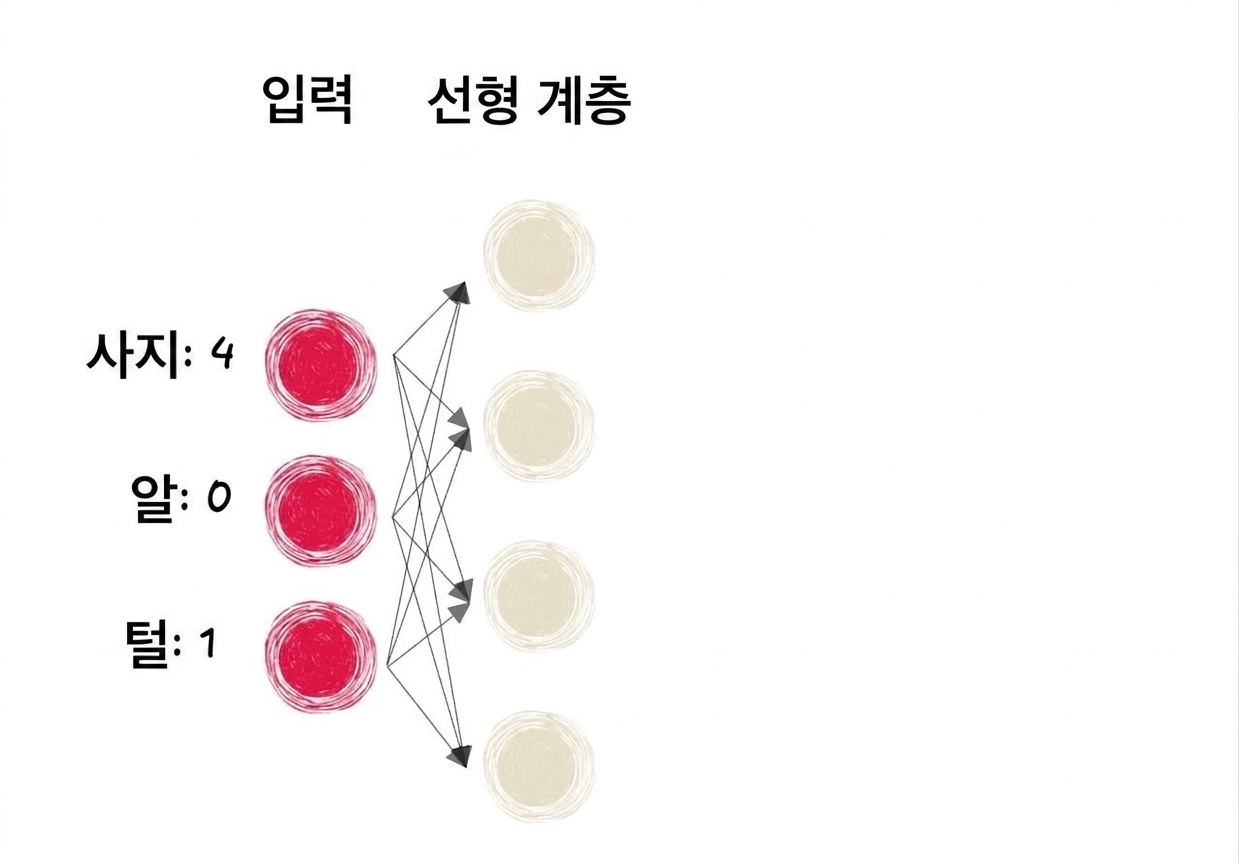
- 포유류인가요?
- 입력:
- 팔다리: 4
- 알: 0
- 털: 1
시그모이드 함수 소개
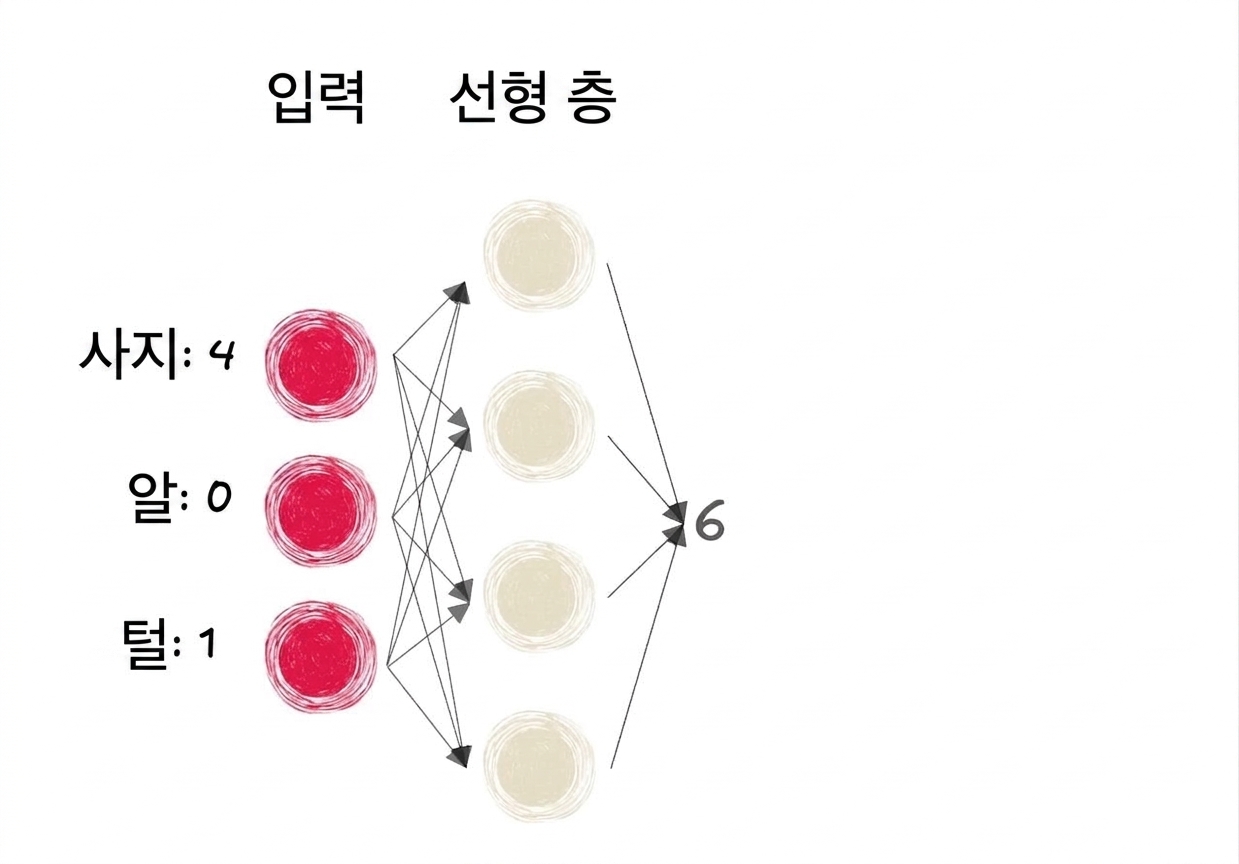
- 포유류인가요?
- 선형 계층의 출력은 6입니다
시그모이드 함수 소개
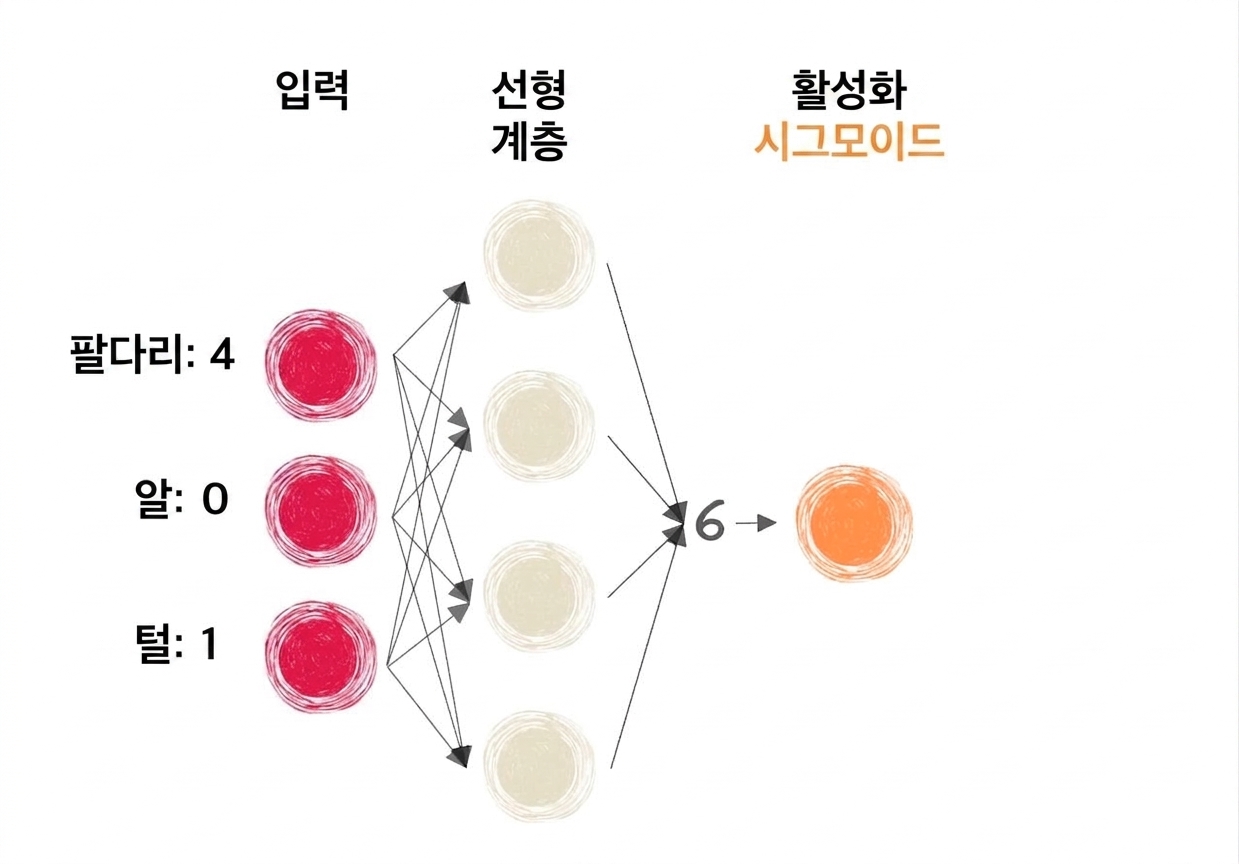
- 포유류인가요?
- 사전 활성화 출력(6)을 시그모이드 함수에 넣습니다
시그모이드 함수 소개
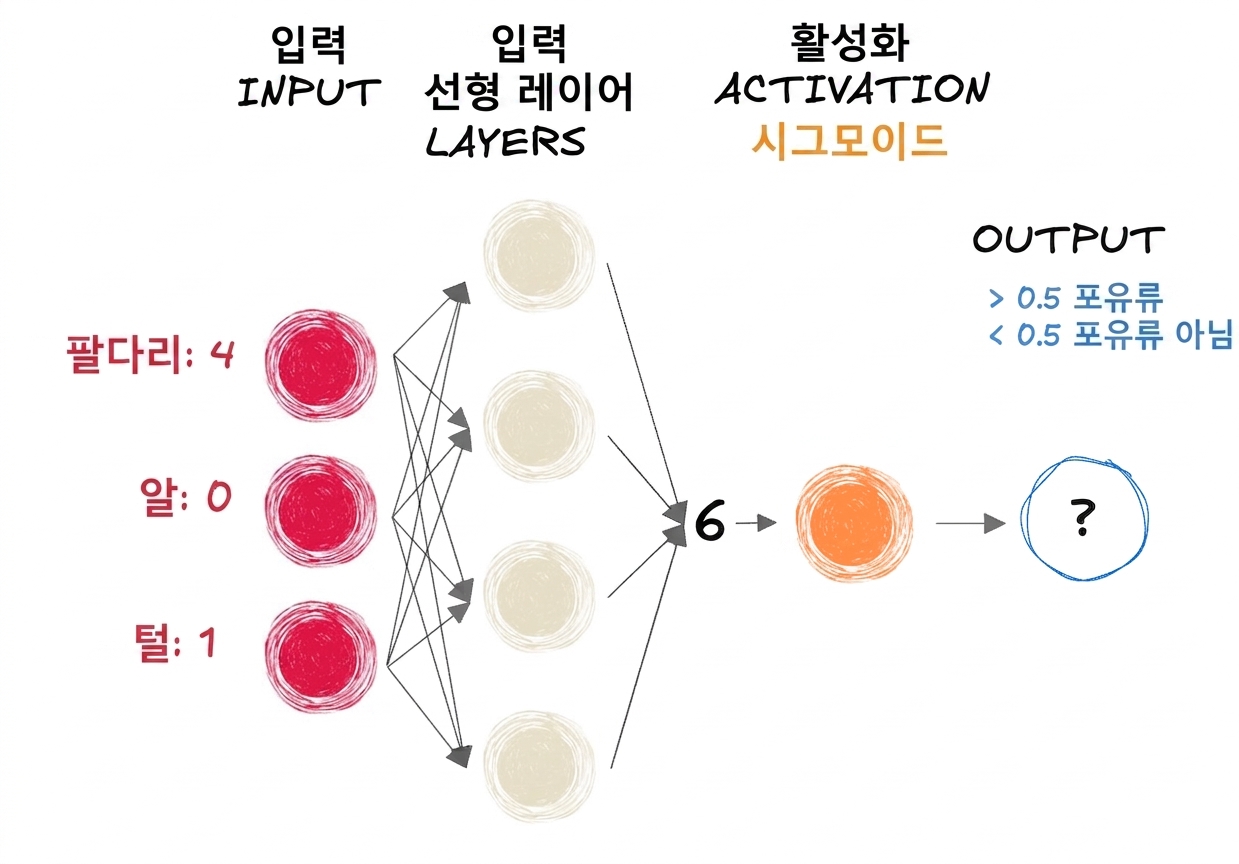
- 포유류인가요?
- 사전 활성화 출력(6)을 시그모이드 함수에 넣습니다
0과 1 사이 값을 얻습니다
출력 > 0.5 이면 레이블 = 1(포유류)
- 출력 <= 0.5 이면 레이블 = 0(포유류 아님)
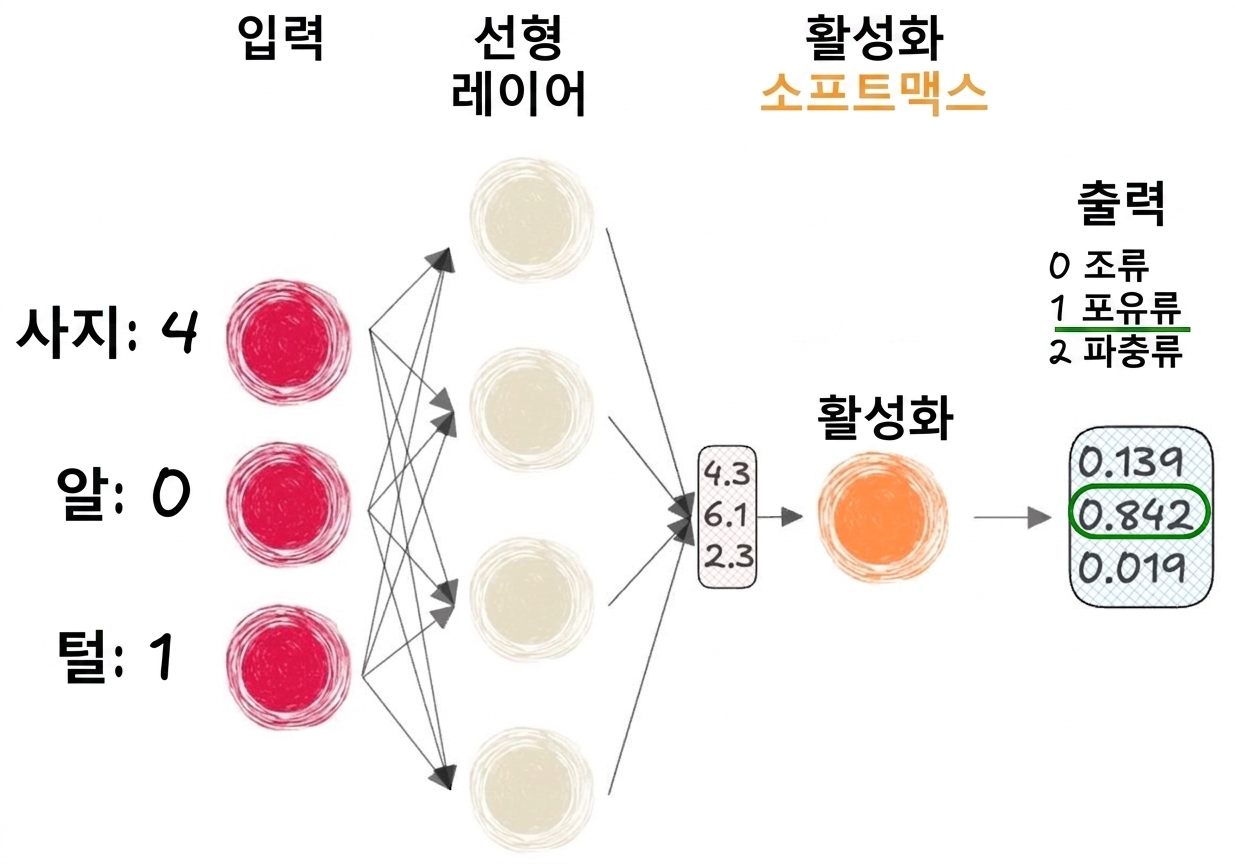
소프트맥스 익히기

소프트맥스 익히기

소프트맥스 익히기

소프트맥스 익히기
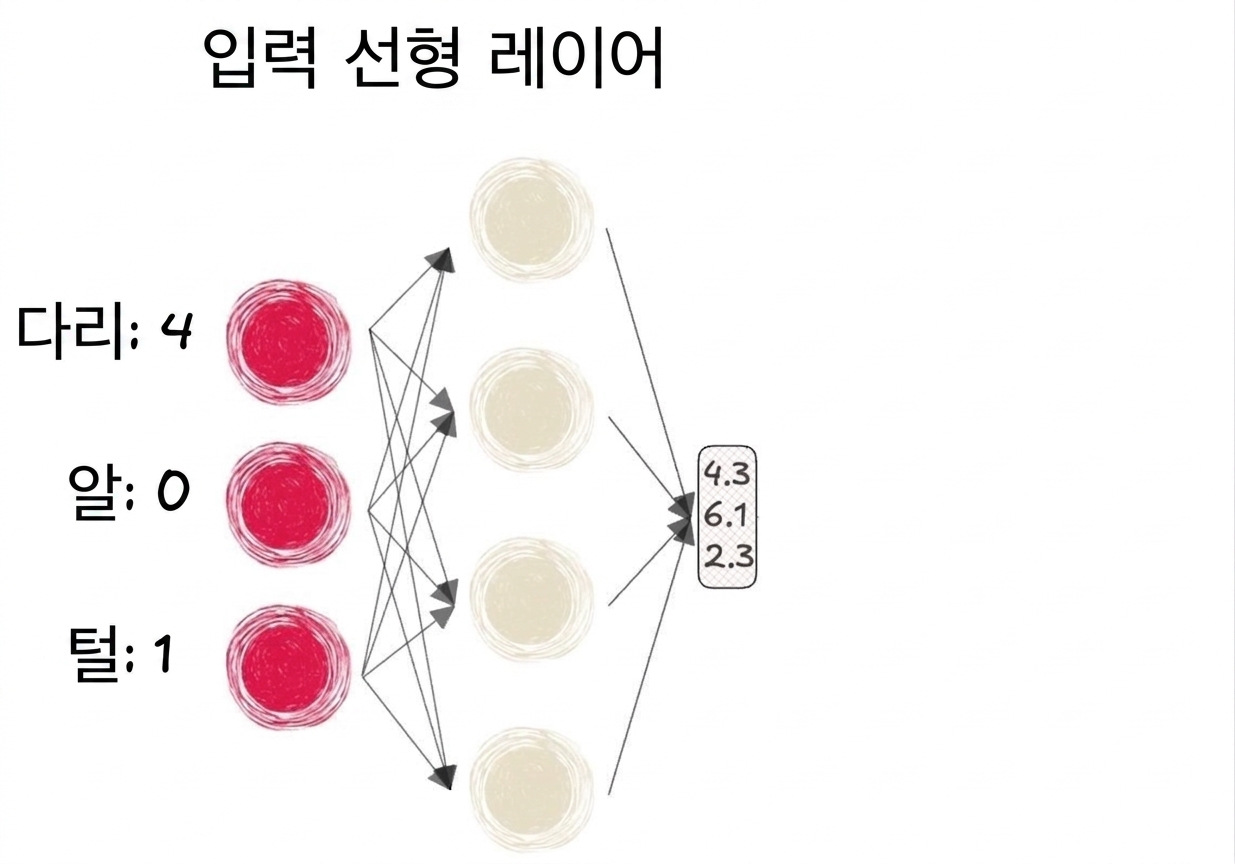
소프트맥스 익히기
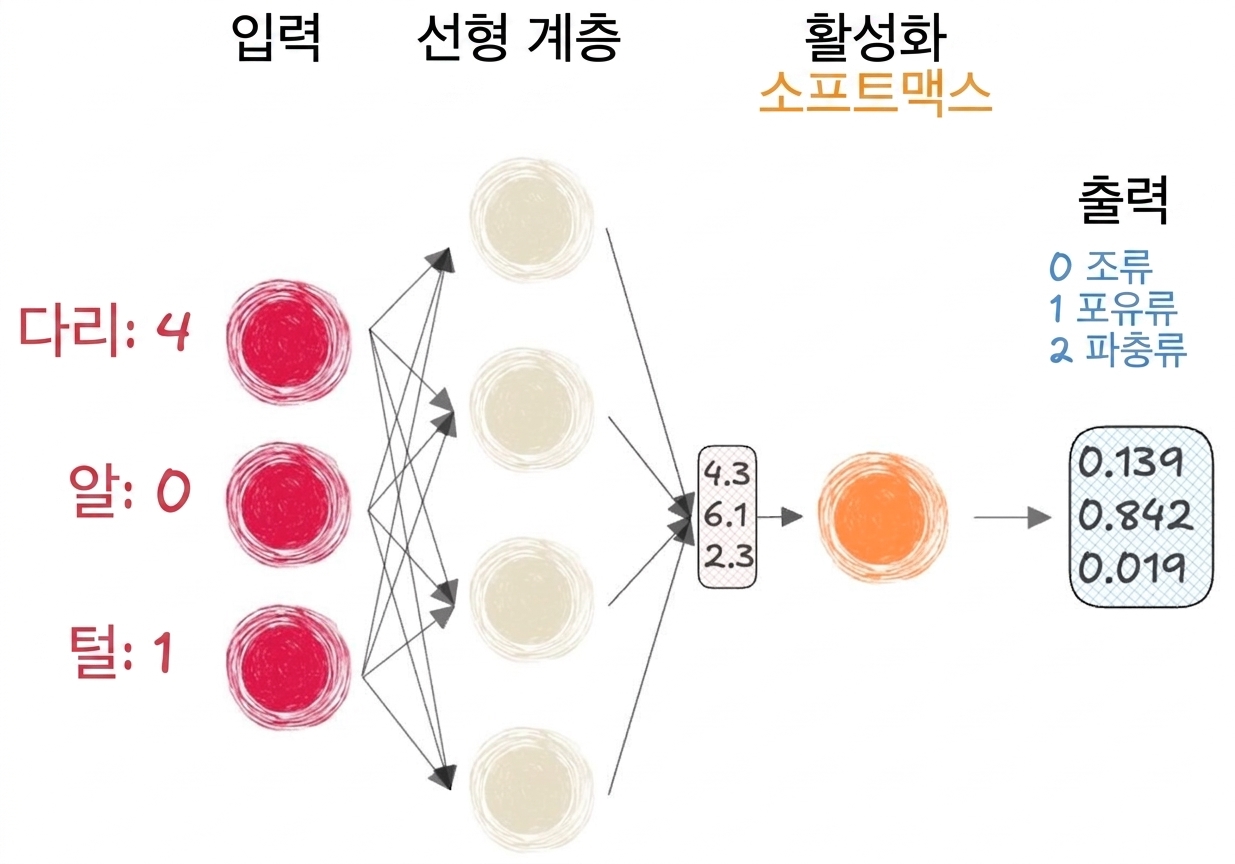
소프트맥스 익히기