PyTorch와 객체 지향 프로그래밍
PyTorch로 배우는 Intermediate Deep Learning

Michal Oleszak
Machine Learning Engineer
학습 목표
견고한 딥러닝 모델을 학습하는 방법:
- 옵티마이저로 학습 개선
- 기울기 소실/폭주 완화
- 합성곱 신경망(CNN)
- 순환 신경망(RNN)
- 다중 입력/출력 모델

필수 지식
이 과목은 다음 주제에 익숙하다고 가정합니다:
신경망 학습:
- 순전파
- 손실 계산
- 역전파
PyTorch로 모델 학습:
- Dataset과 DataLoader
- 모델 학습 루프
- 모델 평가
객체 지향 프로그래밍(OOP)
OOP로 다음을 정의합니다:
- PyTorch Dataset
- PyTorch 모델
OOP에서 객체는 다음을 가집니다:
- 동작(메서드)
- 데이터(속성)
객체 지향 프로그래밍(OOP)
class BankAccount:
    def __init__(self, balance):
        self.balance = balance
__init__는BankAccount객체가 생성될 때 호출됨balance는BankAccount객체의 속성임
account = BankAccount(100)
print(account.balance)
100
객체 지향 프로그래밍(OOP)
- 메서드: 작업을 수행하는 Python 함수
deposit메서드는 잔액을 증가시킴
class BankAccount: def __init__(self, balance): self.balance = balancedef deposit(self, amount): self.balance += amount
account = BankAccount(100)
account.deposit(50)
print(account.balance)
150
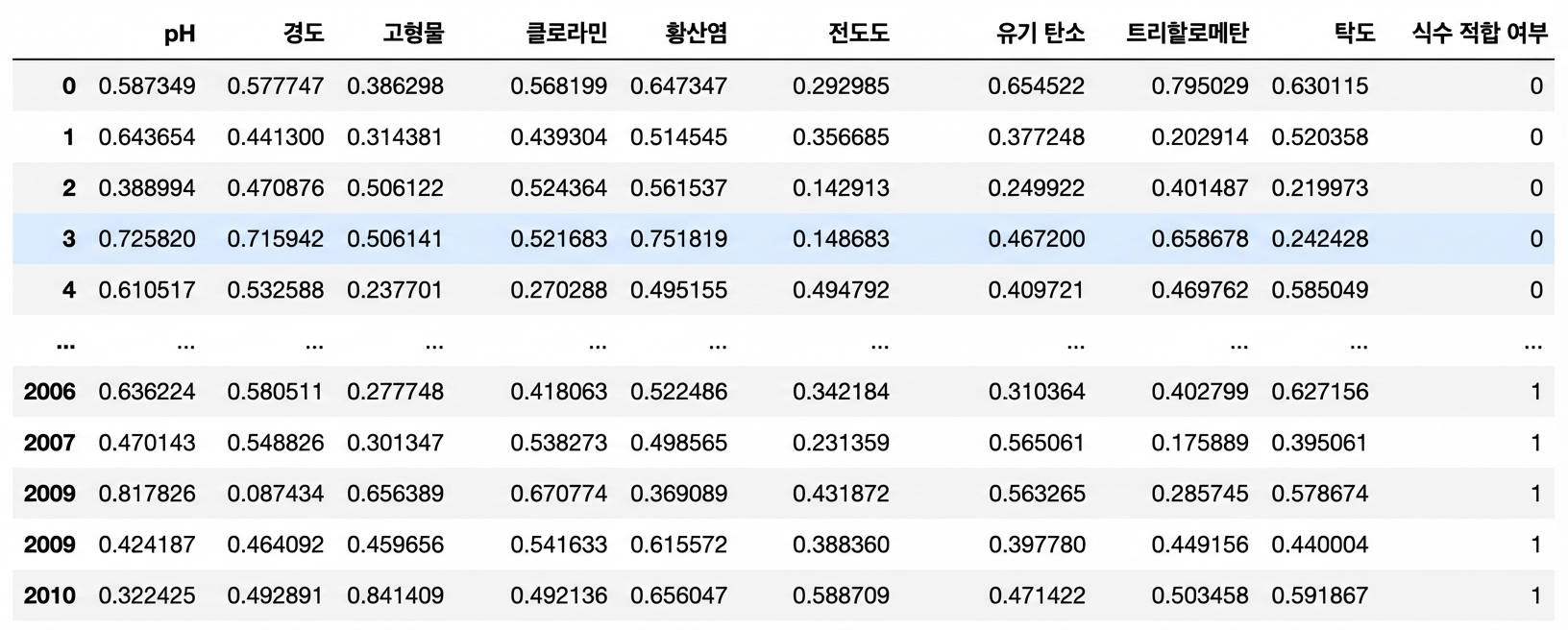
물 음용 가능성 데이터셋
PyTorch Dataset
from torch.utils.data import Dataset class WaterDataset(Dataset):def __init__(self, csv_path): super().__init__() df = pd.read_csv(csv_path) self.data = df.to_numpy()def __len__(self): return self.data.shape[0]def __getitem__(self, idx): features = self.data[idx, :-1] label = self.data[idx, -1] return features, label
- init: 데이터 로드, numpy 배열로 저장
super().__init__()로WaterDataset이 torchDataset처럼 동작하도록 함
- len: 데이터셋 크기 반환
- getitem:
idx인자 하나를 받음- 인덱스
idx의 단일 샘플에 대한 특징과 레이블 반환
PyTorch DataLoader
dataset_train = WaterDataset(
    "water_train.csv"
)
from torch.utils.data import DataLoader

dataloader_train = DataLoader(
    dataset_train,
    batch_size=2,
    shuffle=True,
)
features, labels = next(iter(dataloader_train))
print(f"Features: {features},\nLabels: {labels}")
Features: tensor([
  [0.4899, 0.4180, 0.6299, 0.3496, 0.4575,
   0.3615, 0.3259, 0.5011, 0.7545],
  [0.7953, 0.6305, 0.4480, 0.6549, 0.7813,
   0.6566, 0.6340, 0.5493, 0.5789]
]),
Labels: tensor([1., 0.])
PyTorch 모델
Sequential 모델 정의:
net = nn.Sequential(
  nn.Linear(9, 16),
  nn.ReLU(),
  nn.Linear(16, 8),
  nn.ReLU(),
  nn.Linear(8, 1),
  nn.Sigmoid(),
)
클래스 기반 모델 정의:
class Net(nn.Module):def __init__(self): super().__init__() self.fc1 = nn.Linear(9, 16) self.fc2 = nn.Linear(16, 8) self.fc3 = nn.Linear(8, 1)def forward(self, x): x = nn.functional.relu(self.fc1(x)) x = nn.functional.relu(self.fc2(x)) x = nn.functional.sigmoid(self.fc3(x)) return x net = Net()
연습해 봅시다!
PyTorch로 배우는 Intermediate Deep Learning

