모델 학습
엔드 투 엔드 Machine Learning

Joshua Stapleton
Machine Learning Engineer
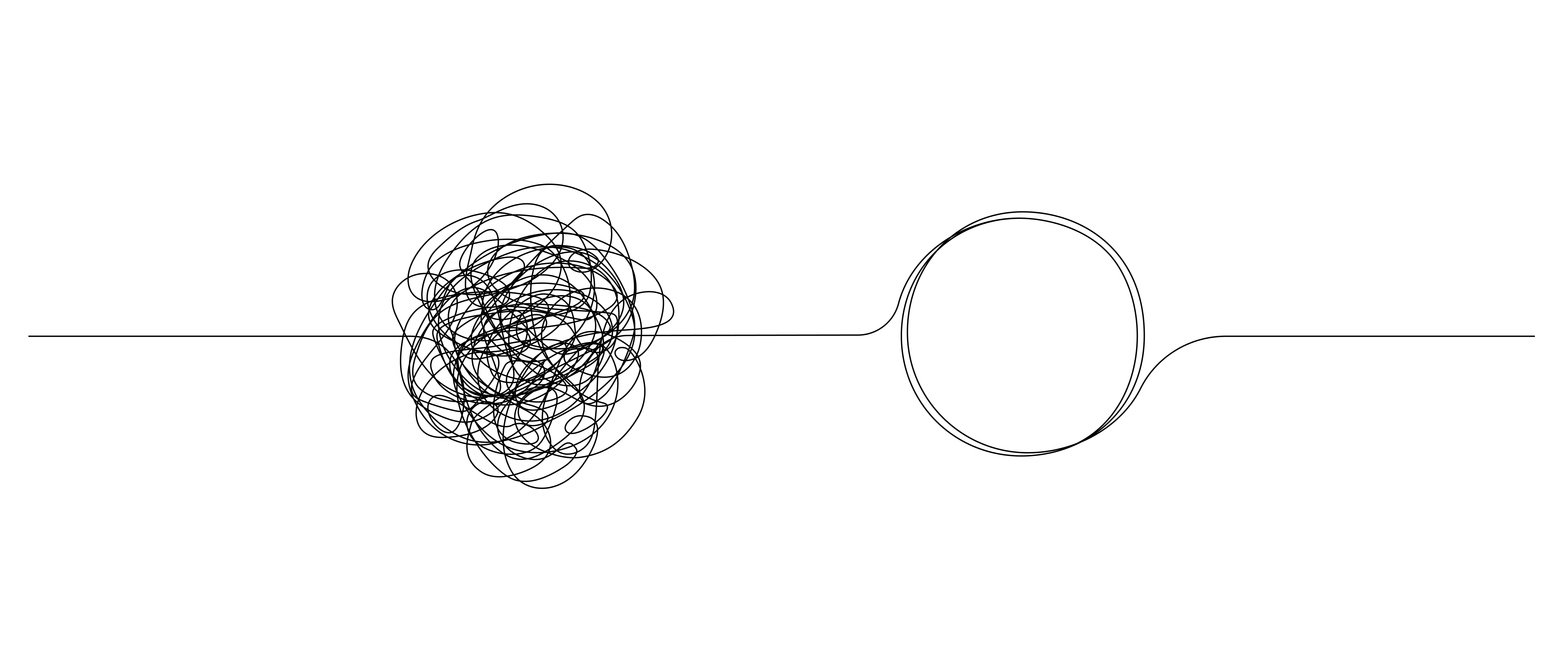
오컴의 면도날
- 가장 단순한 만족스러운 설명이 최선
- 모델 선택 시 단순한 모델 선호
모델링 옵션
로지스틱 회귀
- 클래스 간 결정 경계 탐색
sklearn.linear_model.LogisticRegression
서포트 벡터 분류기
- 클래스를 분리하는 초평면 탐색
sklearn.svm.SVC
의사결정나무
- 간단한 ‘규칙’으로 분류
sklearn.tree.DecisionTreeClassifier
랜덤 포레스트
- 여러 결정나무를 결합
sklearn.ensemble.RandomForestClassifier
기타 모델
딥러닝 모델
- 신경망
- 합성곱 신경망
- 생성 사전학습 변환기(GPT)
K-최근접 이웃(KNN)
- 지도학습 알고리즘
XGBoost
- 그래디언트 부스팅 모델
- https://xgboost.readthedocs.io/en/stable/
학습 원칙
모델:
- 정제·특성 처리된 데이터셋 사용
- 학습 데이터의 패턴 학습
- 심장병 진단 타깃 예측 목표
원칙:
- 훈련셋 밖의 데이터에 일반화해야 함
- 일부 데이터를 홀드아웃하여 학습 후 평가
- 훈련/테스트 분할은 보통 70/30 또는 80/20
sklearn.model_selection.train_test_split사용 가능
모델 학습하기
# Importing necessary libraries from sklearn.model_selection import train_test_split from sklearn.linear_model import LogisticRegression# Split the data into training and testing sets (80:20) X_train, X_test, y_train, y_test = train_test_split(features, heart_disease_y, test_size=0.2, random_state=42)# Define the models logistic_model = LogisticRegression(max_iter=200)# Train the model logistic_model.fit(X_train, y_train)
모델 예측 얻기
# Jane Doe's health data, for example: [age, cholesterol level, blood pressure, etc.] jane_doe_data = [45, 230, 120, ...]# Reshape the data to 2D, because scikit-learn expects a 2D array-like input jane_doe_data = jane_doe_data.reshape(1, -1)# Use the model to predict Jane's heart disease diagnosis probabilities jane_doe_probabilities = logistic_model.predict_proba(jane_doe_data) jane_doe_prediction = logistic_model.predict(jane_doe_data)
모델 예측 얻기 (계속)
# Print the probabilities
print(f"Jane Doe's predicted probabilities: {jane_doe_probabilities[0]}")
print(f"Jane Doe's predicted health condition: {jane_doe_prediction[0]}")
Jane Doe's predicted health condition probabilities: [0.2 0.8]Jane Doe's predicted health condition: 1
Ayo berlatih!
엔드 투 엔드 Machine Learning

