Introduction to TensorFlow in Python
Isaiah Hull
Visiting Associate Professor of Finance, BI Norwegian Business School


import numpy as np
import tensorflow as tf
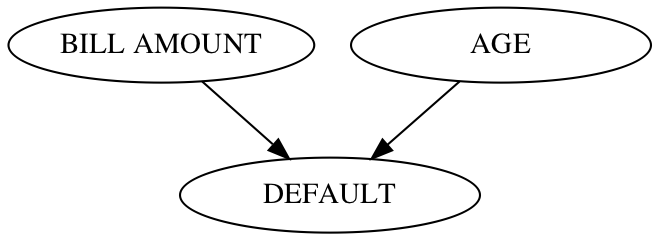
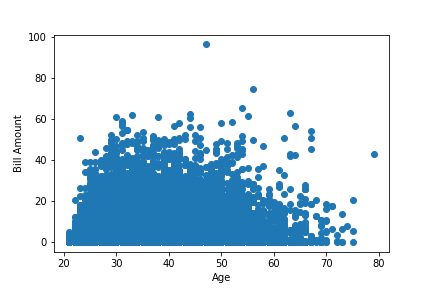
# 借り手の特徴の例を定義
young, old = 0.3, 0.6
low_bill, high_bill = 0.1, 0.5
# 全組合せで行列積ステップを適用
young_high = 1.0*young + 2.0*high_bill
young_low = 1.0*young + 2.0*low_bill
old_high = 1.0*old + 2.0*high_bill
old_low = 1.0*old + 2.0*low_bill
# 若年層での延滞予測の差
print(young_high - young_low)
# 高齢層での延滞予測の差
print(old_high - old_low)
0.8
0.8
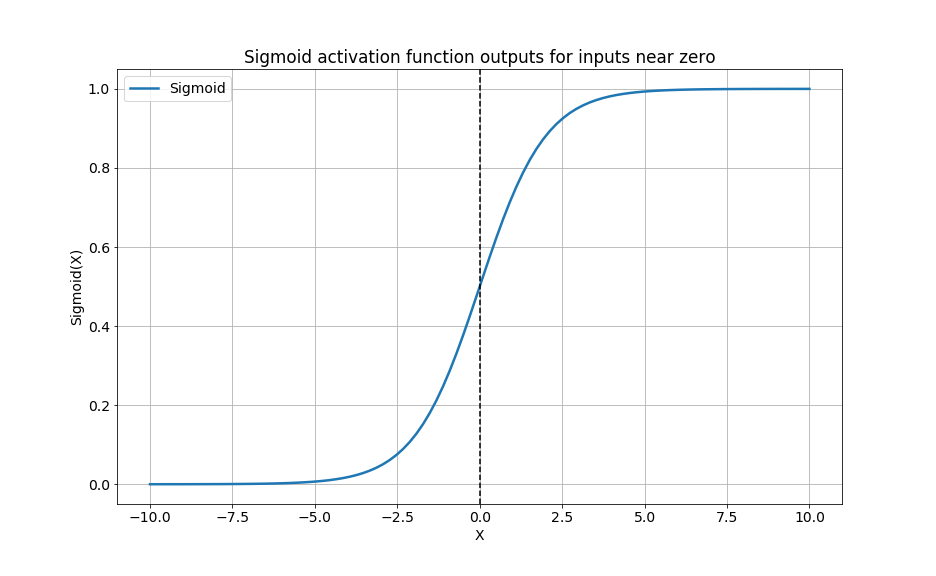
# 若年層での延滞予測の差
print(tf.keras.activations.sigmoid(young_high).numpy() -
tf.keras.activations.sigmoid(young_low).numpy())
# 高齢層での延滞予測の差
print(tf.keras.activations.sigmoid(old_high).numpy() -
tf.keras.activations.sigmoid(old_low).numpy())
0.16337568
0.14204389
tf.keras.activations.sigmoid()sigmoid
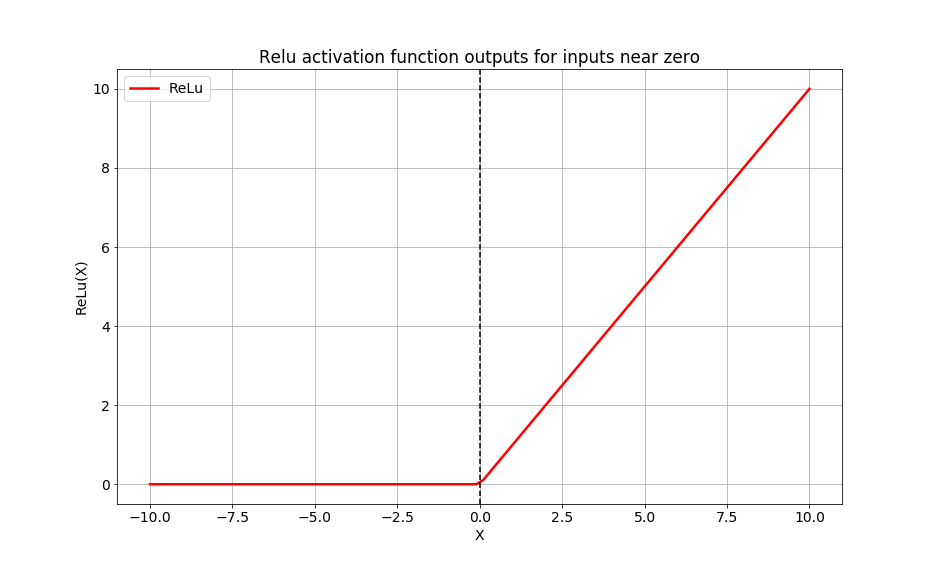
tf.keras.activations.relu()relu
tf.keras.activations.softmax()softmaximport tensorflow as tf
# 入力層を定義
inputs = tf.constant(borrower_features, tf.float32)
# Dense層1を定義
dense1 = tf.keras.layers.Dense(16, activation='relu')(inputs)
# Dense層2を定義
dense2 = tf.keras.layers.Dense(8, activation='sigmoid')(dense1)
# 出力層を定義
outputs = tf.keras.layers.Dense(4, activation='softmax')(dense2)
Introduction to TensorFlow in Python