ランダムフォレスト
Rで学ぶTree-Based ModelsによるMachine Learning

Sandro Raabe
Data Scientist
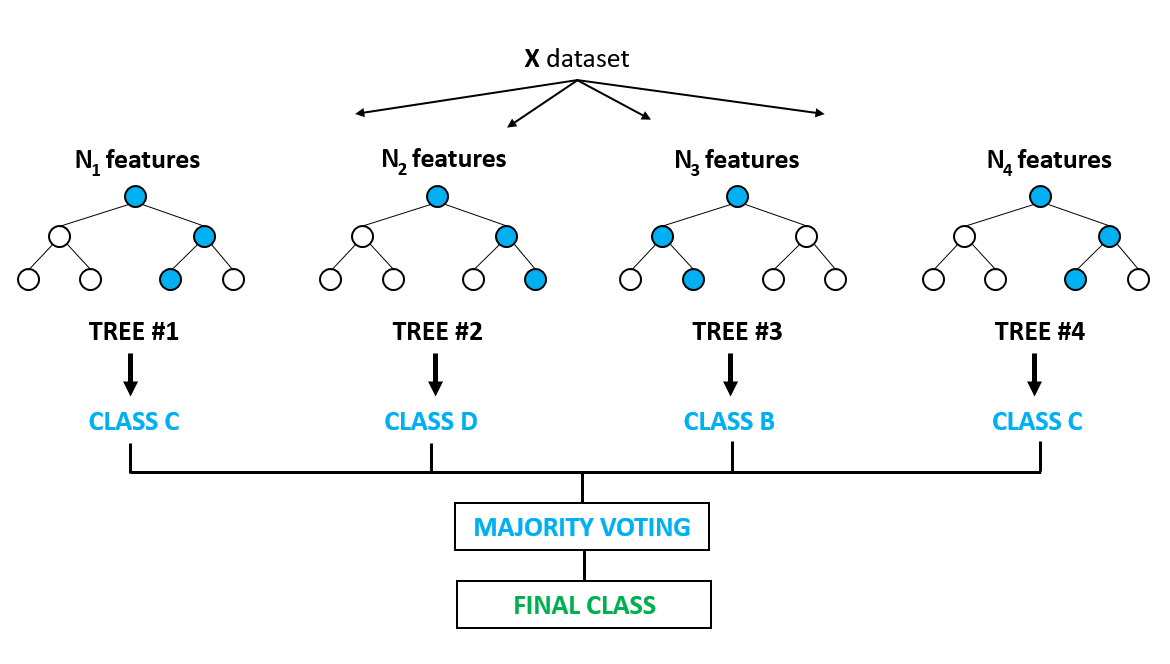
直感
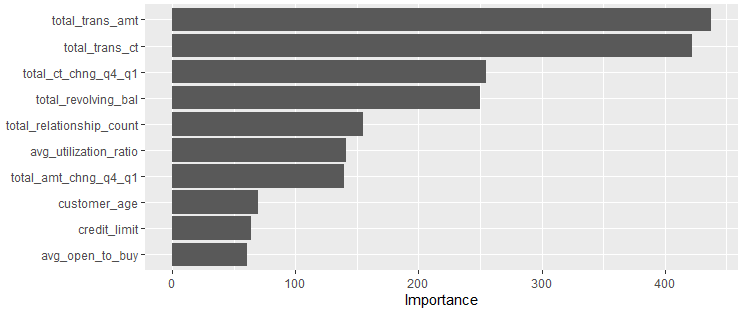
変数重要度
rand_forest(mode = "classification") %>% set_engine("ranger", importance = "impurity") %>%fit(still_customer ~ ., data = customers_train) %>%vip::vip()
Rで学ぶTree-Based ModelsによるMachine Learning
Sandro Raabe
Data Scientist
rand_forest(mode = "classification") %>% set_engine("ranger", importance = "impurity") %>%fit(still_customer ~ ., data = customers_train) %>%vip::vip()

