Understanding model optimization

Nhập môn Deep Learning với Python

Dan Becker

Data Scientist and contributor to Keras and TensorFlow libraries

Why optimization is hard

  • Simultaneously optimizing 1000s of parameters with complex relationships
  • Updates may not improve model meaningfully
  • Updates too small (if learning rate is low) or too large (if learning rate is high)
Nhập môn Deep Learning với Python

Stochastic gradient descent

def get_new_model(input_shape = input_shape):
    model = Sequential()
    model.add(Dense(100, activation='relu', input_shape = input_shape))
    model.add(Dense(100, activation='relu'))
    model.add(Dense(2, activation='softmax'))
    return(model)

lr_to_test = [.000001, 0.01, 1]

# Loop over learning rates
for lr in lr_to_test:
   model = get_new_model()
   my_optimizer = SGD(lr=lr)
   model.compile(optimizer = my_optimizer, loss = 'categorical_crossentropy')
   model.fit(predictors, target)
Nhập môn Deep Learning với Python

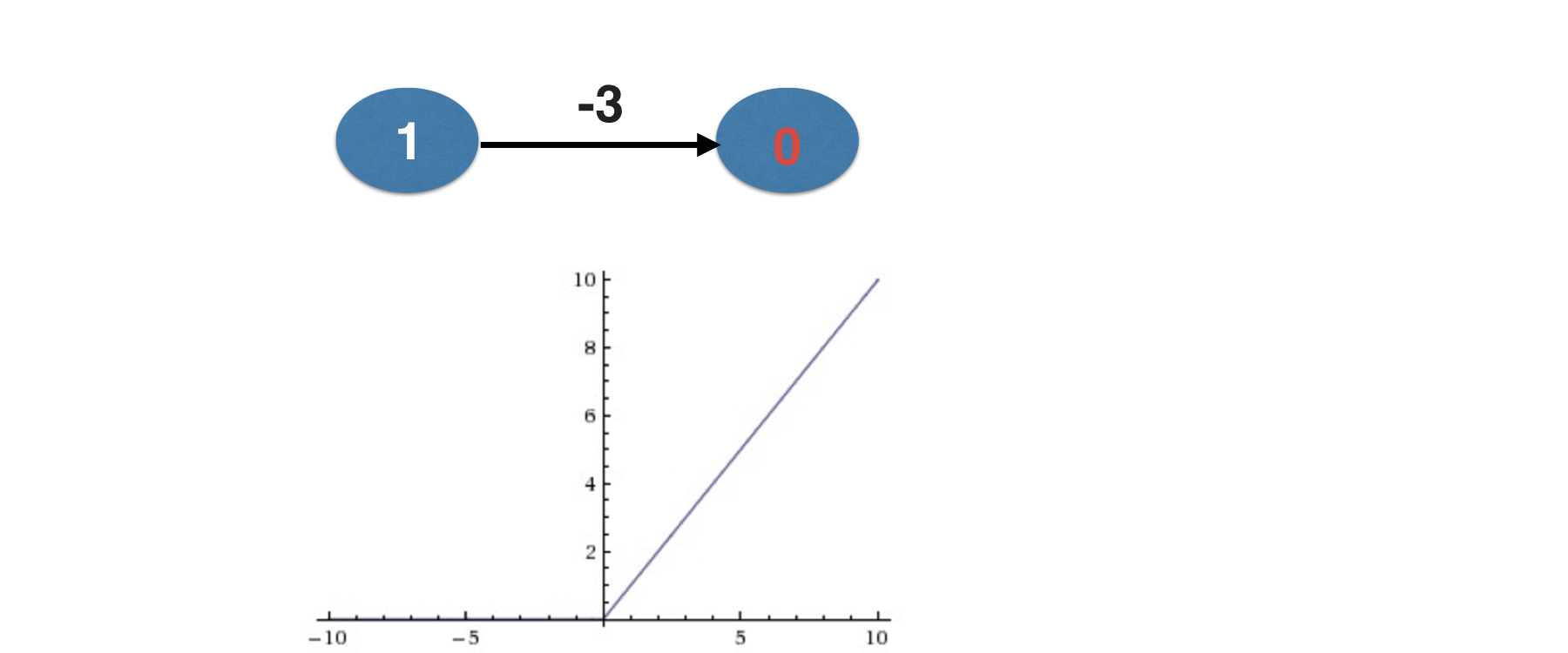
The dying neuron problem

ch4_1.012.png

Nhập môn Deep Learning với Python

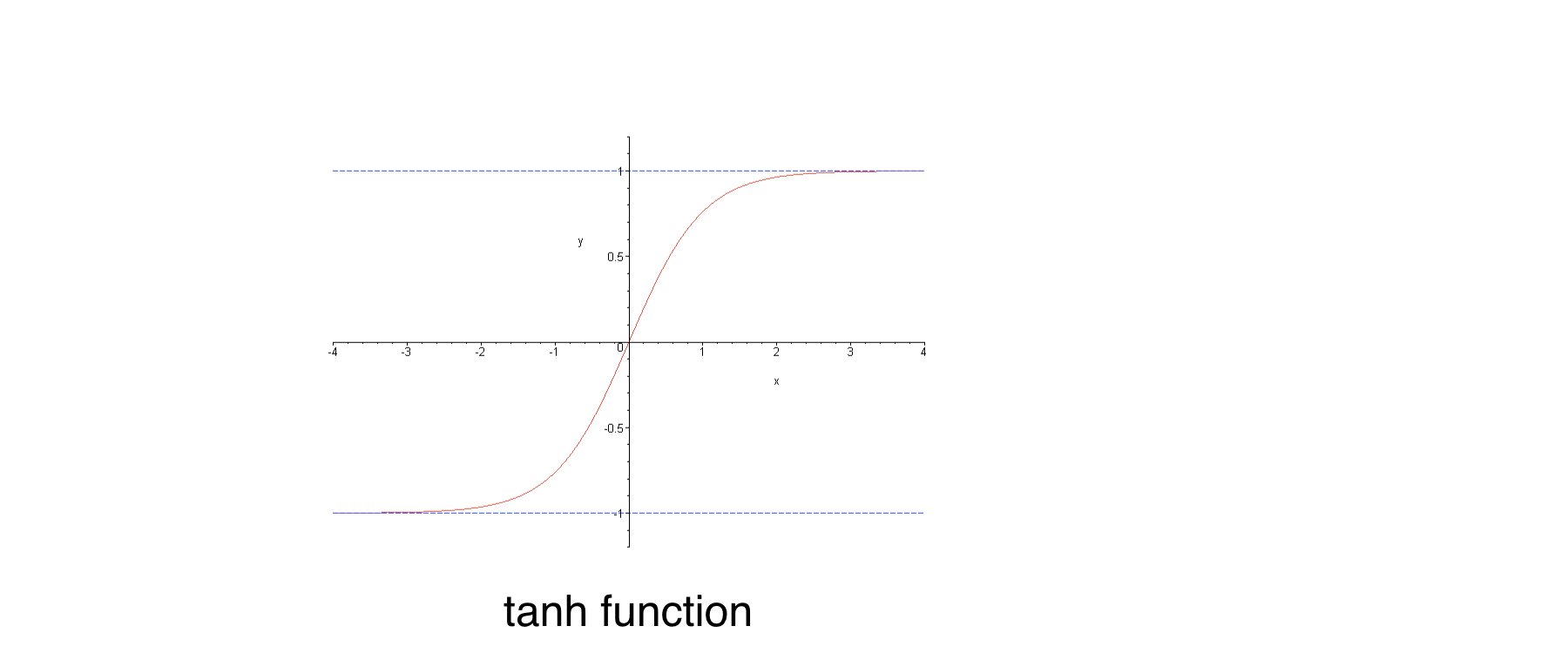
Vanishing gradients

ch4_1.014.png

Nhập môn Deep Learning với Python

Vanishing gradients

  • Occurs when many layers have very small slopes (e.g. due to being on flat part of tanh curve)
  • In deep networks, updates to backprop were close to 0
Nhập môn Deep Learning với Python

Let's practice!

Nhập môn Deep Learning với Python

Preparing Video For Download...