Deep Learning nâng cao với PyTorch
Michal Oleszak
Machine Learning Engineer
Khai thác thêm thông tin

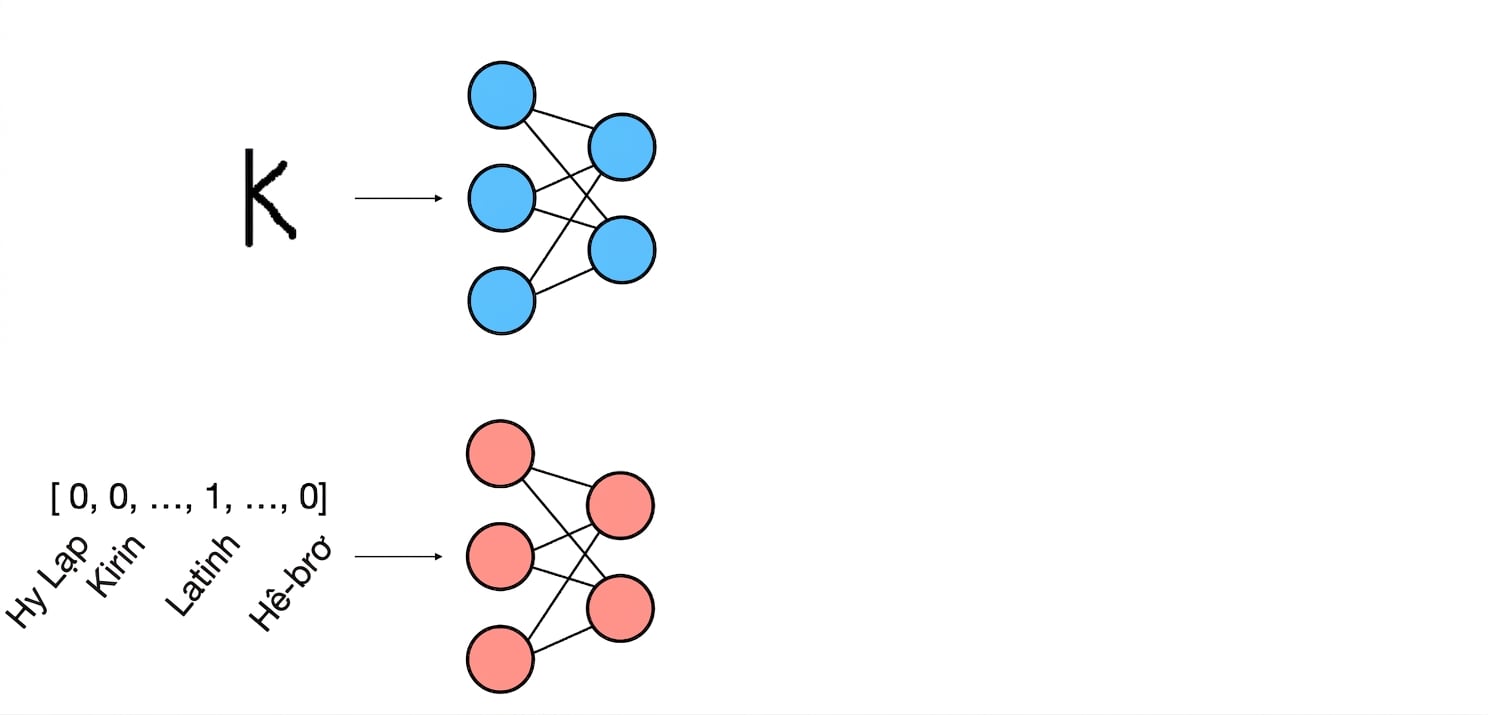
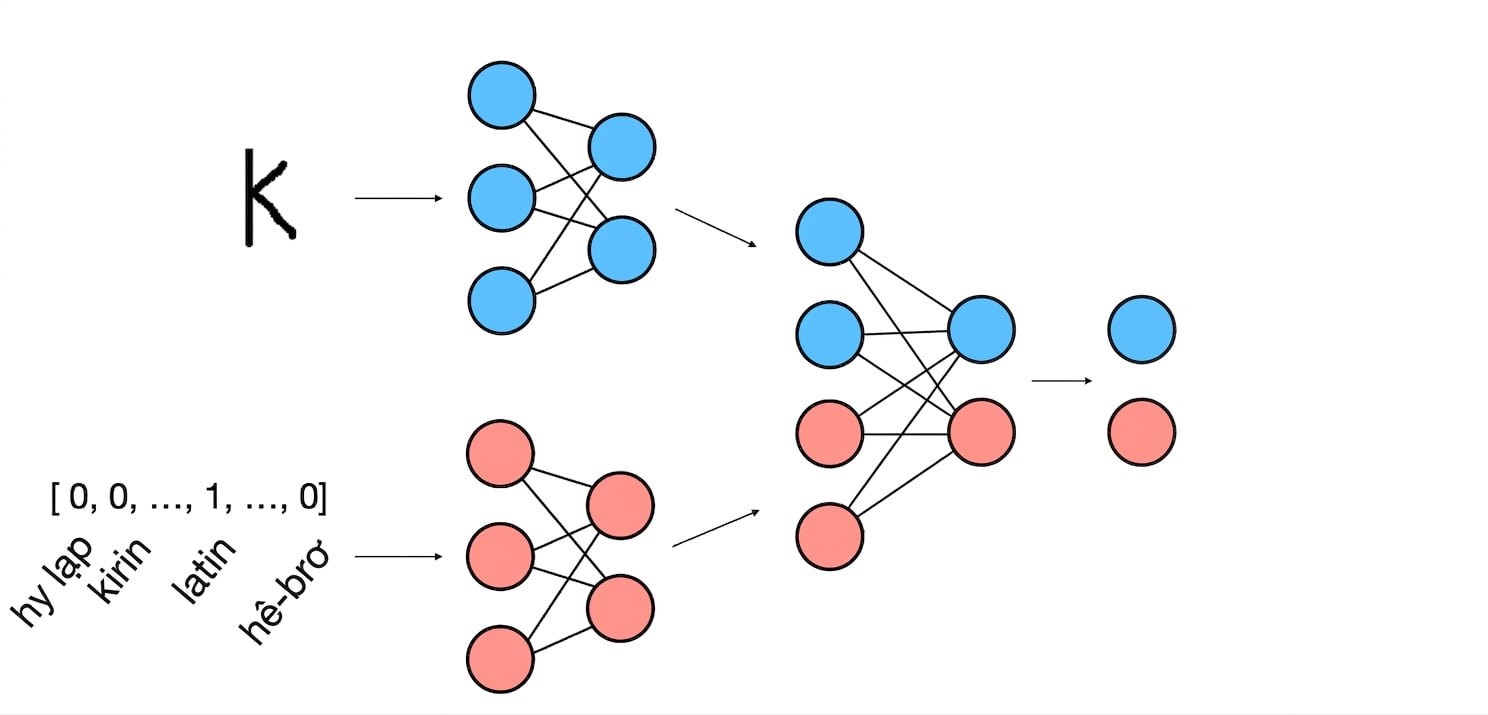
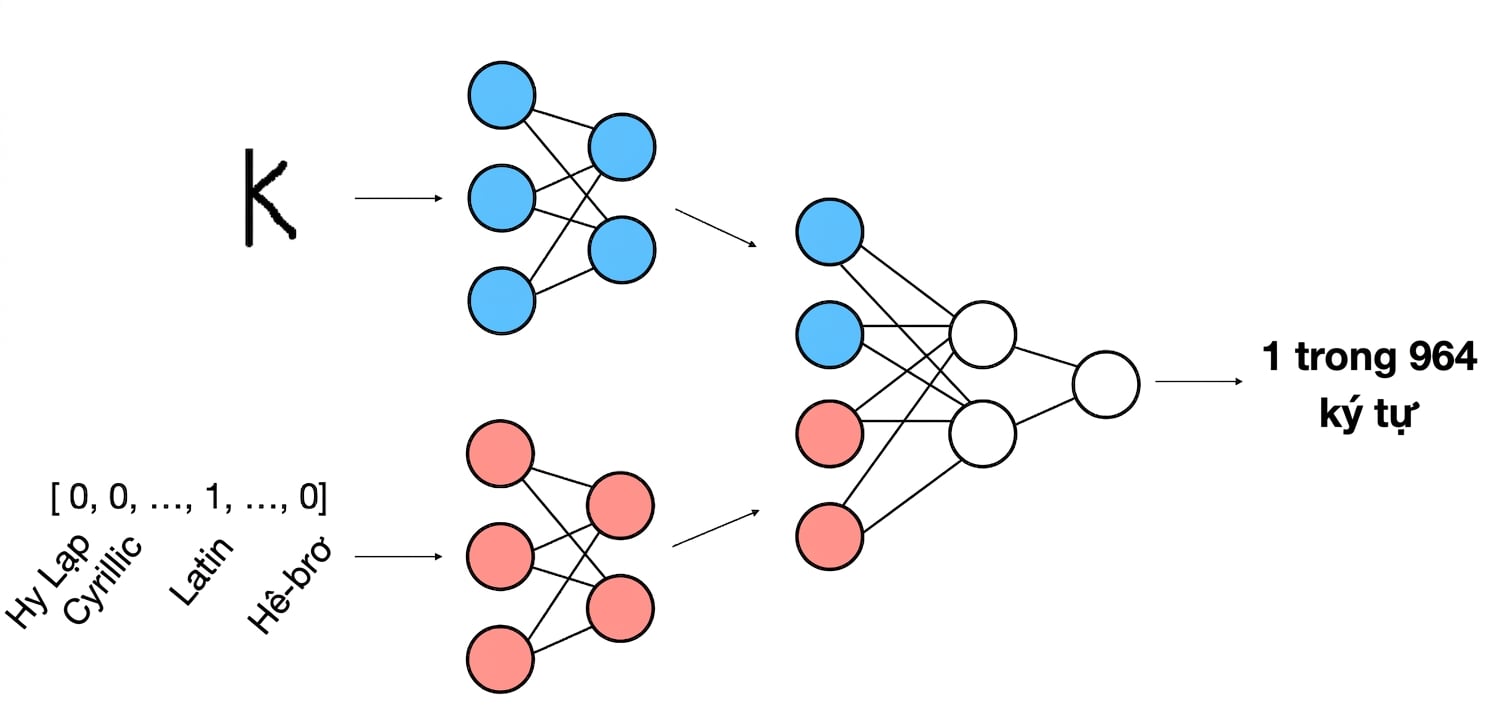
Mô hình đa phương thức

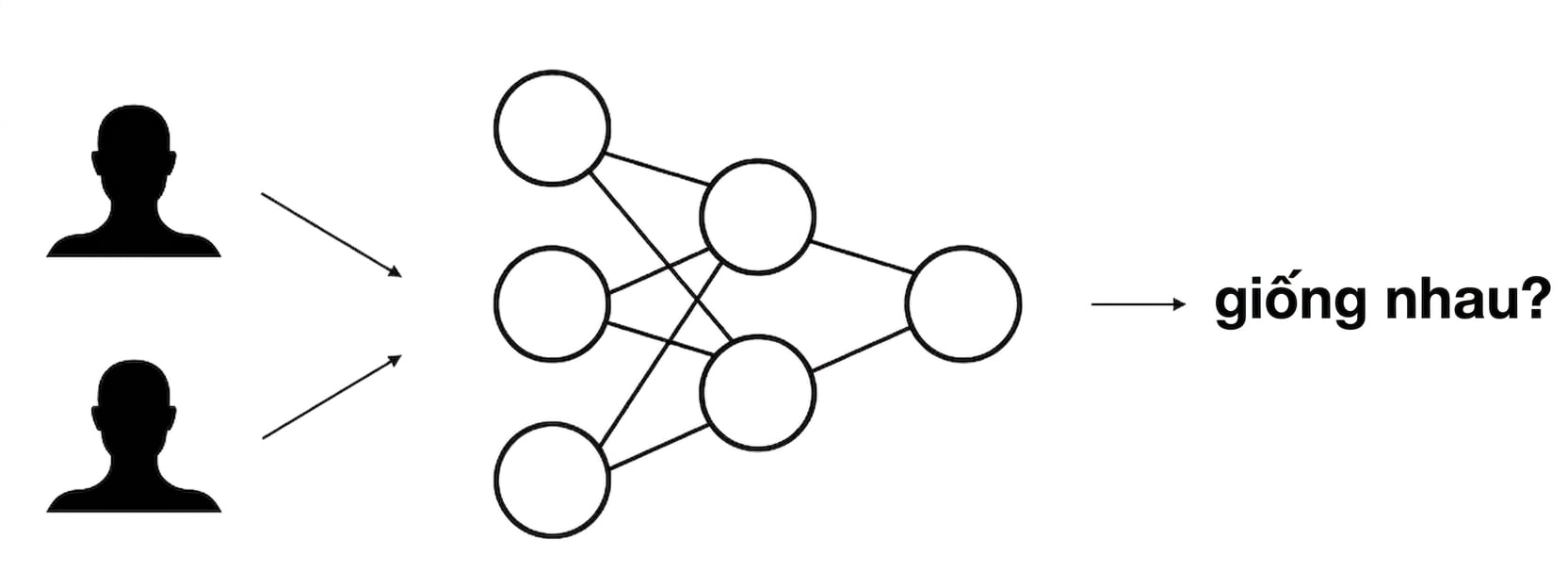
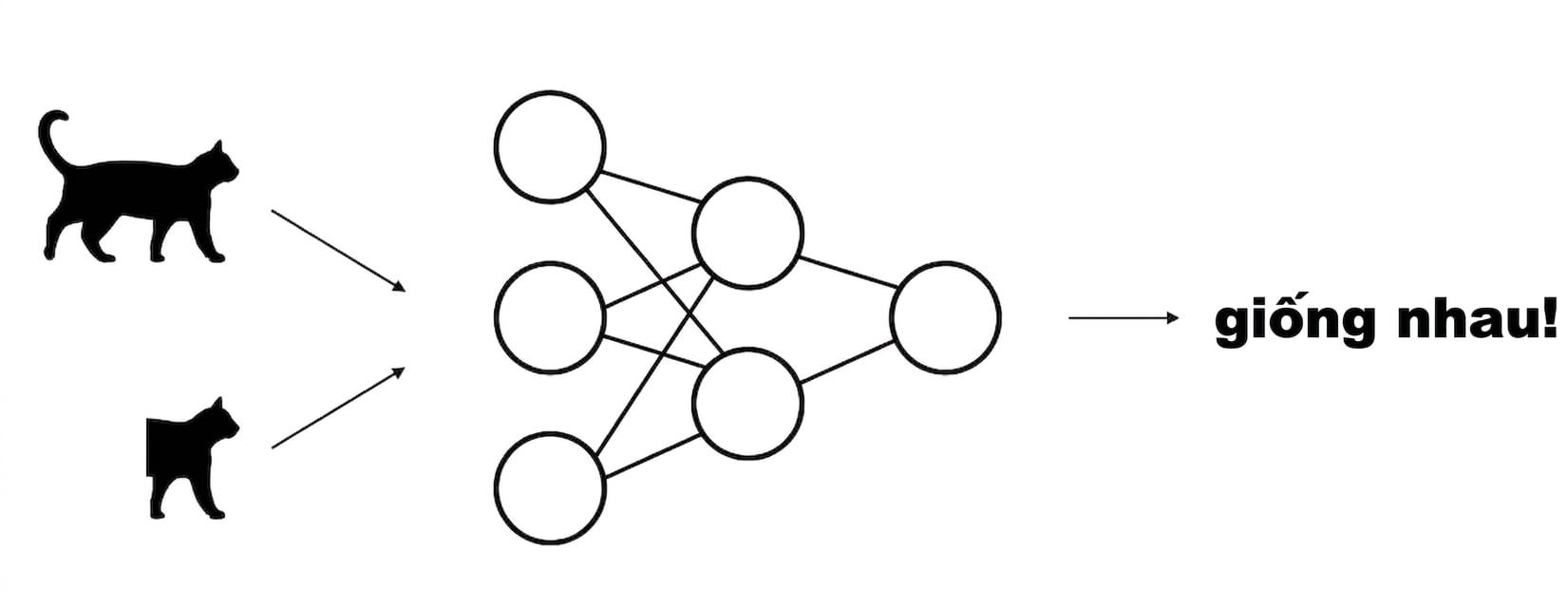
Học metric
Học tự giám sát


from PIL import Image class OmniglotDataset(Dataset):def __init__(self, transform, samples): self.transform = transform self.samples = samplesdef __len__(self): return len(self.samples)def __getitem__(self, idx): img_path, alphabet, label = self.samples[idx] img = Image.open(img_path).convert('L') img = self.transform(img) return img, alphabet, label
Gán mẫu và phép biến đổi
print(samples[0])
[(
'omniglot_train/.../0459_14.png',
array([1., 0., 0., ..., 0., 0., 0.]),
0
)]
Cài đặt __len__()
Tải và biến đổi ảnh
x = torch.tensor([
[1, 2, 3],
])
y = torch.tensor([
[4, 5, 6],
])
Nối theo trục 0
torch.cat((x, y), dim=0)
[[1, 2, 3],
[4, 5, 6]]
Nối theo trục 1
torch.cat((x, y), dim=1)
[[1, 2, 3, 4, 5, 6]]
class Net(nn.Module): def __init__(self): super().__init__()self.image_layer = nn.Sequential( nn.Conv2d(1, 16, kernel_size=3, padding=1), nn.MaxPool2d(kernel_size=2), nn.ELU(), nn.Flatten(), nn.Linear(16*32*32, 128) )self.alphabet_layer = nn.Sequential( nn.Linear(30, 8), nn.ELU(), )self.classifier = nn.Sequential( nn.Linear(128 + 8, 964), )
def forward(self, x_image, x_alphabet):x_image = self.image_layer(x_image)x_alphabet = self.alphabet_layer(x_alphabet)x = torch.cat((x_image, x_alphabet), dim=1)return self.classifier(x)
net = Net()
criterion = nn.CrossEntropyLoss()
optimizer = optim.SGD(net.parameters(), lr=0.01)
for epoch in range(10):
for img, alpha, labels in dataloader_train:
optimizer.zero_grad()
outputs = net(img, alpha)
loss = criterion(outputs, labels)
loss.backward()
optimizer.step()
Deep Learning nâng cao với PyTorch