Deep Learning nâng cao với PyTorch
Michal Oleszak
Machine Learning Engineer


layer = nn.Linear(8, 1)
print(layer.weight)
Parameter containing:
tensor([[-0.0195, 0.0992, 0.0391, 0.0212,
-0.3386, -0.1892, -0.3170, 0.2148]])
Khởi tạo tốt đảm bảo:
Cách thực hiện phụ thuộc vào hàm kích hoạt:
import torch.nn.init as init
init.kaiming_uniform_(layer.weight)
print(layer.weight)
Parameter containing:
tensor([[-0.3063, -0.2410, 0.0588, 0.2664,
0.0502, -0.0136, 0.2274, 0.0901]])
init.kaiming_uniform_(self.fc1.weight)
init.kaiming_uniform_(self.fc2.weight)
init.kaiming_uniform_(
self.fc3.weight,
nonlinearity="sigmoid",
)
import torch.nn as nn import torch.nn.init as init class Net(nn.Module): def __init__(self): super().__init__() self.fc1 = nn.Linear(9, 16) self.fc2 = nn.Linear(16, 8) self.fc3 = nn.Linear(8, 1)init.kaiming_uniform_(self.fc1.weight) init.kaiming_uniform_(self.fc2.weight) init.kaiming_uniform_( self.fc3.weight, nonlinearity="sigmoid", )
def forward(self, x):
x = nn.functional.relu(self.fc1(x))
x = nn.functional.relu(self.fc2(x))
x = nn.functional.sigmoid(self.fc3(x))
return x

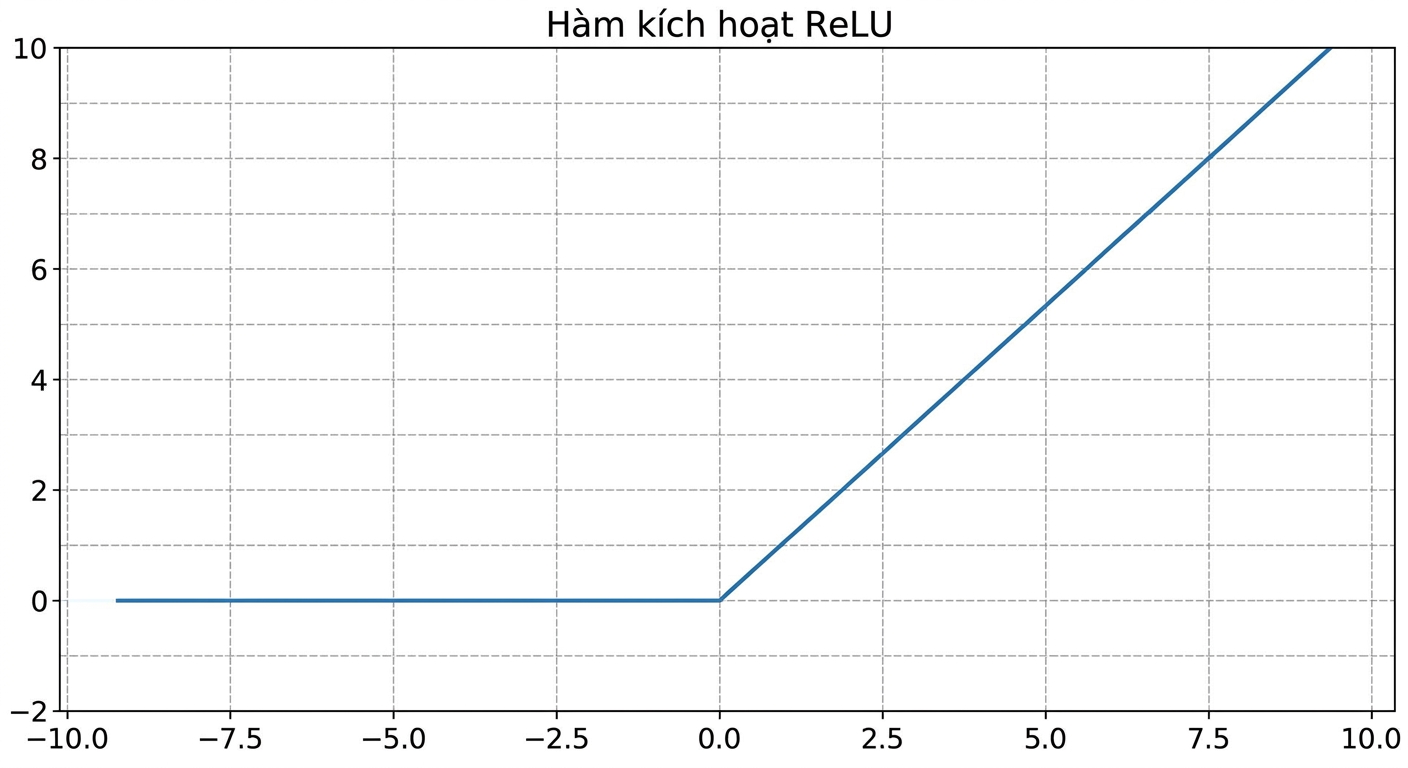
nn.functional.relu()
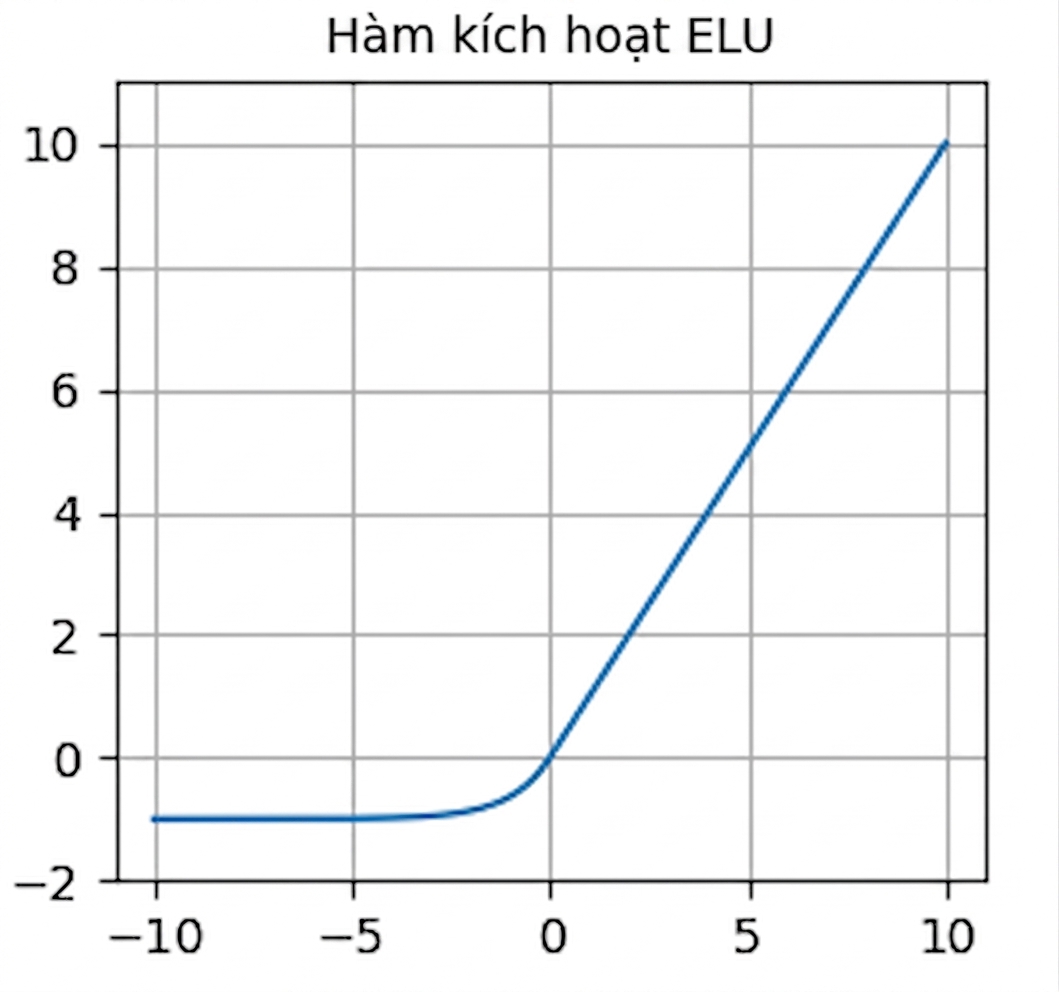
nn.functional.elu()Sau mỗi lớp:
Chuẩn hóa đầu ra lớp bằng:
Co giãn và tịnh tiến giá trị đã chuẩn hóa bằng tham số học được
Mô hình học phân phối đầu vào tối ưu cho từng lớp:
class Net(nn.Module): def __init__(self): super().__init__() self.fc1 = nn.Linear(9, 16) self.bn1 = nn.BatchNorm1d(16) ...def forward(self, x): x = self.fc1(x) x = self.bn1(x) x = nn.functional.elu(x) ...
Deep Learning nâng cao với PyTorch