Data instance a třídy
Object-Oriented Programming in Python

Alex Yarosh
Content Quality Analyst @ DataCamp
Základní principy OOP
Dědičnost:
- Rozšíření funkcionality existujícího kódu
Polymorfismus:
- Vytvoření jednotného rozhraní
Zapouzdření:
- Sdružení dat a metod
Data na úrovni instance
class Employee:
    def __init__(self, name, salary):
       self.name = name
       self.salary = salary

emp1 = Employee("Teo Mille", 50000)
emp2 = Employee("Marta Popov", 65000)
name,salaryjsou atributy instanceselfodkazuje na instanci
Data na úrovni třídy
- Data sdílená všemi instancemi třídy
- Atributy třídy se definují v těle
class
class MyClass:
    # Define a class attribute
    CLASS_ATTR_NAME = attr_value
- „Globální proměnná" v rámci třídy
Data na úrovni třídy
class Employee: # Define a class attribute MIN_SALARY = 30000 #<--- no self.def __init__(self, name, salary): self.name = name # Use class name to access class attribute if salary >= Employee.MIN_SALARY: self.salary = salary else: self.salary = Employee.MIN_SALARY
MIN_SALARYje sdílena všemi instancemi- Pro definici atributu třídy nepoužívejte
self - Pro přístup k atributu třídy použijte
ClassName.ATTR_NAME
Data na úrovni třídy
class Employee: # Define a class attribute MIN_SALARY = 30000def __init__(self, name, salary): self.name = name # Use class name to access class attribute if salary >= Employee.MIN_SALARY: self.salary = salary else: self.salary = Employee.MIN_SALARY
emp1 = Employee("TBD", 40000)
print(emp1.MIN_SALARY)
30000
emp2 = Employee("TBD", 60000)
print(emp2.MIN_SALARY)
30000
Proč používat atributy třídy?
Globální konstanty vztahující se ke třídě
- minimální/maximální hodnoty atributů
- běžně používané hodnoty a konstanty, např.
pipro tříduCircle - ...
Metody třídy
- Metody jsou již „sdílené": stejný kód pro každou instanci
- Metody třídy nemohou používat data na úrovni instance
class MyClass: @classmethod # <---use decorator to declare a class methoddef my_awesome_method(cls, args...): # <---cls argument refers to the class # Do stuff here # Can't use any instance attributes :(
MyClass.my_awesome_method(args...)
Alternativní konstruktory
class Employee:
  MIN_SALARY = 30000
  def __init__(self, name, salary=30000):
      self.name = name
      if salary >= Employee.MIN_SALARY:
        self.salary = salary
      else:
        self.salary = Employee.MIN_SALARY
- Lze mít pouze jeden
__init__()
  @classmethod
  def from_file(cls, filename):
      with open(filename, "r") as f:
          name = f.readline()
      return cls(name)
- Metody třídy slouží k vytváření objektů
- Pro vrácení objektu použijte
return cls(...)zavolá__init__(...)
Alternativní konstruktory
class Employee:
  MIN_SALARY = 30000
  def __init__(self, name, salary=30000):
      self.name = name
      if salary >= Employee.MIN_SALARY:
        self.salary = salary
      else:
        self.salary = Employee.MIN_SALARY

  @classmethod
  def from_file(cls, filename):
      with open(filename, "r") as f:
          name = f.readline()
      return cls(name)
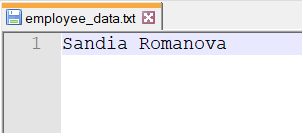
# Create an employee without calling Employee()
emp = Employee.from_file("employee_data.txt")
type(emp)
__main__.Employee
Pojďme si procvičit!
Object-Oriented Programming in Python

