Obsługa stop słów i interpunkcji
Przetwarzanie języka naturalnego (NLP) w Pythonie

Fouad Trad
Machine Learning Engineer
Stop słowa
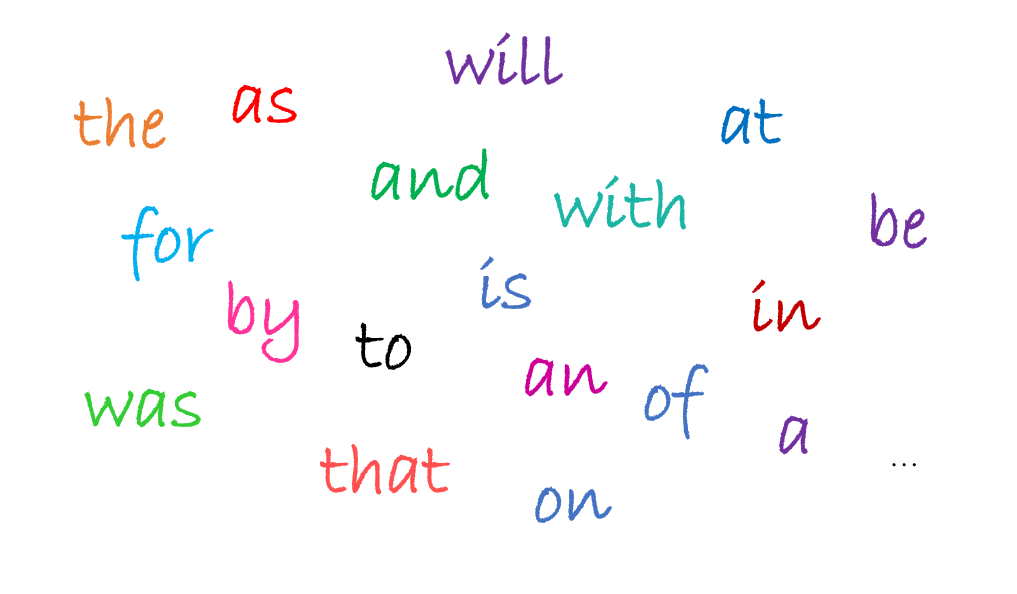
- Występują często, ale mało wnoszą do rozumienia kontekstu przez model
- Nie mają dużej wartości w wielu zadaniach NLP
- Ich usunięcie pozwala modelowi skupić się na ważnych słowach
Usuwanie stop słów
Przydatne do
Rozumienia tematu tekstu

Usuwanie stop słów
Przydatne do
Rozumienia tematu tekstu
Nieprzydatne do
Zadań wymagających każdego słowa w tekście

Interpunkcja
- Strukturyzują język dla ludzi
- Nie niosą istotnych informacji w wielu zadaniach NLP

Usuwanie interpunkcji
Przydatne do
Zadań wymagających znajdowania częstych lub ważnych słów w dokumentach

Usuwanie interpunkcji
Przydatne do
Zadań wymagających znajdowania częstych lub ważnych słów w dokumentach
Nieprzydatne do
Zadań wymagających zachowania struktury zdania dla zachowania jasności