Eksploracyjna analiza danych
End-to-End Machine Learning

Joshua Stapleton
Machine Learning Engineer
Proces EDA
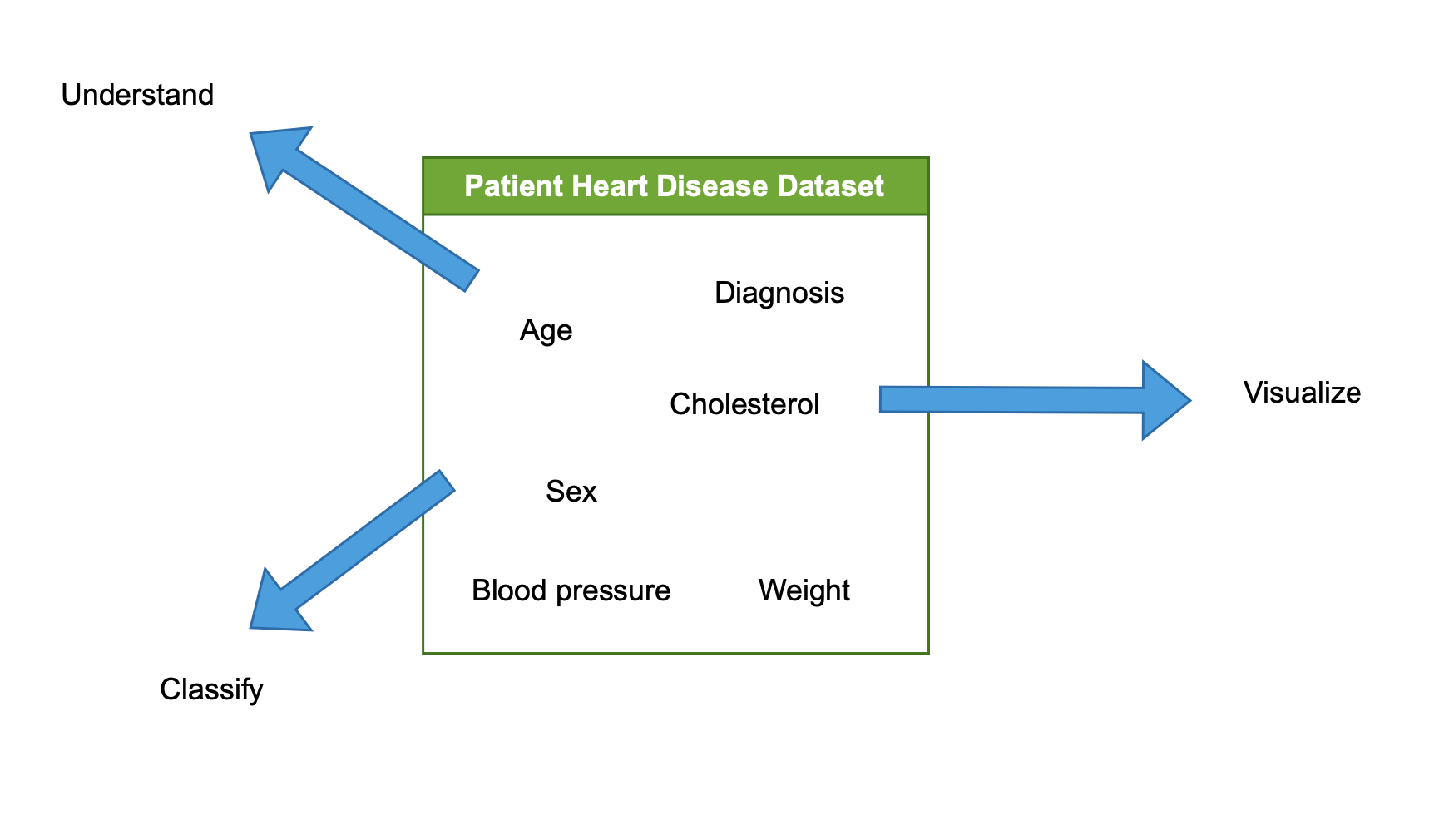
- Badanie i analiza zbioru danych
- Zrozumienie zbioru danych
- Wizualizacja zbioru danych
- Charakteryzacja / klasyfikacja zbioru danych
Poznawanie danych
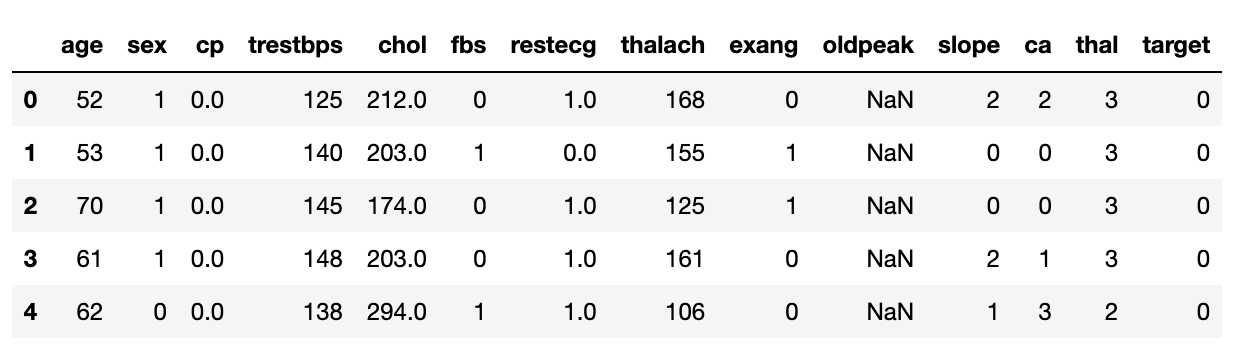
df.head()
- Pokazuje pierwsze wiersze zbioru danych
- Podgląd struktury danych
# Print the first 5 rows
print(heart_disease_df.head())
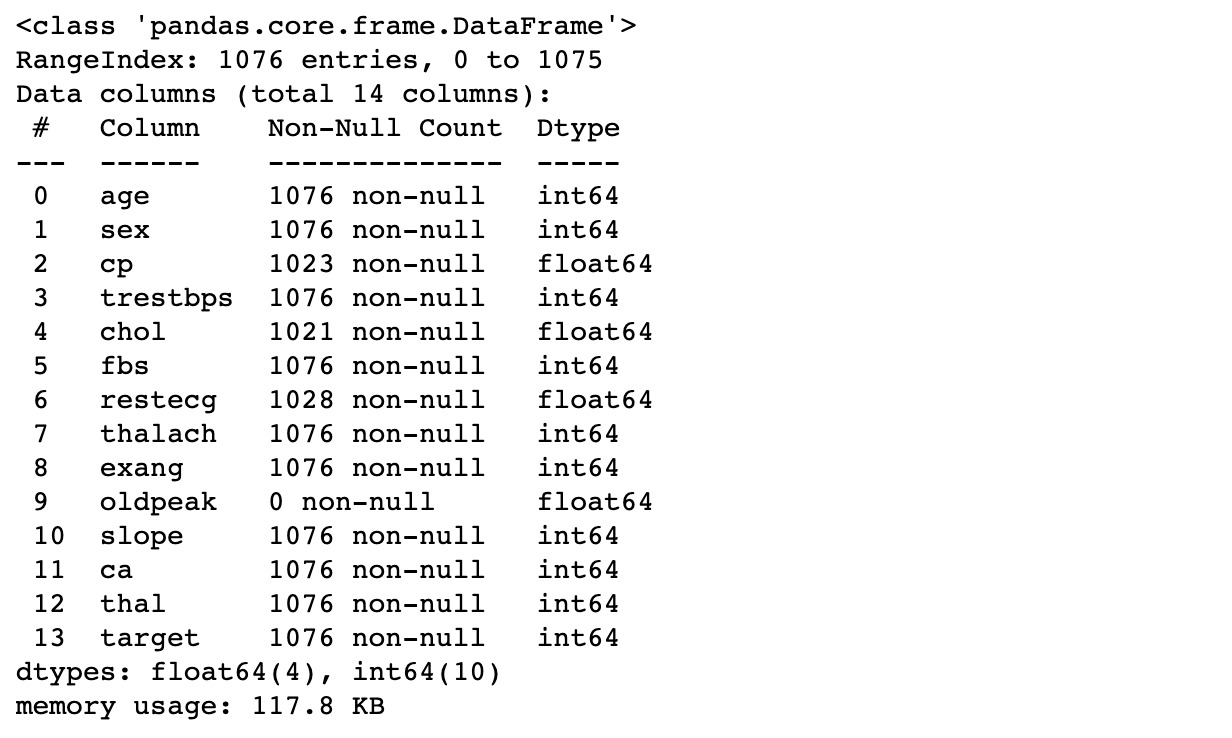
df.info()
- Podsumowanie cech
- Pokazuje wpisy niepuste i typy cech
# Print out details
print(heart_disease_df.info())
Balans klas
df.value_counts()
- Zlicza unikalne wystąpienia każdej klasy
- Klasa: binarna obecność choroby serca (1/0)
- Istotne dla modelowania
# print the class balance
print(heart_disease_df['target'].value_counts(normalize=True))

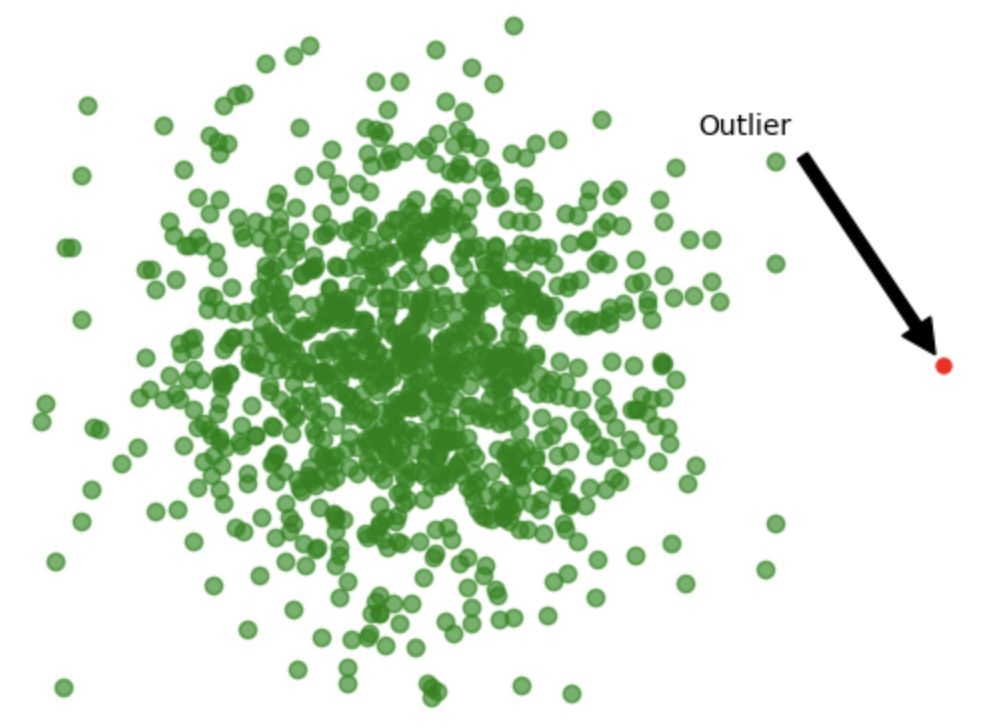
Wartości odstające
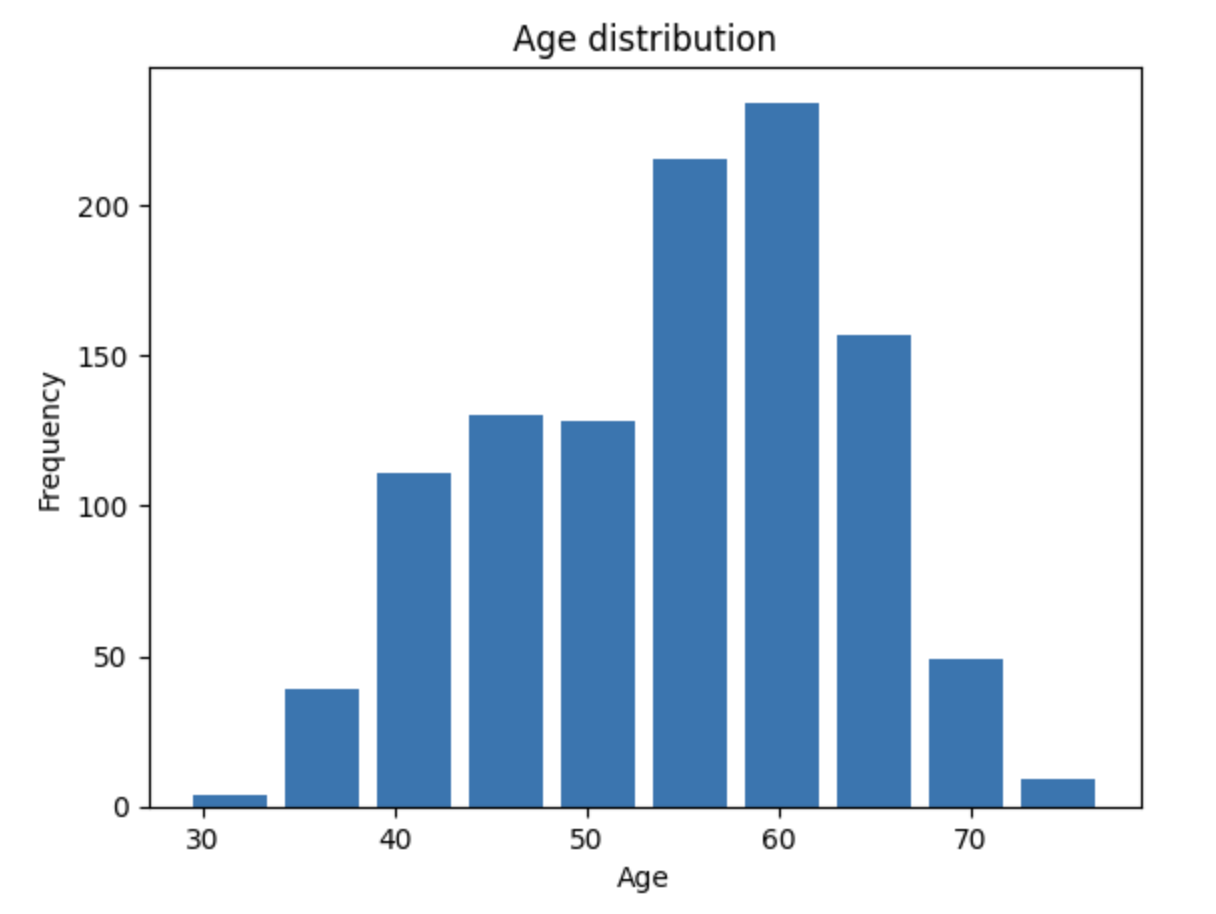
Wizualizacja danych
df['age'].plot(kind='hist')
plt.xlabel('Age')
plt.ylabel('Frequency')
plt.show()
1 https://seaborn.pydata.org/tutorial/distributions.html, https://app.datacamp.com/learn/courses/intermediate-data-visualization-with-seaborn

