SELECT receipts.cookie_id,
       sum(receipts.total)
FROM receipts
JOIN cookies ON receipts.cookie_id = cookies.cookie_id
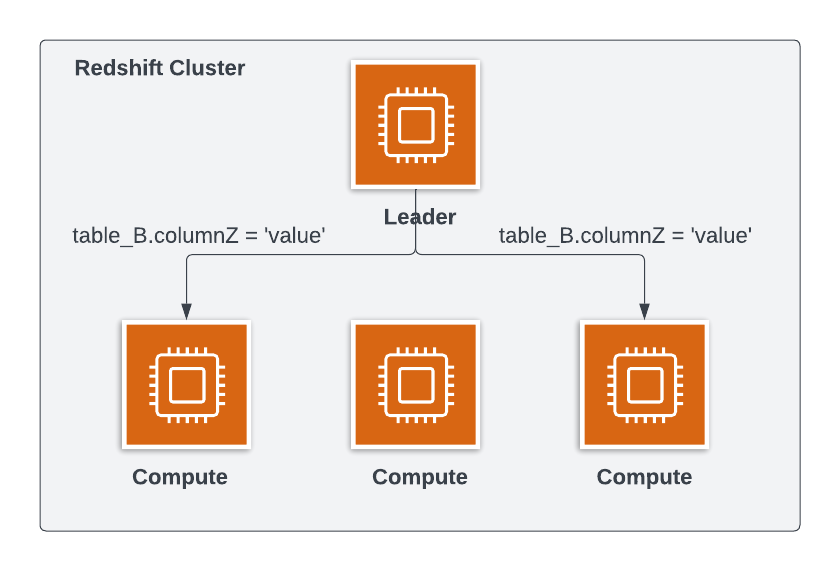
  -- Keep cookies predicates in the join to push down to nodes holding the records for cookies
 AND cookies.available_on < '2023-11-14'
 AND cookies.end_of_sale IS null
-- Predicates that are not part of the join or on the joined table stay in the WHERE clause
WHERE receipts.order_time > '2023-11-13'
GROUP BY 1 ORDER BY 1;
Spójność kolejności kolumn
Przy użyciu:
GROUP BY
ORDER BY
Źle
GROUP BY col_one, col_two, col_three
ORDER BY col_two, col_three, col_one
Dobrze
GROUP BY col_two, col_three, col_one
ORDER BY col_two, col_three, col_one
Mądre używanie podzapytań
Stosować odpowiednie strategie złączeń zamiast podzapytań
Używać EXISTS w predykatach, gdy sprawdzamy tylko prawdziwość wyniku podzapytania
SELECT column_name
FROM table_name
WHERE EXISTS
  (SELECT column_name
   FROM table_name
   WHERE active is True);
Jeśli podzapytania są wielokrotnie używane, stosować CTE, aby korzystać z buforowania