二叉搜索树(BST)

Python 中的数据结构与算法

Miriam Antona

Software engineer

定义
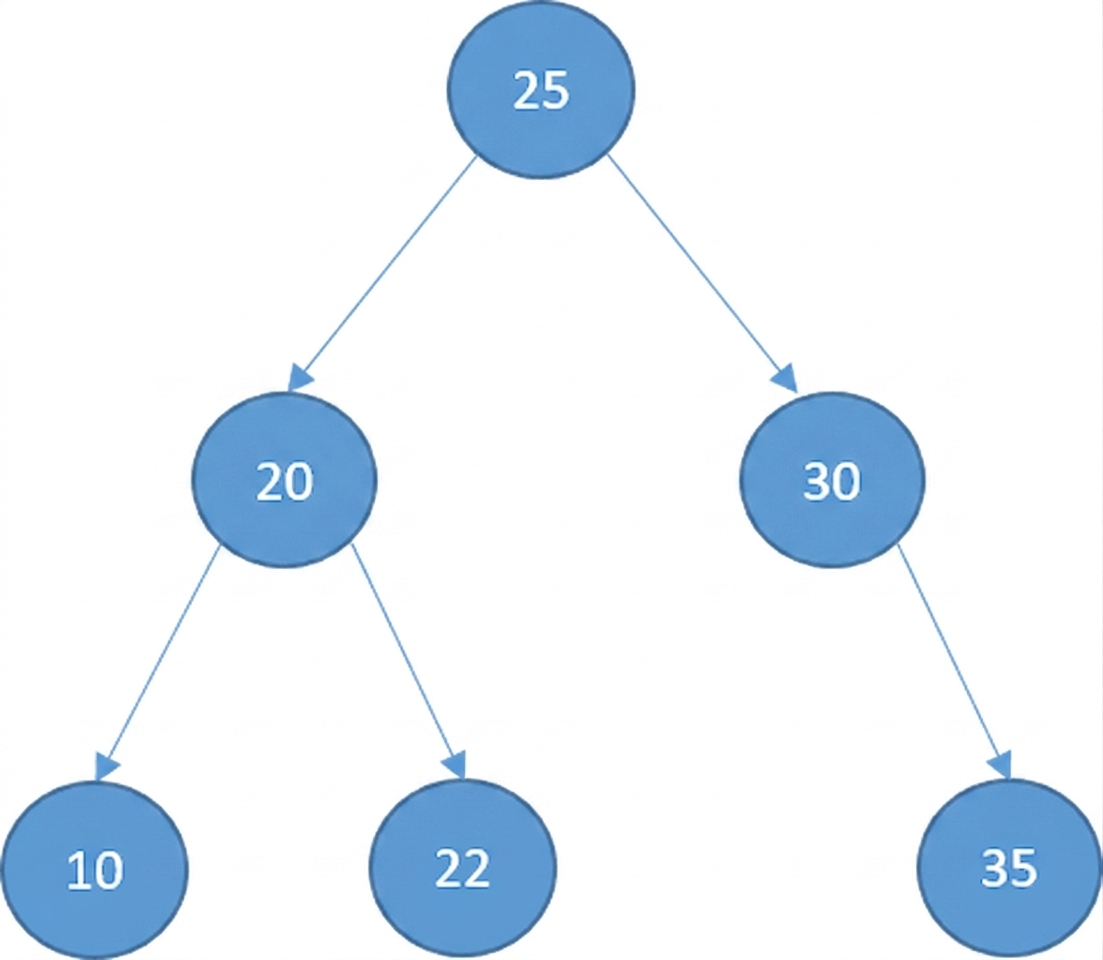
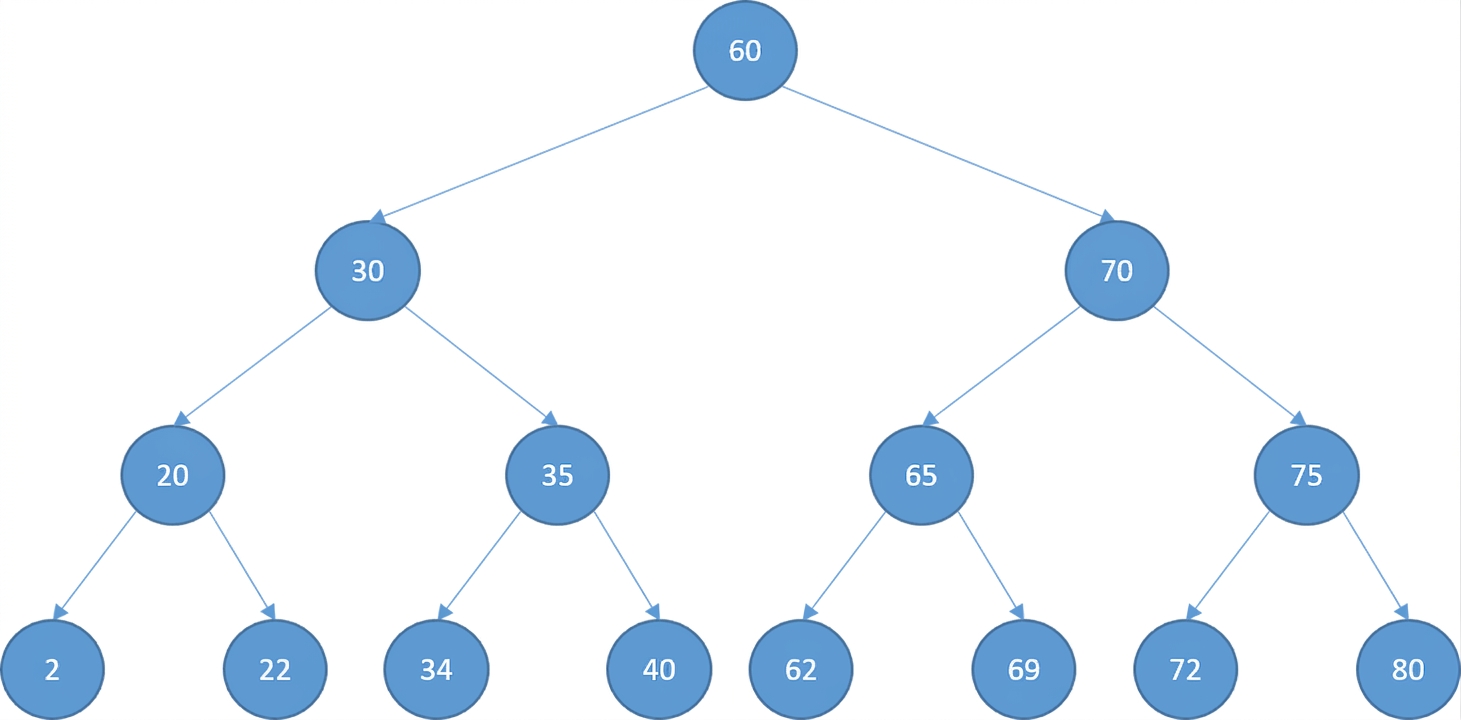
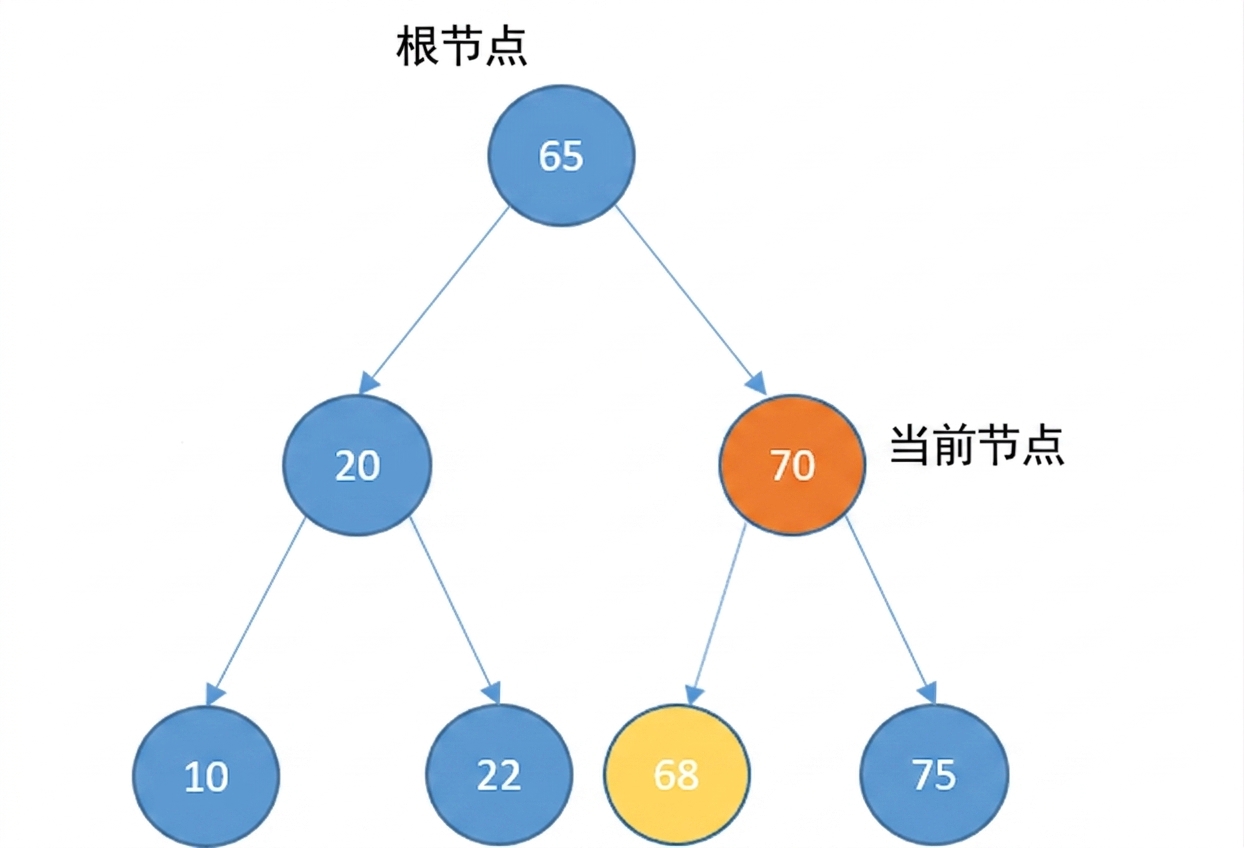
  • 节点的左子树
    • 小于该节点
  • 节点的右子树
    • 大于该节点
  • 左右子树都必须是二叉搜索树

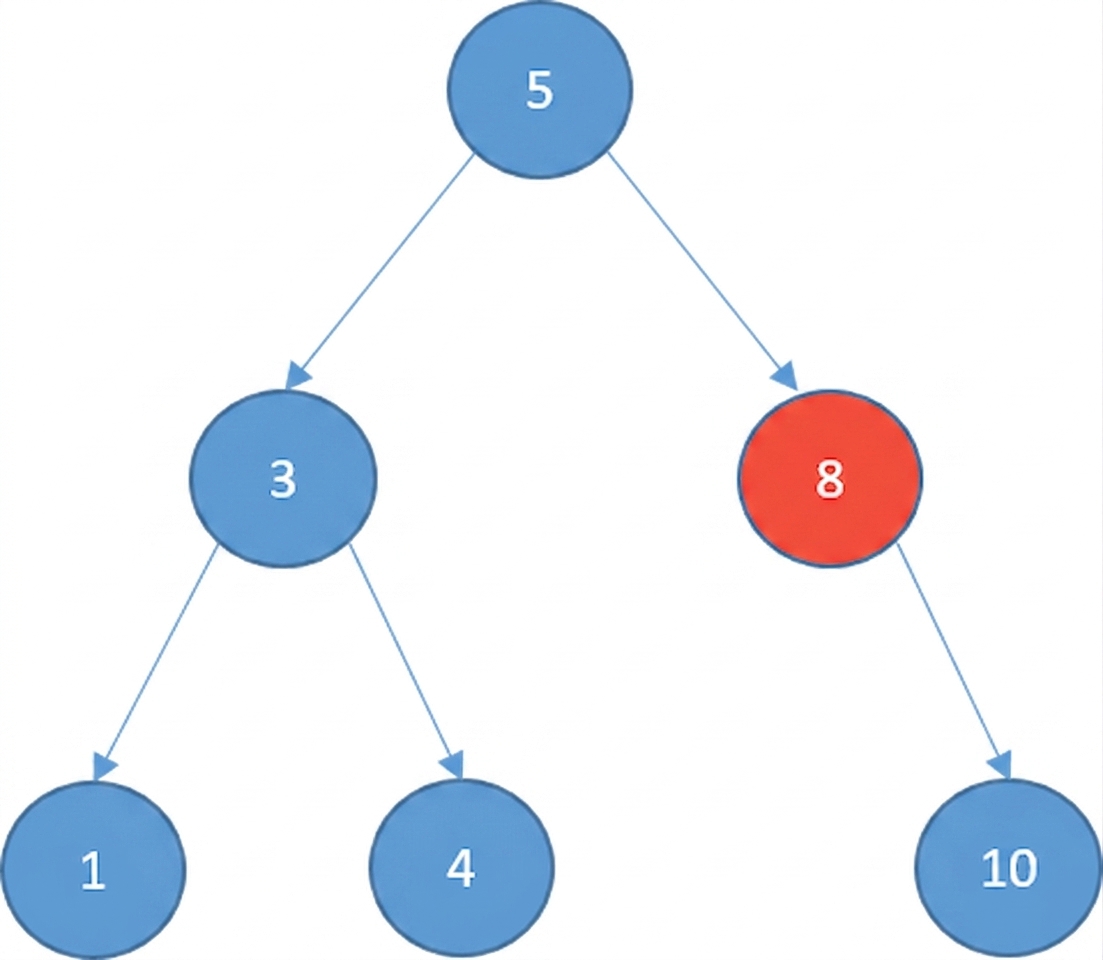
二叉搜索树示意图。

Python 中的数据结构与算法

实现

class TreeNode:  
  def __init__(self, data, left=None, right=None):
    self.data = data
    self.left_child = left
    self.right_child = right
class BinarySearchTree:
  def __init__(self):
    self.root = None
Python 中的数据结构与算法

查找

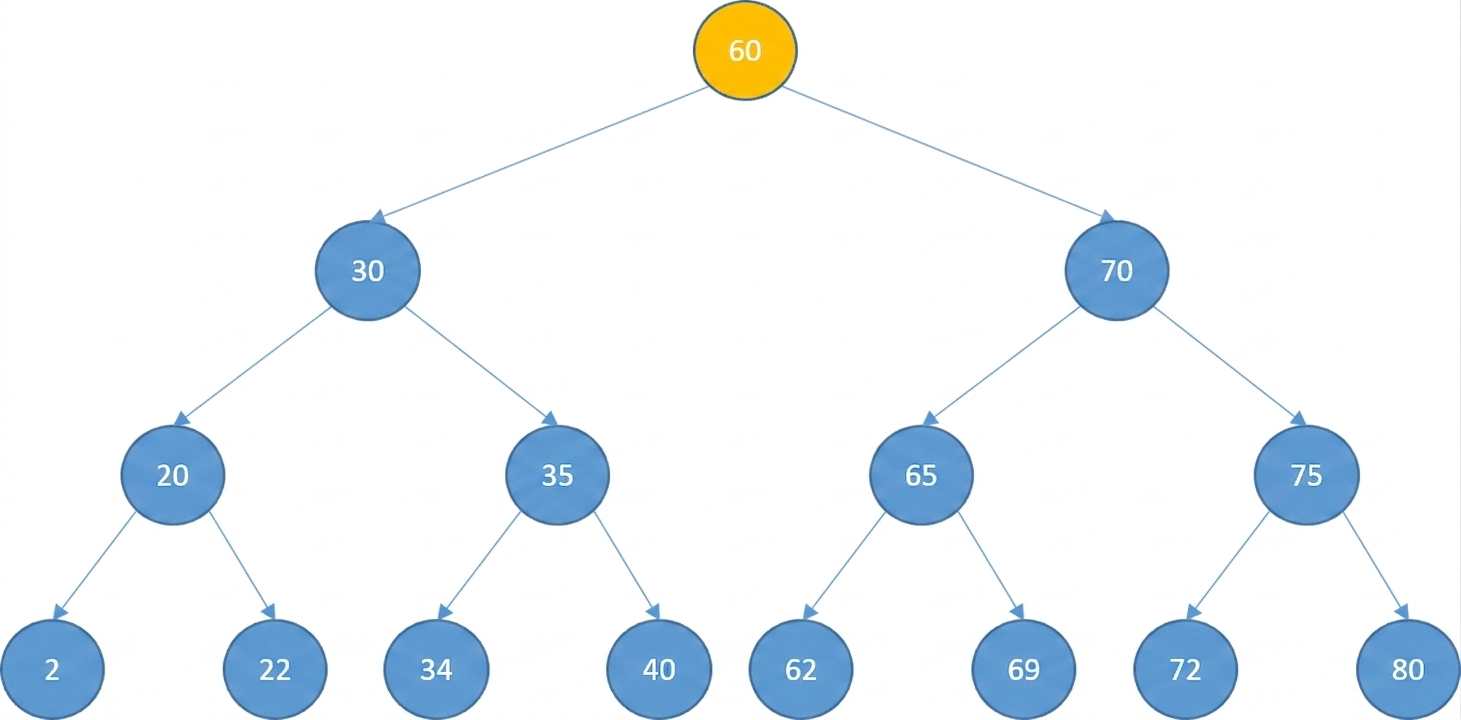
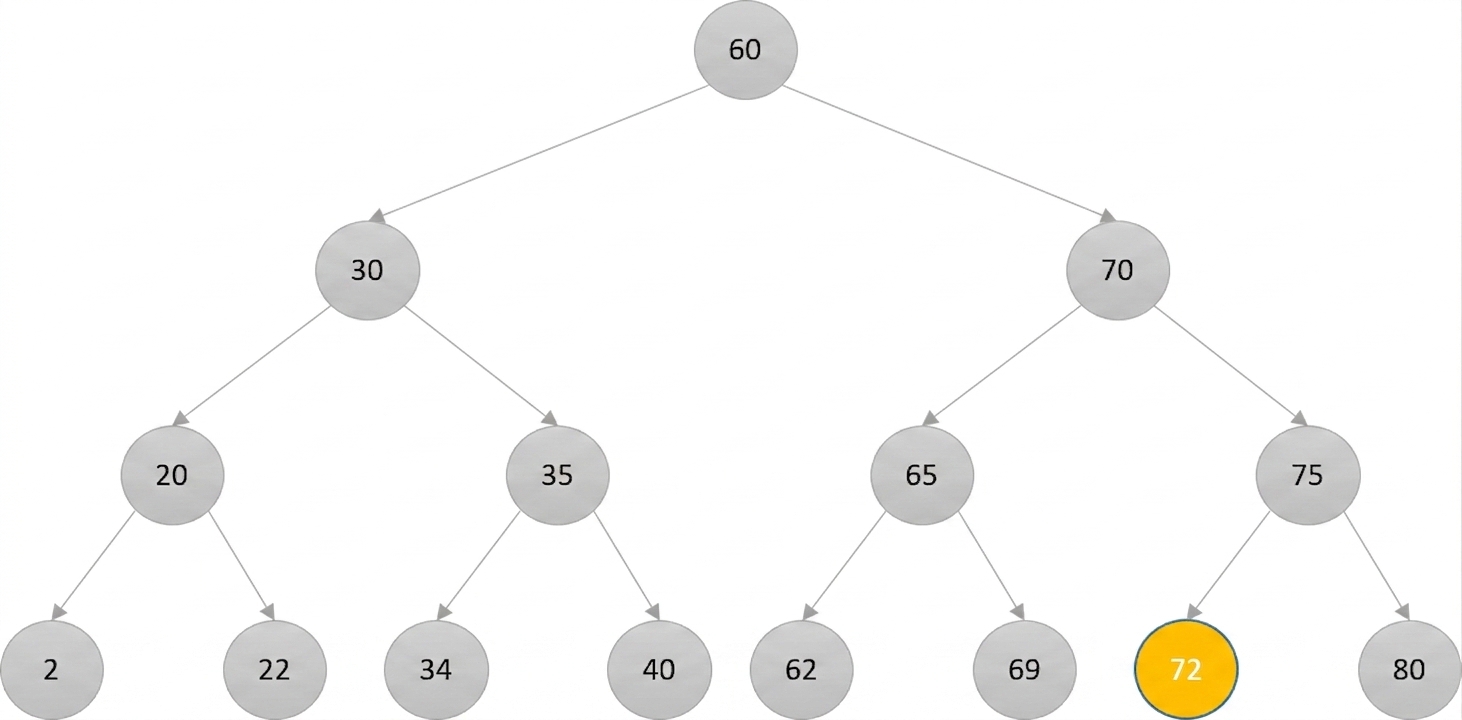
  • 查找 72

二叉搜索树示意图。

Python 中的数据结构与算法

查找

  • 查找 72

二叉搜索树示意图,根节点为黄色。

Python 中的数据结构与算法

查找

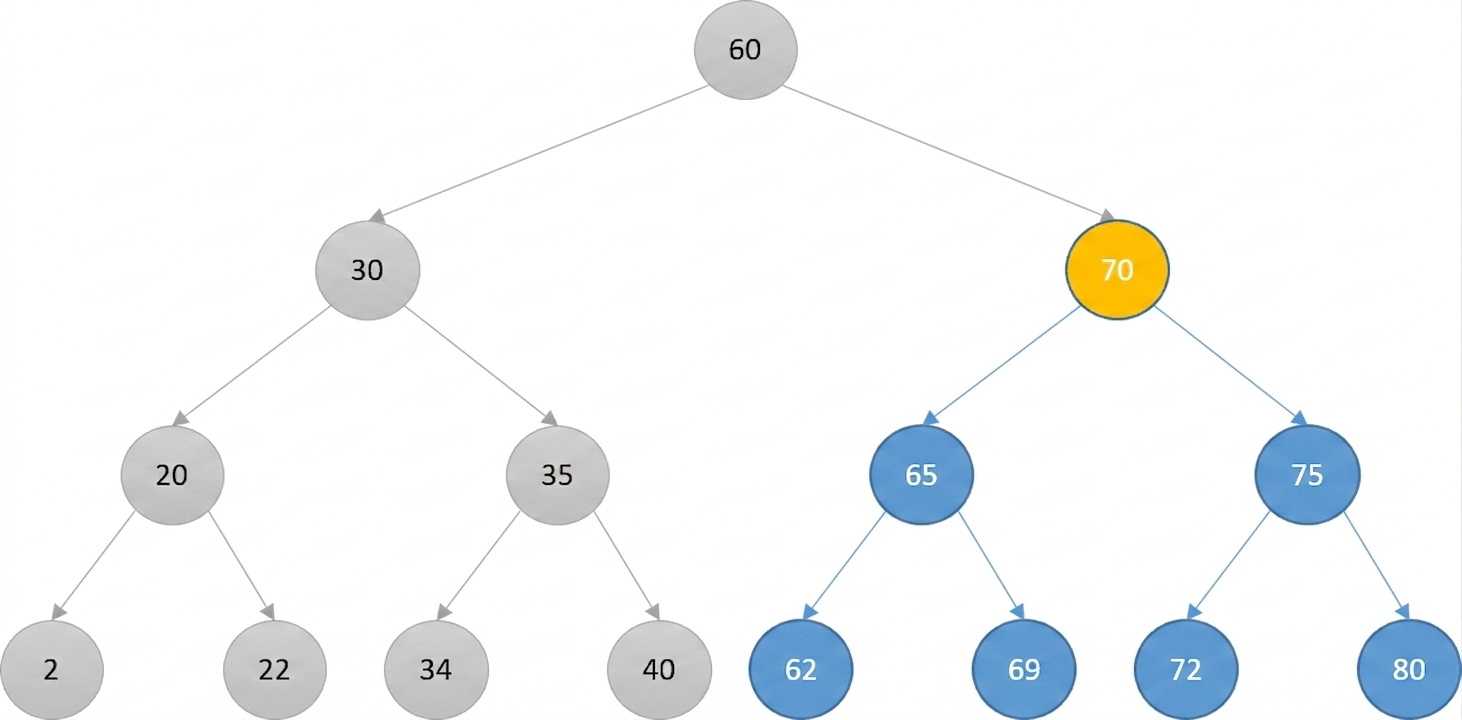
  • 查找 72

二叉搜索树的示意图,根节点及其左子树为灰色,右子树的第一个节点为黄色。

Python 中的数据结构与算法

查找

  • 查找 72

二叉搜索树示意图。最后一个根节点及其左子树为灰色,新根节点为黄色。

Python 中的数据结构与算法

查找

  • 查找 72

二叉搜索树示意图,新根节点为黄色,其余节点为灰色。

Python 中的数据结构与算法

查找

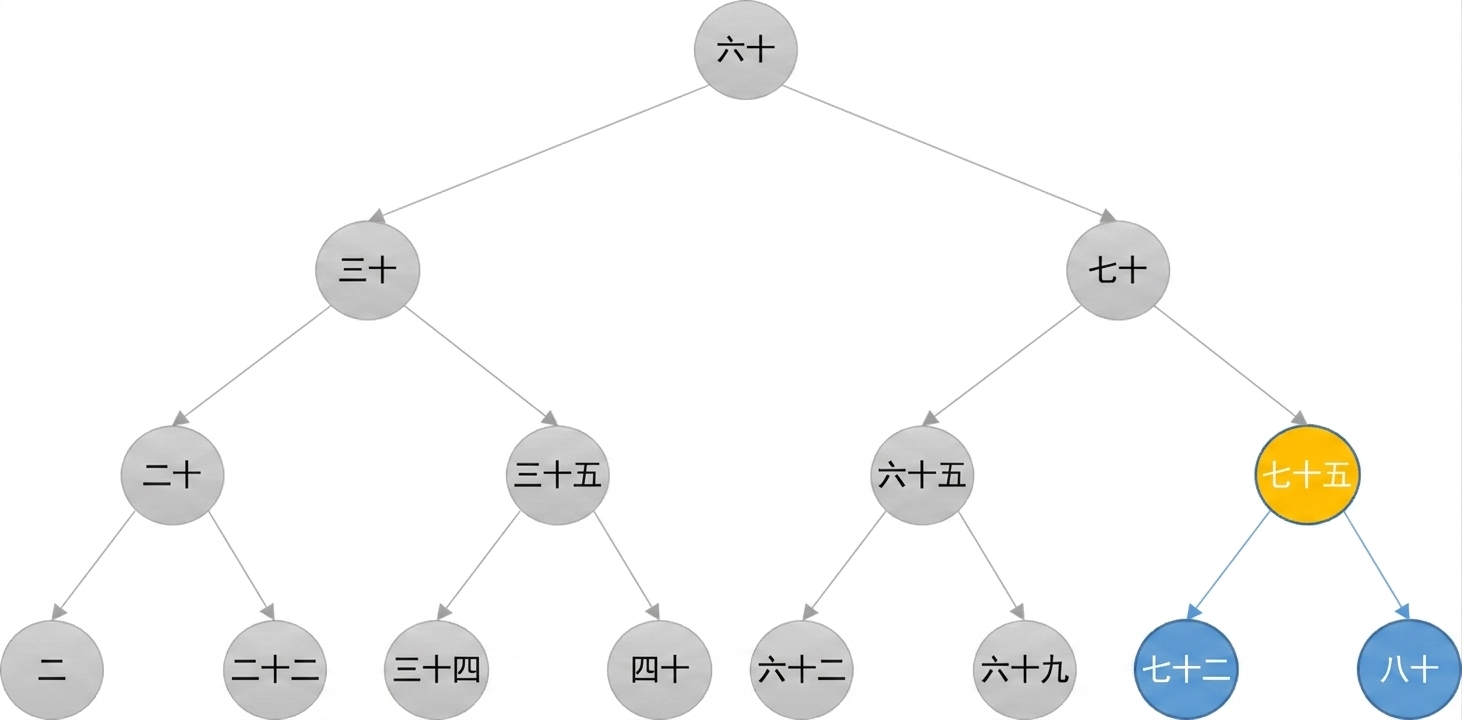
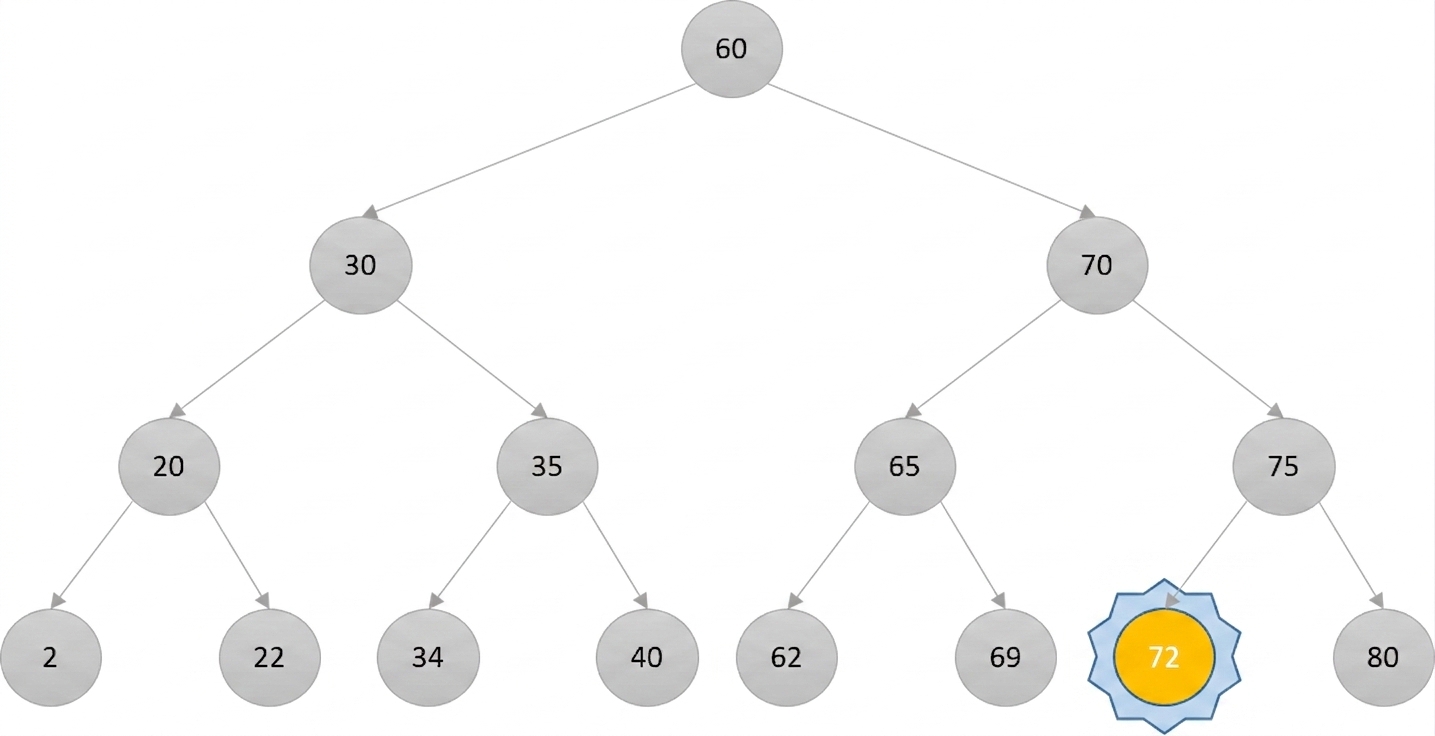
  • 查找 72

二叉搜索树示意图,新根节点为黄色,其余为灰色。标出的节点数字为 72。

Python 中的数据结构与算法

查找

def search(self, search_value):

current_node = self.root
while current_node:
if search_value == current_node.data:
return True
elif search_value < current_node.data:
current_node = current_node.left_child
else:
current_node = current_node.right_child
return False
Python 中的数据结构与算法

插入

def insert(self, data):

new_node = TreeNode(data)
if self.root == None:

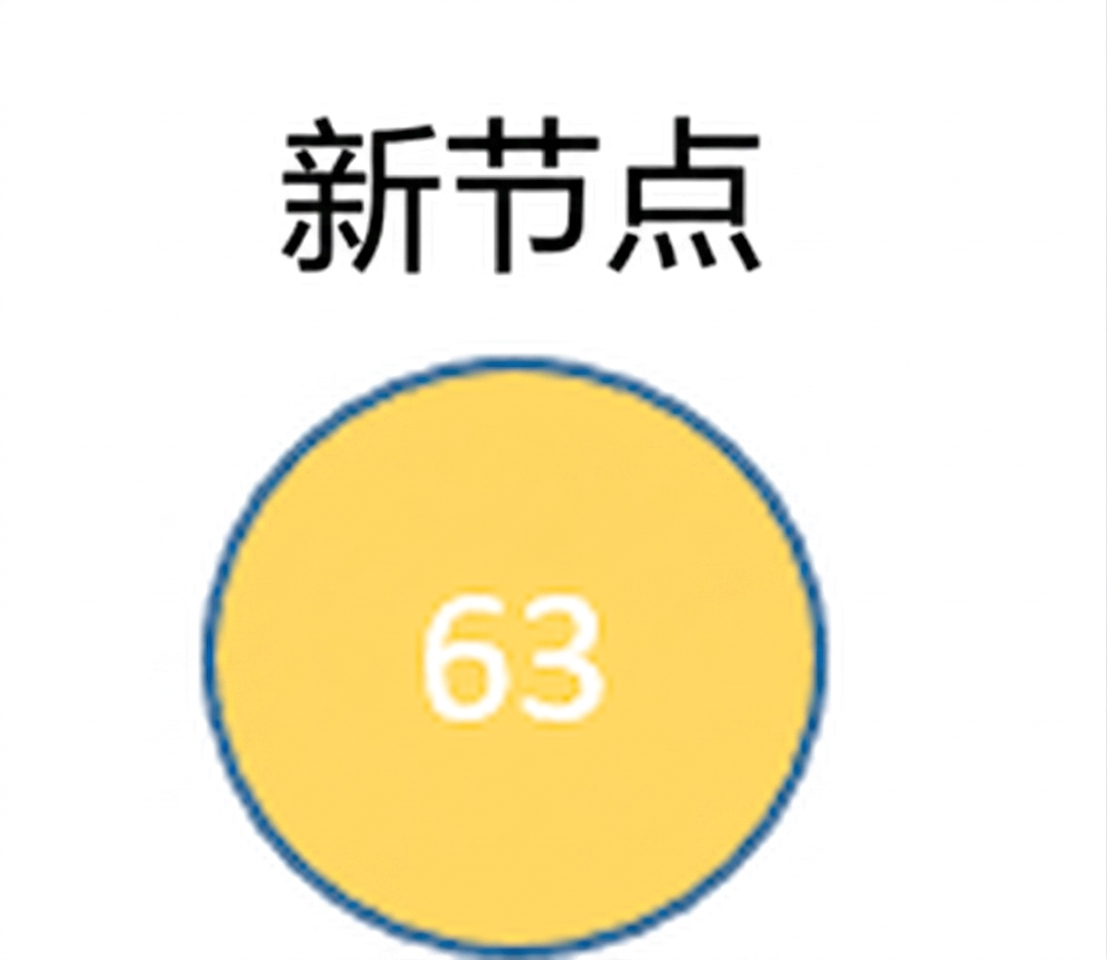
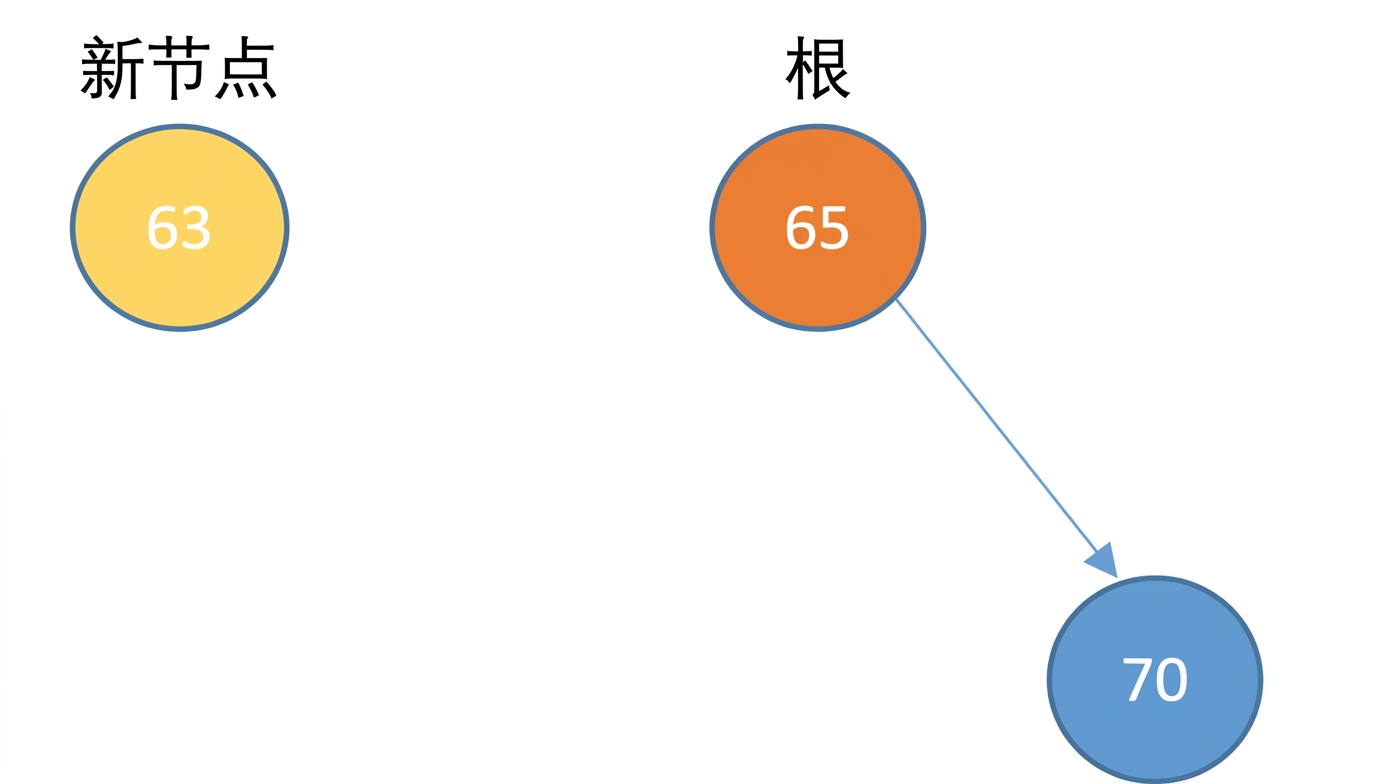
新节点的图示。

Python 中的数据结构与算法

插入

def insert(self, data):
  new_node = TreeNode(data)
  if self.root == None:
    self.root = new_node
    return


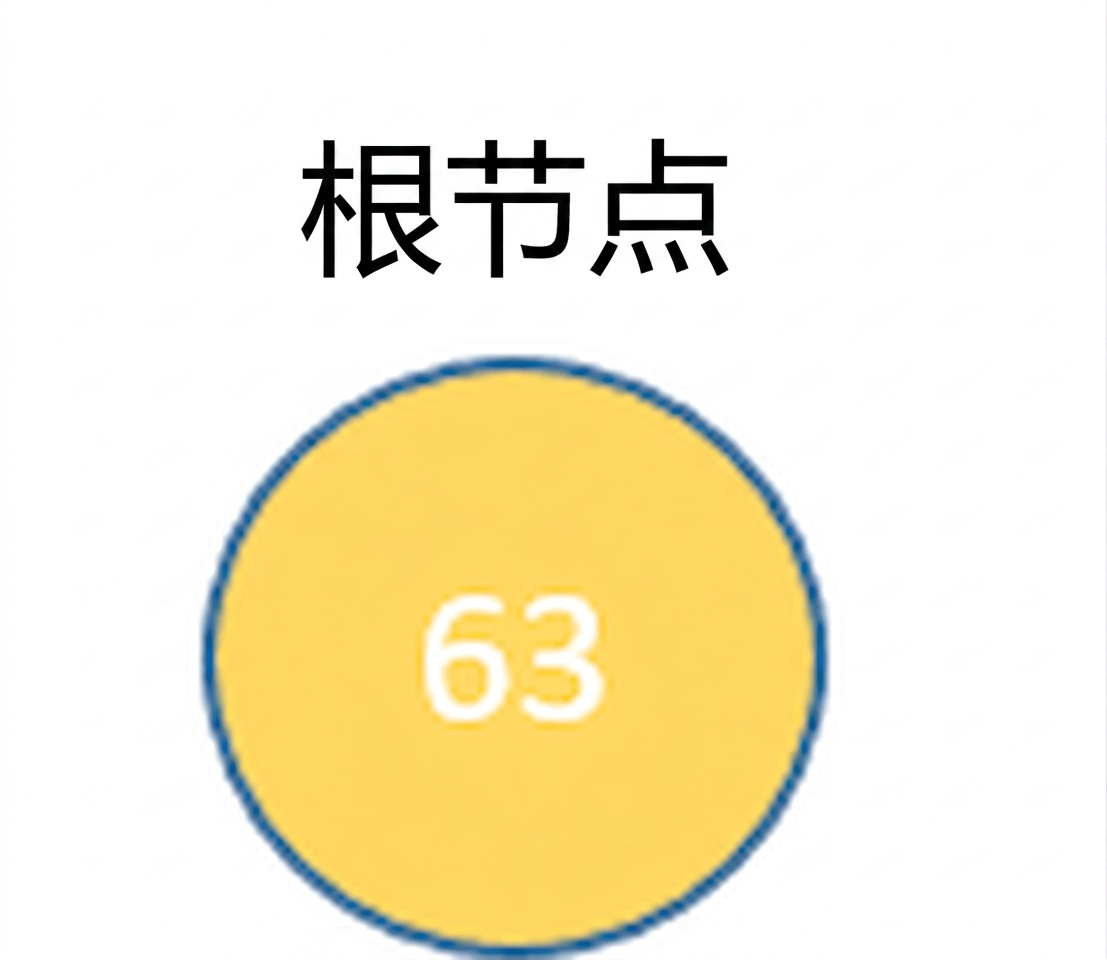
成为根节点的新节点图示。

Python 中的数据结构与算法

插入

def insert(self, data):
  new_node = TreeNode(data)
  if self.root == None:
    self.root = new_node
    return
  else:


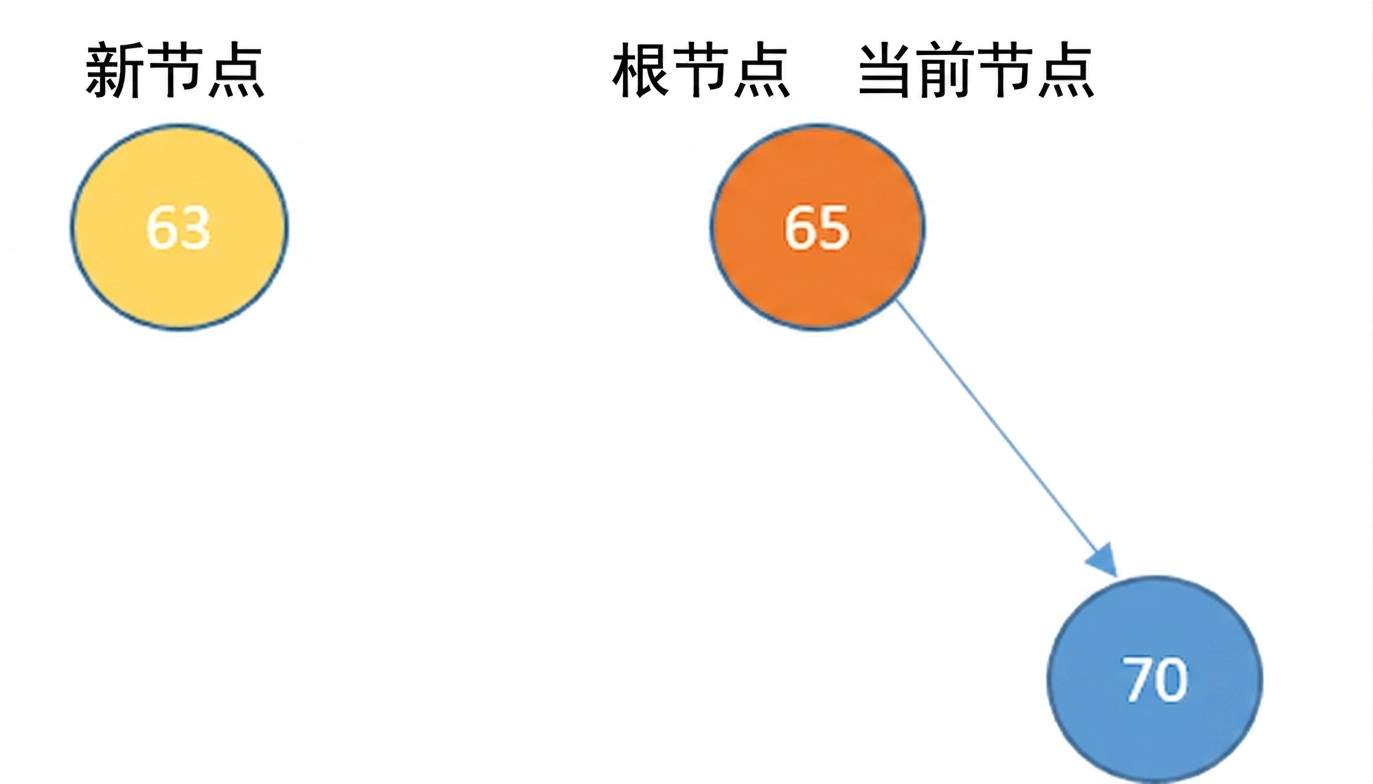
一个新节点与带右子节点的根节点的图示。

Python 中的数据结构与算法

插入

def insert(self, data):
  new_node = TreeNode(data)
  if self.root == None:
    self.root = new_node
    return
  else:
    current_node = self.root

while True:
if data < current_node.data:
if current_node.left_child == None:

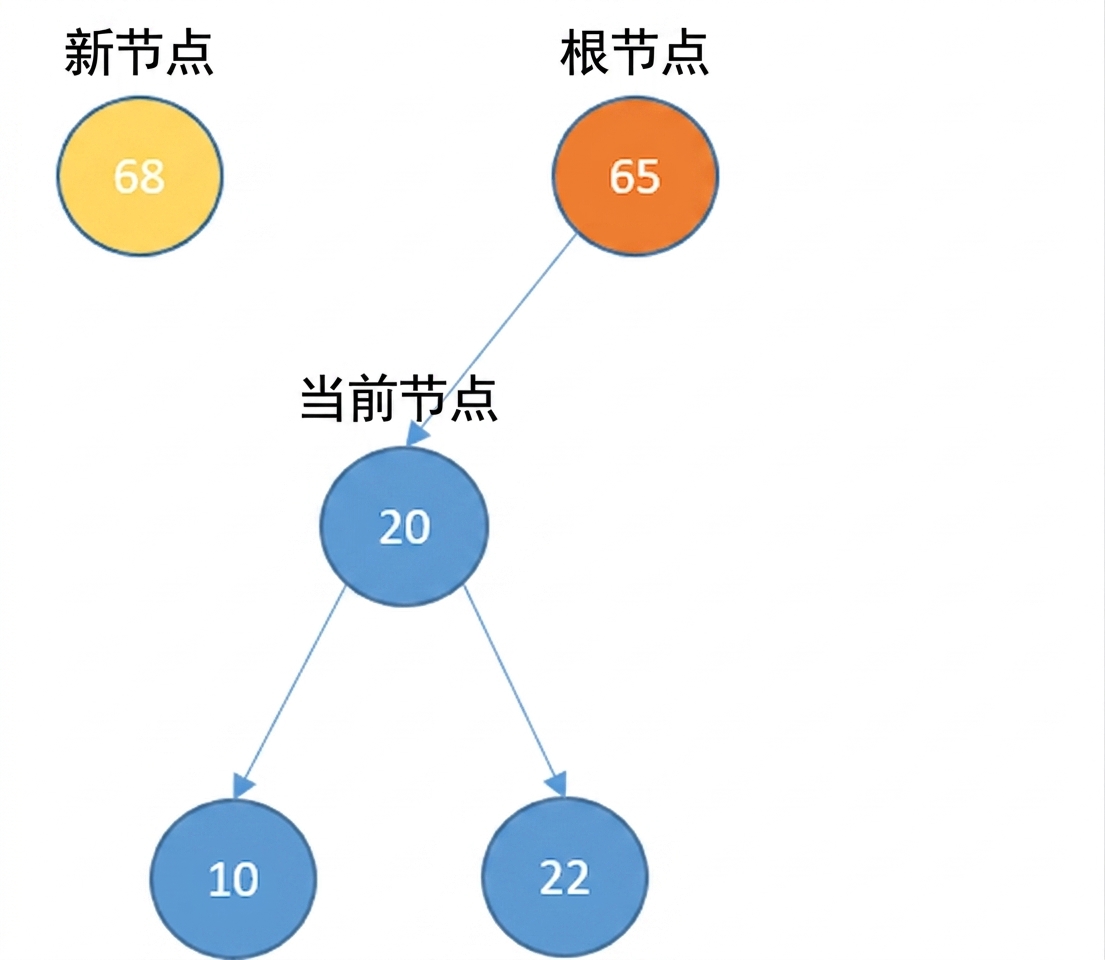
一个新节点与带右子节点的根节点的图示。current_node 为根节点。

Python 中的数据结构与算法

插入

def insert(self, data):
  new_node = TreeNode(data)
  if self.root == None:
    self.root = new_node
    return
  else:
    current_node = self.root
    while True:
      if data < current_node.data:
        if current_node.left_child == None:
          current_node.left_child = new_node
          return


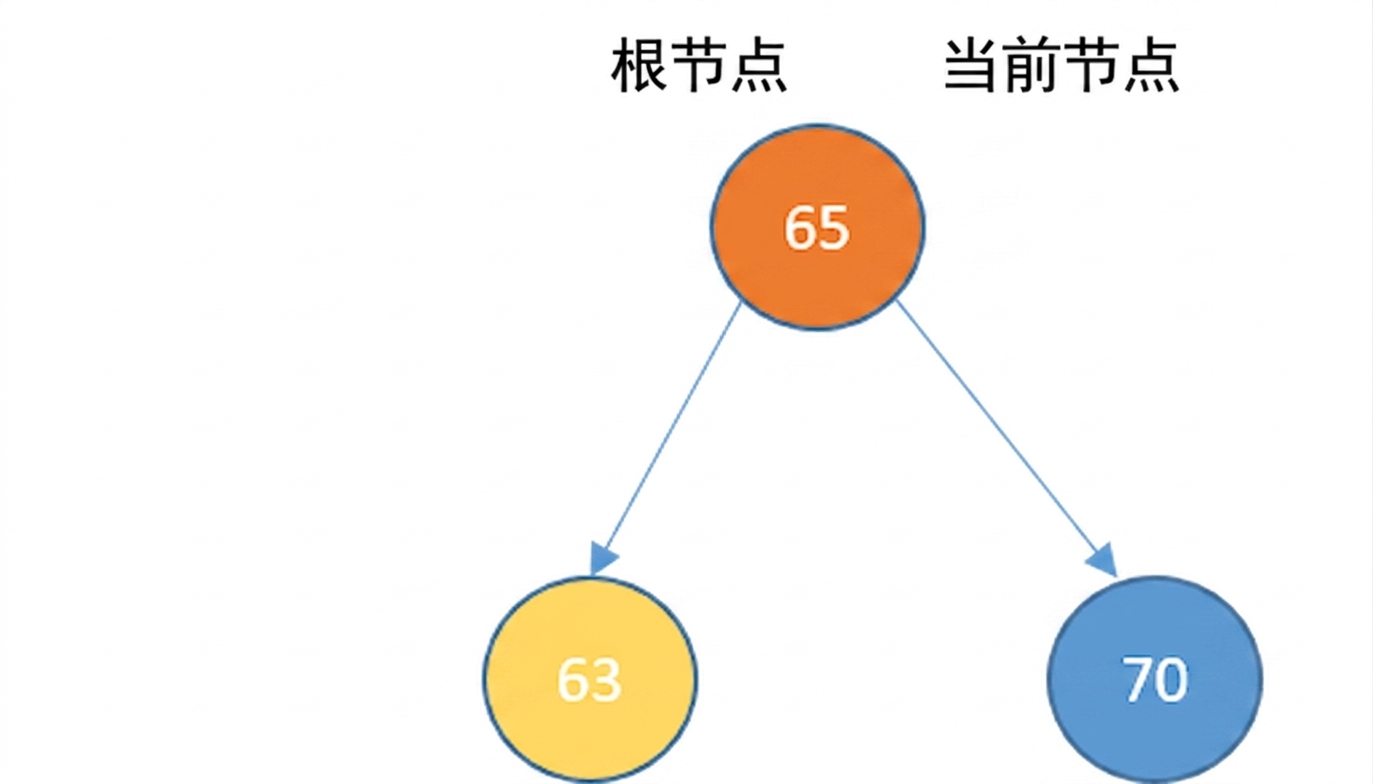
具有左右子节点的根节点图示。current_node 为根节点,新节点为其左子节点。

Python 中的数据结构与算法

插入

def insert(self, data):
  new_node = TreeNode(data)
  if self.root == None:
    self.root = new_node
    return
  else:
    current_node = self.root
    while True:
      if data < current_node.data:
        if current_node.left_child == None: 
          current_node.left_child = new_node
          return
        else:


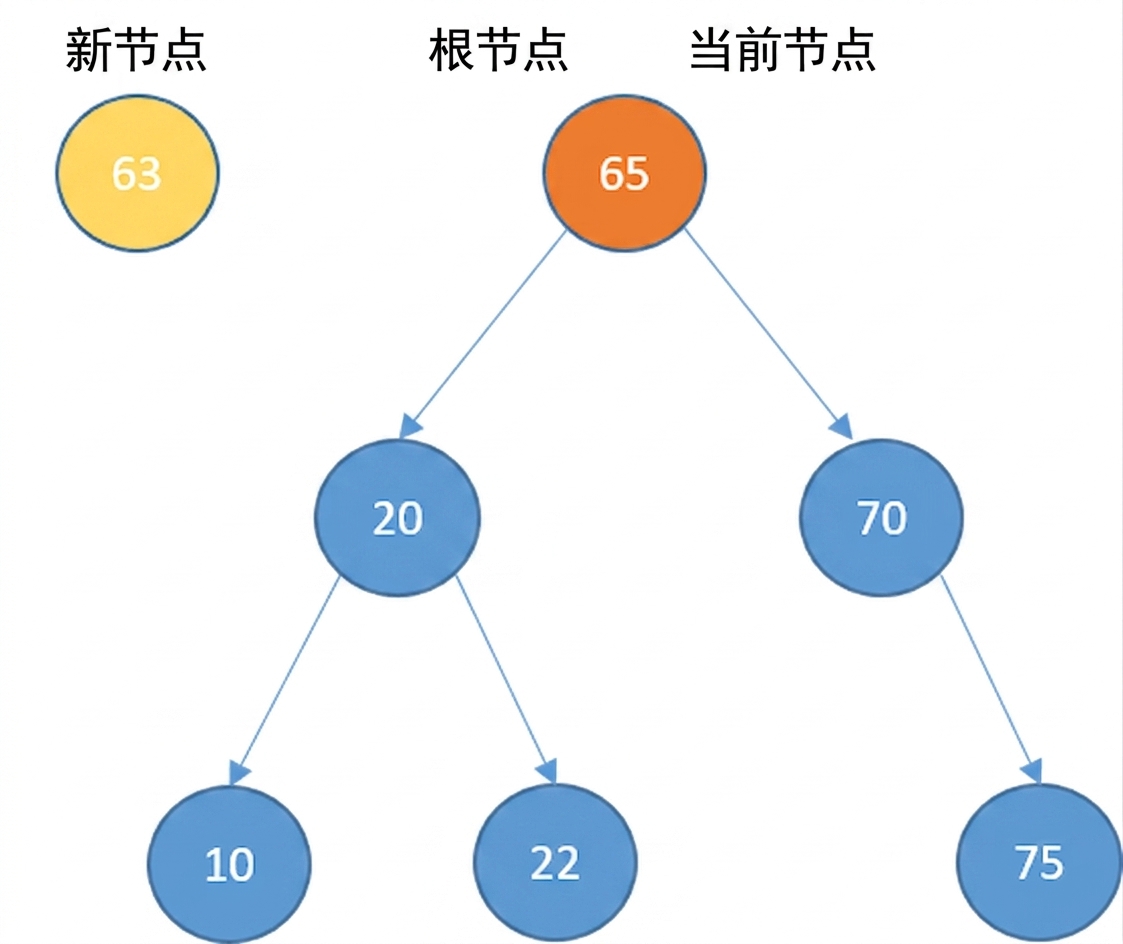
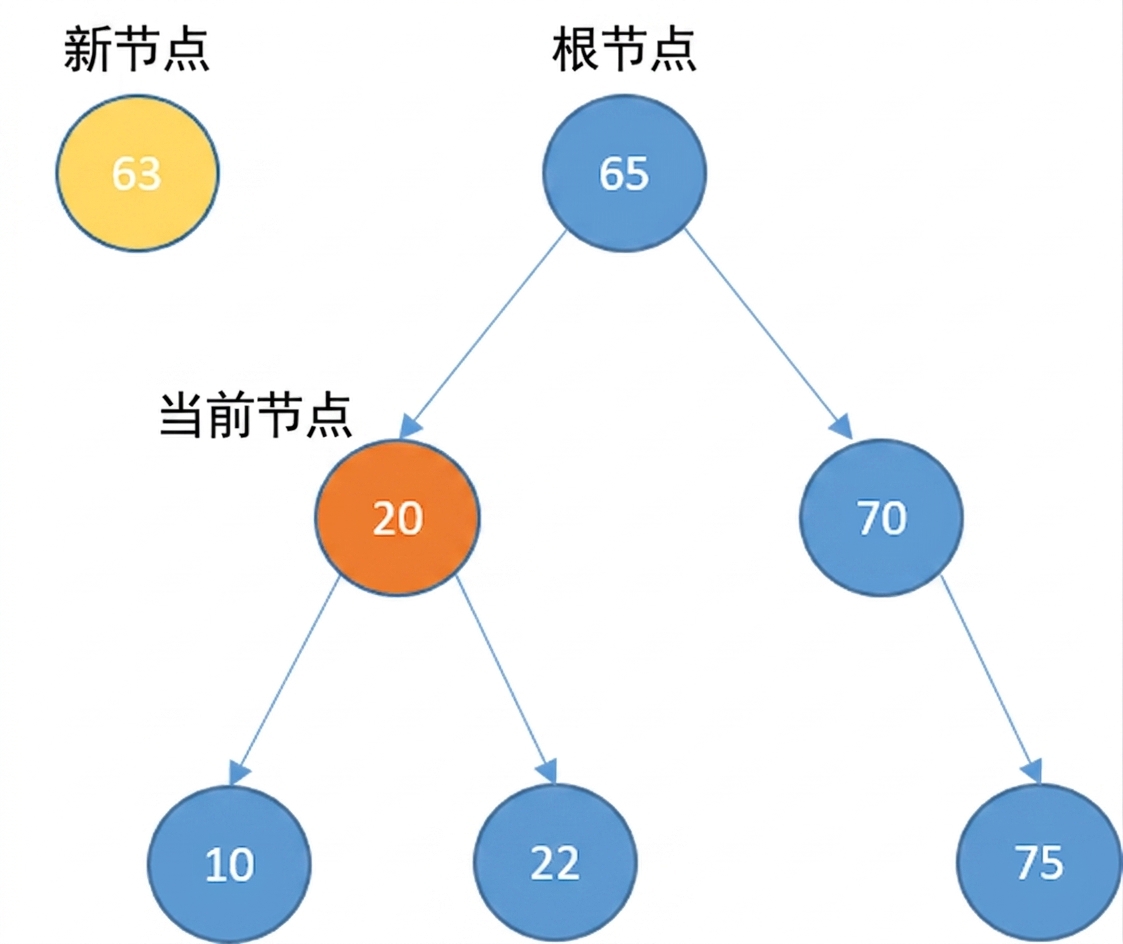
新节点与含一些元素的二叉搜索树图示。current_node 为根节点。

Python 中的数据结构与算法

插入

def insert(self, data):
  new_node = TreeNode(data)
  if self.root == None:
    self.root = new_node
    return
  else:
    current_node = self.root
    while True:
      if data < current_node.data:
        if current_node.left_child == None: 
          current_node.left_child = new_node
          return
        else:
          current_node = current_node.left_child           

新节点与含一些元素的二叉搜索树图示。current_node 为根的左子节点。

Python 中的数据结构与算法

插入

def insert(self, data):
  new_node = TreeNode(data)
  if self.root == None:
    self.root = new_node
    return
  else:
    current_node = self.root
    while True:
      if data < current_node.data:
        if current_node.left_child == None:
          current_node.left_child = new_node
          return
        else:
          current_node = current_node.left_child
      elif data > current_node.data:

if current_node.right_child == None:

带左子树的二叉搜索树图示。

Python 中的数据结构与算法

插入

def insert(self, data):
  new_node = TreeNode(data)
  if self.root == None:
    self.root = new_node
    return
  else:
    current_node = self.root
    while True:
      if data < current_node.data:
        if current_node.left_child == None:
          current_node.left_child = new_node
          return
        else:
          current_node = current_node.left_child
      elif data > current_node.data:
        if current_node.right_child == None:
          current_node.right_child = new_node
          return
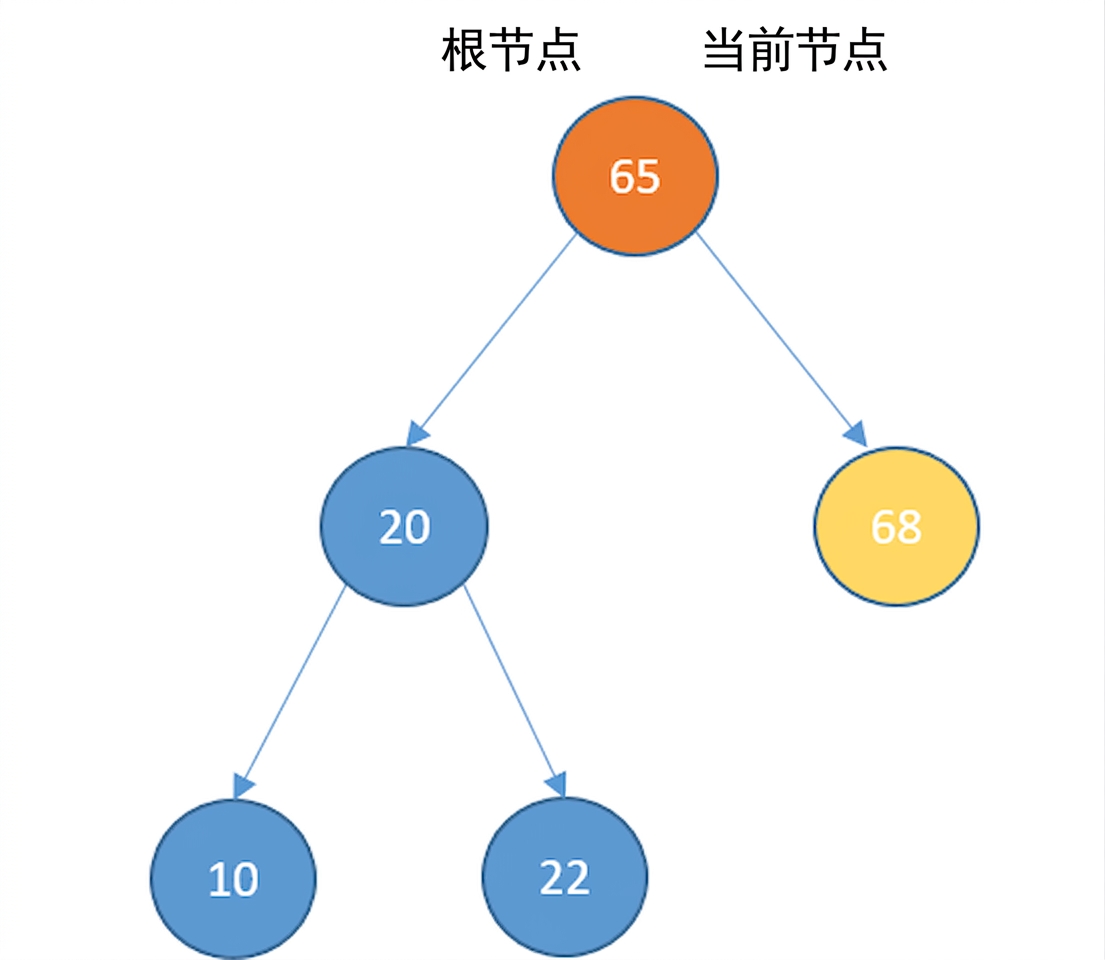

带左子树的二叉搜索树图示。新节点成为根的右子节点。

Python 中的数据结构与算法

插入

def insert(self, data):
  new_node = TreeNode(data)
  if self.root == None:
    self.root = new_node
    return
  else:
    current_node = self.root
    while True:
      if data < current_node.data:
        if current_node.left_child == None:
          current_node.left_child = new_node
          return
        else:
          current_node = current_node.left_child
      elif data > current_node.data:
        if current_node.right_child == None:
          current_node.right_child = new_node
          return
        else:

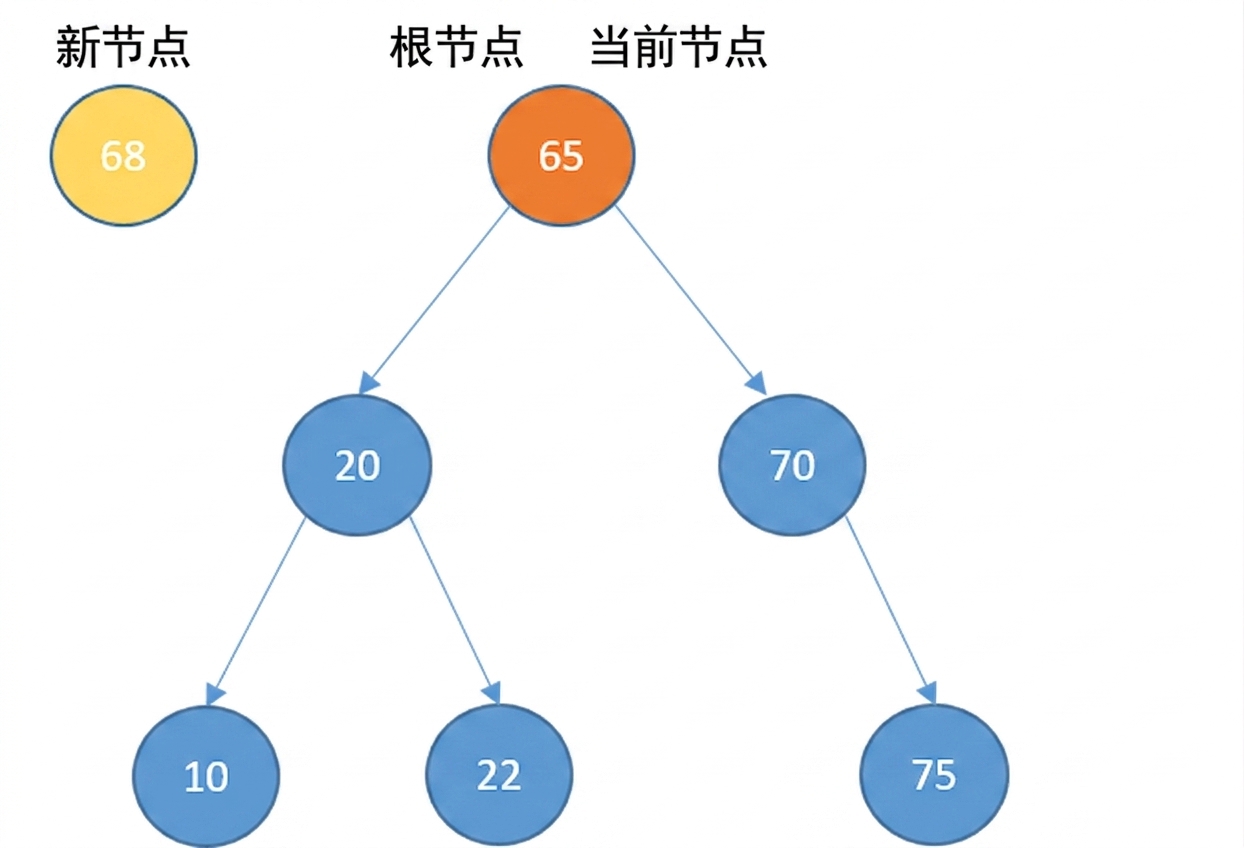
新节点与包含若干元素的二叉搜索树图示。

Python 中的数据结构与算法

插入

def insert(self, data):
  new_node = TreeNode(data)
  if self.root == None:
    self.root = new_node
    return
  else:
    current_node = self.root
    while True:
      if data < current_node.data:
        if current_node.left_child == None:
          current_node.left_child = new_node
          return
        else:
          current_node = current_node.left_child
      elif data > current_node.data:
        if current_node.right_child == None:
          current_node.right_child = new_node
          return
        else:
          current_node = current_node.right_child
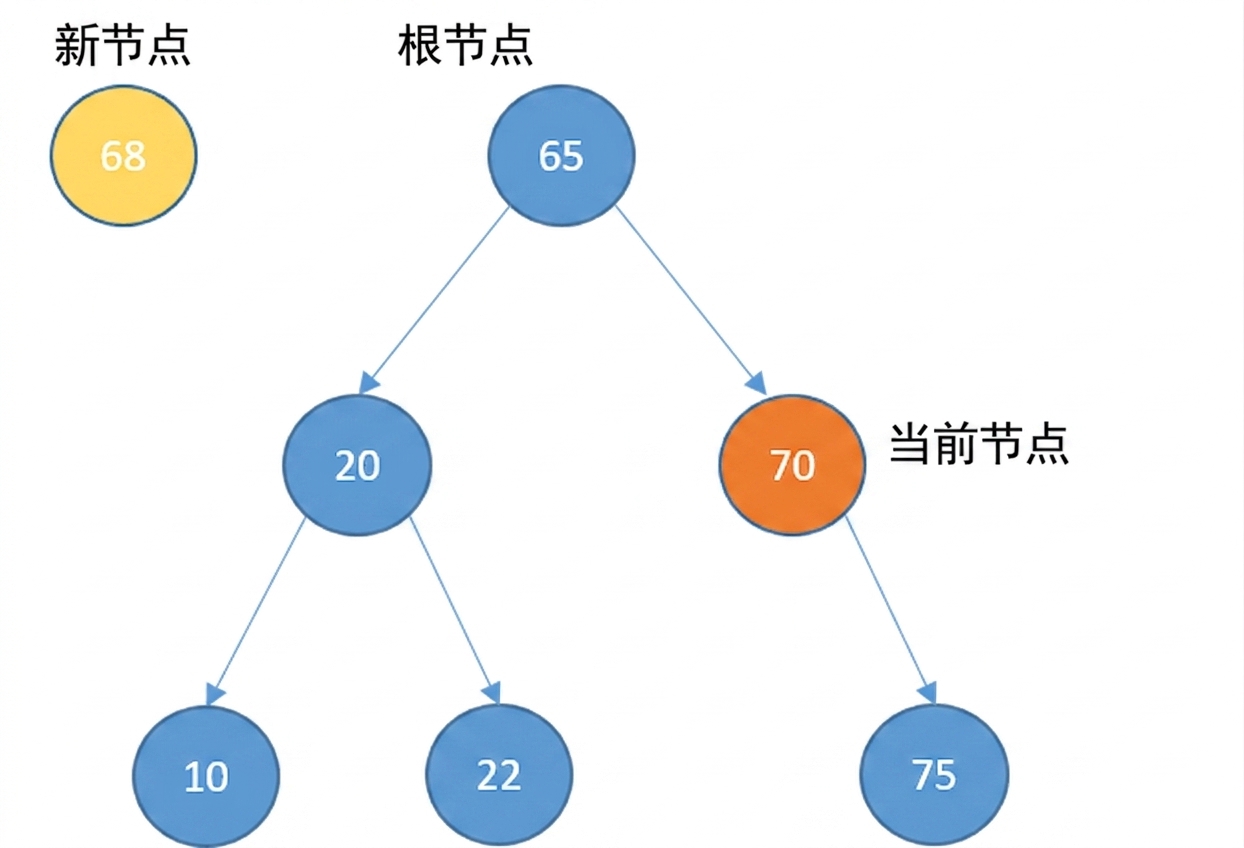
新节点与包含若干元素的二叉搜索树图示。current_node 为根的右子节点。

Python 中的数据结构与算法

插入

def insert(self, data):
  new_node = TreeNode(data)
  if self.root == None:
    self.root = new_node
    return
  else:
    current_node = self.root
    while True:
      if data < current_node.data:
        if current_node.left_child == None:
          current_node.left_child = new_node
          return 
        else:
          current_node = current_node.left_child
      elif data > current_node.data:
        if current_node.right_child == None:
          current_node.right_child = new_node
          return
        else:
          current_node = current_node.right_child
新节点与包含若干元素的二叉搜索树图示。current_node 为根的右子节点,新节点为 current_node 的左子节点。

Python 中的数据结构与算法

删除

  • 无子节点

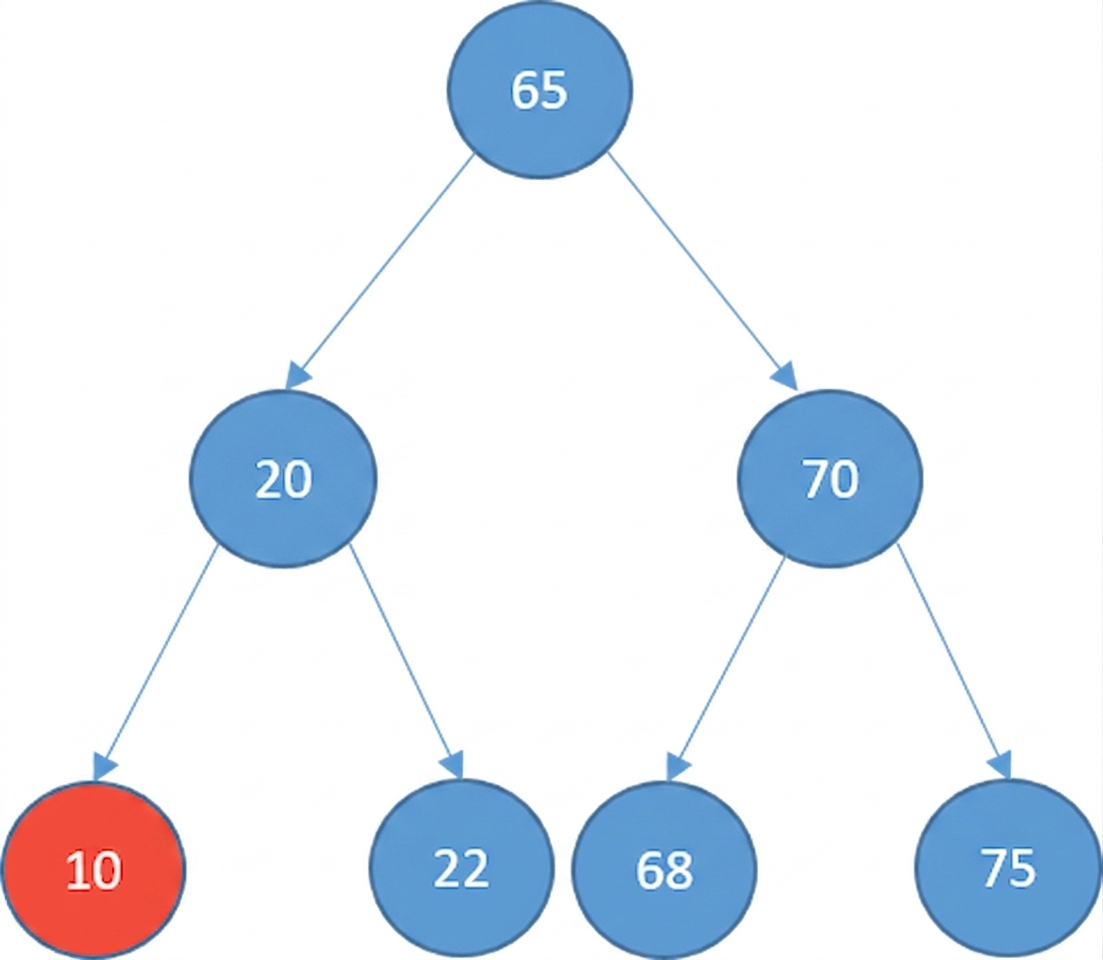
含若干元素的二叉搜索树图示。将被删除的节点为红色,无子节点。

Python 中的数据结构与算法

删除

  • 无子节点
    • 直接删除

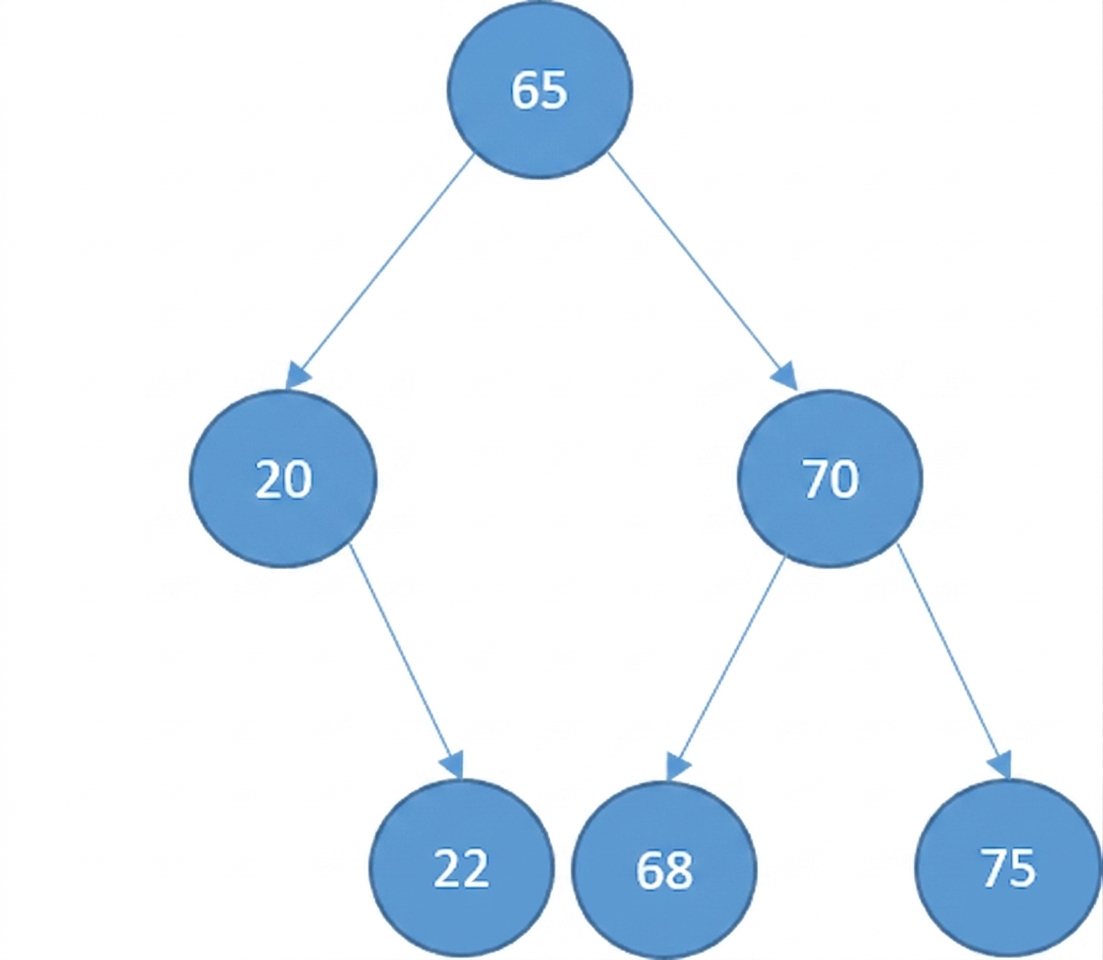
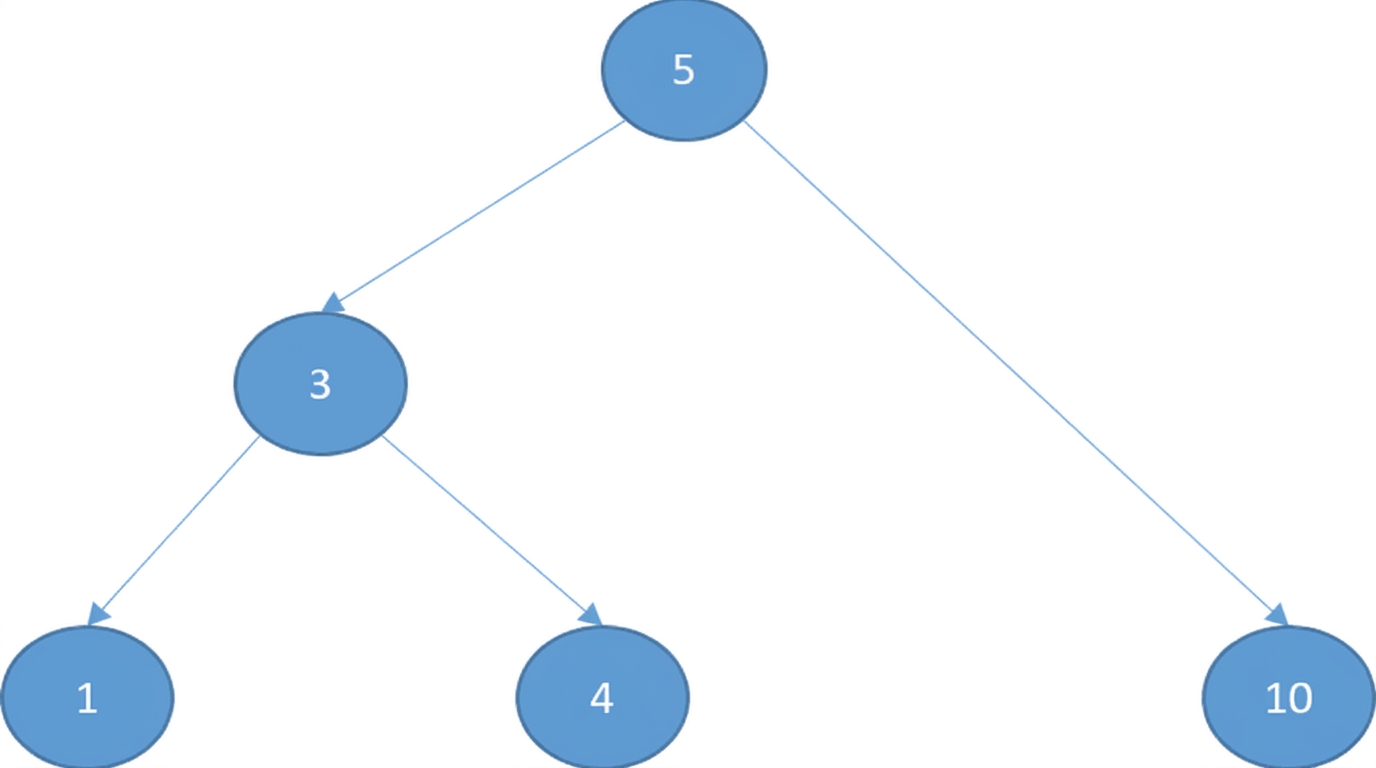
含若干元素的二叉搜索树图示。要删除的节点已从树中消失。

Python 中的数据结构与算法

删除

  • 有一个子节点

含若干元素的二叉搜索树图示。将被删除的节点为红色,且有右子节点。

Python 中的数据结构与算法

删除

  • 有一个子节点
    • 删除该节点
    • 将其子节点与其父节点相连

含若干元素的二叉搜索树图示。被删除的节点已消失,根节点指向其右子节点。

Python 中的数据结构与算法

删除

  • 有一个子节点
    • 删除该节点
    • 将其子节点与其父节点相连

二叉搜索树示意图。

Python 中的数据结构与算法

删除

  • 有两个子节点

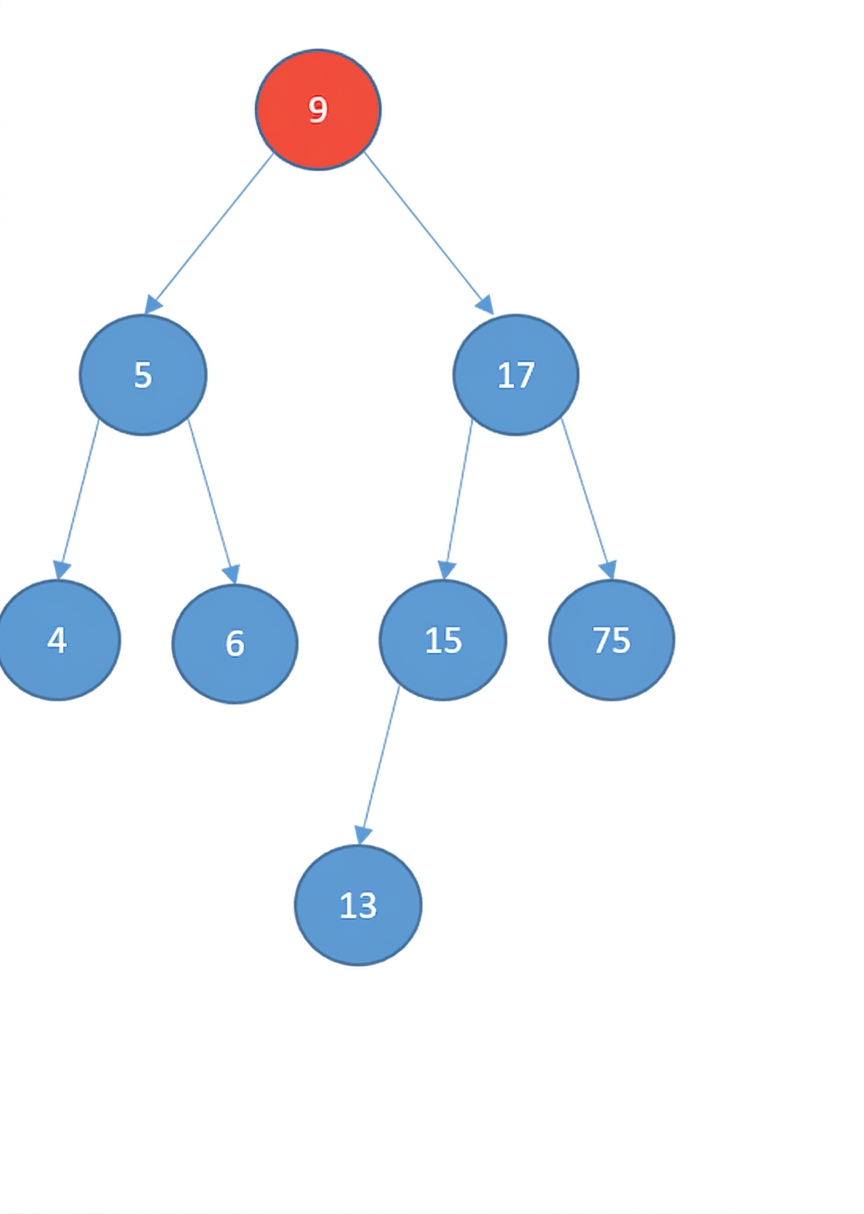
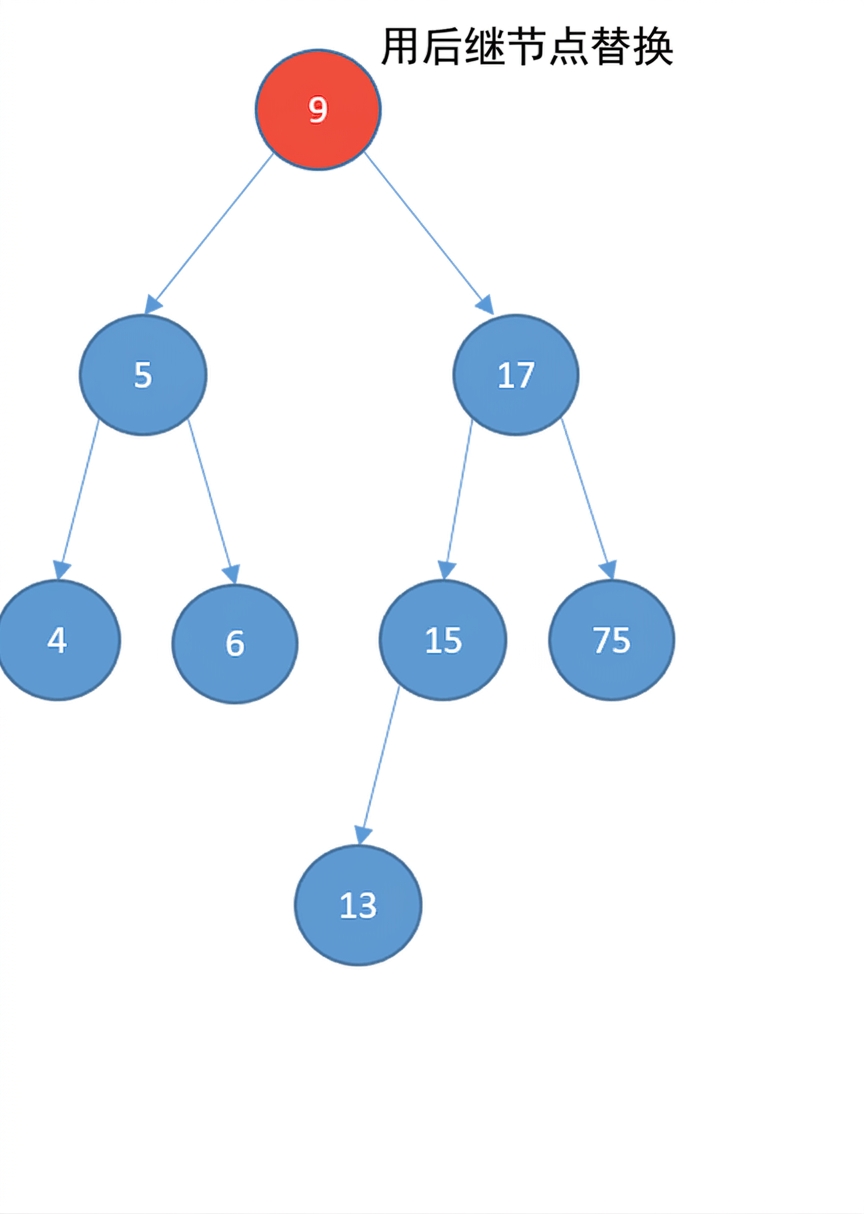
二叉搜索树图示,根节点将被删除并标为红色。

Python 中的数据结构与算法

删除

  • 有两个子节点
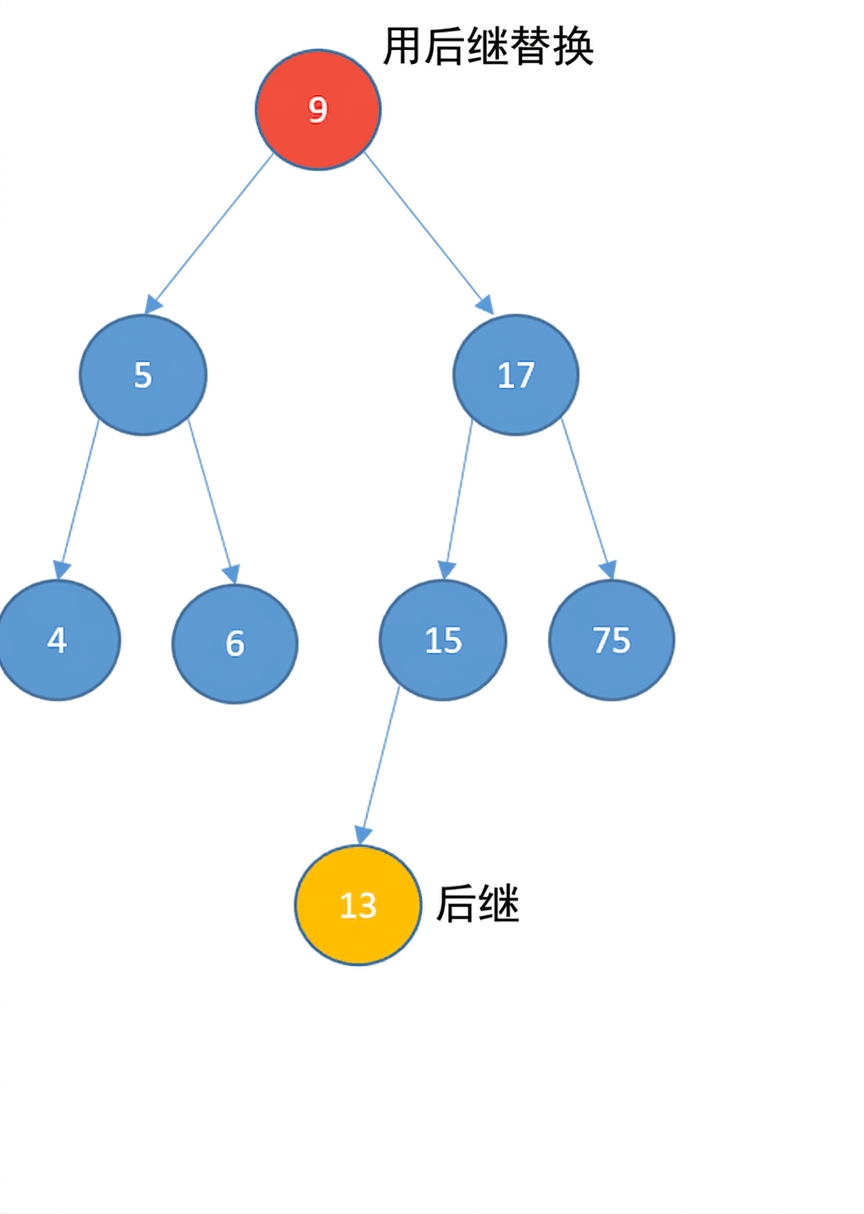
    • 用其后继替换
      • 比该节点值更大且最小的节点
    • 寻找后继:

二叉搜索树图示,根节点将被删除并标为红色。

Python 中的数据结构与算法

删除

  • 有两个子节点
    • 用其后继替换
      • 比该节点值更大且最小的节点
    • 寻找后继:
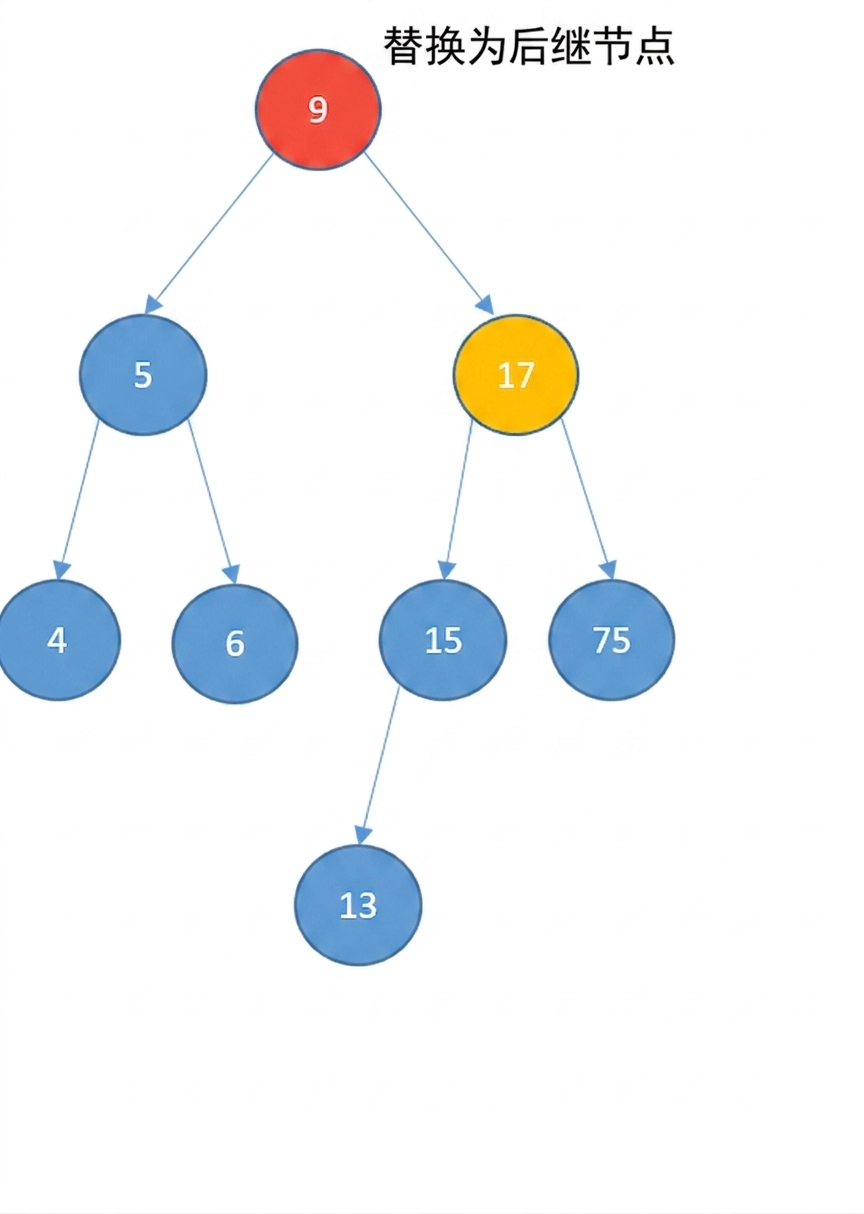
      • 访问右子节点

二叉搜索树图示,根节点将被删除并标为红色。根的右子节点为黄色。

Python 中的数据结构与算法

删除

  • 有两个子节点
    • 用其后继替换
      • 比该节点值更大且最小的节点
    • 寻找后继:
      • 访问右子节点
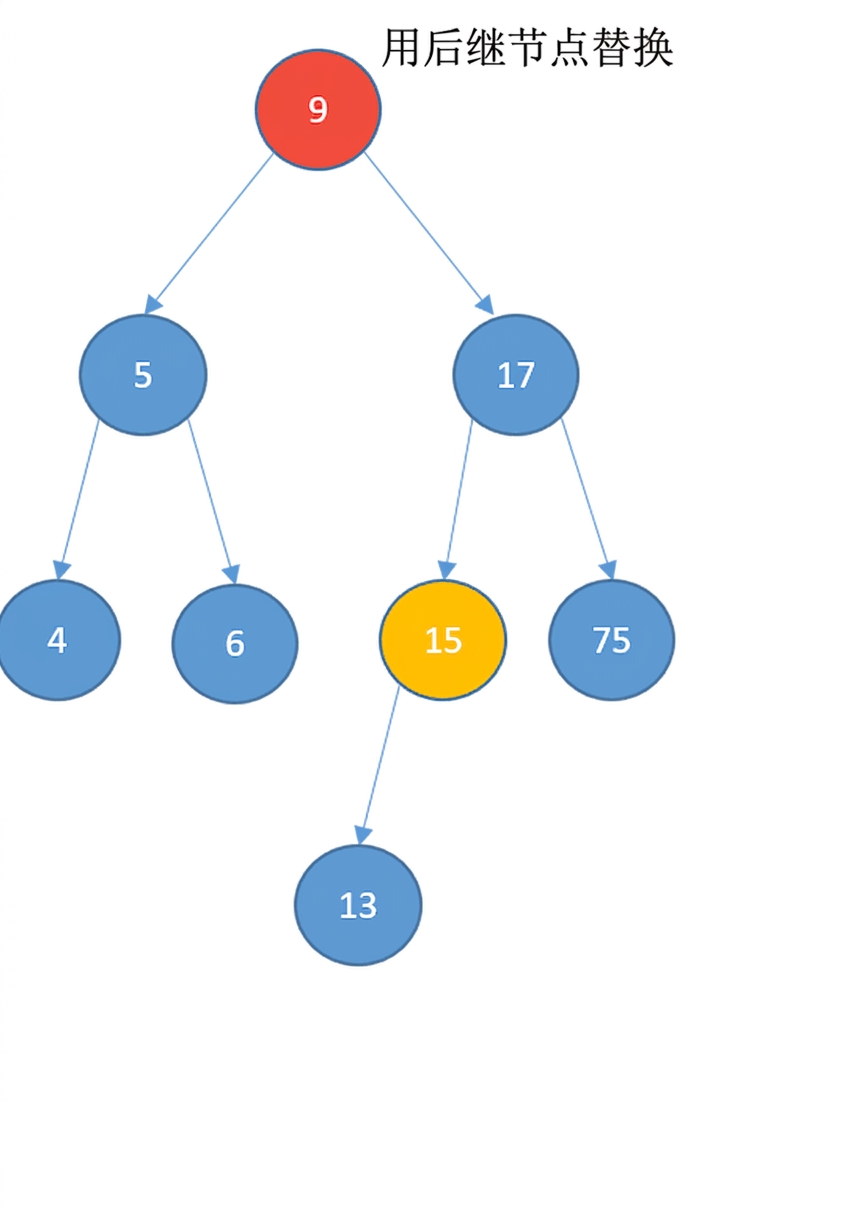
      • 不断向左直到末端

二叉搜索树图示,根节点将被删除并标为红色。另一个节点为黄色以寻找后继。

Python 中的数据结构与算法

删除

  • 有两个子节点
    • 用其后继替换
      • 比该节点值更大且最小的节点
    • 寻找后继:
      • 访问右子节点
      • 不断向左直到末端

二叉搜索树图示,根节点将被删除并标为红色。另一个节点为黄色以寻找后继。

Python 中的数据结构与算法

删除

  • 有两个子节点
    • 用其后继替换
      • 比该节点值更大且最小的节点
    • 寻找后继:
      • 访问右子节点
      • 不断向左直到末端

二叉搜索树图示,根节点将被删除并标为红色。另一个节点为黄色以寻找后继。已找到后继,为数字 13。

Python 中的数据结构与算法

删除

  • 有两个子节点
    • 用其后继替换
      • 比该节点值更大且最小的节点
    • 寻找后继:
      • 访问右子节点
      • 不断向左直到末端

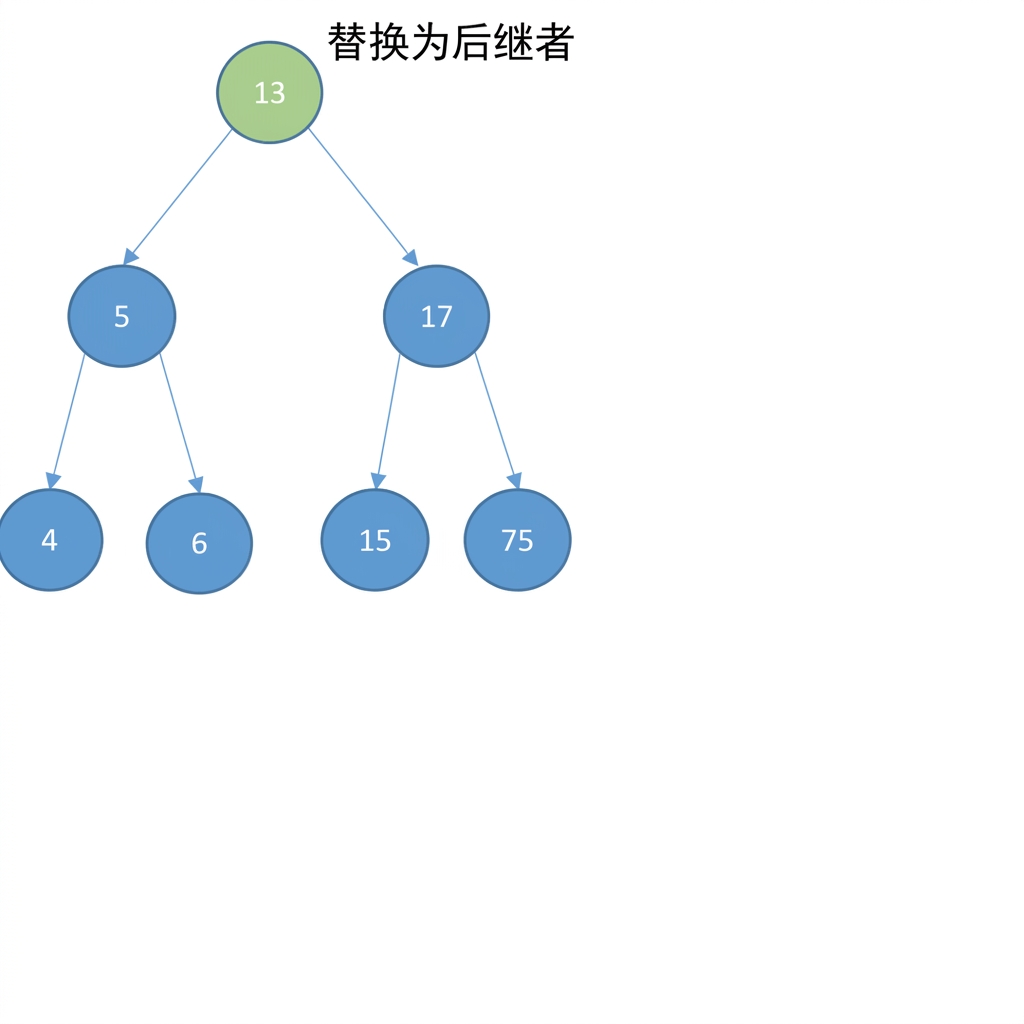
二叉搜索树图示。根节点已被后继替换。

Python 中的数据结构与算法

删除

  • 有两个子节点
    • 用其后继替换
      • 比该节点值更大且最小的节点
    • 寻找后继:
      • 访问右子节点
      • 不断向左直到末端
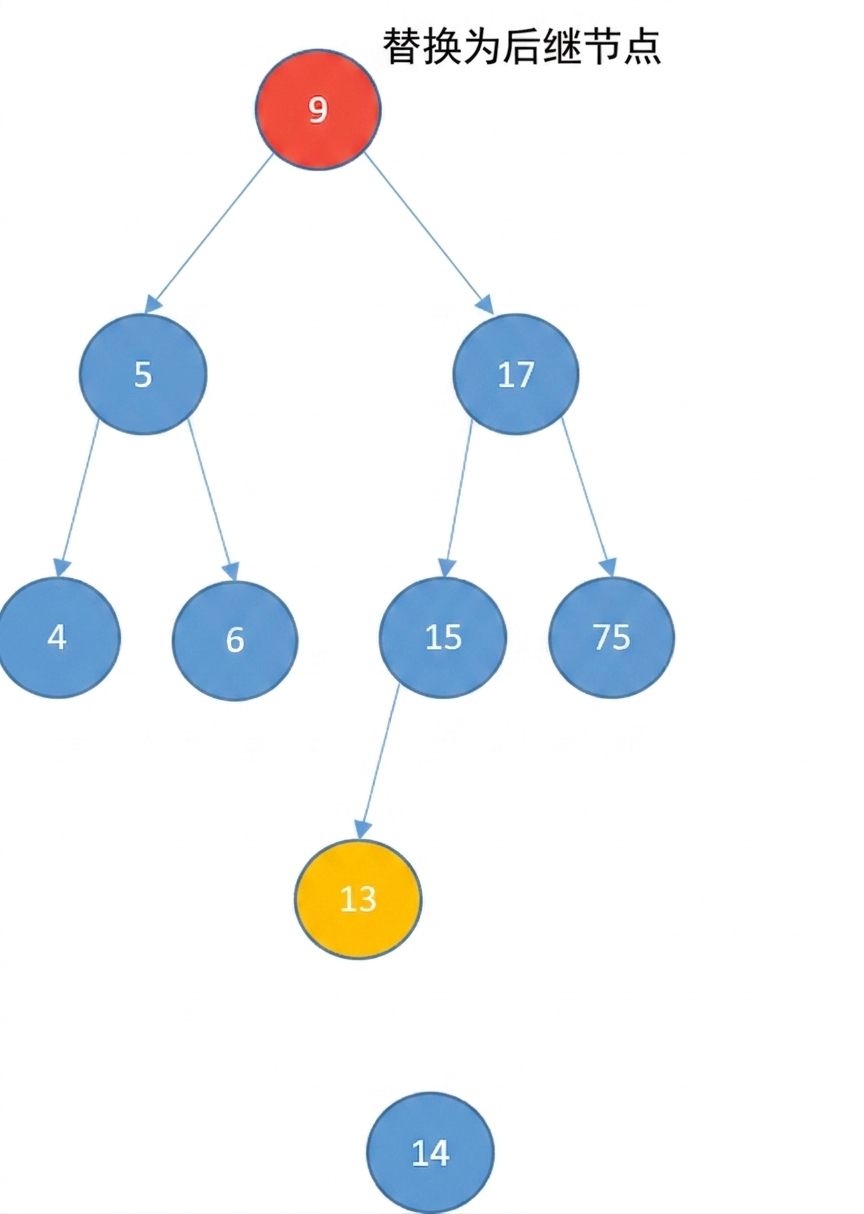
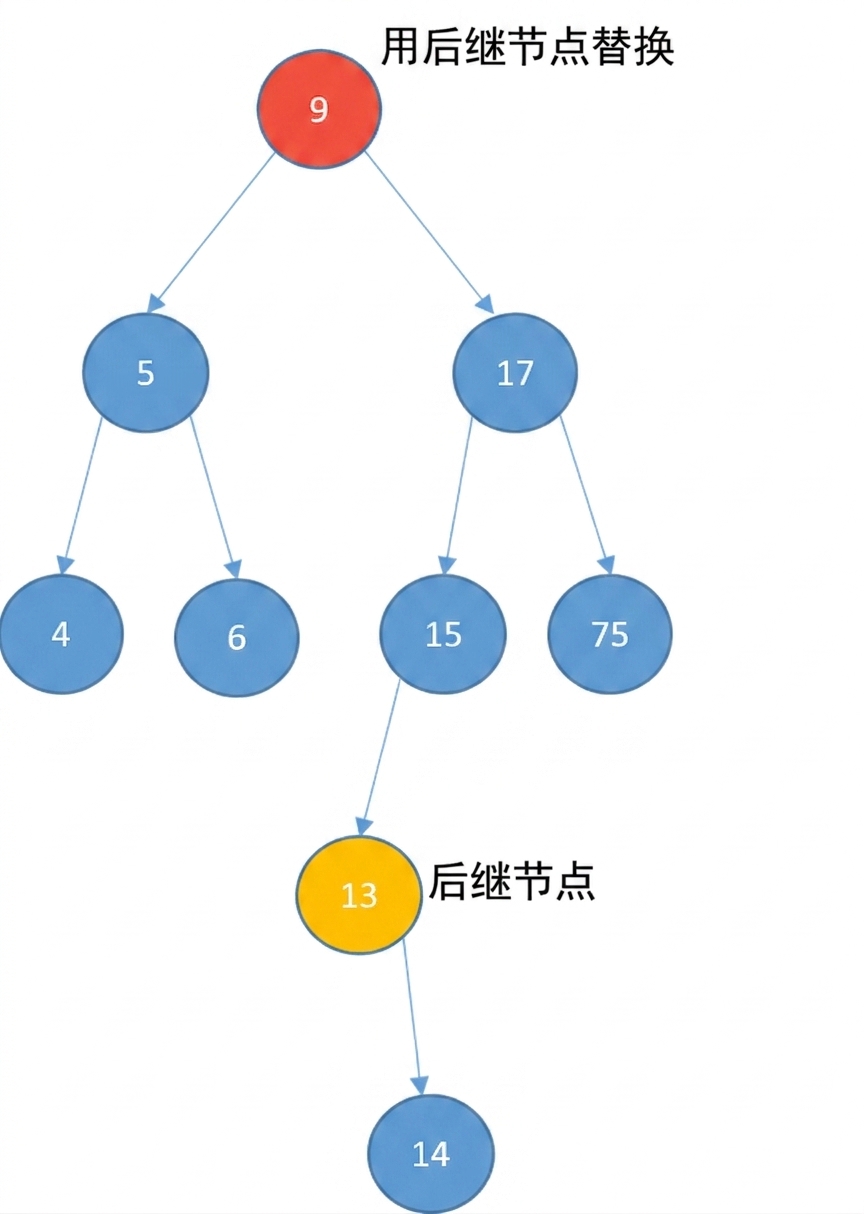
      • 若后继有右子节点:

二叉搜索树图示,后继节点有右子节点。

Python 中的数据结构与算法

删除

  • 有两个子节点
    • 用其后继替换
      • 比该节点值更大且最小的节点
    • 寻找后继:
      • 访问右子节点
      • 不断向左直到末端
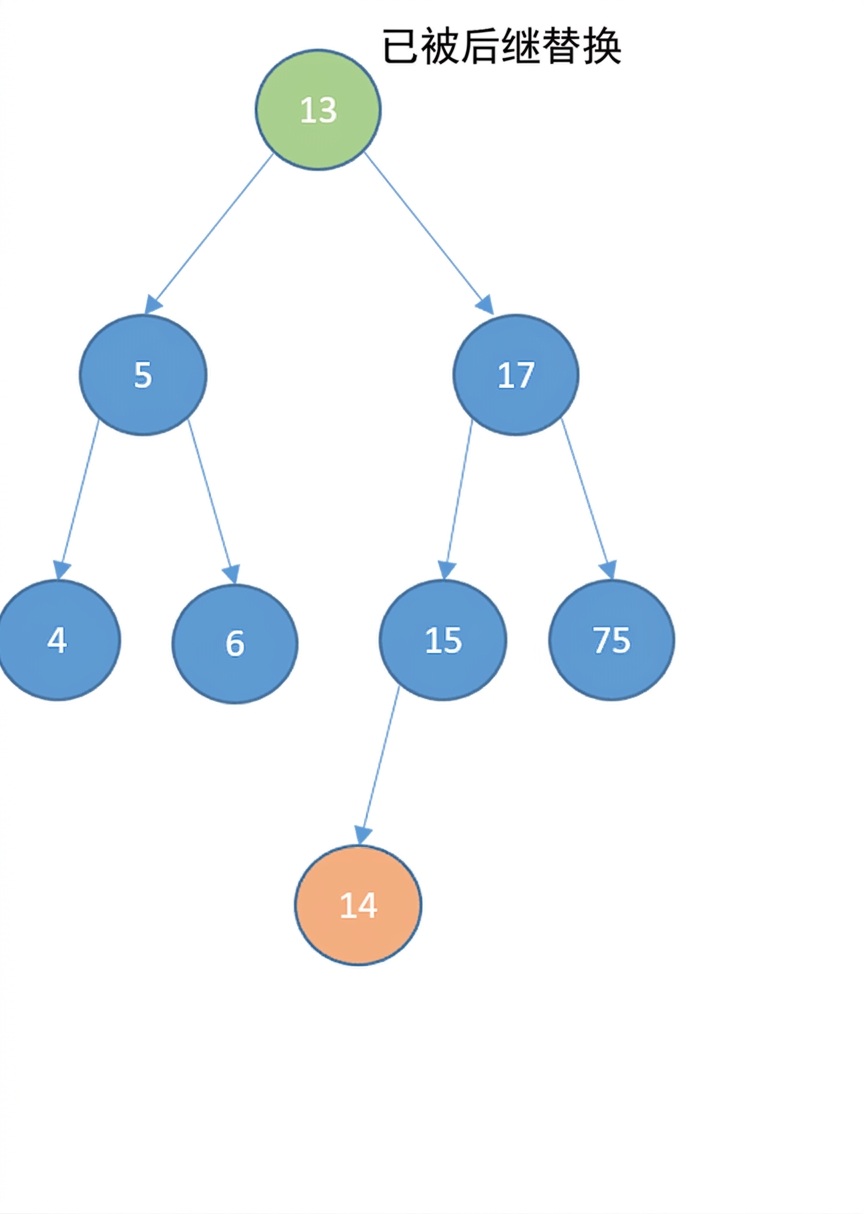
      • 若后继有右子节点:
        • 该子节点成为后继父节点的左子节点。

二叉搜索树图示,后继节点曾有右子节点。该子节点已成为后继父节点的左子节点,根已替换为后继。

Python 中的数据结构与算法

用途

  • 高效有序地存储列表
  • 查找比数组和链表快得多
  • 插入和删除比数组快得多
  • 用于实现更高级的数据结构:
    • 动态集合
    • 查找表
    • 优先队列
Python 中的数据结构与算法

开始练习吧!

Python 中的数据结构与算法

Preparing Video For Download...