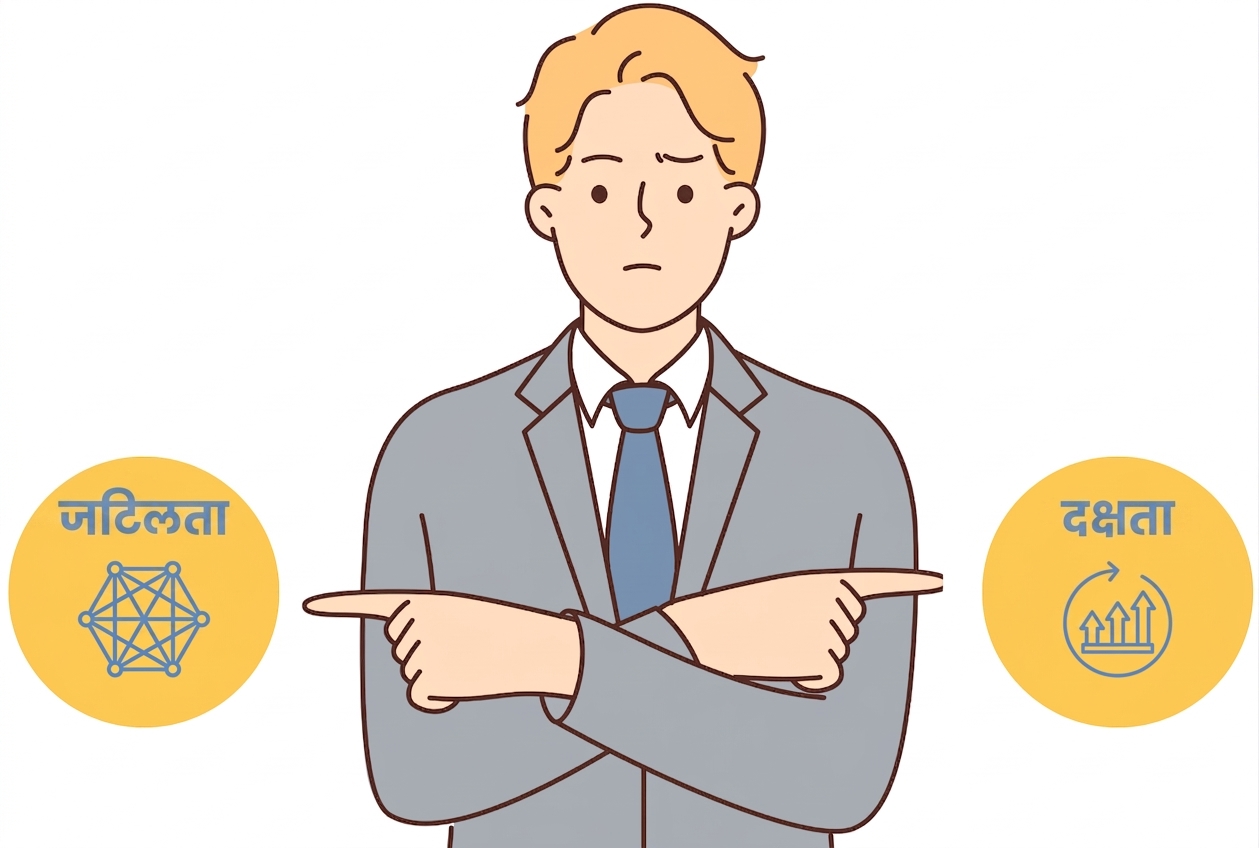
हिडन लेयर्स और पैरामीटर्स
PyTorch के साथ Deep Learning परिचय

Jasmin Ludolf
Senior Data Science Content Developer, DataCamp
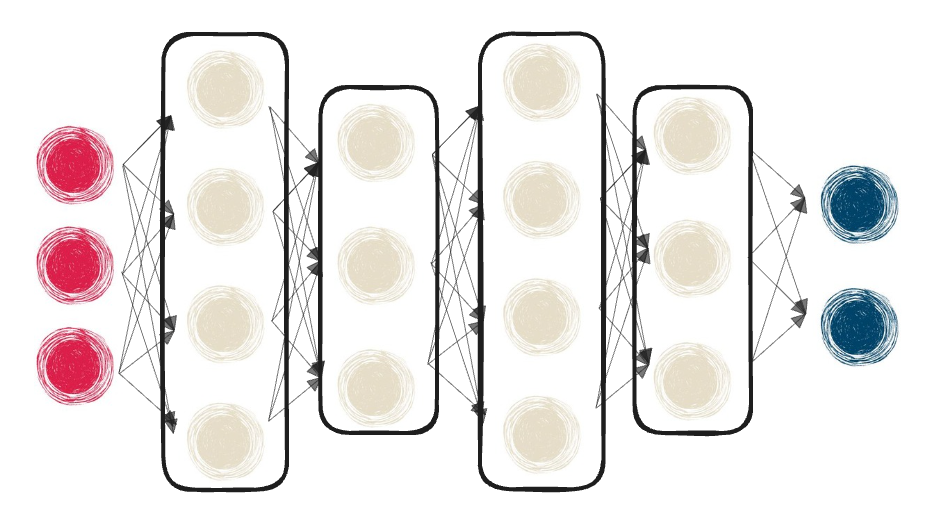
लेयर्स जोड़ना
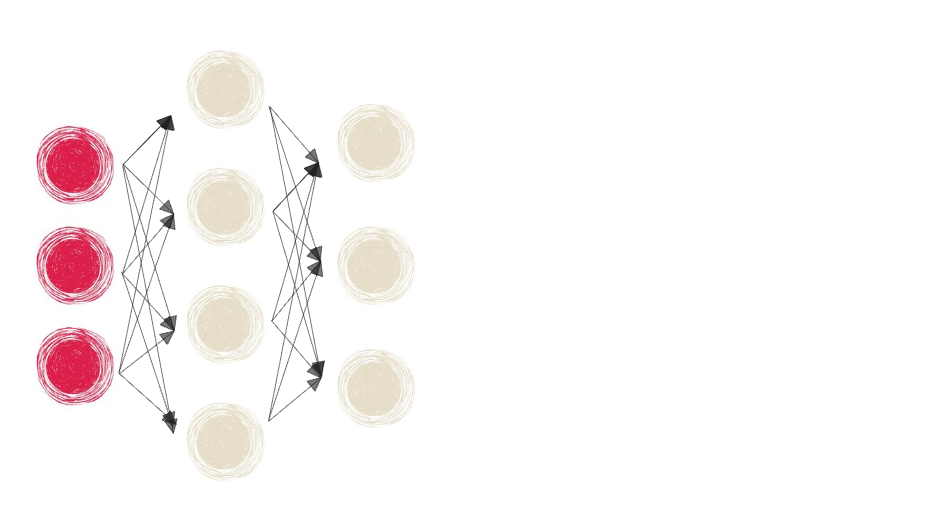
लेयर्स जोड़ना
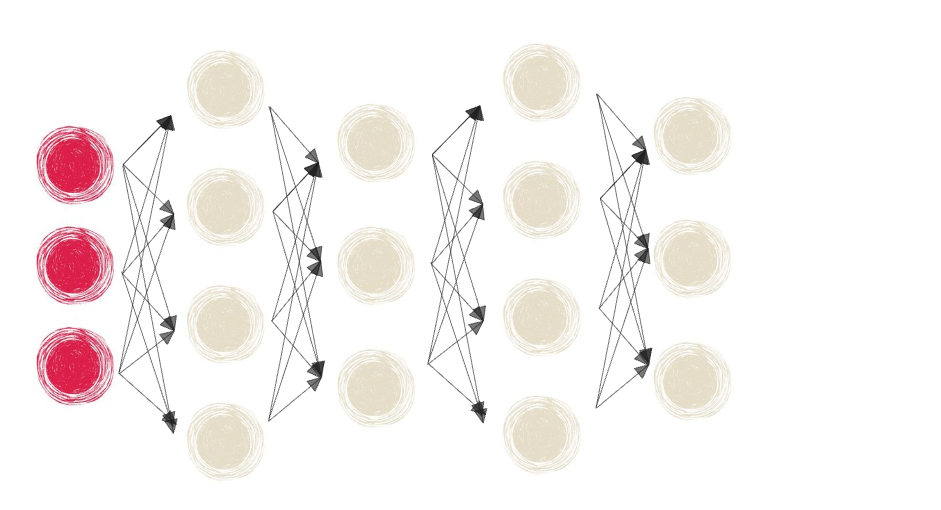
लेयर्स जोड़ना
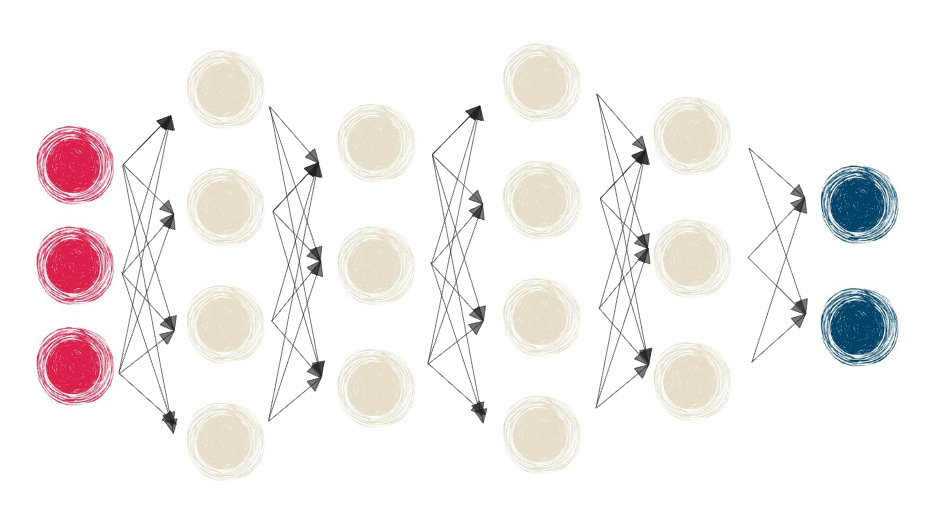
लेयर्स जोड़ना
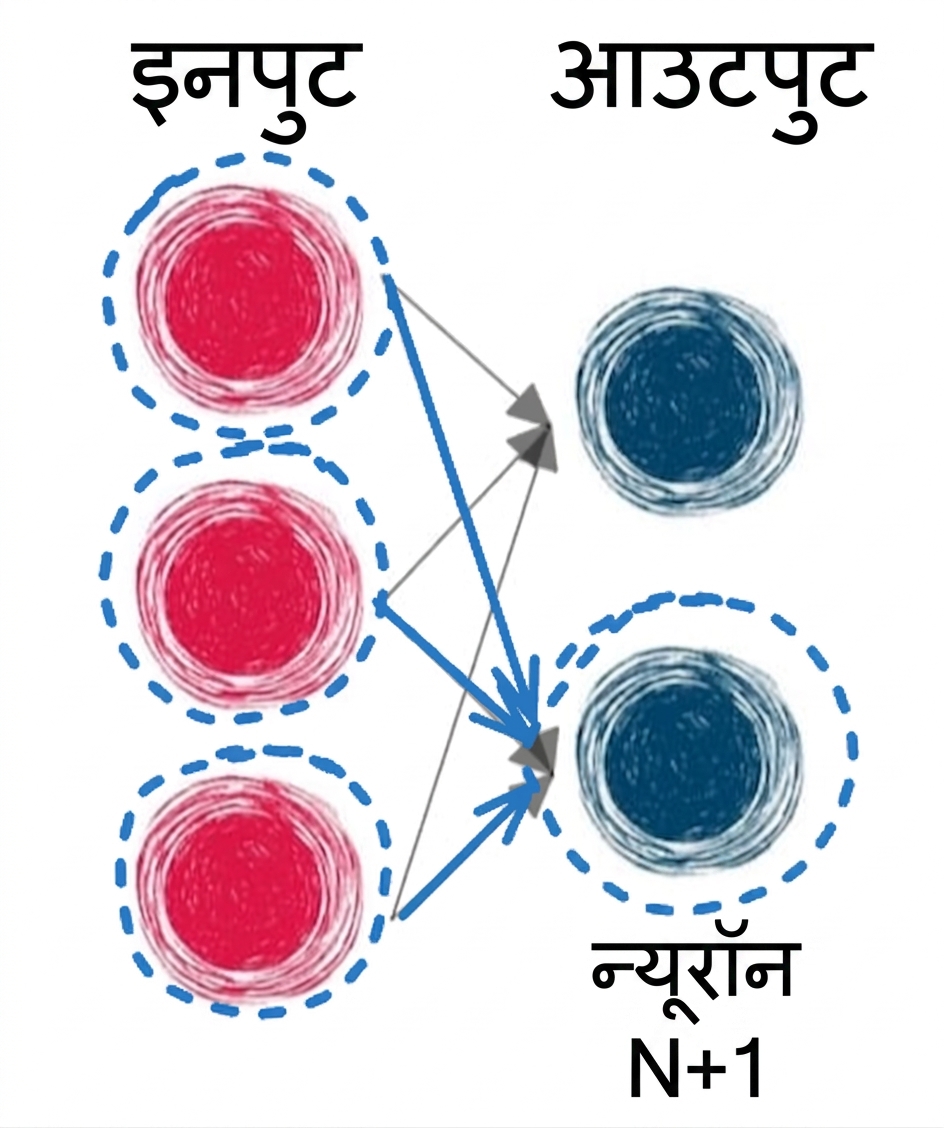
लेयर्स न्यूरॉन्स से बनती हैं
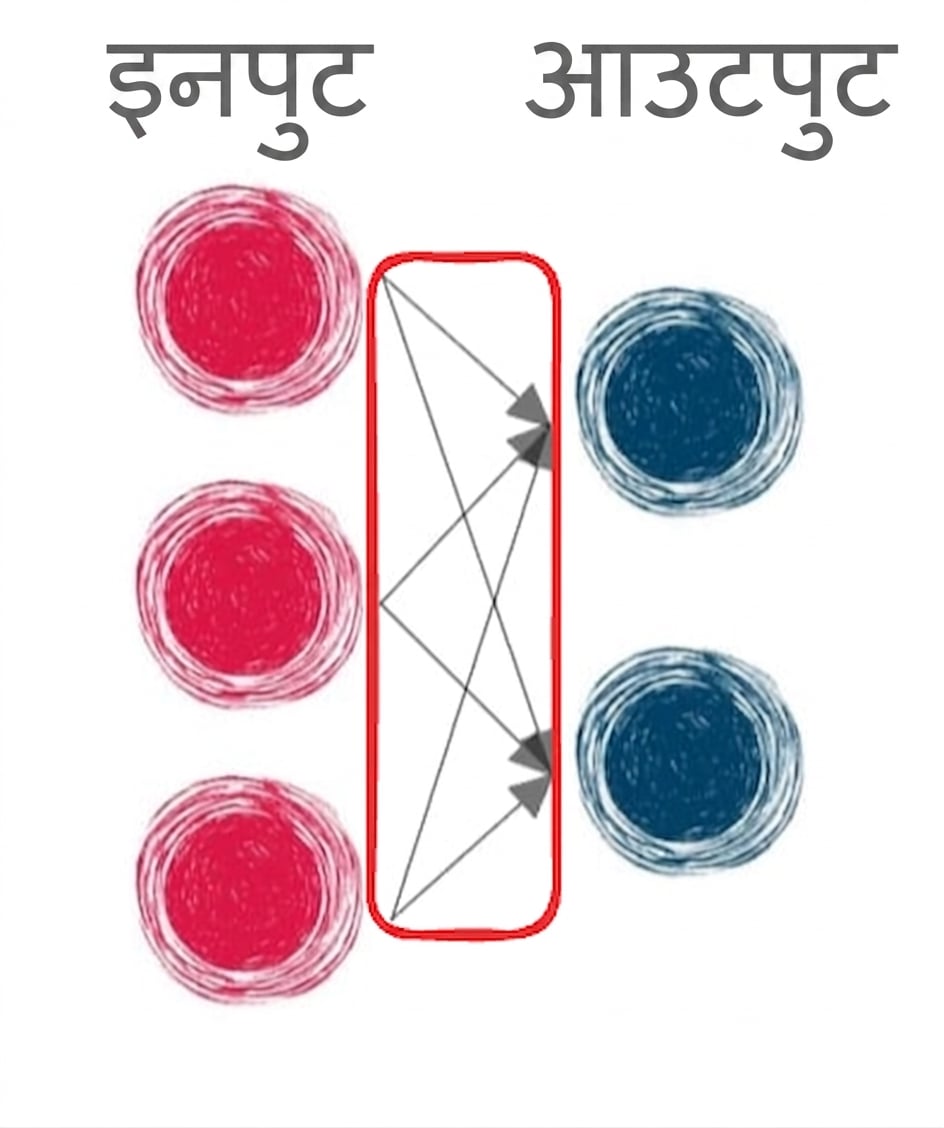
लेयर्स न्यूरॉन्स से बनती हैं
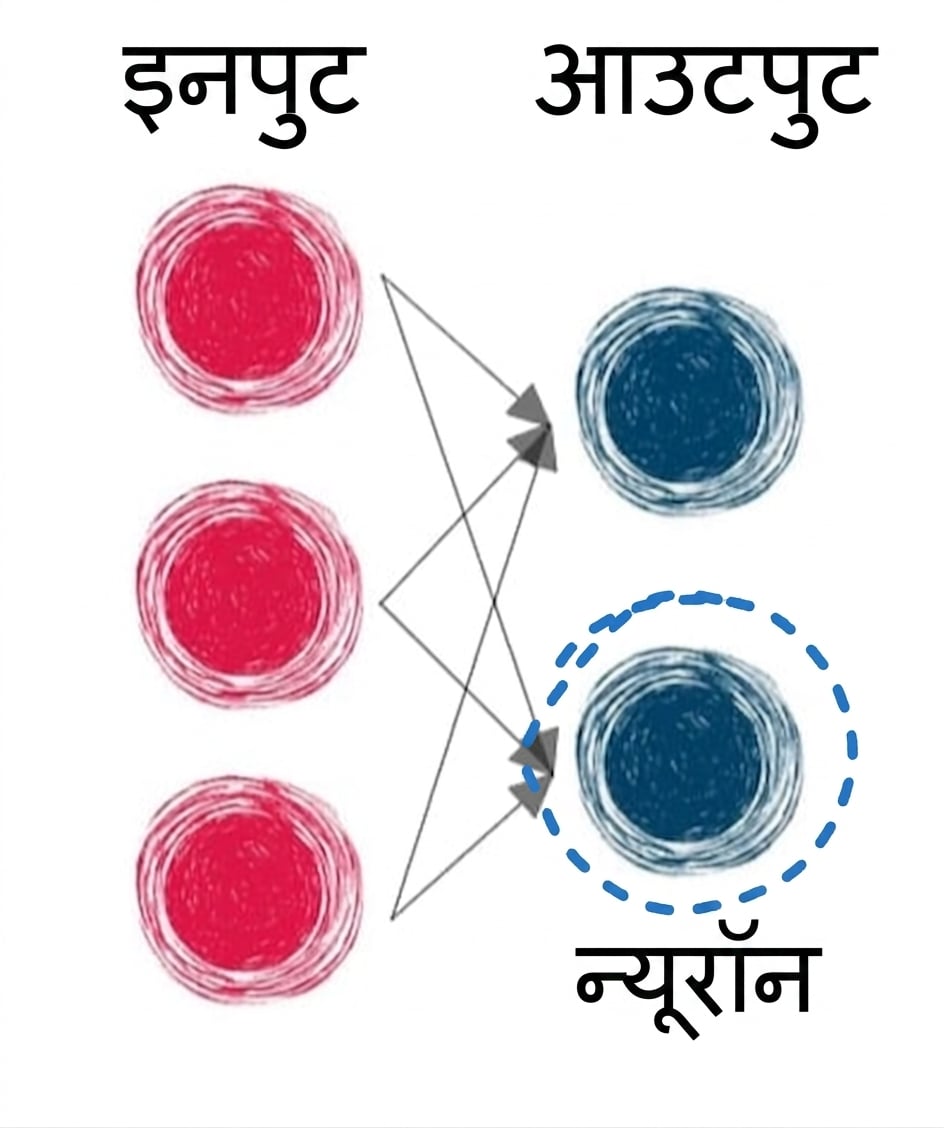
लेयर्स न्यूरॉन्स से बनती हैं
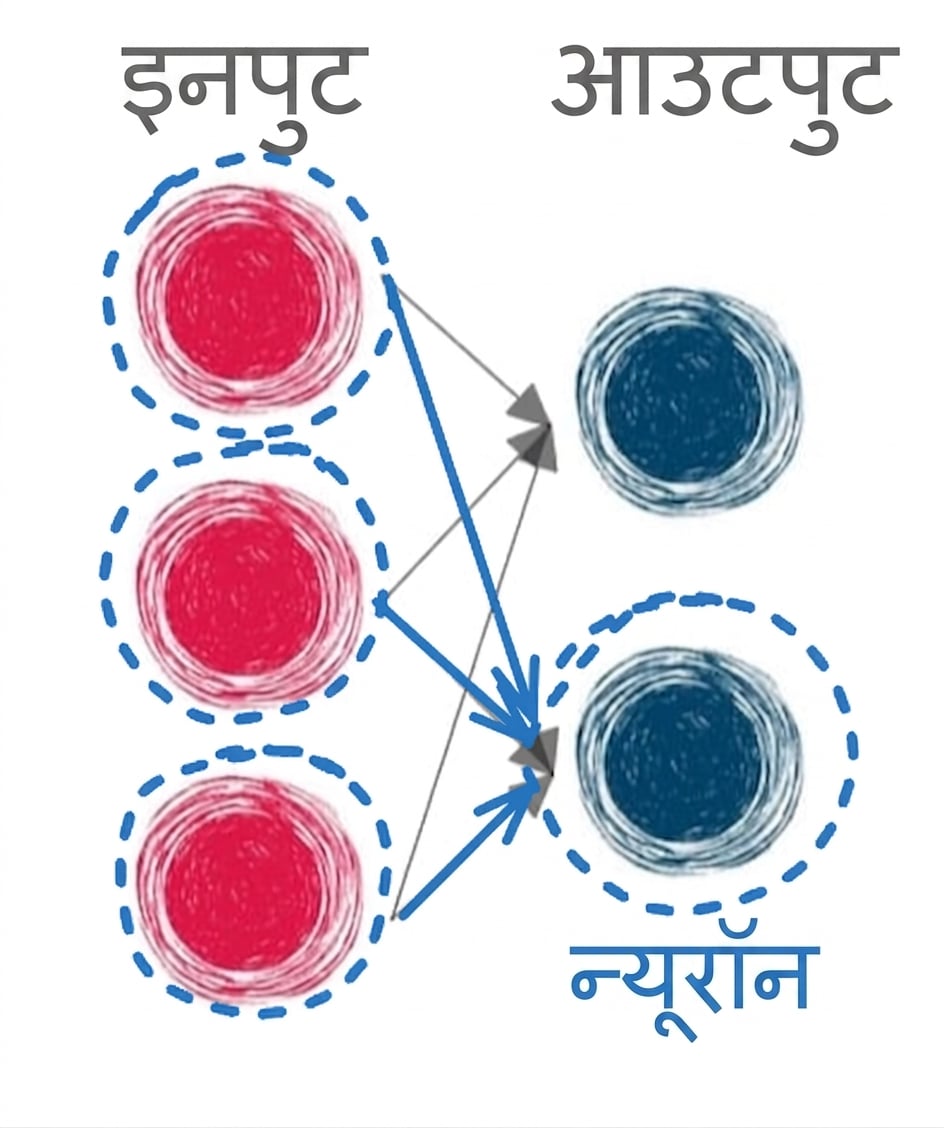
लेयर्स न्यूरॉन्स से बनती हैं
पैरामीटर्स और मॉडल कैपेसिटी
- ज्यादा हिडन लेयर्स = ज्यादा पैरामीटर्स = अधिक मॉडल कैपेसिटी
$$
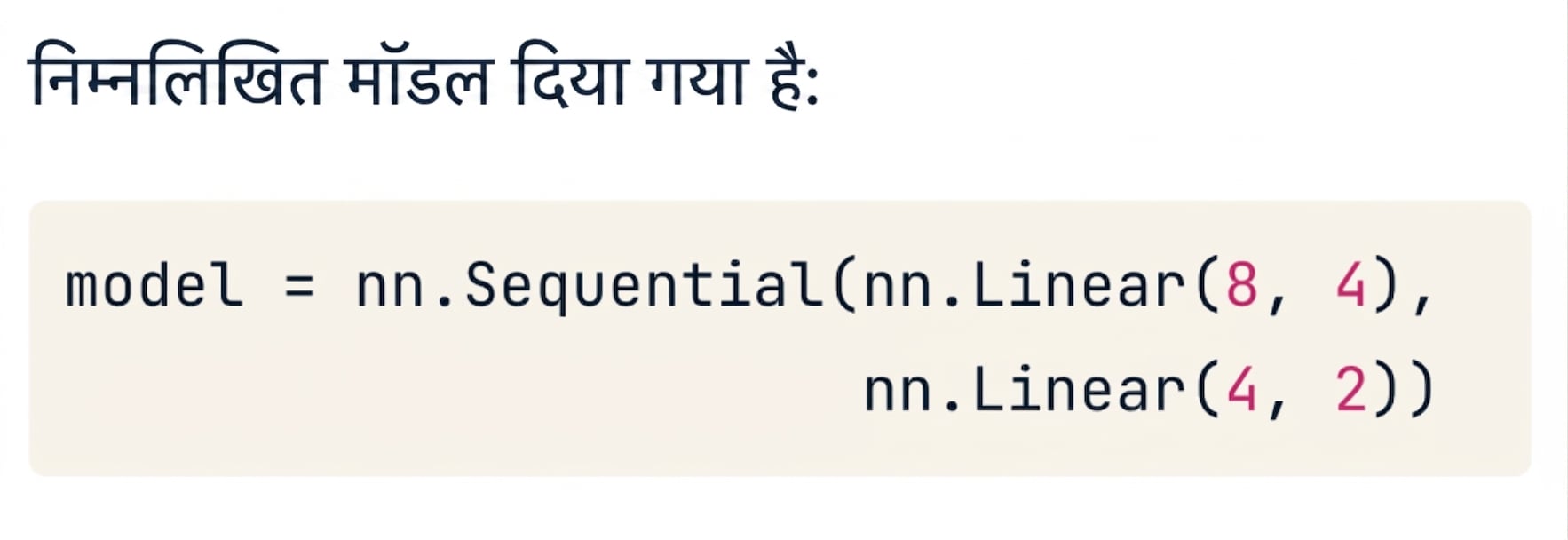
पैरामीटर्स और मॉडल कैपेसिटी
- ज्यादा हिडन लेयर्स = ज्यादा पैरामीटर्स = अधिक मॉडल कैपेसिटी
$$
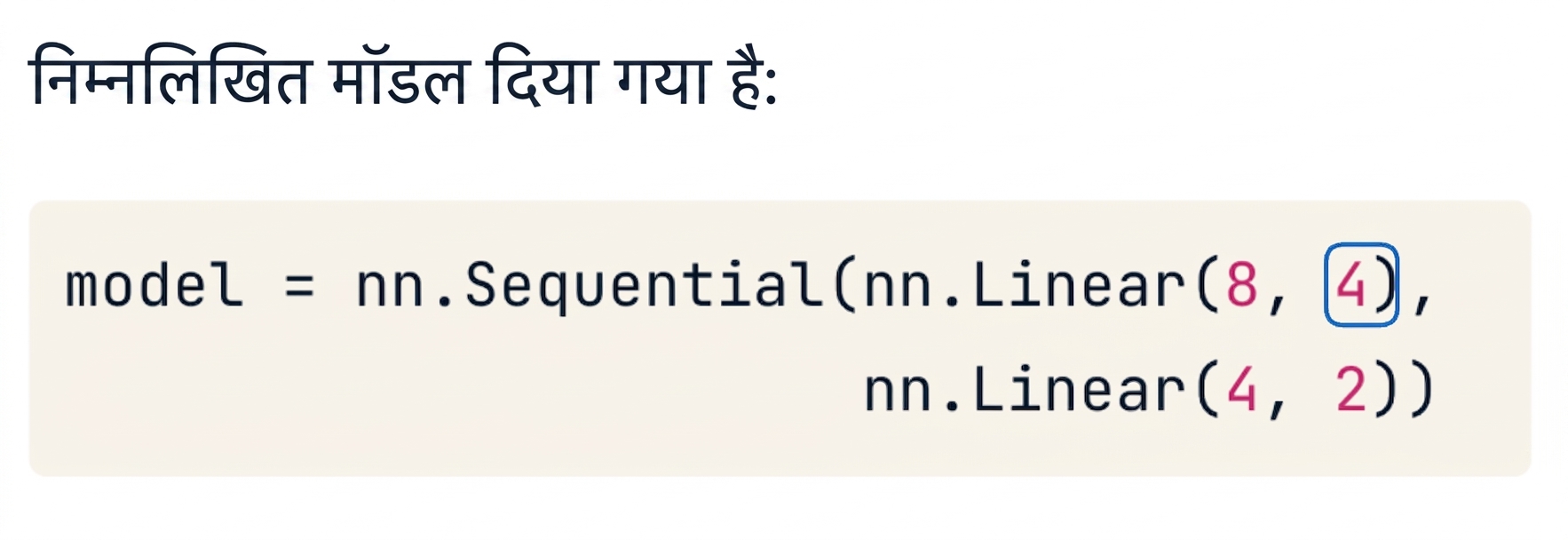
पैरामीटर्स और मॉडल कैपेसिटी
- ज्यादा हिडन लेयर्स = ज्यादा पैरामीटर्स = अधिक मॉडल कैपेसिटी
$$
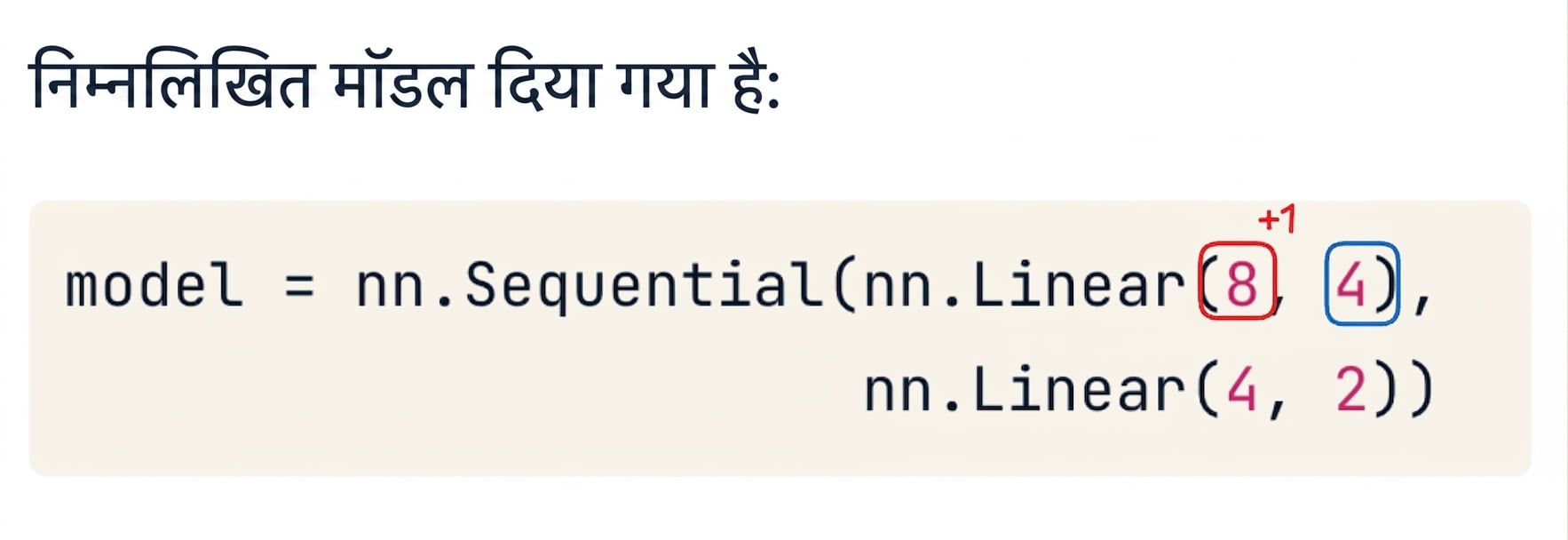
पैरामीटर्स और मॉडल कैपेसिटी
- ज्यादा हिडन लेयर्स = ज्यादा पैरामीटर्स = अधिक मॉडल कैपेसिटी
$$
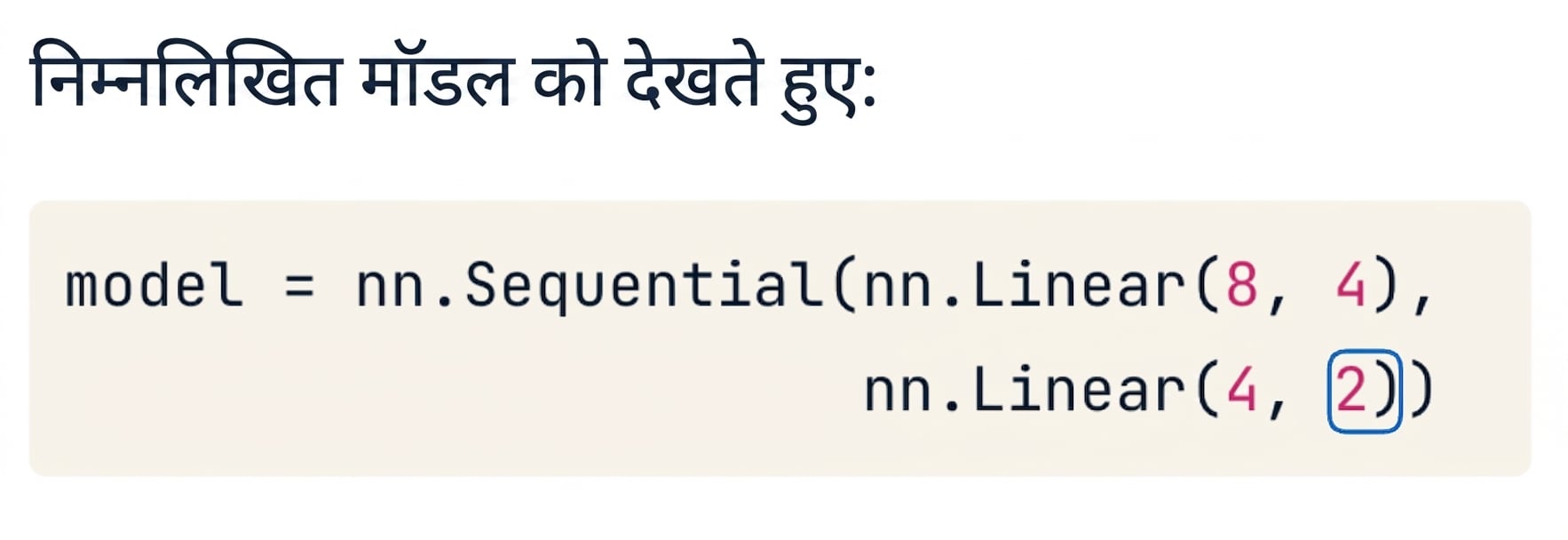
पैरामीटर्स और मॉडल कैपेसिटी
- ज्यादा हिडन लेयर्स = ज्यादा पैरामीटर्स = अधिक मॉडल कैपेसिटी
$$
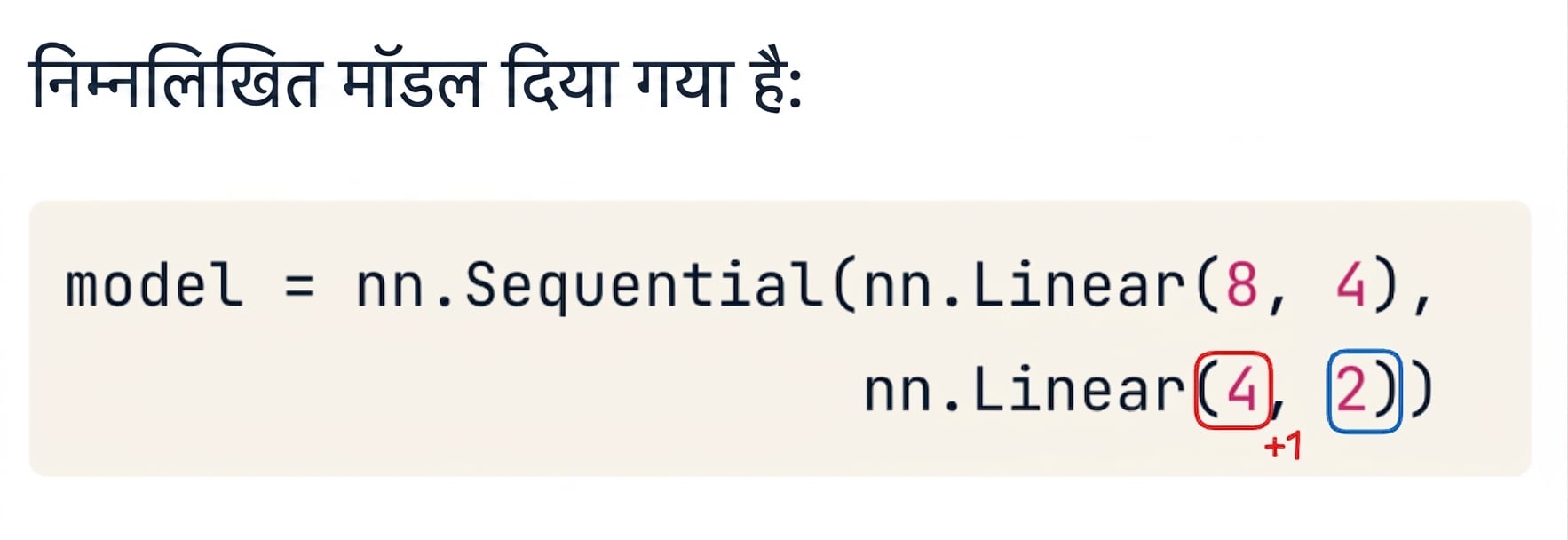
पैरामीटर्स और मॉडल कैपेसिटी
- ज्यादा हिडन लेयर्स = ज्यादा पैरामीटर्स = अधिक मॉडल कैपेसिटी
$$
जटिलता और दक्षता का संतुलन