Introduction au bootstrap

Échantillonnage en Python

James Chapman

Curriculum Manager, DataCamp

Avec ou sans

Échantillonnage sans remise :

Cartes à jouer sur une table de casino.

Échantillonnage avec remise (« rééchantillonnage ») :
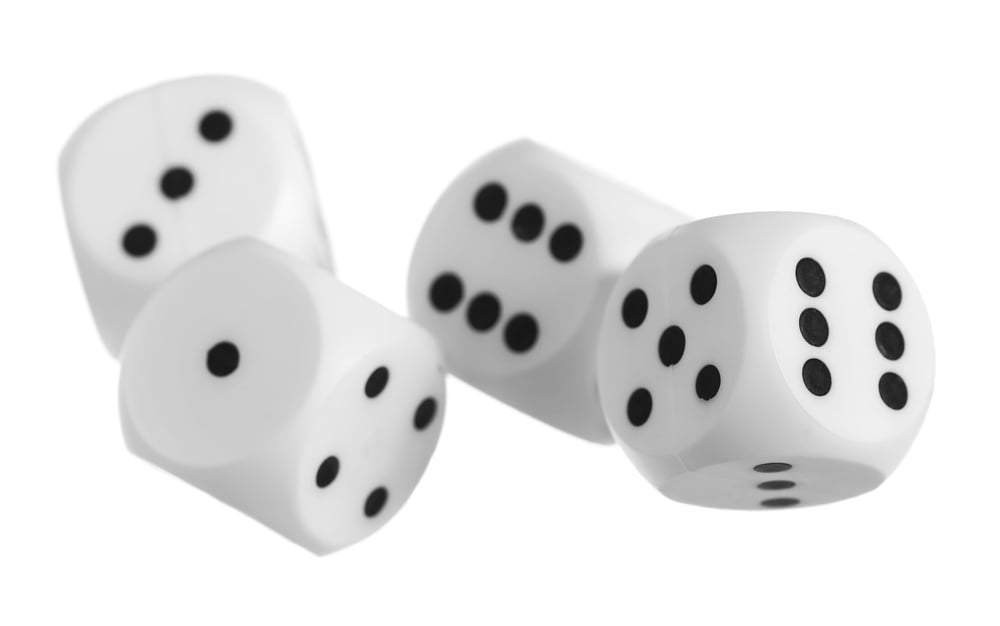
Quatre dés qui roulent.

Échantillonnage en Python

Échantillonnage aléatoire simple sans remise

Population :
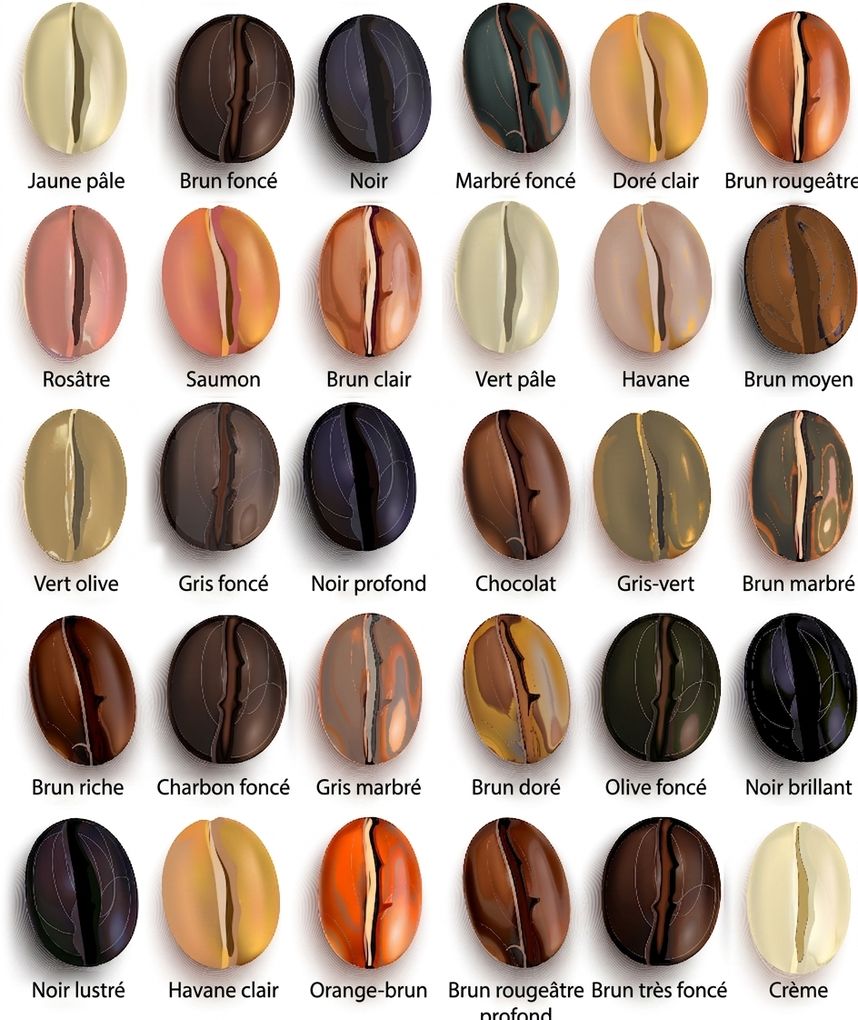
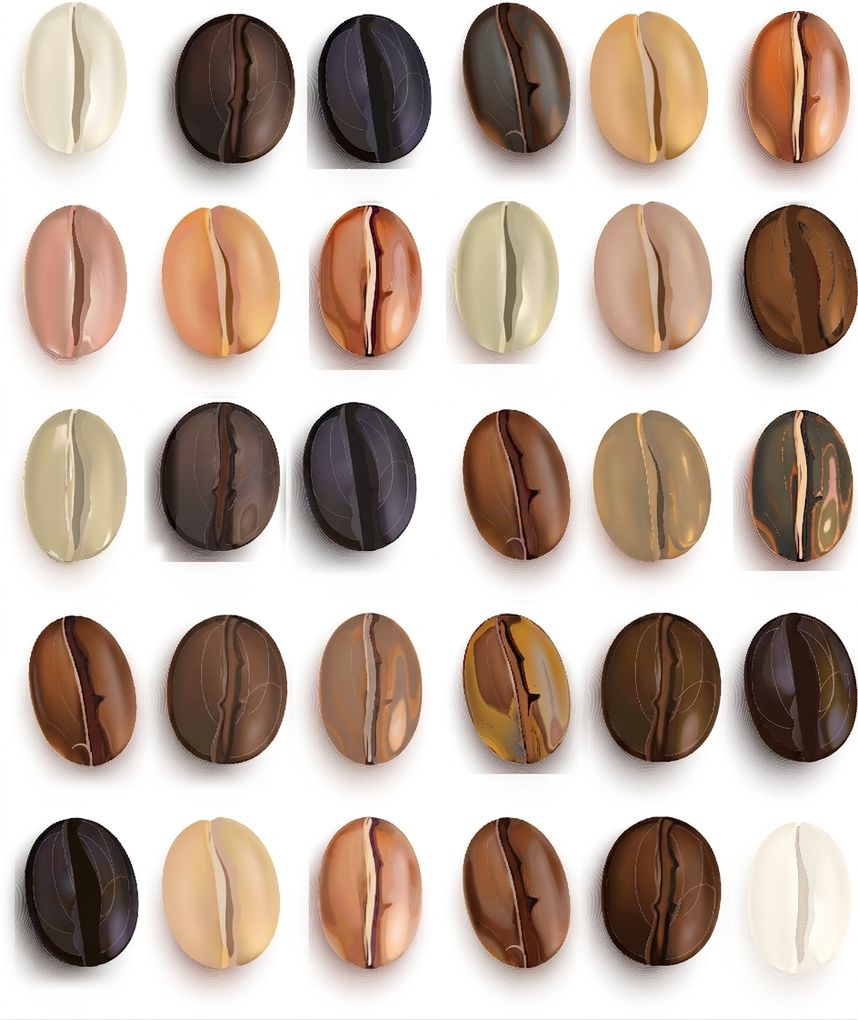
Grains de café disposés en rangées et colonnes.

Échantillon :

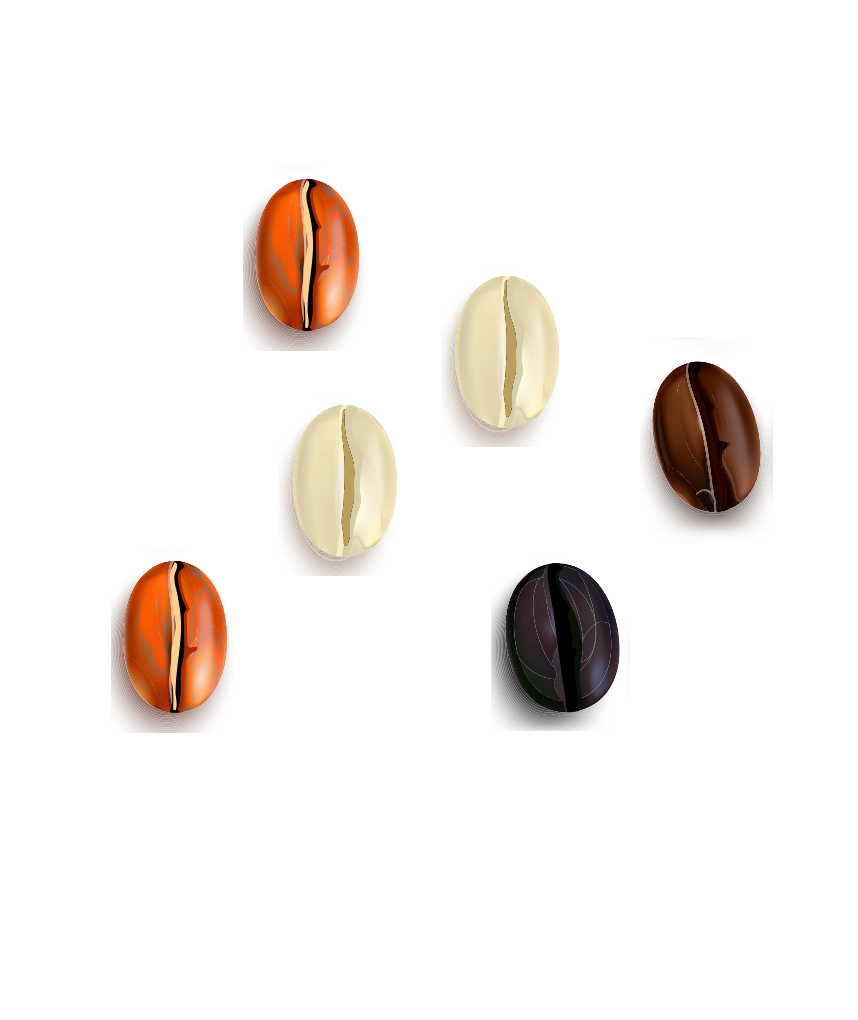
Grains de café en rangées et colonnes, dont la plupart sont grisés.

Échantillonnage en Python

Échantillonnage aléatoire simple avec remise

Population :

Grains de café disposés en rangées et colonnes.

Rééchantillon :

Un échantillon aléatoire de grains de café, dont certains en double.

Échantillonnage en Python

Pourquoi échantillonner avec remise ?

  • coffee_ratings : un échantillon d'une plus grande population de cafés
  • Chaque café de notre échantillon représente de nombreux cafés théoriques de la population
  • L'échantillonnage avec remise sert de substitut
Échantillonnage en Python

Préparation des données sur le café

coffee_focus = coffee_ratings[["variety", "country_of_origin", "flavor"]]
coffee_focus = coffee_focus.reset_index()
      index  variety country_of_origin  flavor
0         0     None          Ethiopia    8.83
1         1    Other          Ethiopia    8.67
2         2  Bourbon         Guatemala    8.50
3         3     None          Ethiopia    8.58
4         4    Other          Ethiopia    8.50
...     ...      ...               ...     ...
1333   1333     None           Ecuador    7.58
1334   1334     None           Ecuador    7.67
1335   1335     None     United States    7.33
1336   1336     None             India    6.83
1337   1337     None           Vietnam    6.67

[1338 rows x 4 columns]
Échantillonnage en Python

Rééchantillonner avec .sample()

coffee_resamp = coffee_focus.sample(frac=1, replace=True)
      index  variety country_of_origin  flavor
1140   1140  Bourbon         Guatemala    7.25
57       57  Bourbon         Guatemala    8.00
1152   1152  Bourbon            Mexico    7.08
621     621  Caturra          Thailand    7.50
44       44     SL28             Kenya    8.08
...     ...      ...               ...     ...
996     996   Typica            Mexico    7.33
1090   1090  Bourbon         Guatemala    7.33
918     918    Other         Guatemala    7.42
249     249  Caturra          Colombia    7.67
467     467  Caturra          Colombia    7.50

[1338 rows x 4 columns]
Échantillonnage en Python

Cafés répétés

coffee_resamp["index"].value_counts()
658     5
167     4
363     4
357     4
1047    4
       ..
771     1
770     1
766     1
764     1
0       1
Name: index, Length: 868, dtype: int64
Échantillonnage en Python

Cafés manquants

num_unique_coffees = len(coffee_resamp.drop_duplicates(subset="index"))
868
len(coffee_ratings) - num_unique_coffees
470
Échantillonnage en Python

Bootstrap

L'inverse de l'échantillonnage à partir d'une population

Échantillonnage : passer d'une population à un plus petit échantillon

Bootstrap : construire une population théorique à partir de l'échantillon

Cas d'usage du bootstrap :

  • Comprendre la variabilité d'échantillonnage à partir d'un seul échantillon

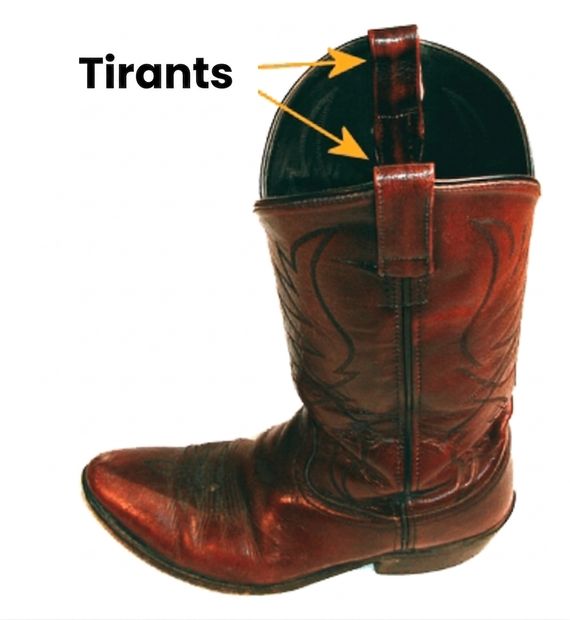
Une botte de cow-boy.

Échantillonnage en Python

Processus de bootstrap

  1. Créer un rééchantillon de même taille que l'échantillon initial
  2. Calculer la statistique d'intérêt pour cet échantillon bootstrap
  3. Répéter les étapes 1 et 2 de nombreuses fois

Les statistiques obtenues sont des statistiques bootstrap et forment une distribution bootstrap

Échantillonnage en Python

Bootstrap de la moyenne du goût du café

import numpy as np

mean_flavors_1000 = []
for i in range(1000):
mean_flavors_1000.append(
np.mean(coffee_sample.sample(frac=1, replace=True)['flavor'])
)
Échantillonnage en Python

Histogramme de la distribution bootstrap
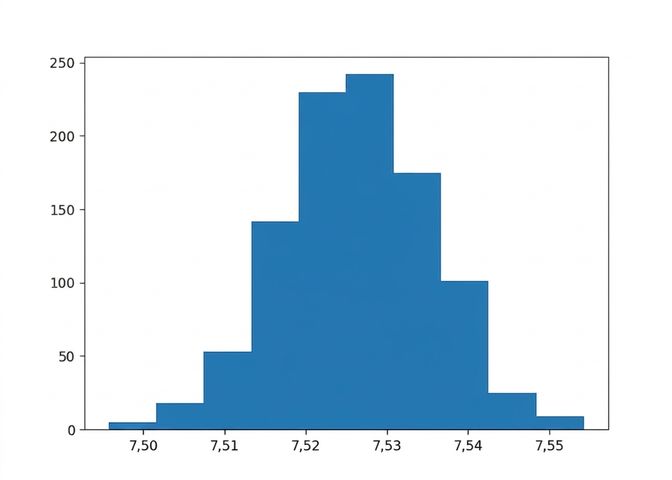
import matplotlib.pyplot as plt
plt.hist(mean_flavors_1000)
plt.show()

Distribution bootstrap de la saveur moyenne

Échantillonnage en Python

Passons à la pratique !

Échantillonnage en Python

Preparing Video For Download...