Bash 中的数值变量

Bash 脚本入门

Alex Scriven

Data Scientist

其他语言中的数字

与 R、Python 等多数 REPL(控制台)不同,Shell 并不原生支持数字。

在 Python 或 R 中可以:

>>> 1 + 4
5

会直接返回结果。

Bash 脚本入门

Shell 中的数字


Shell 不原生支持数字:

(在终端中)

1 + 4
bash: 1: command not found
Bash 脚本入门

认识 expr


expr 是个有用的实用程序(如 catgrep)。

现在这样做(在终端)可行:

expr 1 + 4
5

不错!

Bash 脚本入门

expr 的限制

expr 不能原生处理小数:

(在终端)

expr 1 + 2.5
expr: not a decimal number: '2.5'

别担心!有解法。

Bash 脚本入门

认识 bc

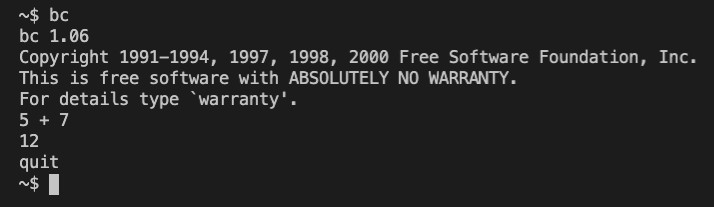
bc(basic calculator)是命令行计算器。

可在终端中进入并计算:

在 Shell 中使用 BC 程序

Bash 脚本入门

向 bc 传入数字


无需打开计算器,可用管道调用 bc

echo "5 + 7.5" | bc
12.5
Bash 脚本入门

bc 的 scale 参数

bc 还有 scale 参数用于设置小数位数。

echo "10 / 3" | bc
3
echo "scale=3; 10 / 3" | bc

注意用 ; 分隔终端中的"行"。

3.333
Bash 脚本入门

Bash 脚本中的数字

可像字符串变量一样赋值数值变量:

dog_name='Roger'
dog_age=6

echo "My dog's name is $dog_name and he is $dog_age years old"

注意:dog_age="6" 也能用,但类型是字符串!

My dog's name is Roger and he is 6 years old
Bash 脚本入门

双括号表示法

数值变量的单括号变体表示法:

expr 5 + 7
echo $((5 + 7))
12
12

注意此法用的是 expr,不是 bc(不支持小数)。

Bash 脚本入门

再谈子 shell

还记得上一课如何在 shell 中调用子 shell 吗?

对数值变量很有用:

model1=87.65
model2=89.20

echo "The total score is $(echo "$model1 + $model2" | bc)"
echo "The average score is $(echo "($model1 + $model2) / 2" | bc)"
The total score is 176.85
The average score is 88
Bash 脚本入门

Passons à la pratique !

Bash 脚本入门

Preparing Video For Download...