Python 中的 TensorFlow 入门
Isaiah Hull
Visiting Associate Professor of Finance, BI Norwegian Business School


import numpy as np
import tensorflow as tf
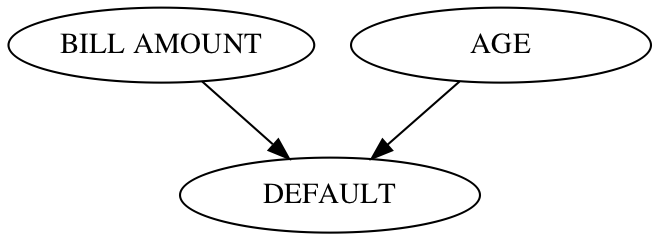
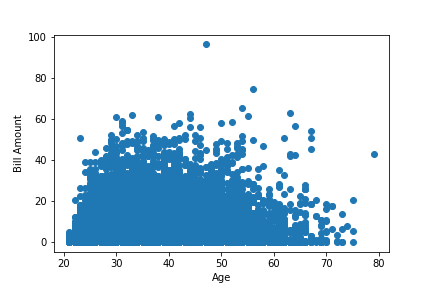
# 定义示例借款人特征
young, old = 0.3, 0.6
low_bill, high_bill = 0.1, 0.5
# 对所有特征组合执行矩阵乘法步骤
young_high = 1.0*young + 2.0*high_bill
young_low = 1.0*young + 2.0*low_bill
old_high = 1.0*old + 2.0*high_bill
old_low = 1.0*old + 2.0*low_bill
# 年轻人违约预测的差异
print(young_high - young_low)
# 年长者违约预测的差异
print(old_high - old_low)
0.8
0.8
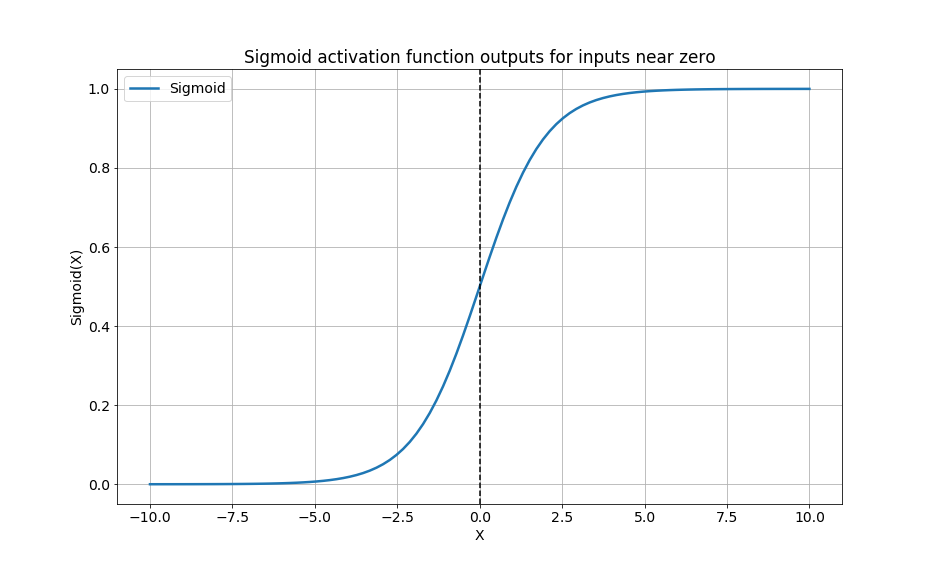
# 年轻人违约预测的差异
print(tf.keras.activations.sigmoid(young_high).numpy() -
tf.keras.activations.sigmoid(young_low).numpy())
# 年长者违约预测的差异
print(tf.keras.activations.sigmoid(old_high).numpy() -
tf.keras.activations.sigmoid(old_low).numpy())
0.16337568
0.14204389
tf.keras.activations.sigmoid()sigmoid
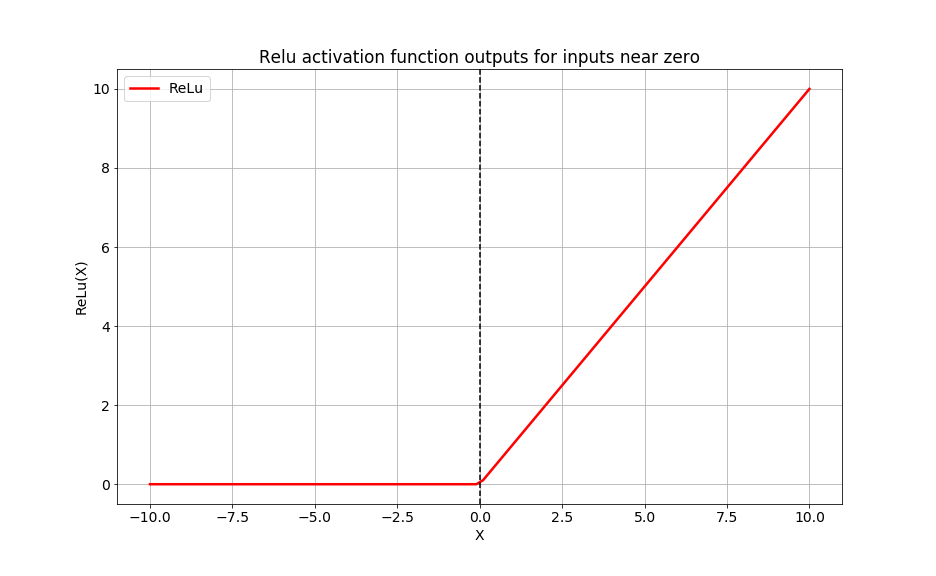
tf.keras.activations.relu()relu
tf.keras.activations.softmax()softmaximport tensorflow as tf
# 定义输入层
inputs = tf.constant(borrower_features, tf.float32)
# 定义全连接层 1
dense1 = tf.keras.layers.Dense(16, activation='relu')(inputs)
# 定义全连接层 2
dense2 = tf.keras.layers.Dense(8, activation='sigmoid')(dense1)
# 定义输出层
outputs = tf.keras.layers.Dense(4, activation='softmax')(dense2)
Python 中的 TensorFlow 入门